A large majority of Canadian parents did not vaccinate their kids against COVID-19 in the past year, according to a recent report by the Public Health Agency of Canada (PHAC). Previous PHAC data indicate the trend has continued years after pandemic-era vaccination campaigns ended.
Asked why their children were not vaccinated, nearly 40 percent of respondents said they “do not consider it necessary,” while about 25 percent cited concerns about vaccine safety or side effects. Another 24.6 percent said they believe their child had enough natural immunity after having contracted the virus before.
“Understanding parental knowledge, attitudes and views is essential to estimate expected vaccine uptake and to guide education and awareness efforts to promote vaccination,” said the PHAC report, titled “Childhood Seasonal Immunization Coverage Survey (CSICS), 2025.”
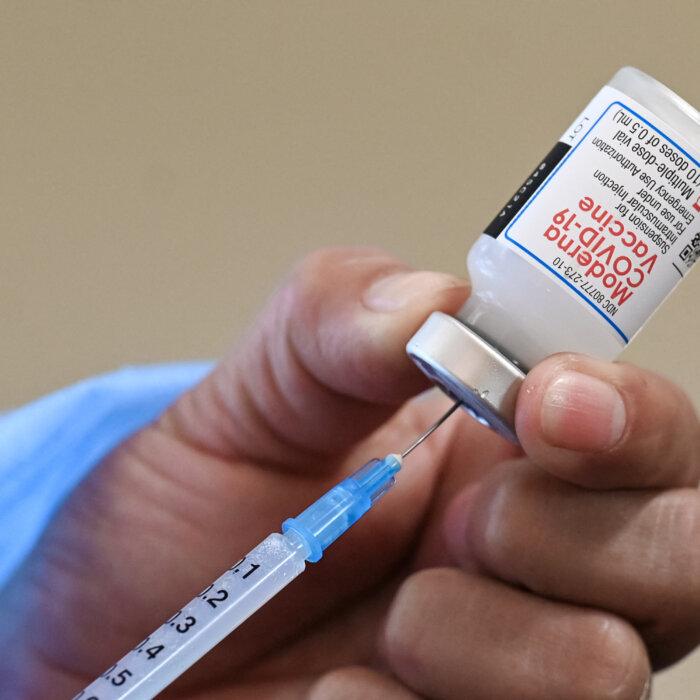
“Overall, 79% of parents/guardians refused to vaccinate their children,” the 2024 version of the report said.
The March 2026 report noted that the COVID vaccination rate among children varied across provinces and territories, based on respondents’ replies about whether their kids had received the shot in “the past year.”
Quebec has the lowest uptake at about 12 percent while British Columbia has the highest at just over 29 percent.
New Brunswick has the second-lowest rate at nearly 14 percent, followed by Ontario at roughly 17 percent. Alberta and Newfoundland and Labrador tied at approximately 18 percent, while Prince Edward Island, Nova Scotia, Manitoba, and Saskatchewan ranged from 20 to 27 percent, at 20 percent, 21 percent, 26 percent, and 27 percent, respectively.
Parents Objected to ‘Feel Guilty’ Attempt
Participants were also asked whether any health-care provider had recommended that their children receive a COVID-19 vaccine in the past year. Nearly 9 in 10 said no.For respondents whose children were not vaccinated but who did not indicate “opposed” to the vaccine, 63.7 percent said they were “not at all hesitant” or “not very hesitant” about having their kids vaccinated against COVID-19, while 36.3 percent were “somewhat hesitant” or “very hesitant.”
The report defined “vaccine hesitancy” as “being conflicted about or opposed to getting vaccinated, and can impact your decision to get vaccinated.”
In particular, for parents of these youth in the City of Toronto/York Region, “participants objected to what they saw as an attempt to make them feel guilty and worried about the wellbeing of their children,” said PCO in the “Continuous Qualitative Data Collection of Canadians’ Views - June 2021” report, released in October that year.
The PCO report said parents harboured questions about how the injections would affect their children’s health in the long term.