The U.S. War Department identified two U.S. soldiers on July 20 who were killed in action during Iranian strikes on a U.S. military base in Jordan.
The Pentagon named 1st Lt. Tyler James Feehan, 25, of Ewa Beach, Hawaii, and Pvt. Isabella Gonzales, 19, of Carrollton, Texas, as the two soldiers killed in action at Muwaffaq Salti Air Base on July 17. Both active-duty soldiers were serving in support of Operation Inherent Resolve, the U.S. military mission to defeat the ISIS terrorist group.
Iran responded to the U.S. strikes by announcing attacks against U.S. military bases in Bahrain, Jordan, Kuwait, Oman, Qatar, and Syria.
Gonzales was killed in action on July 17, the day of the Iranian attack against the U.S. air base in Jordan, while Feehan died the following day, the Pentagon said. Officials noted that the incident was under investigation.
Feehan was assigned to the 2nd Battalion, 55th Air Defense Artillery Regiment, 32nd Army Air Missile Defense Command based in Fort Bragg, North Carolina. Gonzales was assigned to the 1st Battalion, 57th Air Defense Artillery Regiment, 52nd Air Defense Artillery Brigade, 10th Army Air Missile Defense Command based in Ansbach, Germany.
In a July 18 post on social media, Secretary of War Pete Hegseth addressed the death of the two soldiers, writing: “Godspeed, heroes. Their sacrifice only stiffens our resolve.”
The Iranian strikes against U.S. forces in Jordan also resulted in four U.S. service members being medically evacuated to hospitals in Jordan. The service members were later discharged from the hospitals. Other personnel sustained minor injuries during the strikes, CENTCOM said.
On July 19, CENTCOM said that U.S. military personnel found unidentified remains at the location of the Iranian strikes. The military said it initially withheld identification until notifying the service members’ next of kin.
The three deaths of U.S. service members on July 17 and July 18 brought the total number of U.S. troops killed in Iran to 17 since the start of Operation Epic Fury, the U.S. military operation in Iran, on Feb. 28.
President Donald Trump responded to the casualties in a July 20 post on Truth Social.
“Every time Iran kills an American Soldier they will pay for that killing many times over!” he said.
Trump noted that he gave the directive to Hegseth; Gen. Daniel Caine, chairman of the Joint Chiefs of Staff; and every leader in the U.S. military.
White House press secretary Karoline Leavitt said on July 20 that Trump would attend the dignified transfer of the fallen service members at Dover Air Force Base on July 21.
“The president and the entire White House are praying for their families,” she said.
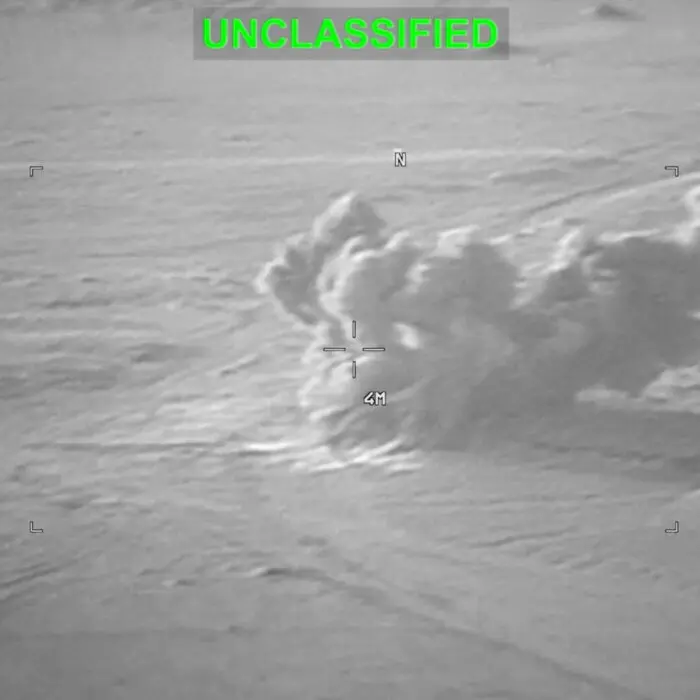
On the night of July 19, CENTCOM said U.S. forces completed the ninth consecutive evening of attacks against Iran at 10 p.m. ET. The strikes targeted the regime’s military command centers, missile and drone launch sites, maritime capabilities, air defense and coastal surveillance sites, and communications networks.
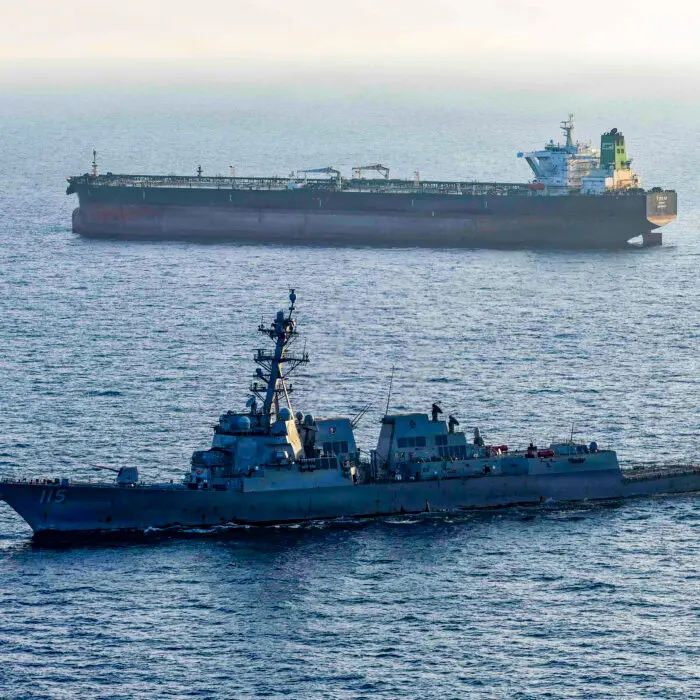
The latest round of strikes against Iran was intended to protect commercial vessels passing through the Strait of Hormuz, CENTCOM said. It noted that the U.S. military is “holding Iran accountable” at Trump’s direction and that the U.S. forces in the region remain “highly vigilant, focused, lethal, and ready.”
The United States and Iran have traded military strikes following the collapse of the memorandum of understanding that was signed in June to resolve the conflict after the United States and Iran agreed to a ceasefire in April.
Trump directed the U.S. military to resume strikes against Iran after Iranian forces attacked multiple commercial vessels in the Strait of Hormuz. The regime also declared that the Strait would remain closed “until the United States ends its intervention in the region.”
Leavitt said this past week that negotiations with Iran remained ongoing.
“Iran very much continues to talk to the United States of America and express that they want to make a deal with us because they are suffering devastating blows on behalf of our United States military,” she said.