The U.S. military completed its sixth consecutive night of strikes against Iran on July 16 aimed at degrading Tehran’s military capabilities.
U.S. Central Command said the latest wave of strikes concluded at about 9.40 p.m. ET, targeting Iranian coastal surveillance and air defense sites, military logistics infrastructure, and maritime capabilities.
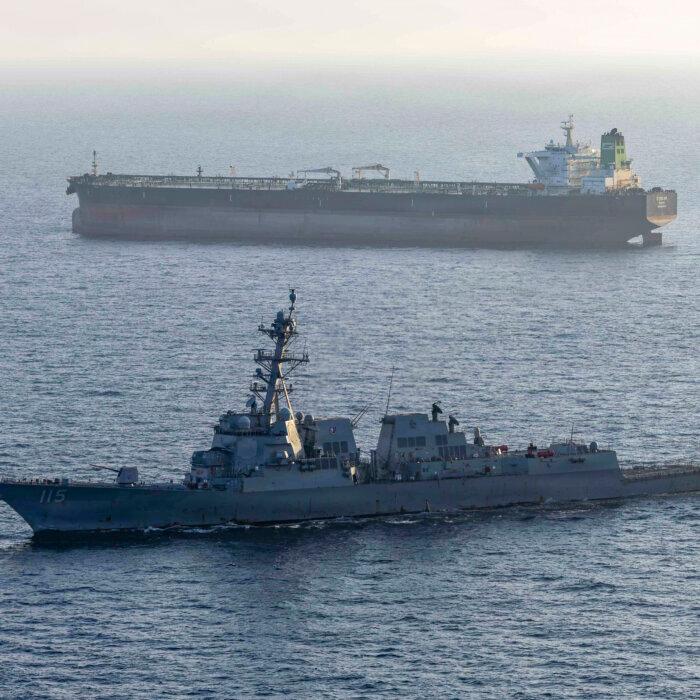
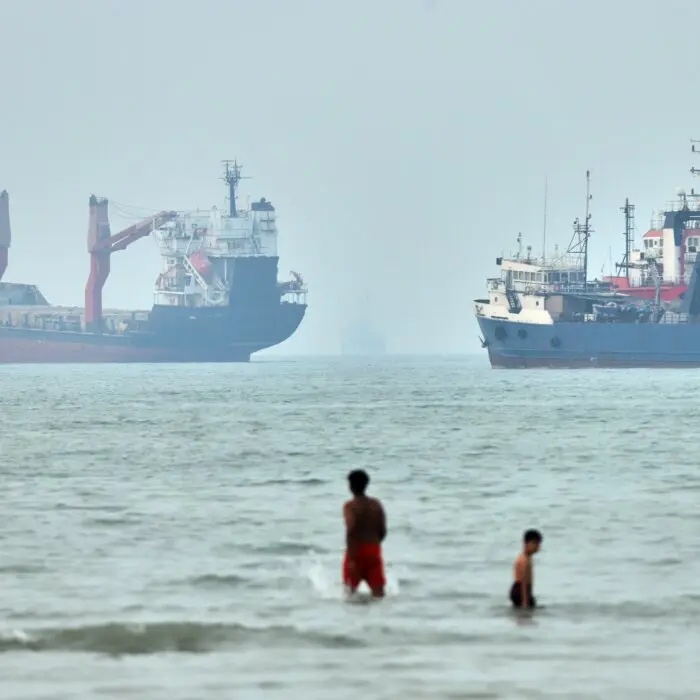
The attacks were a response to Iran’s recent attacks on vessels in the Strait of Hormuz, the key maritime chokepoint where Tehran has restricted shipping, according to the U.S. military.
“More than 50,000 U.S. service members are operating across the Middle East and remain vigilant, lethal, and ready,” Central Command said in a statement.
During a July 16 briefing, White House press secretary Karoline Leavitt said negotiations with Iran remain ongoing.
“Iran very much continues to talk to the United States of America and express that they want to make a deal with us because they are suffering devastating blows on behalf of our United States military,” she said.
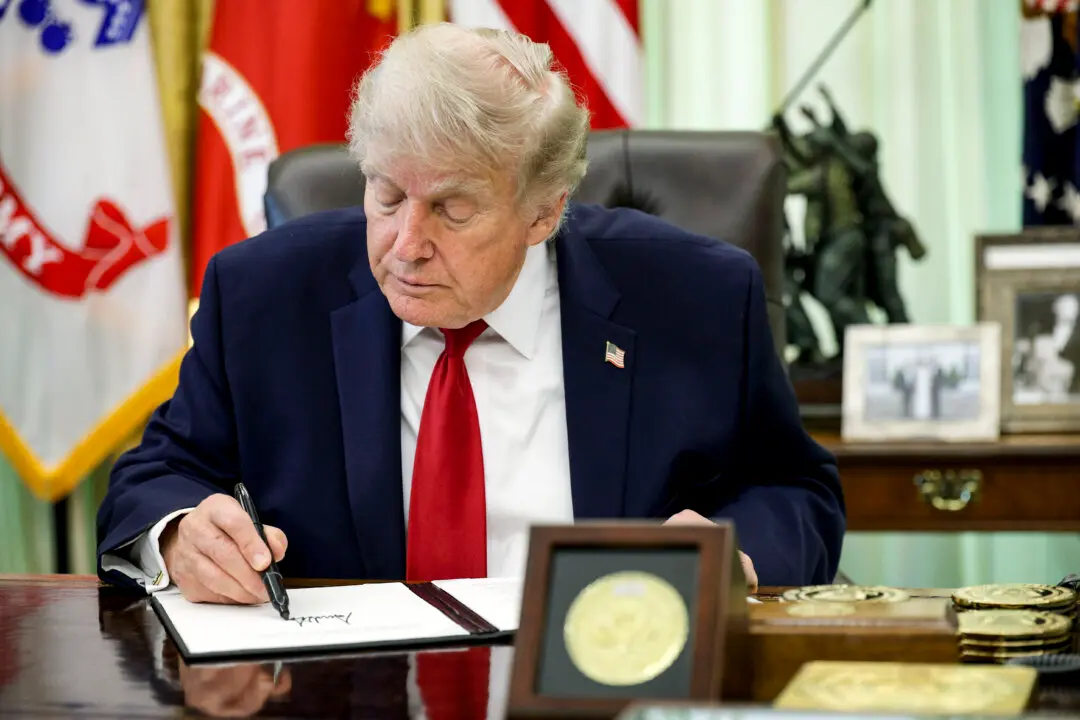
Leavitt said the U.S. military’s strikes against Iran were due to a violation of the memorandum of understanding U.S. President Donald Trump signed last month following negotiations between the United States and Iran.
The press secretary noted that the recent memorandum of understanding included an agreement that Iran would not fire on commercial vessels moving through the Strait of Hormuz.
“Unfortunately, they have made the tragic decision, for them, to do that,” she said. “And President Trump is not going to sit by and allow these active acts of terrorism to take place in the strait without ensuring Iran pays consequences for that.”
On the evening of July 15, U.S. Central Command confirmed that strikes against Iranian air defense sites, command centers, missile and drone capabilities, and coastal surveillance facilities had been completed. U.S. forces used precision munitions to strike targets in multiple locations, including Bandar Abbas, which is located near the Strait of Hormuz.
U.S. forces also conducted a 90-minute wave of strikes on the morning of July 15, targeting coastal defense and cruise missile strikes on Greater Tunb Island.
In response to the U.S. strikes on July 15, the Iranian military targeted U.S. communication systems and fuel storage facilities at the Azraq military base in Jordan, according to Iranian state media.
U.S. Central Command also said that U.S. forces disabled an oil tanker that was sailing toward an Iranian port in the Arabian Gulf on July 15.
U.S. Central Command said a vessel flying the flag of Curaçao was sailing toward Kharg Island, Iran’s key oil export hub, and ignored multiple warnings as it tried to violate the U.S. blockade. The oil tanker was disabled after a U.S. aircraft fired hellfire missiles into the ship’s smokestack.
In a July 16 post on social media, U.S. Central Command said Marines from the 11th Marine Expeditionary Unit boarded the M/T Wen Yao oil tanker in the Gulf of Oman to ensure compliance with the blockade. It said U.S. forces also redirected three commercial vessels attempting to bypass the blockade since it was reinstated.
“The Strait of Hormuz and the surrounding waters remain free and open, except for vessels attempting to violate America’s steel wall blockade,” U.S. Central Command stated.
Leavitt said on July 16 that Iran’s recent actions prove Trump’s initial point in launching Operation Epic Fury in February.
“Iran can never obtain a nuclear weapon,” she said. “That’s why he launched Operation Epic Fury.”