
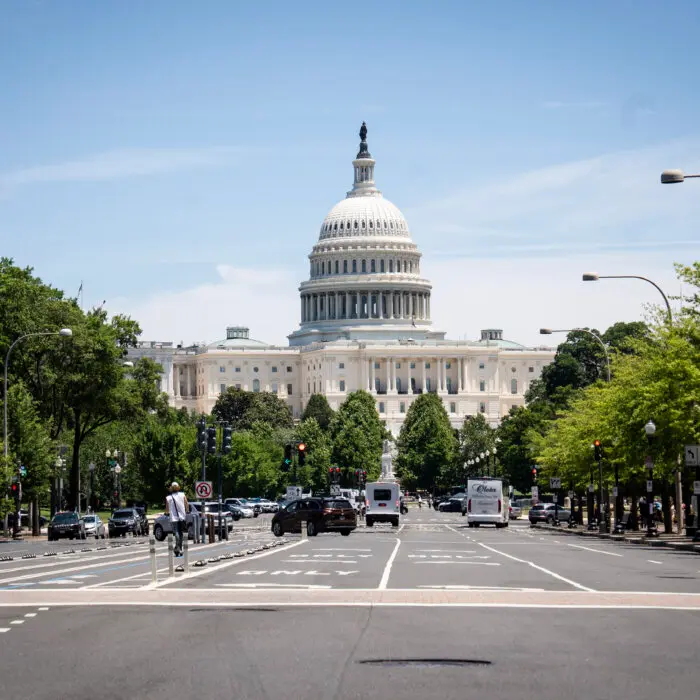
The Senate is preparing to vote on a bipartisan sanctions bill championed by the late Sen. Lindsey Graham (R-S.C.) after voting overwhelmingly to advance it this week.
The Senate passed a procedural measure on the Lindsey O. Graham Sanctioning Russia and Iran Act of 2026 in an 86-to-12 vote on July 28. Senate Majority Leader John Thune (R-S.D.) indicated last week that the Senate could approve the sanctions bill before the start of its recess on Aug. 7.
Originally introduced by Graham, the bill aims to stop Russia from using oil and gas sales to continue waging its war against Ukraine and to extend economic sanctions on Iran. A revised version of the bill was reintroduced in the Senate earlier this month.
Here’s what to know about the bill.
What the Bill Would Do
If passed, the bill would implement sanctions on Russian entities and tariffs on the top purchasers of Russian oil and gas.
The bill would impose sanctions on Russian government and military officials, Russian oligarchs, and officials in Russia’s defense industrial base, energy, and transportation sectors that support the Russian military.
Additional sanctions would be imposed on foreigners who provide goods or services to the Russian Federation’s defense industrial base. Foreigners who facilitate deceptive transactions to provide such goods or services and foreigners who attempt to undermine Ukraine would also be sanctioned.
The sanctions would include blocking of property; ineligibility for visas, admission, or parole; and revoking of current visas.
The bill would grant the president authority to sanction any foreign vessel that transports Russian oil, gas, or coal products.
The bill would also impose sanctions on financial institutions affiliated with the Russian government. Penalties would include blocking of property as well as sanctions listed under the Countering America’s Adversaries Through Sanctions Act.
Entities registered with the Securities and Exchange Commission would be prohibited from transferring funds to or from the Russian government and any entity owned by it. U.S. citizens would also be prohibited from investing in the Russian Federation and its energy sector.
In addition to sanctions, the president could implement up to 500 percent tariffs on goods imported from Russia, including oil, gas, and coal products. The president could also add up to 100 percent tariffs on goods imported from the top five purchasers of Russian oil and gas or the top five countries that help Russia evade sanctions.
Exceptions would be made for countries that import less than 15 percent of their natural gas from Russia and have taken steps to reduce reliance on Russian imports. The president could also waive the sanctions and tariffs for national security purposes.
Inclusion of Iran
The sanctions, included in the Iran Sanctions Act of 1996, were set to expire later this year. The Senate’s bill would extend the sanctions, which restrict funding for the regime’s weapons and energy sectors, through 2031.
On July 29, Trump told reporters in the Oval Office that the bill should also include tariffs on Iran. He said they would “make it much stronger.”
Honoring Lindsey Graham
Graham introduced the original bill in April 2025. The bill did not advance past the Senate Banking, Housing, and Urban Affairs Committee. However, Graham gave an update on the bill just one day before he died.
Graham and Sens. Richard Blumenthal (D-Conn.), Jeanne Shaheen (D-N.H.), and Roger Wicker (R-Miss) confirmed on July 10 that an agreement had been made with the Trump administration to move forward with the legislation.
The agreement came after the White House expressed concerns that the president would need flexibility to waive sanctions and tariffs for national security reasons. Some lawmakers also expressed concerns that the original sanctions and tariffs were too broad and could harm U.S. allies.
Sen. Roger Wicker (R-Miss.) said the legislation could become Lindsey Graham’s greatest policy achievement.
“It took a senator like Lindsey Graham to bring this bill so far—in this environment, with these stakes,” Wicker said.
Next Steps
Following the Senate’s approval of a procedural measure of the bill on July 28, the Senate could pass the legislation and send it to the House before the end of next week.
Thune indicated on July 23 that the bill could pass by the Senate recess on Aug. 7.
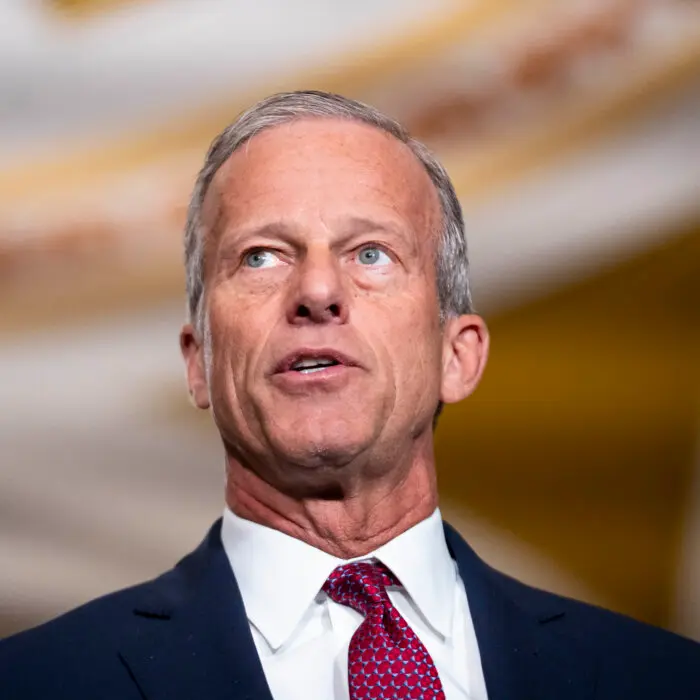
“It’s an important bill for this country and for our national security interests, and it’s something that I hope we can proceed with and ultimately pass, get across the finish line here in the next few days,” Thune said during a press conference on July 29.
If the Senate approves the bill, it is still not expected to be passed in the House until September at the earliest. The House started its recess on July 23, and lawmakers will not return for votes until Aug. 31.
The bill could face opposition from some House Democrats over the provisions granting the president power to impose tariffs. In a joint statement, Rep. Richard Neal (D-Mass.) said the bill was a “prescription for bedlam and higher tariffs.”