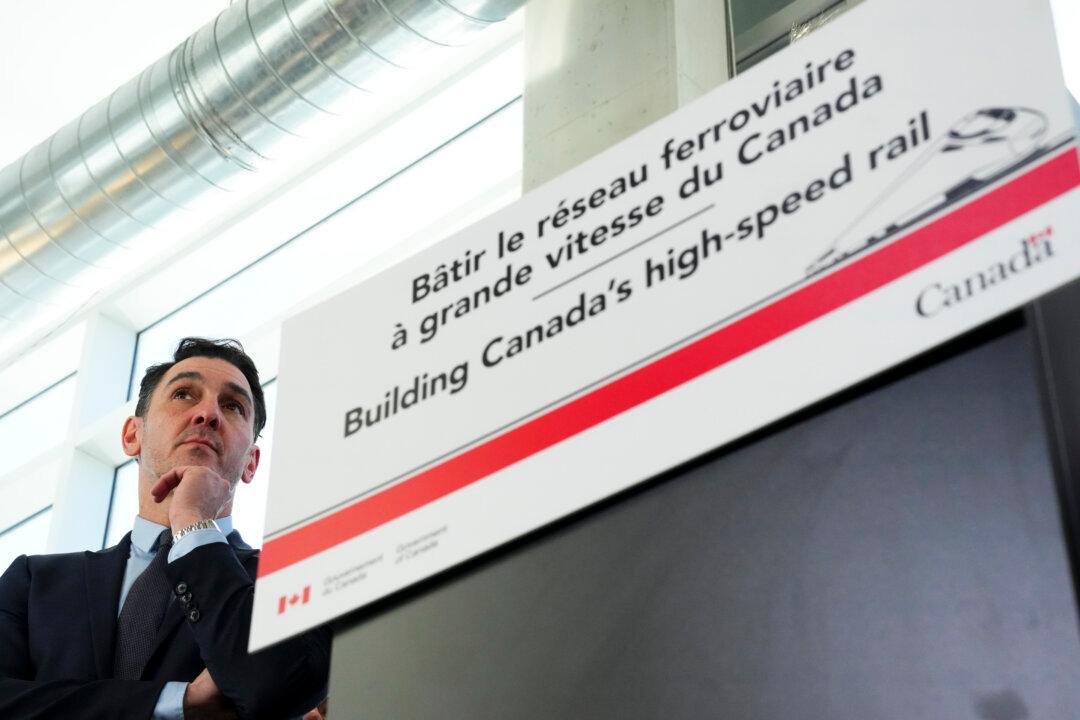
Ottawa is proposing legislative changes that would cap federal reviews of all major projects, including pipelines, to one year.
In addition, one of the recommendations calls for creating a regulatory system in which only one federal decision is needed for permits and approvals related to those projects.
“These discussion papers explore ways to make our regulatory system more efficient for all major projects, and also address a number of long-standing issues in the transportation sector that are slowing down Canadian investment, foreign investment into Canada, and act as a brake on our productivity and our competitive advantage,” LeBlanc told reporters.
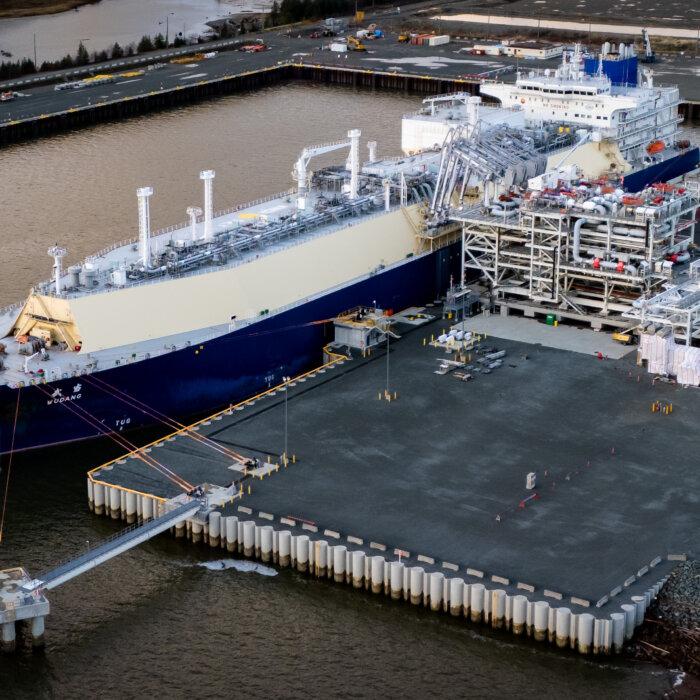
In a bid to strengthen investor confidence, the Carney government is proposing that certain projects, including pipelines and transmission lines, be reviewed exclusively by the Canada Energy Regulator and “no longer require a separate impact assessment” under the Impact Assessment Agency of Canada (IAAC).
As for nuclear and uranium projects, they would fall under the Canadian Nuclear Safety Commission but still require an impact assessment under the IAAC.
Another proposal involves establishing a “Crown Consultation Hub” within the IAAC, which would work with federal departments and agencies to ensure indigenous groups affected by a major project go through “one clear and coordinated consultation process for each project,” avoiding “consultation fatigue.”
The government is also seeking to grant some ministers more authority to override certain federal laws “that can make regulatory processes slow, repetitive, and less flexible.” One example would be authorizing LeBlanc, who also serves as minister of One Canadian Economy, to “adjust” environmental conditions for projects deemed to be of national interest, when needed.
‘No New Projects’
Ottawa’s latest proposals come nearly one year after its Bill C-5 was enacted last June. The legislation, known as the One Canadian Economy Act, was introduced and passed with the aim of speeding up approvals for major projects considered to be of national interest, and reducing interprovincial trade barriers.Responding to the Liberals’ May 8 announcement, Conservatives said the there are still no major projects built despite promises by the Liberal government.
The Conservatives say that instead of the government choosing which projects to fast-track or how to bypass certain regulations, it should instead remove legislation such as the Impact Assessment Act and the industrial carbon tax to allow the private sector to flourish and let the market itself determine which investments will succeed.
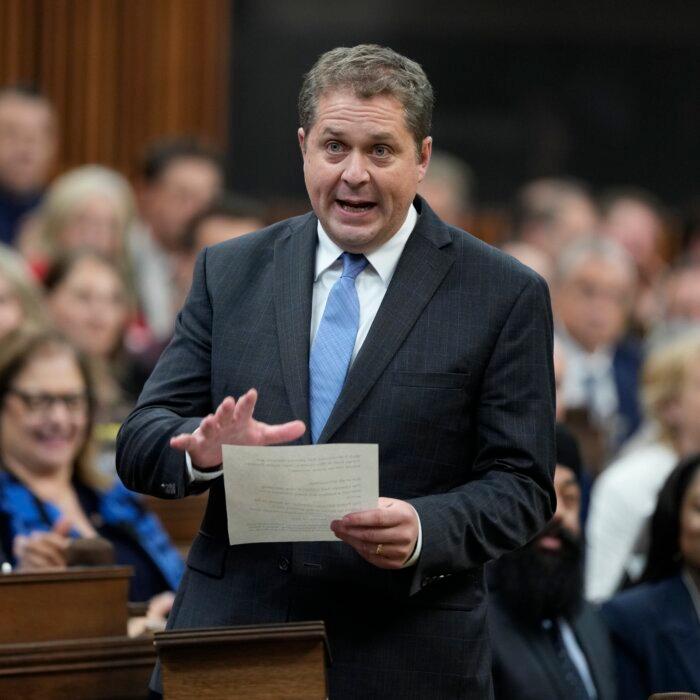
“Get this Liberal government out of the way and green-light projects now,” Poilievre said.
Meanwhile, the NDP accused the government of neglecting environmental regulations.
On May 7, the executive director of the International Energy Agency, Fatih Birol, met with federal Energy and Natural Resources Minister Tim Hodgson in Ottawa to discuss how Canada can contribute to reliable energy supplies.
The federal government’s May 8 announcement also included launching consultations on proposals to diversify Canada’s trade and attract new investments.
“What is holding them back has been very long regulatory approvals,” Macklem said. “The message is, ‘Look, if it takes five to 10 years to get regulatory approval, I’m not prepared to tie up my capital for that long.’”