New Zealand says it will look to join Australia and Fiji’s new defence pact following Beijing’s ballistic missile test in the region.
Prime Minister Christopher Luxon said on July 9 that he would engage both countries about joining the “Ocean of Peace Alliance.”
“We already work with both countries on how we can develop a safer region for all, so engaging with them on this alliance is logical.”
At present, Australia maintains mutual defence pacts only with New Zealand, the United States, and now the two Pacific nations.

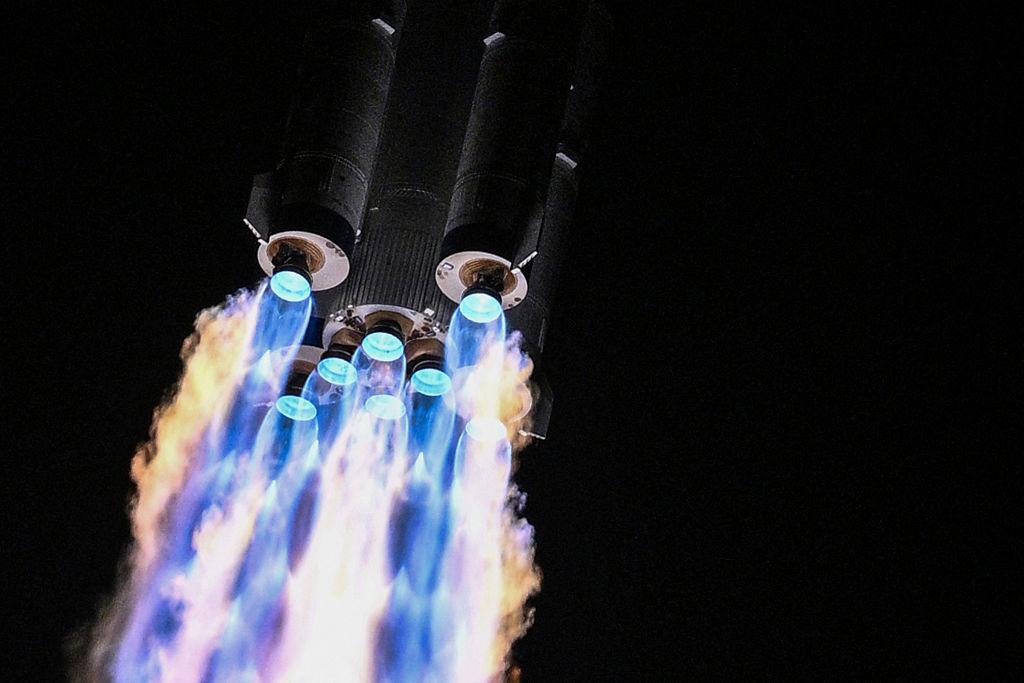
Yet just hours after the official signing, reports emerged that a People’s Liberation Army Navy submarine test-fired a nuclear-capable long-range intercontinental ballistic missile containing a dummy warhead about 6,300 kilometres across the Pacific.
The missile flew through the exclusive economic zones of the Philippines, the U.S. territories of Guam and Northern Mariana Islands, eventually landing south-east of Nauru.
The test drew condemnation from Pacific nations including the United States, Japan, Taiwan, Australia, and New Zealand.
Even newly-elected Solomon Islands Prime Minister Matthew Wale, who is chair of the Pacific Islands Forum, and was open to continuing Chinese investment in his country, said the launch was “not something a friend does” and that he would lodge a “strong protest.”
“In many ways the missile test is further evidence for the need for a regional platform so that the region can speak as one,” he said, alluding to a future South Pacific-wide defence pact.
“Not all the countries in the Pacific are not all on the same level of strength and may not want to speak up when things like this happen, but a regional platform will allow cover and allow for much greater sharing of intelligence and information.”
Canberra has also signed the Falepili Union with Tuvalu, which allows the population to resettle in Australia amid climate change and rising sea level concerns.