Social media platforms such as Facebook, Instagram and X should be required to expose the inner workings of their algorithms, according to digital rights groups.
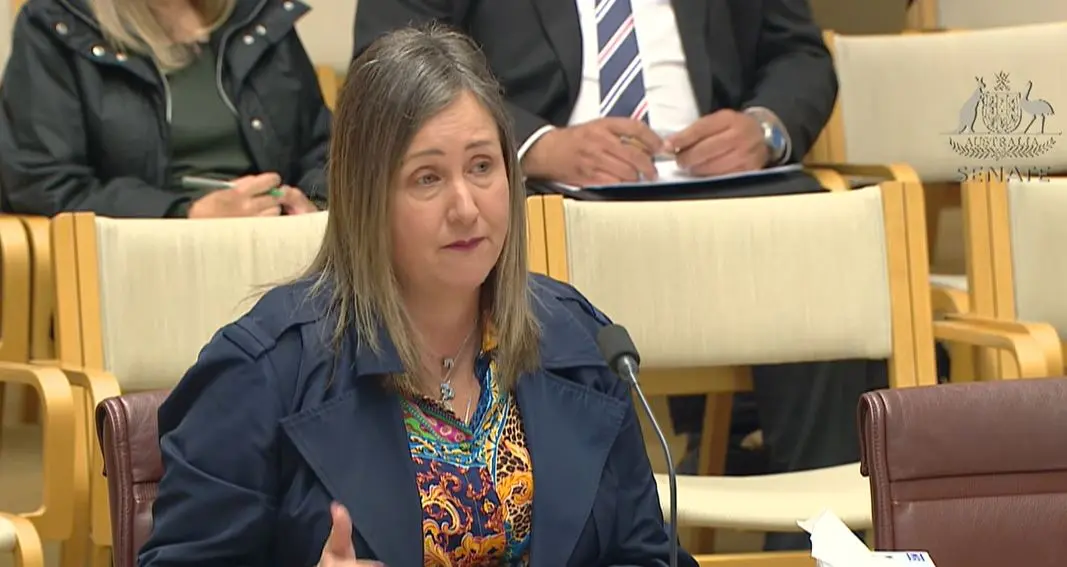
Australia’s Senate Committee on Environment and Communications Legislation is considering a new bill that doubles penalties for Big Tech firms that do not properly enforce the country’s under-16 social media ban.
The Online Safety Amendment (Strengthening Enforcement for the Social Media Minimum Age) Bill doubles the previous fines to $99 million (US$70 million), while expanding the eSafety Commissioner’s information-gathering powers.
But the director of the Free Speech Union (FSU), Reuben Kirkham, told the committee that the commissioner is “a regulator that you cannot trust,” and that any enforcement power should be wielded by the Australian Competition and Consumer Commission (ACCC).


The public should have the right to know how content is both promoted and suppressed, Kirkham said.
“We think that each platform should let all Australians see how content is being moderated, censored, or manipulated. This should not be exclusively known to the eSafety Commissioner.”
Digital Rights Watch Says More Clever Methods Needed
Digital Rights Watch (DRW), on the other hand, complimented the eSafety Commissioner for “keeping Australian children safe online,” but called the under-16s ban a “half-baked experimental legislation” that was rushed through Parliament without sufficient public consultation.
“We have not seen any compelling evidence that it has made any positive difference to young people’s well-being, but we have seen some evidence that it has caused harms to vulnerable children through increased call volumes to mental health helplines as well as individual stories,” the group’s Head of Policy Tom Sulston told the committee.
“We’re concerned that it doesn’t actually address any of the harms caused by social media companies and merely allows us to pretend that they’re not happening to children,” he said.
Sulston claimed the ban did not take into account how the internet actually works.
“[The internet] treats censorship—of which age-gating is a type—as damage, and it routes around it. We need to regulate social media more cleverly than a blunt age ban.”
The bill risked forcing social media companies into using “increasingly invasive” age verification technologies to meet their obligations, Sulston said.
For that reason, DRW recommended that new information-gathering powers also involve the Privacy Commissioner to ensure privacy is respected.
Call for Digital ‘Duty of Care’
Electronic Frontiers Australia’s (EFA) Chair John Pane said the ban was not the right instrument.
“The existing framework seeks to solve a vague and undefined risk by excluding users under 16 years of age from internet platforms, rather than addressing systemic design flaws inherent in commercial services that affect users of all levels and not just a few of them,” he said.
EFA wants to see age prohibitions repealed in favour of imposing statutory duties of care on tech companies.
This would include mandatory privacy and safety-by-default standards, restrictions on engagement-driven recommender systems, prohibitions on behavioural profiling and the minimisation of the “surveillance-based data extractive business model” which it says underpins the business model of social media platforms.
A range of companies are now implementing their own social media bans including the UK, France, Canada, Turkey, Indonesia, and Malaysia.