The drones may be small, but the security question they raise is not.
Australia recorded 147 drone-related breaches involving military facilities in 2024-25, prompting security experts to warn that repeated incursions could provide opportunities for foreign intelligence gathering.
Concerns emerged again following reports that drones repeatedly breached the restricted airspace of RAAF Base Williamtown in New South Wales (NSW) over three nights from July 11 to 13.
The site hosts most of Australia’s F-35A fleet, all six E-7A Wedgetail aircraft, and Hawk 127/PC-21 trainers.
A defence spokesperson confirmed to media outlets that the operator’s identity and purpose were unknown.
That incident was referred to the NSW Police Counter-UAS (Unmanned Aircraft System) Unit.
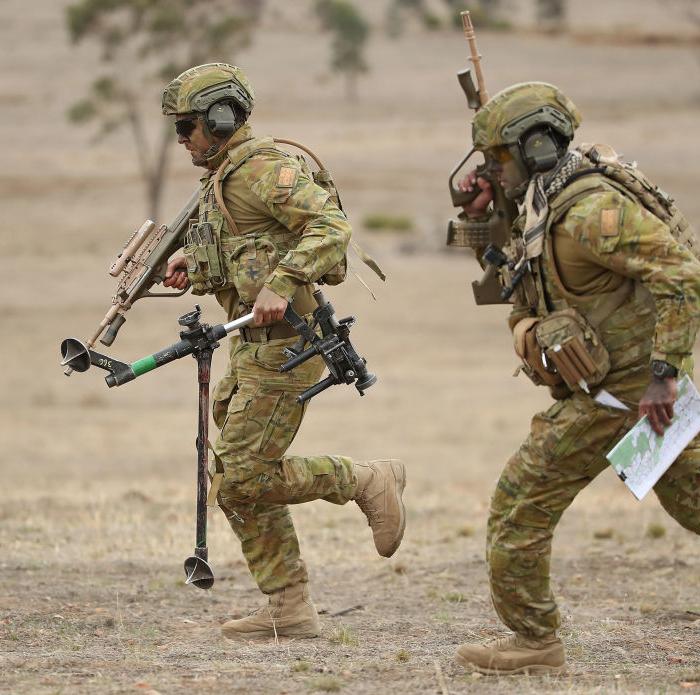
Response measures on the base reportedly included telling personnel to close window blinds.
But drone incursions over sensitive installations have been going on for years.
No Proof of CCP Backing … Yet: Former AFP Officer
That should have served as a warning, according to Paul Johnstone of the Institute of Asia-Pacific Security Studies.
The former Australian Federal Police (AFP) agent says the “frequency, persistence and potential intelligence value” of the incursions cannot be ignored.
“It would be dangerous to dismiss every unidentified drone as a recreational operator who has accidentally wandered into restricted airspace,” Johnstone told The Epoch Times.
He admits, however, that there’s presently no publicly disclosed evidence proving that the Chinese Communist Party (CCP), the People’s Liberation Army (PLA) or a Chinese intelligence service is responsible.
“We should therefore not declare China responsible without evidence,” he says. “But neither should Australia dismiss the foreign intelligence possibility.
“Military installations are obvious intelligence targets, particularly as Australia’s strategic importance within the Indo-Pacific increases.”
He says the most concerning aspect of the Williamstown incident is that the drones repeatedly entered restricted military airspace without being neutralised.
“Defence cannot protect billion-dollar aircraft and strategically critical installations while treating unidentified drones as merely an aviation compliance problem.
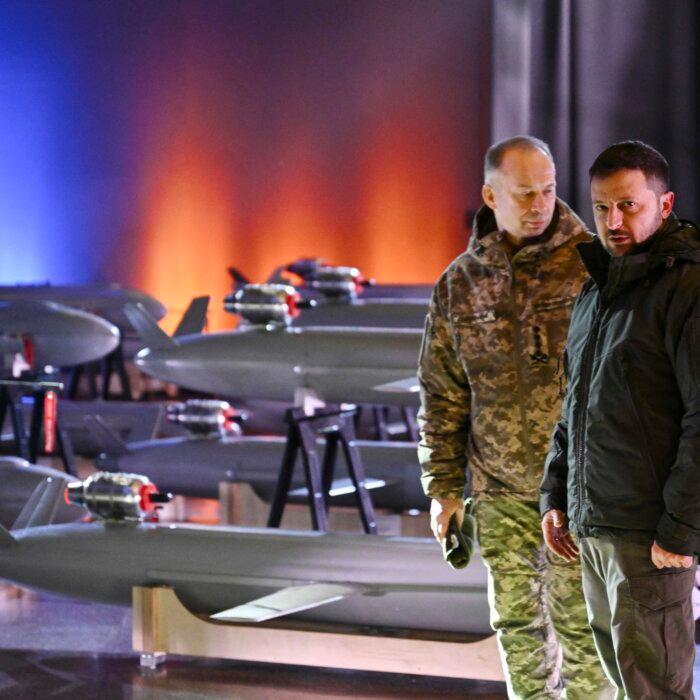
“The battlefield lessons from Ukraine and other recent conflicts are unmistakable. Small unmanned aircraft can conduct reconnaissance, identify targets, direct attacks and—in hostile circumstances—carry explosive payloads.”
Johnstone wants to see a comprehensive counter-intelligence investigation and layered counter-UAS capability across the country’s most important defence installations.
No More Sci-Fi Scenarios: Analyst
Michael Shoebridge, director of Strategic Analysis Australia, said that after the 2024 Garden Island incident “nothing has been done to protect even the most obvious places that are key to Australia’s defence in the years since.”
“Australia desperately needs to invest in counter-drone defences for our key military bases and to have at least some limited way to protect critical infrastructure from what are now current and real threats, not some type of remote sci-fi hypotheticals,” he told The Epoch Times.
“Unfortunately, the Australian military is a slow adopter and slow learner. Australia’s $60 billion annual defence budget is all tied up in big, slow projects. So we have a dangerous combination: a failure of imagination and a failure to act when it comes to protection against a now normal threat from even small drones.”
Shoebridge is the former deputy director of both the Australian Signals Directorate and the Defence Intelligence Organisation.
Counter-drone technologies include sensors and simple weapons like shotguns and interceptors.
“Australian companies can supply these, but the defence bureaucrats aren’t ordering from them.”
Shoebridge says he’s sought a full briefing from the government on the most recent incident.
“I want to see them step up. I want them to take action. I’m not encouraged by their talking points about ‘layered defence.’ I want real action right now on counter-UAS capability to defend our bases.”