Minister Promotes ‘Progressive Patriotism’ in Defence as Labor Moves to Rein in $29 Billion Cost Blow-Outs

The minister pointed to the red tape quagmire that had engulfed some projects.
Minister Promotes ‘Progressive Patriotism’ in Defence as Labor Moves to Rein in $29 Billion Cost Blow-Outs
Minister for Defence Industry Pat Conroy (R) speaks during a press conference in Melbourne, Australia on April 21, 2026. William West/AFP via Getty Images
|Updated:
0:00

Labor Minister Pat Conroy has spruiked the virtues of “progressive patriotism” in Australia’s defence policy.

His speech comes as the government restructures defence procurement amid ongoing cost blow-outs.

“Progressive patriotism recognises that our democracy, sovereignty, and way of life are worth [protecting] ... because our values demand that we determine our own future. We’re investing in our people, our institutions, our sovereignty,” the defence industry minister told the National Press Club in Canberra on July 2.

“It is where we fully embrace and celebrate what makes our country great: fairness, equality, social justice, democracy, and let’s not forget multiculturalism,” Conroy said.

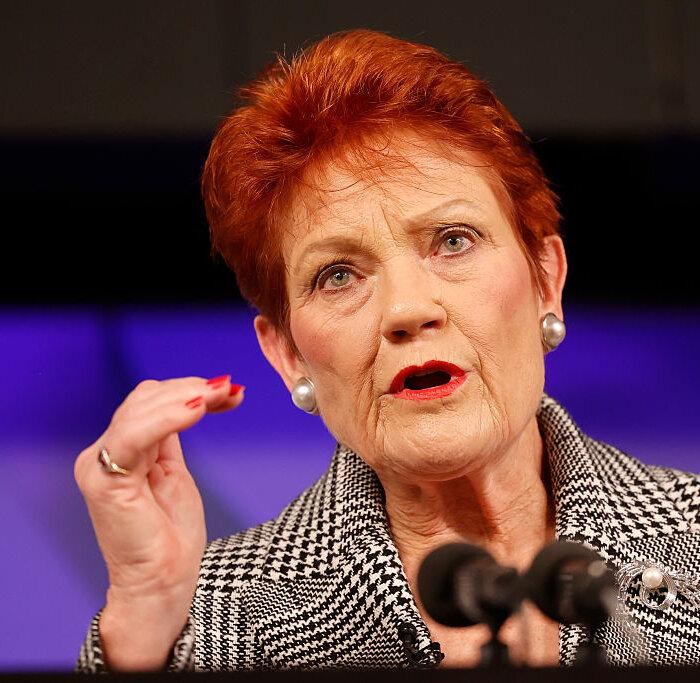
His comments come amid debate over One Nation leader Pauline Hanson’s call for a “monocultural” society.

Indeed, as the PM has often said: the vision is a country where no one is held back… and where no one is left behind.

Procurement Blowouts, New Agency Moves Ahead

Conroy also spoke of the government’s overhaul of procurement, which comes as Australian defence acquisitions become mired in more multi-million-dollar cost blowouts.
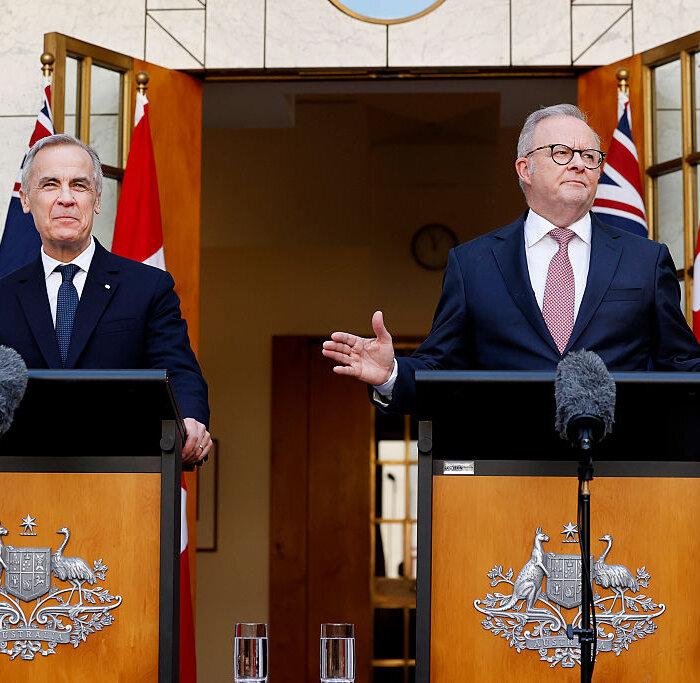
A day earlier, Labor had revealed the total average cost of defence purchases were up by 38 percent, or $29 billion.

The minister pointed to the red tape quagmire that had engulfed some projects, recalling his time working for then-Minister Greg Combet.

“I was looking at a project to upgrade the Adelaide-class frigates. In this project, Defence wrote capability requirements that breached the laws of physics. Defence then went to the market asking for those laws of physics to be broken, and ADI [Australian Defence Industries] breached the laws of physics, and then when the project inevitably fell apart.”

“Each then blamed the other for not being able to breach the laws of physics.”

Conroy then outlined the long approval process for some projects.

“An example that was given to me by a senior deputy secretary a few years back was that for certain decisions he needs 70 signatures. If you’ve got 70 people responsible for a decision, that means no one is responsible for that decision. That’s why we’ve got clear accountability [in the new structure]. We’re setting them up for success. They’re going to have their own budget line, so that they can run the agency [independently].”

Going forward, defence hardware purchasing will be handled by the Defence Delivery Group, which will then transition to an independent agency next year.

Conroy was also critical of the sale of ADI to Thales in 2006, saying it would not have happened under Labor.

“We'll be making sure that military off-the-shelf options are not discarded ... because changes kill budgets, changes kill schedule,” the minister pledged.
“We’re turning a very big ship around. The way defence was operating had become outdated and compromised for at least the last decade.”
Conroy said blamed the last government for committing $30 billion to defence procurement and sneakily” cutting $20 billion.

Opposition Says New Agency Could be Magnet for Blame

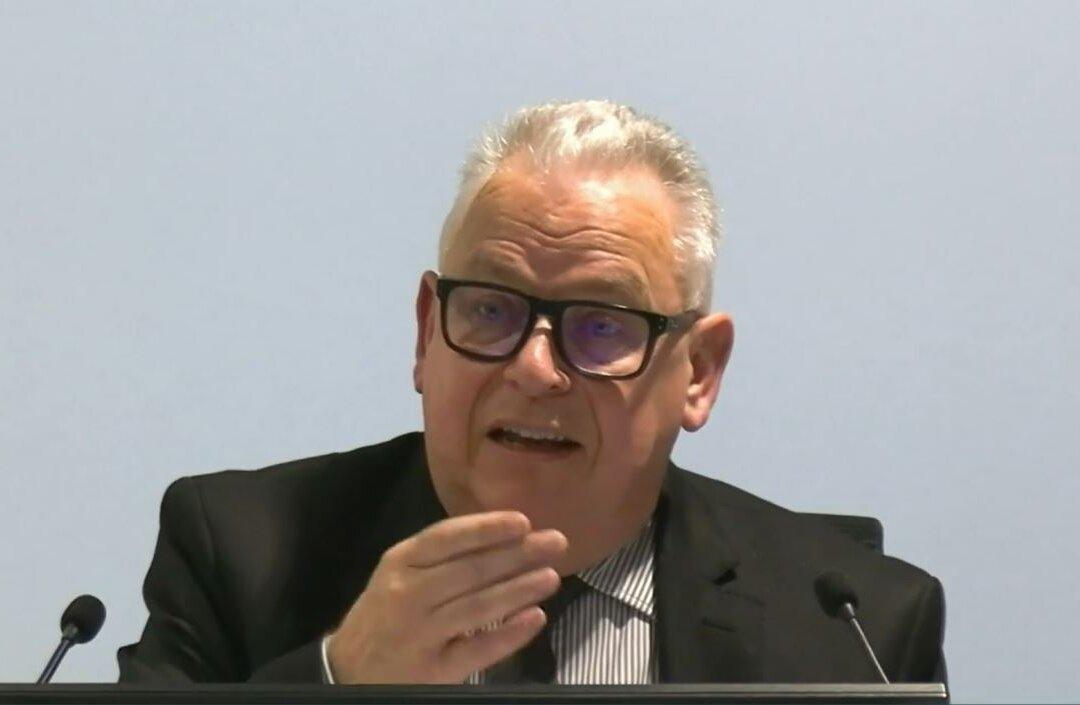
Opposition defence spokesperson James Paterson told radio 2CC said Conroy needed to take accountability, and that a new agency would simply take the blame for failures.
“He’s even gone to the extraordinary length of publicly attacking his own department, his own public servants and our men and women in uniform and saying they’ve been presiding over these delays, this indecision and these blowouts. Well the buck stops with you, buddy, and you’ve got to take responsibility,” Paterson said.

Paterson admitted that defence procurement needed “significant reform.”

“But that’s not something that we’ve just discovered this month or this year. That’s been something that’s been evident for a while.”
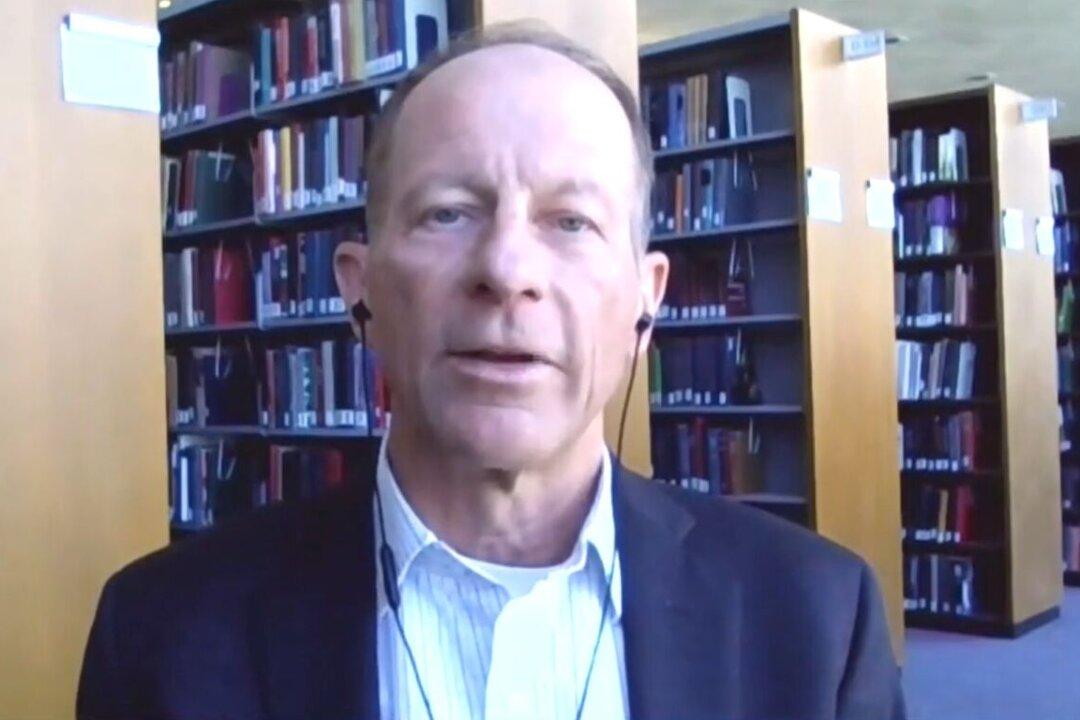
Last year the Institute of Public Affairs (IPA) warned that Australia was falling behind its allies in defence spending despite growing regional tensions and pressure from the Trump administration to spend more.
The government subsequently committed to spending around 3 percent of gross domestic product (GDP) by 2033, above the previous 2.3 percent target.
Google LogoMark Us Preferred on Google
Rex Widerstrom
Rex Widerstrom
Author
Rex Widerstrom is a New Zealand-based reporter with over 40 years of experience in media, including radio and print. He is currently a presenter for Hutt Radio.