A former leading US diplomat has warned that New Zealand its low defence spending risks straining its relationship with the United States.
David Stilwell, who served as US Assistant Secretary of State for East Asian and Pacific Affairs from 2019 to 2021 and as defence attaché in Beijing, said international relationships were ultimately based on “give and take.”
Stilwell said while he would not judge New Zealand’s defence policy, he disagreed with US Secretary of Defense Pete Hegseth’s description of the country as a “freeloader” after it set a target of 2 per cent of GDP for defence spending.
“What is a good amount of defence for New Zealand is up to New Zealand,” Stilwell told RNZ. “You’re not part of some sort of a NATO alliance.
“But I do think there’s a message that goes with how much you do contribute to your own defence.”
He warned that New Zealand could not expect the United States or Australia to “ride to the rescue” if the Chinese Navy conducted exercises in its waters or raided its fish stocks and exclusive economic zones (EEZs) without New Zealand having adequate naval or coast guard capability.
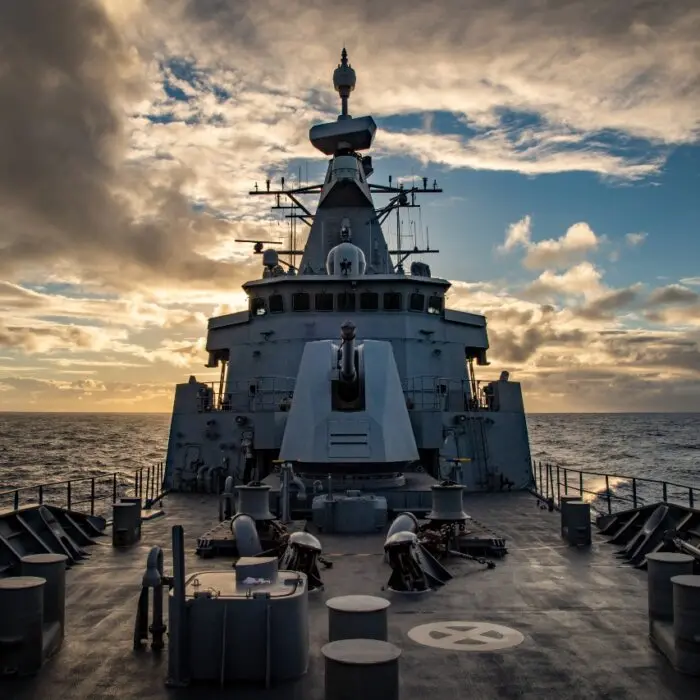
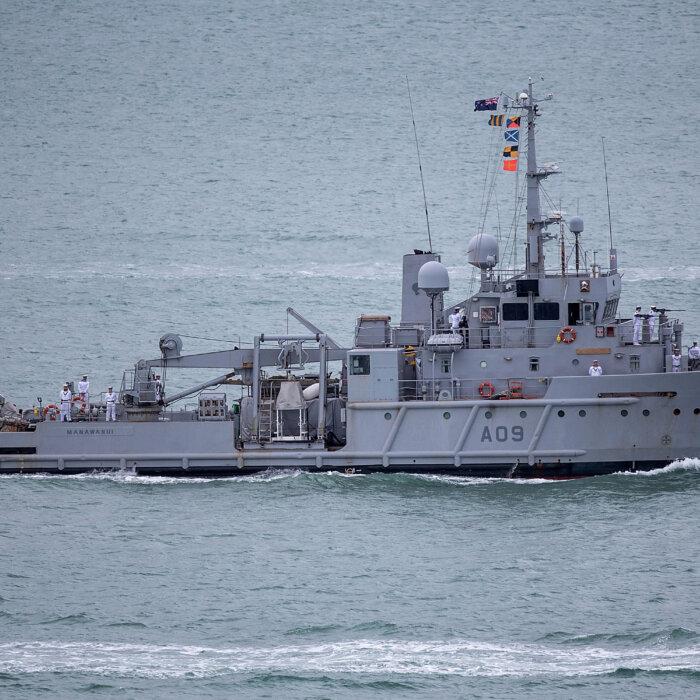
He argued that allies and partners needed to do more to confront common threats rather than expect the U.S. to “fix it.”
He also called for a broader rethink of how Western nations view conflict, noting that adversaries such as China see war as encompassing political, economic, and information domains rather than purely kinetic military action.
“How the People’s Republic of China looks at war is political, it’s economic, information—it’s all those other things intended to bend the adversary to your will, intended to stop New Zealand from supporting issues that Russia, Iran, and China don’t like,” he said.Anti-Nuclear Policy
New Zealand has maintained an anti-nuclear stance since the 1980s, which prevents nuclear-powered vessels from visiting its ports.Stilwell noted that America’s nuclear-powered vessels are capable of producing large amounts of electricity and resh water for disaster recovery, as they did after the 2004 Indian Ocean tsunami.
“If there were a major problem in New Zealand, if you needed that capability ... would that change your mind?” Stilwell asked.
The spending is directed toward priority projects in the Defence Capability Plan and comes amid rising tensions in the Indo-Pacific, including Chinese live-fire naval drills in waters between Australia and New Zealand.