Prime Minister Mark Carney was in China this week and heaped praise on its leadership as his government seeks to deepen cooperation with Beijing.
Carney’s push in China is part of his broader strategy to boost Canada’s non-U.S. export and attract more investments at home.
Reaching a Deal
Ahead of the trip, Canadian officials had kept their cards close on the prospects that Carney’s visit to China could lead to a resolution of existing trade issues.Canada in 2024 imposed tariffs on Chinese electric vehicles (EVs), steel, and aluminum, following in the footsteps of the United States. China retaliated in March 2025 by targeting Canadian agricultural and seafood products.
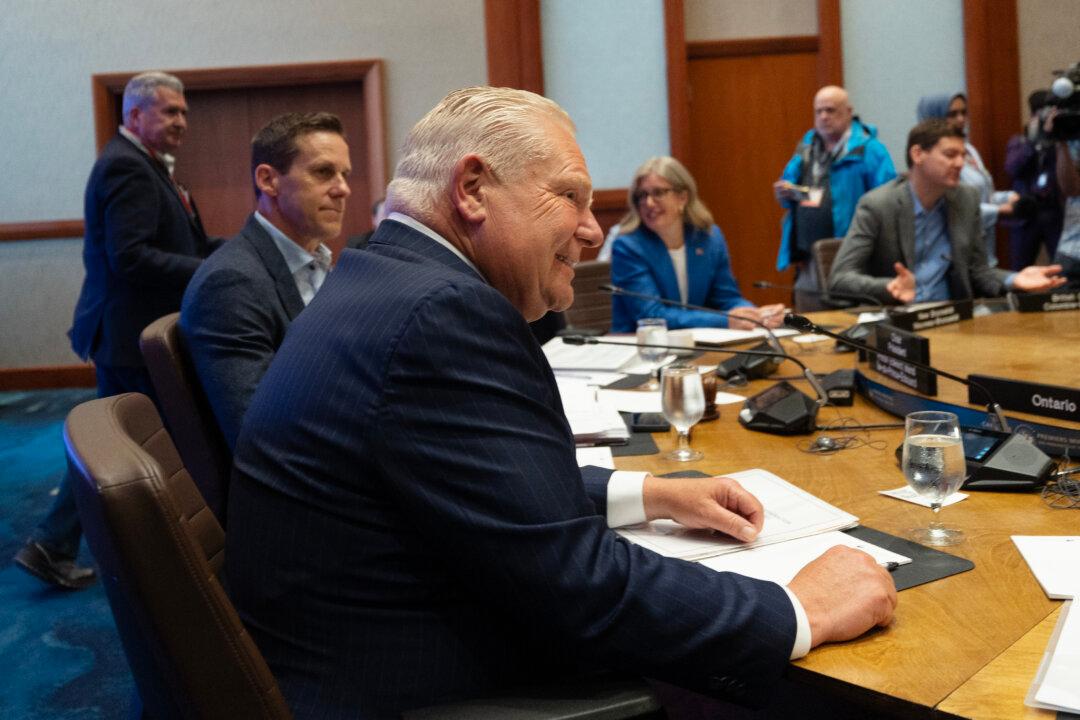
Liberal MP Kody Blois, parliamentary secretary to Carney, said before the visit that Chinese tariffs are “important to Canadian stakeholders, but at the same time, the prime minister believes that there’s an opportunity to look bigger and longer term about where the partnership is going.”

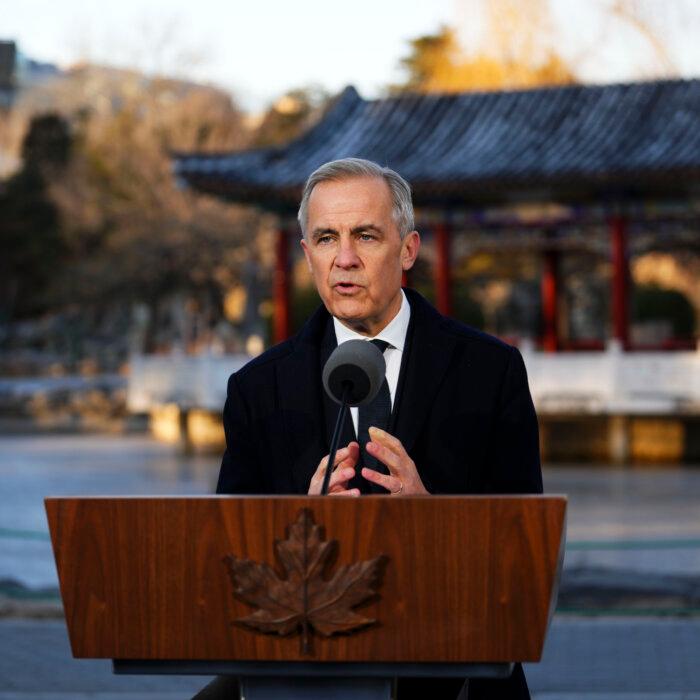
Some of the trade issues were dealt with during the visit, with Canada agreeing to slash tariffs on Chinese EVs, which are currently set at a rate of 100 percent.
Ottawa is establishing a tariff-rate quota for up to 49,000 Chinese EVs to enter the Canadian market at the “most-favoured nation” rate of 6.1 percent. Carney said the number of EVs would reach 70,000 in five years, which he said he still considers a “small piece” of the Canadian autos market.
Carney also said he expects Chinese car companies to invest and set up shop in Canada within three years, but no specific details were released in this regard.
As part of the deal, the Prime Minister’s Office said it expects China to lower tariffs on canola seeds, from about 85 percent to 15 percent “until at least the end of this year.” Tariffs on other agricultural and seafood products will also be cut for at least one year, the PMO said.
Other agreements on energy, public safety, and finance were also signed during the visit.
Changing Tune
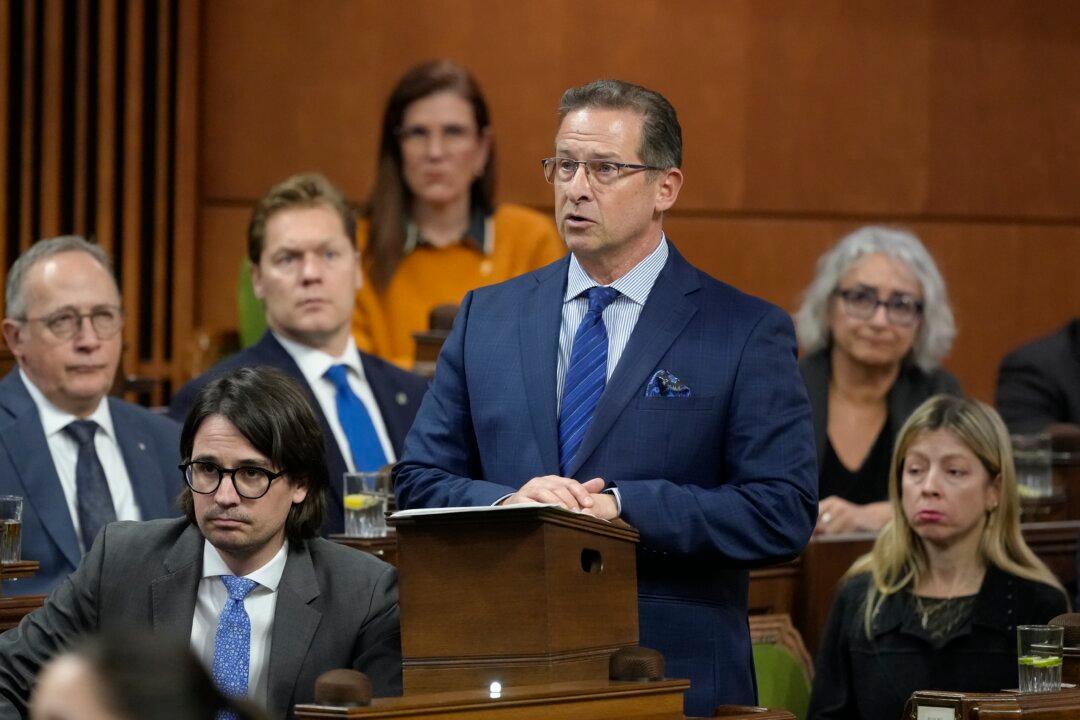
Poilievre also criticized Carney for changing his tune on China. He remarked on how Carney during the election campaign had called China the “biggest security threat” facing Canada, whereas in China he declared a “new strategic partnership” with Beijing.Carney is usually diplomatic and it was unlikely for him to publicly criticize Beijing during an official visit.
But on some aspects he went further than some of his ministers on highlighting how much Canada’s policy on China has changed since the previous government under Justin Trudeau. This is something he didn’t necessarily have to do at that very time.
When Industry Minister Mélanie Joly and Foreign Affairs Minister Anita Anand—two Trudeau government holdouts—were asked by reporters whether they still consider China a “disruptive” power, they both skirted around the issue.
Canada’s Indo-Pacific Strategy of 2022, overseen by Joly at the time when she was foreign affairs minister, calls China an “increasingly disruptive power.”
Pressed on the issue, Carney told reporters that declaring China as a “disruptive” power is “not his objective.” He added that he “wasn’t part of the government” when that determination was made. “I wasn’t there. It wasn’t my opinion,” he said.
One comment that the Conservatives heavily criticized was when Carney told Chinese Premier Li Qiang that the progress made in the “partnership” with China “sets us up well for the new world order.”
Carney also told reporters that he considers the relationship with China more predictable than the one with the United States. He said the relationship with the United States is broader, but “in terms of the way that our relationship has progressed in recent months with China, it is more predictable, and you see results coming from that.”
As Trump makes a push about the U.S. need to acquire Greenland, a northern territory belonging to Denmark, Carney said he found “much alignment of views” with Xi Jinping on the issue.
Human Rights
Before Carney’s trip to China, various Canadian human rights groups had called on him not to abandon human rights issues in order to pursue better ties with Beijing.Asked by reporters where these issues fit as Canada seeks to diversify its markets, Carney said engagement is calibrated “depending on our values and our interests, so that engagement is more narrow when there are those issues.”