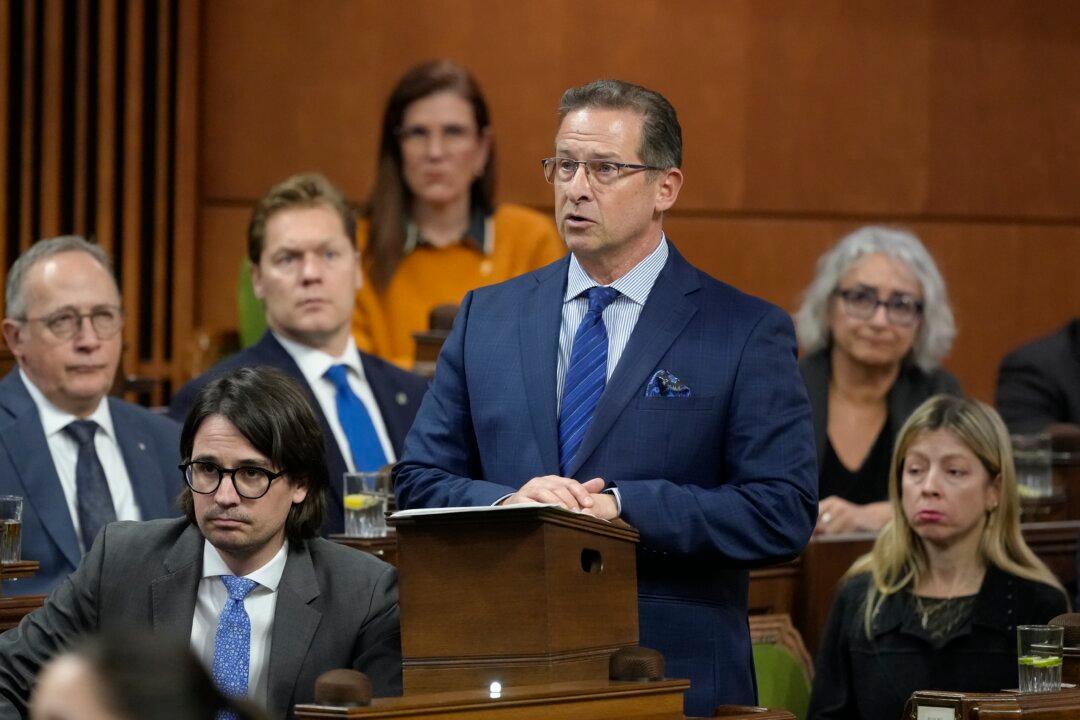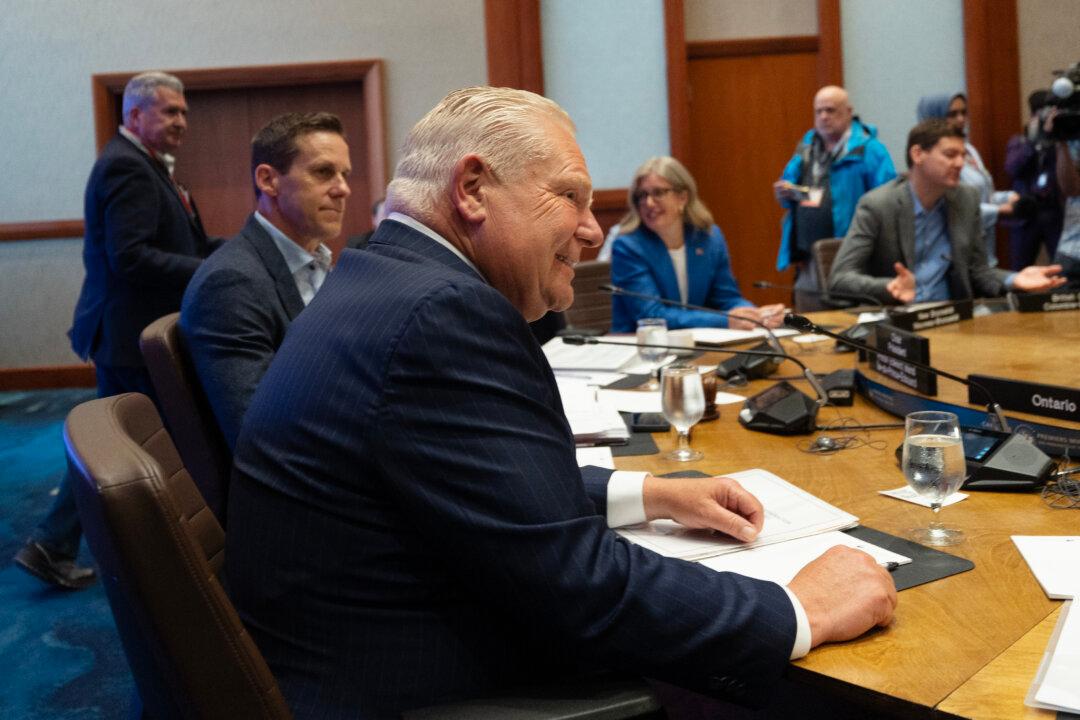
The Trump administration has had a significant global impact, particularly in disrupting the status quo in international trade. But its northern neighbour—with whom the United States shares deep economic and historical ties—has experienced transformative changes on multiple fronts as a result of Trump’s presidency, including shifts in domestic policy.
It is something Prime Minister Mark Carney has recognized, calling Trump “transformational” when the two met at the White House in early May.
During the term of former President Joe Biden, border security and combatting fentanyl were not high on the agenda in Ottawa. Talk of slashing regulations to boost the economy was the purview of the Conservative Opposition and not government, and reaching NATO’s defence spending guideline was a goal set for 2032.
Much of this changed after Trump won the presidential election on Nov. 5, 2024, starting with the threat of tariffs related to border issues. Since then, it’s been a continuing saga, from Trump’s declarations about wanting to see Canada become the 51st U.S. state to the back and forth on trade.
Dropping DST
In other cases, Ottawa has been essentially compelled into overturning policies it was defending only a short while ago. The latest example is the decision to abolish the Digital Services Tax (DST) on June 29, two days after Trump said he was cancelling all trade talks with Canada over the issue.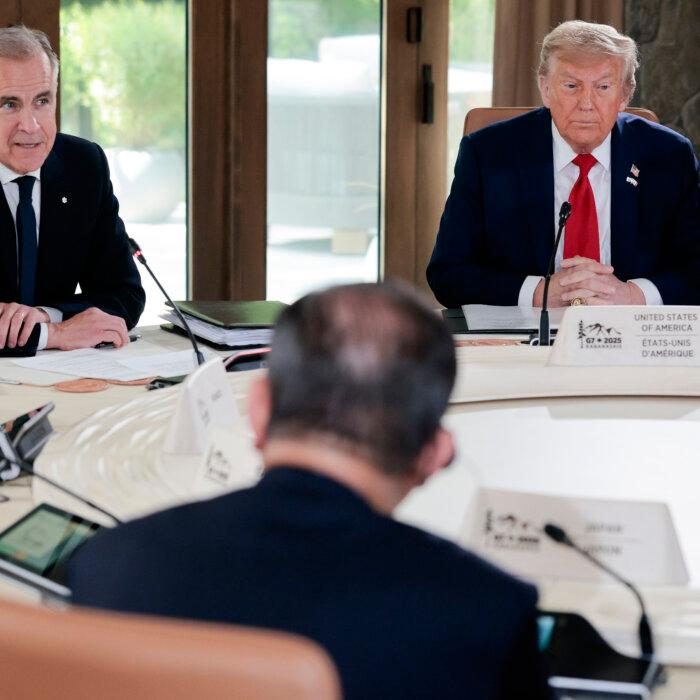
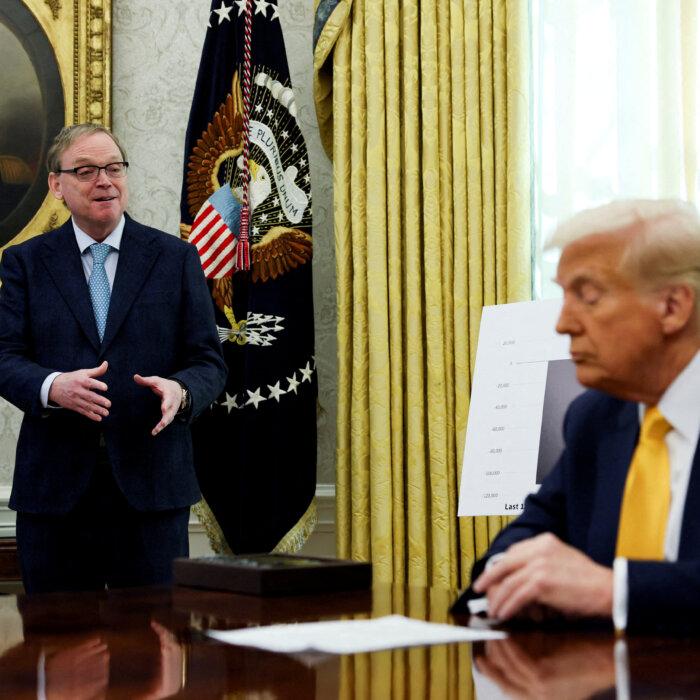
The DST, which applies to foreign and domestic businesses earning online revenues from services offered to Canadians like marketplaces and social media, came into force last year and applied retroactively to 2022. The payment deadline was June 30 of this year.
Border Protection, Drugs Enforcement
Carney and Trump have been holding direct talks on trade, with the objective of reaching a deal by July 21. Since Trump took office in January, Canada has faced multiple sets of U.S. tariffs on metals and automobiles, some carrying free trade exemptions.Canada and Mexico have been specifically targeted by tariffs related to Trump’s concerns about border security around drug trafficking and illegal immigration.
Trump’s threat of tariffs in late November 2024 was his first act to kick Ottawa into high gear and bring changes to its security architecture.
Hoping to avoid the punitive tariffs, the Liberal government produced a $1.3 billion border plan, promising increased surveillance and enforcement along the world’s longest non-militarized boundary.

Yet the measures were still not enough to persuade Trump to pull back on the tariffs, which are said to be related to border security concerns.
The omnibus bill would amend multiple acts of Parliament to counter drug trafficking and tighten immigration rules, including making it easier to add precursor chemicals used in narcotics manufacturing to the controlled substance list. The bill would also make it harder to claim asylum in Canada.
It’s unlikely that Ottawa would have gone ahead with such moves had a Democrat been in the White House. The Biden administration did not prioritize border enforcement, nor did it widely use tariffs as a tool of foreign policy.
Upping Defence
One area where Ottawa was being pressured before Trump’s second term is defence spending. Former Prime Minister Justin Trudeau arrived at the NATO Summit in Washington last year with no stated plan for reaching the military alliance’s defence spending guideline of 2 percent of GDP.Then came Trump. The president had long criticized NATO allies who did not meet the spending target. After he took office, NATO members responded by committing to increase spending to meet the alliance’s 2 percent target, including lower spenders like Belgium and Portugal.
On June 9, Carney committed to meeting the 2 percent benchmark by the end of March 2026. The announcement came days before Canada hosted world leaders in Alberta for the G7 Summit, and before the NATO Summit in The Hague in late June. There, Canada and its allies agreed to increase defence spending to 5 percent of GDP by 2035.
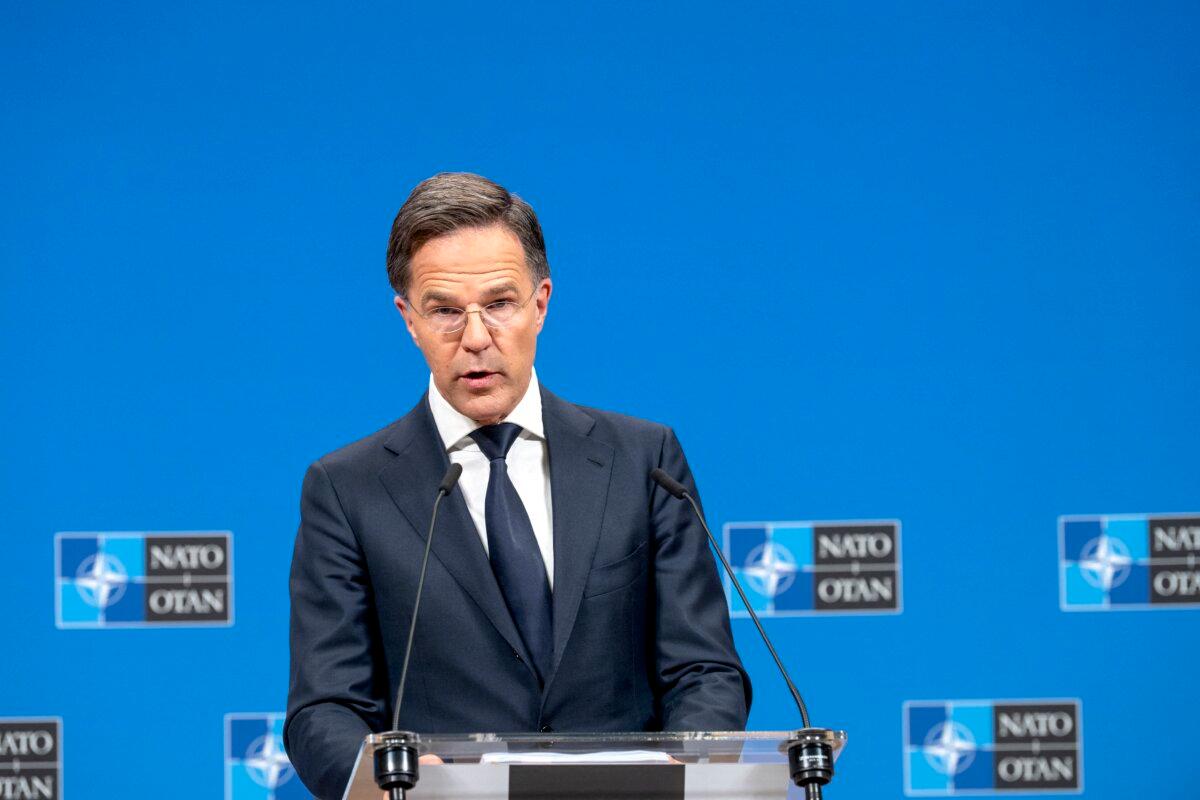
NATO Secretary-General Mark Rutte attributed the increased spending commitments to Trump’s influence.
Carney said meeting the new 5 percent target is not about pleasing NATO but rather defending Canadians and the country’s sovereignty.
The increased spending makes defence one of the largest items in the federal budget. The Parliamentary Budget Officer estimates defence spending will exceed $62 billion in 2025–26. Health transfers to the provinces are projected at $54.7 billion over the same period.
Some of Canada’s new defence spending could eventually be geared toward joining Trump’s plan for a “Golden Dome,” a new air defence system to protect against sophisticated missile threats. Ottawa has been in discussion with Washington on the issue.

Internal Trade Barriers, Economy, and Election
Carney ran an election campaign mainly focused on standing up to the Trump administration, with the Liberals presenting Carney as the best candidate with the relevant experience to handle the “crisis.”A combination of the unpopularity of the Trudeau government—which led to his caucus seeking his ouster—declining economic indicators, and the new U.S. administration led to the Liberals campaigning on several policies that went against what the Trudeau Liberals had championed for years.
The result has been a change in Canada’s course, particularly from the likelihood in late 2024 that the Conservatives would sail to victory, according to months of favourable polling.
The Liberals and Conservatives fought a campaign based on who would better respond to Trump, with both parties committing to growing Canada’s economy, whether by removing internal trade barriers, finding new export markets, or speeding up launching major projects by cutting red tape.
Before the House of Commons went on summer break, the Liberal government managed to pass promised tax cuts along with Bill C-5, removing federal barriers to interprovincial trade.
The legislation also speeds up development of major projects deemed to be in the national interest. While these have yet to be chosen, some of the propositions on the table could have major economic impact for Canada. It remains to be seen whether they will include new pipelines, but had Trump not been there, the urgency to reduce Canada’s dependency on the United States for its oil trade would not likely have become an issue for national debate.