Prime Minister Mark Carney said progress is being made in efforts to reach a trade deal with the United States, hours after his government said it will abandon its Digital Services Tax following U.S. President Donald Trump’s declaration that talks would end over the tax.
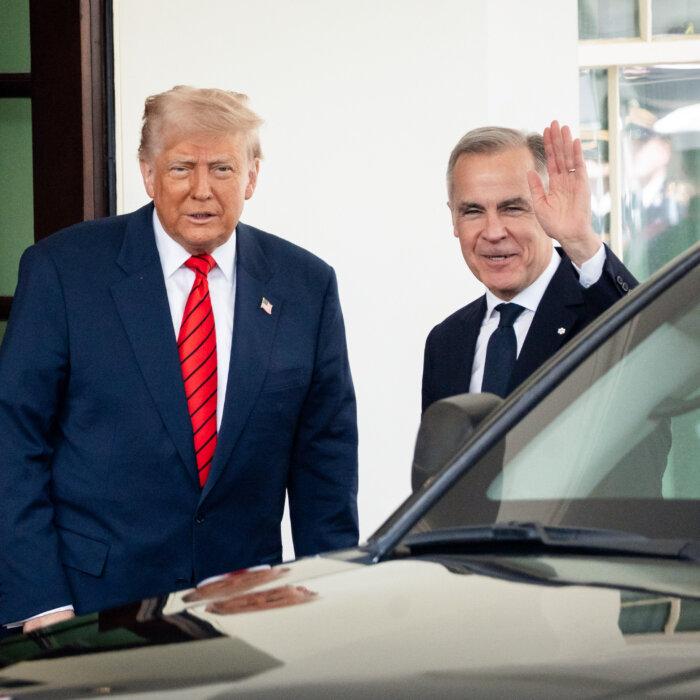
Carney briefly spoke to reporters on June 30 as he was heading to a meeting on Parliament Hill. He said he had a “good conversation” with Trump the day prior and the two agreed to restart negotiations.
“It’s something that we expected, in the broader sense, that would be part of a final deal,” he said. “We’re making progress towards a final deal. There’s more to be done, to be clear.”
The prime minister attributed the sequence of events to a question of “timing,” given the date set for coming to an agreement and the date when the DST would start having an impact.
“It doesn’t make sense to collect tax from people and then remit them back, so it provides some certainty,” Carney said.
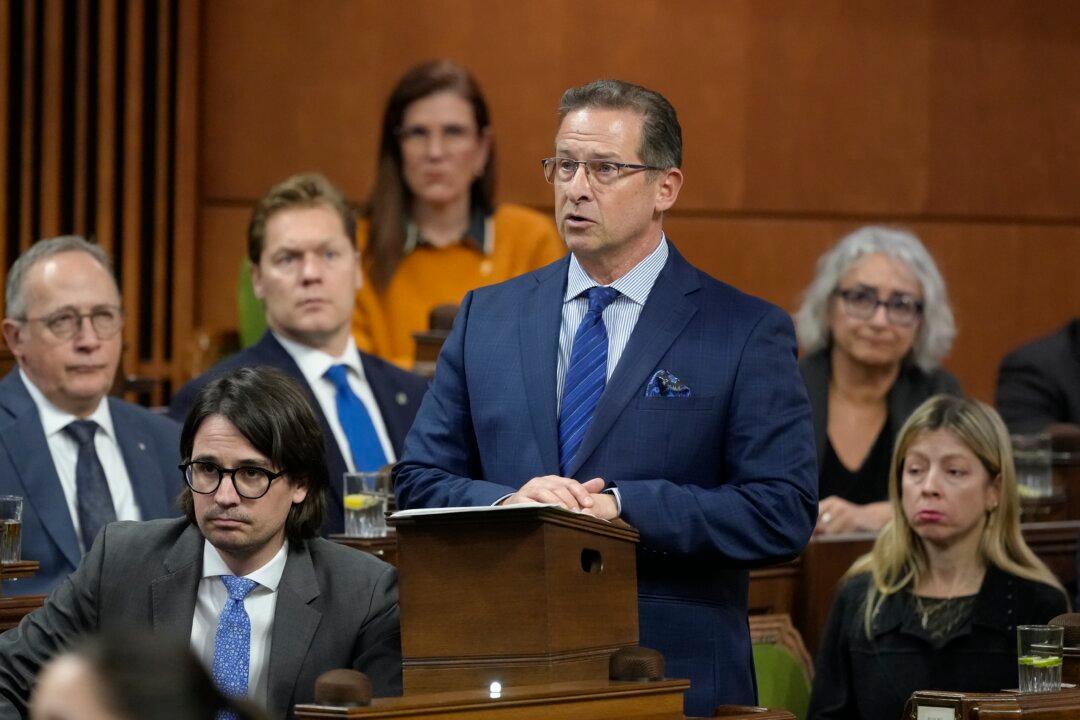
His government had up until recently defended the tax. “This was voted by Parliament, so we’re going ahead with the DST,” Finance Minister François-Philippe Champagne said on June 19 when asked whether it could be paused given it’s a trade irritant for the United States.
When Trump announced on June 27 he was terminating trade talks with Canada over the DST, he called the tax a “direct and blatant” attack on his country.
White House press secretary Karoline Leavitt told reporters on June 30 that Canada dropping its DST is a “big victory for our tech companies and our American workers here at home.” She also said Carney had “caved” to Trump, who “knows how to negotiate.”
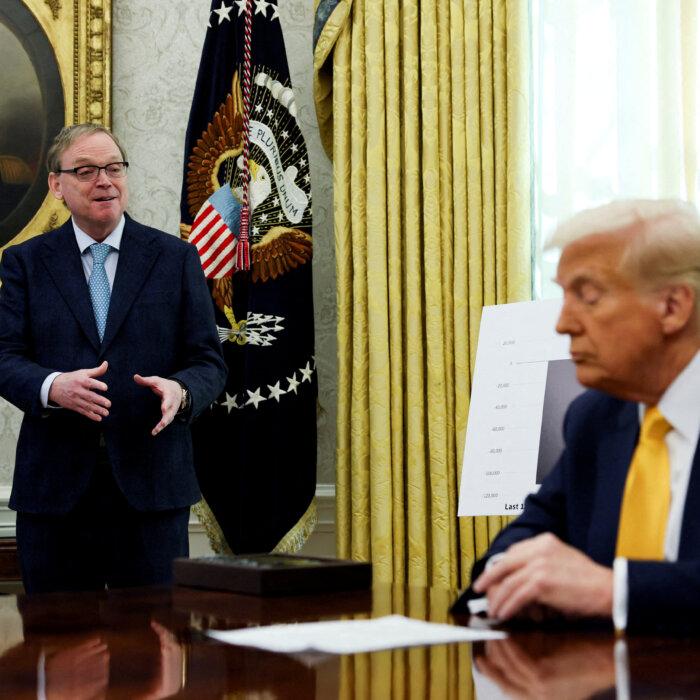
Meanwhile, U.S. Commerce Secretary Howard Lutnick thanked Canada for removing the DST, calling it a “deal breaker.”
Champagne said rescinding the DST will allow negotiations on a “new economic and security relationship” with the United States to make “vital progress.”
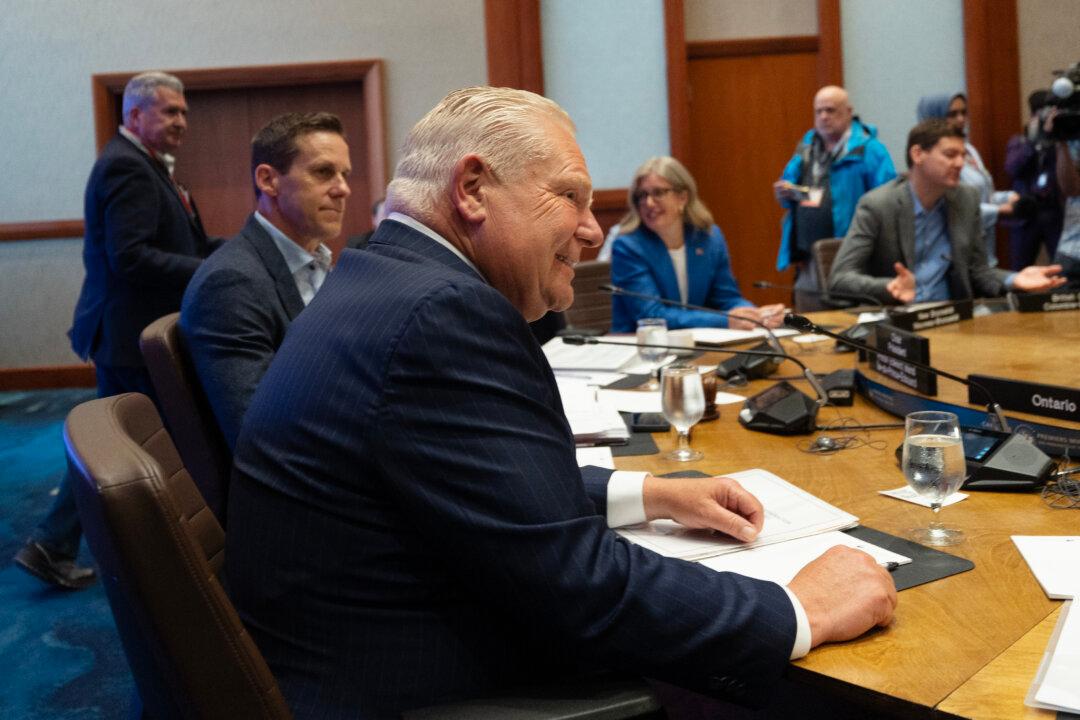
Trump has slapped three different sets of tariffs on Canada since taking office, with some having free-trade exemptions.
Along with the universal U.S. tariffs on steel and aluminum and U.S. levies on the auto sector, Canada faces duties related to Trump’s border security and drug trafficking concerns. Ottawa has sought to assuage those concerns with a $1.3 billion border plan and the Strong Borders Act currently being reviewed in the House of Commons.