Danish Prime Minister Mette Frederiksen’s future was uncertain on March 25 after her party lost ground in a snap election held the previous day.
The vote returned an inconclusive result: All three parties in the coalition government, including Frederiksen’s Social Democrats, the Venstre (Liberal Party), and the Moderates, had fewer seats than before.
Both the left-leaning and right-leaning blocs were left without a majority in the Folketing (Danish parliament), leaving current foreign minister and leader of the Moderates, Lars Lokke Rasmussen, in a possible kingmaker role.
Rasmussen’s party holds 14 of the 179 seats in the Folketing, giving him the opportunity to determine whether Frederiksen serves a third term or is ousted.
Frederiksen has said that she is ready to stay on as prime minister, despite her party suffering its worst election result since 1903.
“We have held responsibility for almost seven years now. Of course, I’m disappointed that we are losing ground, but I think this is OK,” she said on the steps of Christiansborg Palace in Copenhagen, Denmark, in the early hours of March 25, according to Danish news website Netavisen Pio.
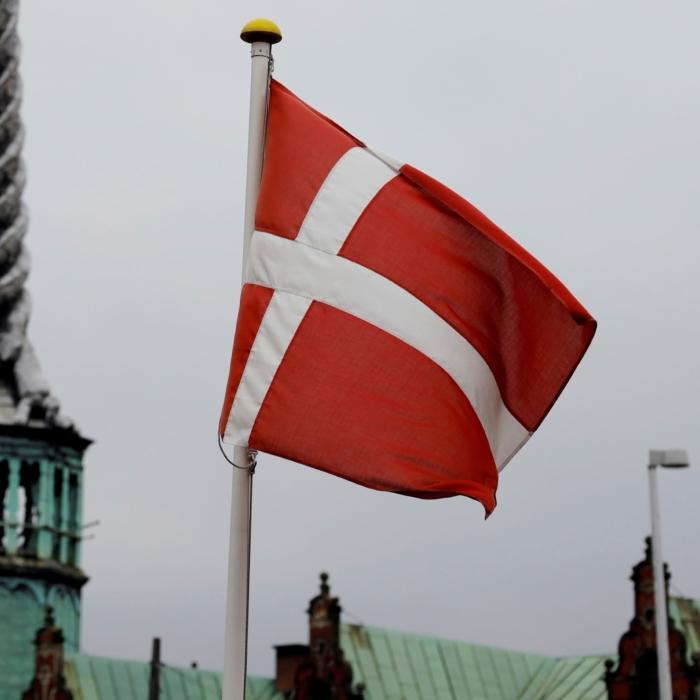

Frederiksen noted that the Social Democrats were still the most favoured party in Denmark, despite their loss of seats.
“We are reaching for responsibility, even when it comes at a price. And I am still ready to be prime minister in a new term of government,” she said.
“At the same time, there is not much to suggest that it will be easy to form a new government. We must bend toward one another, and we will have to make compromises. But make no mistake, we will fight to get as much Social Democratic policy through as possible.”
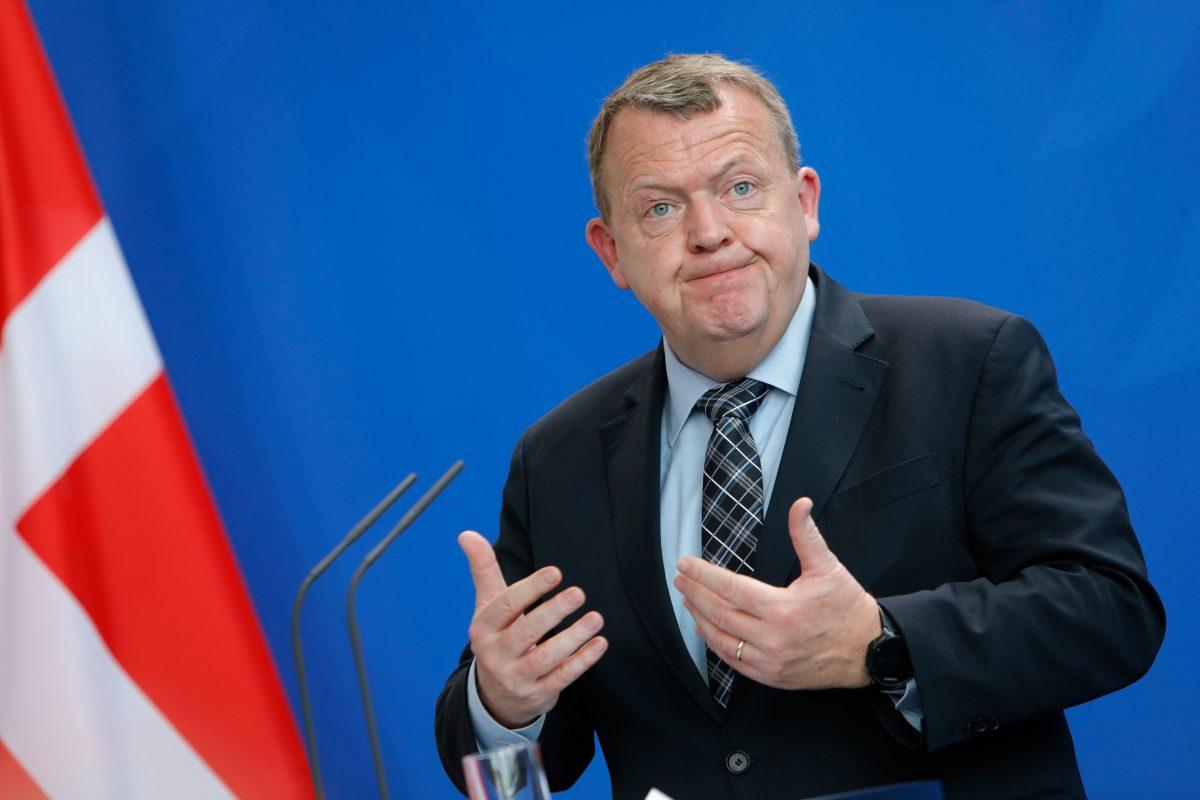
Rasmussen, a former prime minister, called on the left and right to climb down from some of the positions they staked out in the campaign, urging them to “come and play with us.”
“[Denmark] is a small country of 6 million people in a world of 8 billion, which is in upheaval—and there is war in Iran, and there is war in Ukraine,” he said. “We are one tribe. We must come together. We must not be divided.”
Danish Defense Minister Troels Lund Poulsen, the best-placed center-right challenger to Frederiksen, made clear that he and his Venstre party don’t intend to return to government with the Social Democrats.
Lund Poulsen said that he now sees “two obvious options,” according to DR, Denmark’s national public service broadcaster.
“We get a blue centrist government. Or that we go into opposition, where of course we will seek influence,” he said.
“Blue” in the context of Danish politics refers to the bloc of right-wing parties, while “red” refers to the left-wing bloc, which includes the Social Democrats.
Frederiksen’s government before the election was the first in decades to straddle the blue-red divide.
The Social Democrats remained the biggest single party by some distance, but with 21.9 percent of the vote, well below the 27.5 percent they took in the 2022 election.
Lund Poulsen’s Venstre party remained the largest right-of-center party, despite suffering its worst-ever result, gaining 10.1 percent of the vote.
Anti-immigration Danish People’s Party, led by Morten Messerschmidt, surged to 9.1 percent with all votes counted, according to DR, up by nearly 7 percentage points from the last election.
Messerschmidt had campaigned on a pledge to ensure zero net migration of Muslims and to abolish petrol taxes to ease living costs.
“The fact that the Danish People’s Party has now tripled its support clearly shows that Danes are fed up with this and that there are a great many people who want a different direction for Denmark,” Messerschmidt said after the exit polls were published.
After seats have been allocated, the selection of a prime minister begins through the “King’s Round,” during which each political party advises the head of state, King Frederik, on their preferred choice to lead the government.
Based on this, the monarch appoints an individual to form a government or to lead negotiations toward selecting a prime minister. Once the statsminister (prime minister) and other ministers have agreed, the king formally appoints the government.
Ninety seats are required to form a majority government, but this is often not achieved because of the country’s proportional representation system and the number of parties.
Denmark often forms minority cabinets, with the ruling party or parties forced to secure backing from opposition parties. This process is currently underway.