Australian Prime Minister Anthony Albanese, on June 26, vowed to beef up the country’s laws banning social media for under-16s, after several studies showed the prohibition was having little effect.
“What we want to do is to make sure that the laws are as strong as possible and that they will withstand any legal challenges which are made,” Albanese told the Australian Broadcasting Corporation (ABC).
“These are not uncontroversial,” he said, but added that “they’re not controversial amongst the Australian public and amongst parents because they know that this is a world-leading ban.”
Canberra was the first capital city to introduce a prohibition on teenagers using social media, which came into force in December 2025, a move Albanese says has been “mirrored in 16 nations.”
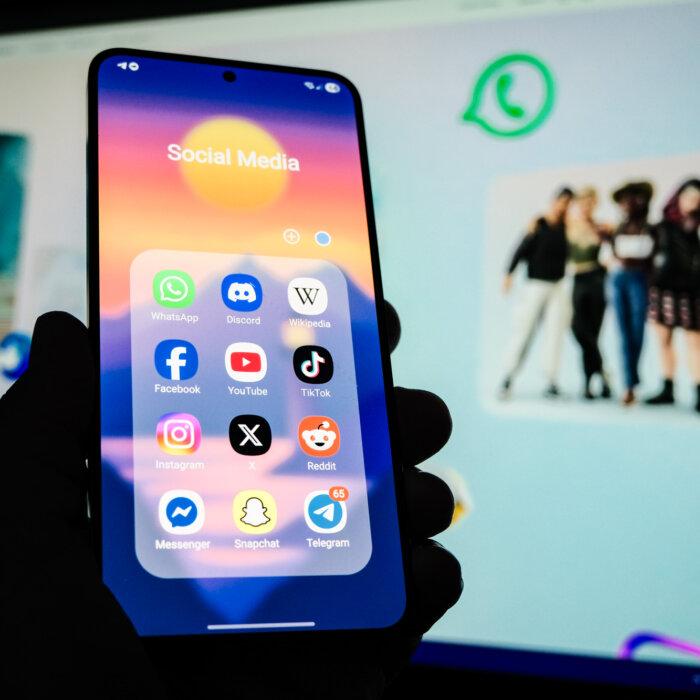
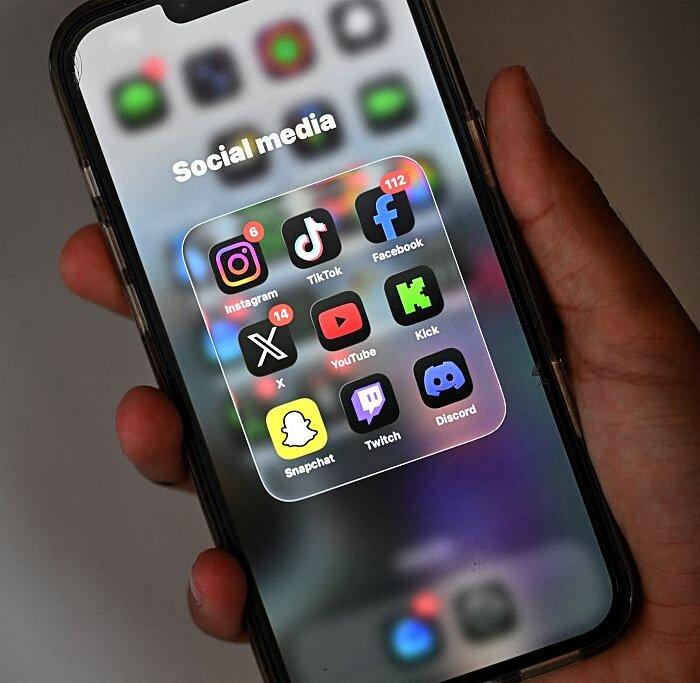
The law requires social media sites such as TikTok, X, Facebook, Instagram, YouTube, Snapchat, Reddit, and Twitch to check the age of Australian users and ban those aged under 16.
Companies that fail to comply face penalties of up to 49.5 million Australian dollars ($34 million).
Albanese said that the factors he was looking at while toughening the new legislation were “are the laws as strong as possible, given some of the feedback that’s there? Does the eSafety Commissioner have every power at her disposal?”
Study Finds ‘No Clear Evidence’ of Reduced Use
Albanese’s comments come just a day after the release of a study that found that three months after the under-16 social media ban began, more than 85 percent of surveyed teenagers were still using restricted platforms, with researchers finding no clear evidence that the law had significantly reduced use.The study, published in the British Medical Journal, found no “immediate substantive reductions” in adolescents’ access to platforms affected by the restrictions.
The researchers surveyed 436 young people aged 12 to 16 immediately before the ban was introduced and again about three months later.
Participants were asked how many days in the previous week they had accessed restricted social media platforms and how much time they spent using them.
More than 85 percent of participants reported using one or more of the restricted social media platforms three months after the law was introduced, with the majority continuing to use their own accounts.
Around two-thirds of that group reported encountering age-verification measures, with the most common method requiring users to declare their age. Some platforms required users to provide a photograph or use facial analysis technology to estimate their age.
Daily social media use remained largely unchanged among 12- and 13-year-olds.
Among 14- and 15-year-olds, the proportion using social media every day fell from 78 percent before the restrictions to 69 percent afterward.
However, researchers said the overall changes were not large enough to conclude that the legislation had reduced social media use among under-16s.
A statistical analysis designed to identify behavioural change at the age threshold created by the law found insufficient evidence of a significant reduction.
“Social media use is ubiquitous and habitual among adolescents and serves core social functions, including supporting peer interaction, identity formation, and social connectedness,” the researchers concluded.