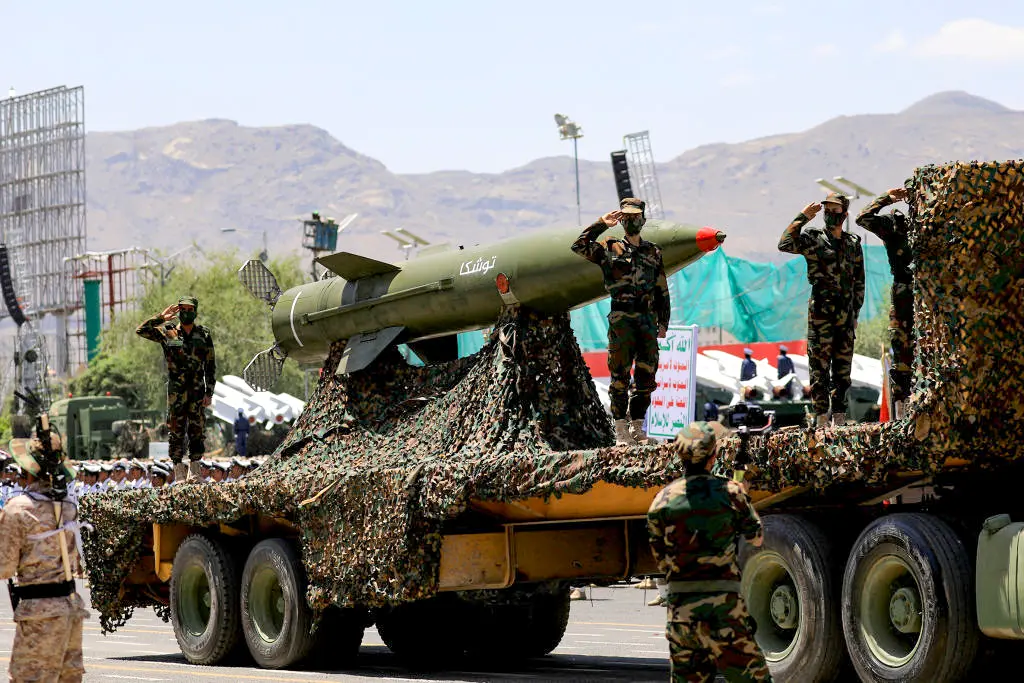
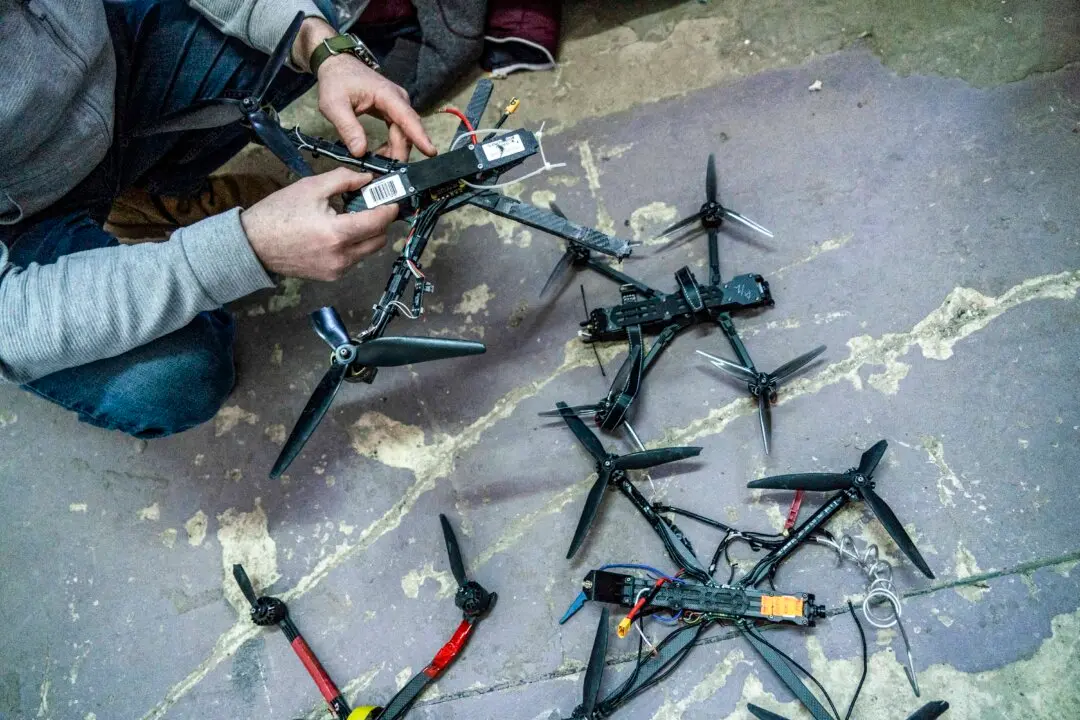
Ukraine’s drone war commander says his country’s recent strikes in Crimea could be increased sevenfold if Western funds arrived in Kyiv faster.
Maj. Robert “Magyar” Brovdi has become one of the most prominent officers in the Armed Forces of Ukraine since he volunteered at the start of the war in 2022.
“It’s not that the production capacity of Ukrainian manufacturers doesn’t allow us to make the necessary quantities” of drones, Brovdi told The Associated Press in an interview published on Aug. 10. “It’s the banal problem of untimely financing, which our partners do allocate, but which moves significantly slower than our plans.”
Brovdi, whose call sign “Magyar” is a nod to his Hungarian heritage, rose quickly through the ranks, commanding one of the country’s most effective drone brigades before being picked to lead a completely new military branch called the Unmanned Systems Forces (USF) in 2025.
Before the war, he ran an international grain trading business, according to Ukrainian business news outlet Mind, but now, Brovdi and his forces are in the first phase of a campaign aimed at rendering Crimea, which was annexed by Moscow in 2014, unusable as a staging ground for Russian forces.
“Crimea falls within the key conceptual pillars on the path to ending the war,” he said, adding that his forces are equipped at just 14 percent of what they would need to carry out the Crimea campaign at full capacity.

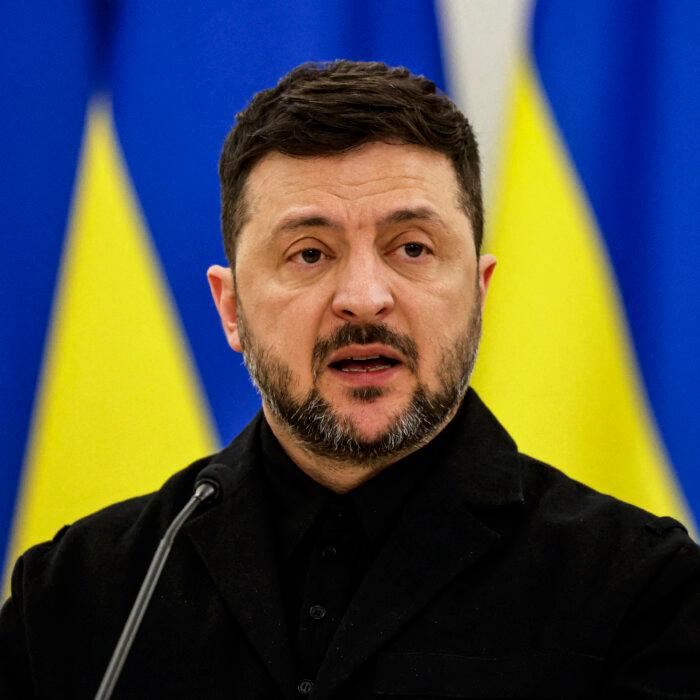
Ukraine has also increasingly targeted Wildberries, Russia’s largest online marketplace sometimes described as the country’s answer to Amazon, and Brovdi named it as a target.
“Wildberries is, first of all, a supply platform — it’s the war’s quartermaster,” he said, noting the company runs a dedicated section selling goods for Russia’s military.
At the same time, he said, the strikes on the retail chain are meant to make ordinary Russians feel the war directly, in hopes the resulting desire to end it could weigh on Russia’s ability to keep fighting.
Brovdi declined to give a timeline for the Wildberries campaign, saying only that the strikes will continue “until it becomes impossible for it to recover quickly.”
“Ultimately, Wildberries is, forgive the expression, a consumer gambling addiction,” he said, arguing that losing access to it creates an intrusion on one’s personal life that most Russians feel.
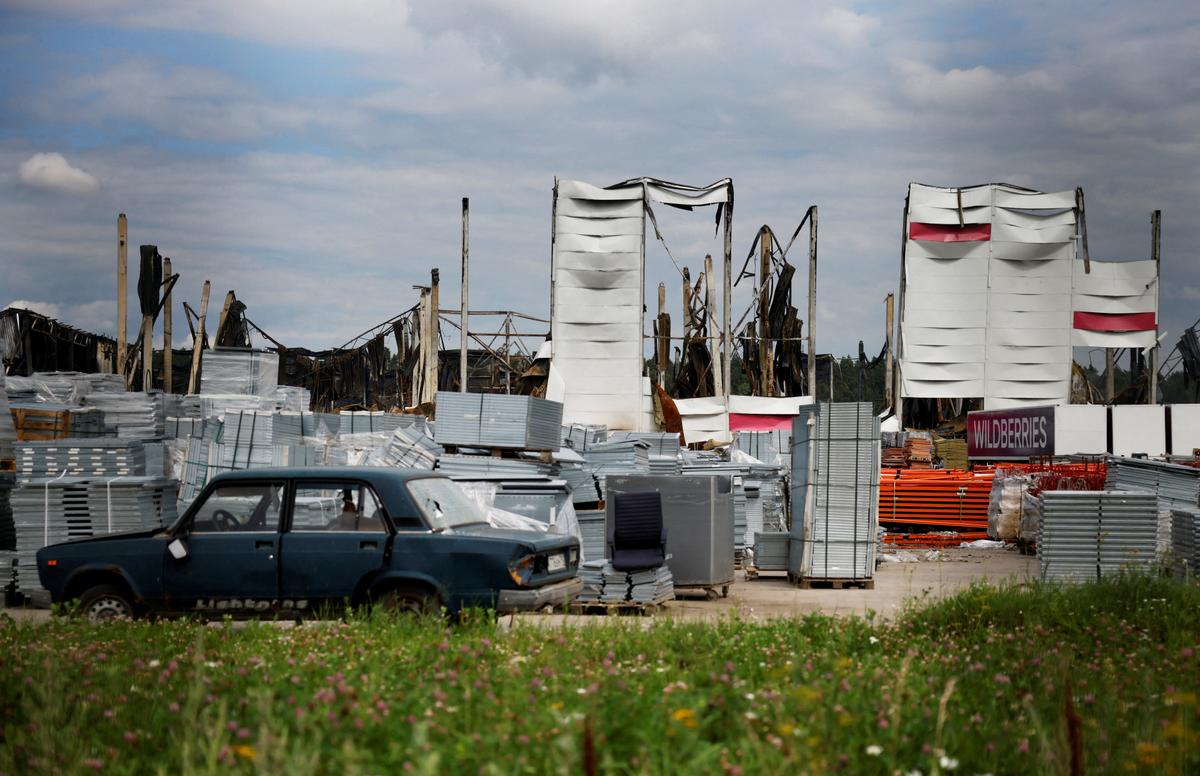
“It turned out to be a sensitive sensor of the comfort of Russia’s massive population, people who consider themselves completely untouched by the actions of the aggressor country,” he said.
Brovdi’s comments were published the same day Russian authorities said that at least 13 people, including a child, had been killed and another 39 injured in a Ukrainian drone attack on industrial and civilian targets in the city of Nizhnekamsk, Tatarstan.
The attack, about 497 miles east of Moscow, also hit a major oil refinery, according to Russian media reports.
“The brutality of this attack is particularly horrifying because the enemy drones struck not only industrial facilities but also residential areas,” he said. “A criminal case has been opened in connection with the incident on charges of committing an act of terrorism.”
The Russian Ministry of Defense said that its air defenses downed “456 Ukrainian fixed-wing unmanned aerial vehicles” over the course of the night and early morning, in an Aug. 10 post on Telegram.
The General Staff of the Armed Forces of Ukraine said that during the barrage, Ukrainian forces struck the Taneco oil refinery in Tatarstan, one of the most advanced oil refineries in Russia.
Ukrainian President Volodymyr Zelenskyy said in an Aug. 9 post on X that “the operation targeting Russian oil refining continues, and they really feel it.”
Battlefield Status
On the battlefield, Russian forces experimented with new tech, including Arena-M active protection systems on T-72B3M tanks in a late-July assault near Volodymyrivka, according to the Washington-based Institute for the Study of War’s (ISW) Aug. 9 assessment.
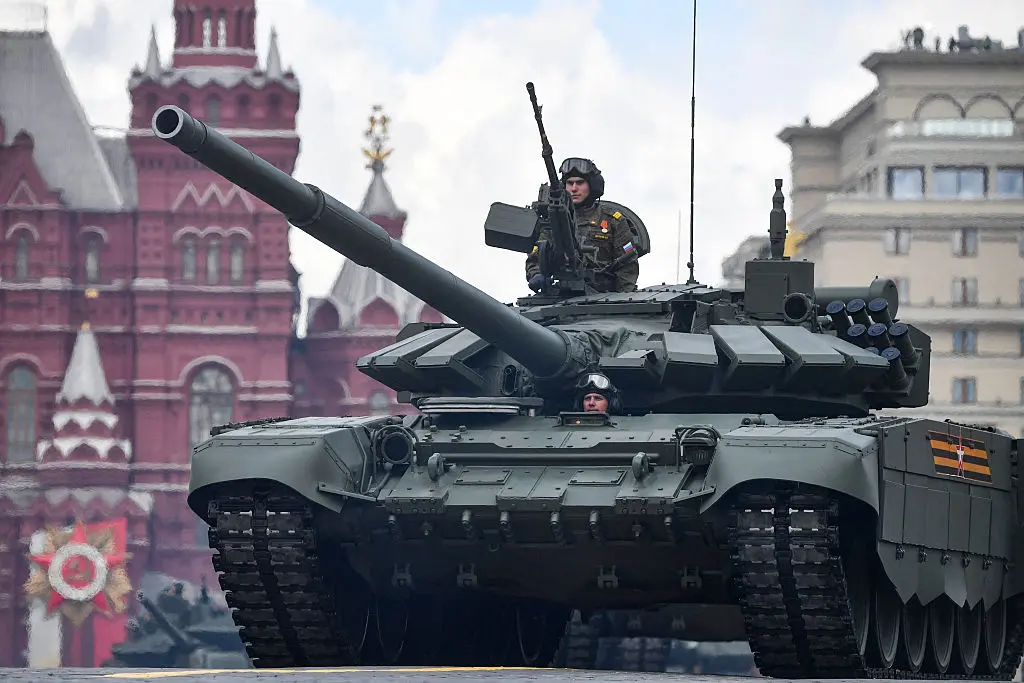
These systems are new technological innovations that Moscow hopes could revive the use of tanks, infantry fighting vehicles, and armored columns at the tactical level and break out of positional warfare, the think tank said.
Overnight into Aug. 9, Moscow fired 11 missiles and as many as 100 drones, including Banderol loitering munitions, at Odesa Oblast, ISW said, adding that the Ukrainian Air Force reported that air defenses downed one missile, five of the Banderols, and 72 percent of the drones.
A separate Russian strike damaged the Mayaki bridge on the M-15 highway, a key alternative land route for grain exports, according to the ISW.
The think tank also said that intelligence reports suggest Russian preparations are underway to host 30,000 to 50,000 North Korean troops, including a missile unit in Voronezh Oblast.