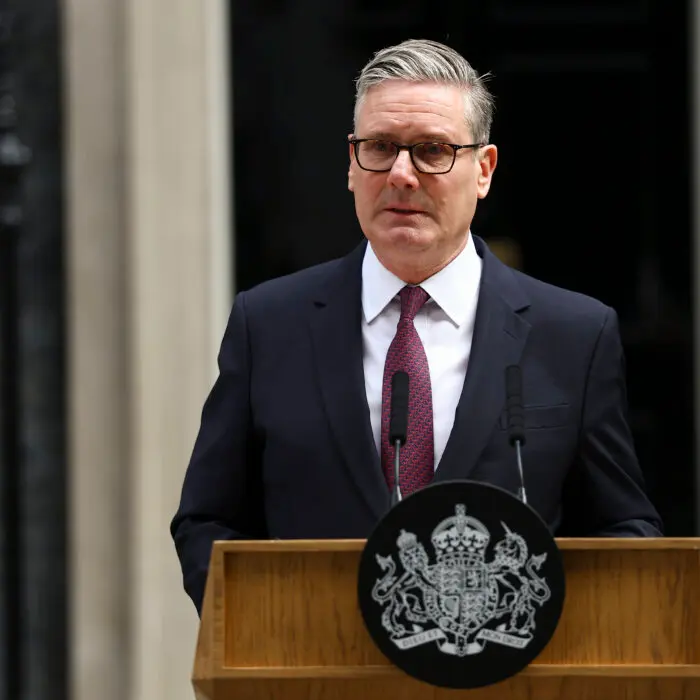
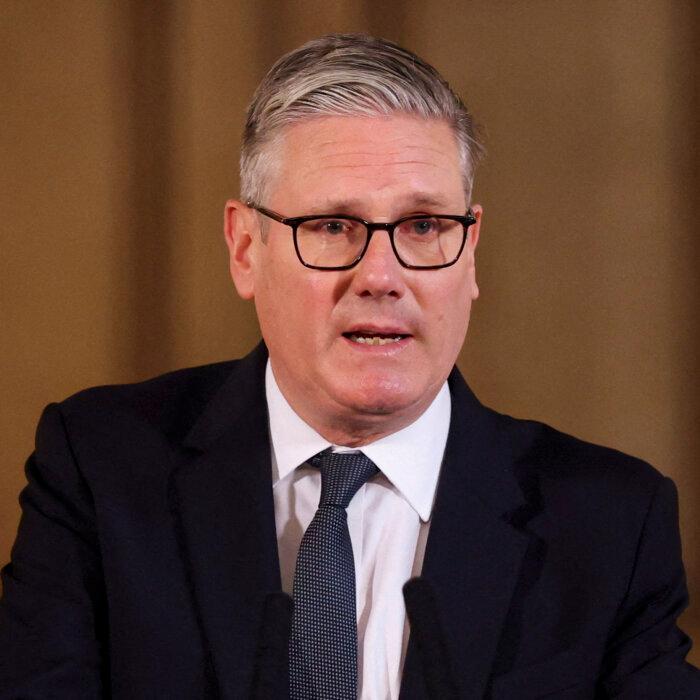
Starmer and his Labour Party won a landslide victory in the July 2024 general election. The British prime minister had faced mounting pressure in recent months, including from within his own party, following collapsing voter support.
“The question my party is asking now is whether I am best placed to lead us into the next general election,“ Starmer said outside Downing Street on June 22 when announcing his resignation. ”I have heard the answer of my parliamentary party to that question, and I accept that answer with good grace.”
Carney said Starmer has faced “exceptional challenges” in his term, while acting throughout with “principle, determination, and collaboration.”
“The world is safer and allies are more united because of his efforts. Keir, thank you for your lifetime of public service. I am grateful for your friendship, and I wish you all the best as you concentrate on your ‘most important job.’”
Carney quoted from Starmer’s resignation speech, which ended in saying he would now be spending more time being the “best” husband and father.
A leadership contest to replace Starmer will be launched next month and Starmer said a new leader will be picked before Parliament returns from summer break. Starmer’s replacement will be the United Kingdom’s seventh leader in 10 years.
While relatively brief, Starmer’s time as prime minister was longer than that of his two immediate predecessors, Tory leaders Rishi Sunak and Liz Truss.
The resignation announcement coincided with former Greater Manchester mayor Andy Burnham’s return to Parliament on June 22, following his byelection win in Makerfield, a victory that had intensified speculation about a Labour leadership challenge.
Labour MP Wes Streeting, who resigned as health secretary following the May local elections, initially said he would run for party leader but has since backed Burnham.