This copy is for your personal, non-commercial use only. Distribution and use of this material are governed by our Subscriber Agreement and by copyright law. For non-personal use or to order multiple copies, please contact The Epoch Times Reprints.
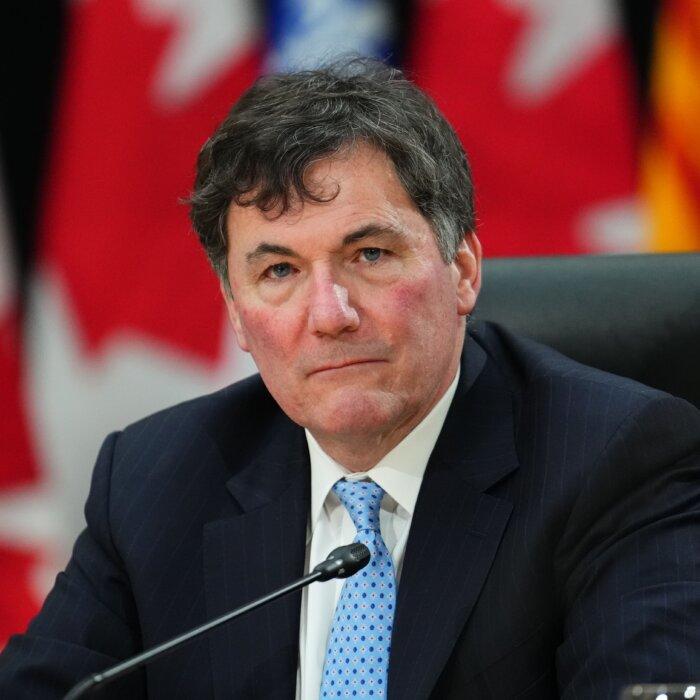
President of the King’s Privy Council for Canada Dominic LeBlanc rises during question period on Parliament Hill in Ottawa on May 28, 2025. The Canadian Press/Adrian Wyld
Several Canadian ministers have responded to U.S. President Donald Trump’s latest announcement to double tariffs on steel and aluminum imports to 50 percent.
Dominic LeBlanc, the federal minister tasked with Canada-U.S. trade relations, says Ottawa has “taken note” of Trump’s comments and that the Canadian government “remains resolute in defending our workers and our communities.”
“We can give ourselves far more than the United States can take from us,” LeBlanc said in a series of posts on social media on May 31.
On May 30, Trump announced that tariffs on steel entering the U.S. would be raised from 25 percent to 50 percent, adding that the hike would “even further secure the steel industry in the United States.”
“Nobody’s going to get around that,” the president said during a rally held in Pennsylvania.
Trump subsequently posted on social media the same day that the increased tariffs would also apply to aluminum products, and that the higher rates would take effect on June 4.
“Our steel and aluminum industries are coming back like never before,” he wrote. “This will be yet another BIG jolt of great news for our wonderful steel and aluminum workers. MAKE AMERICA GREAT AGAIN!”
LeBlanc, who has been in talks with Trump’s team about the trade disputes between the two countries, said in one of his posts that Ottawa will “stand strong to get the best deal for Canadians” as it negotiates a new economic and security relationship with Washington.
‘Unjustified’
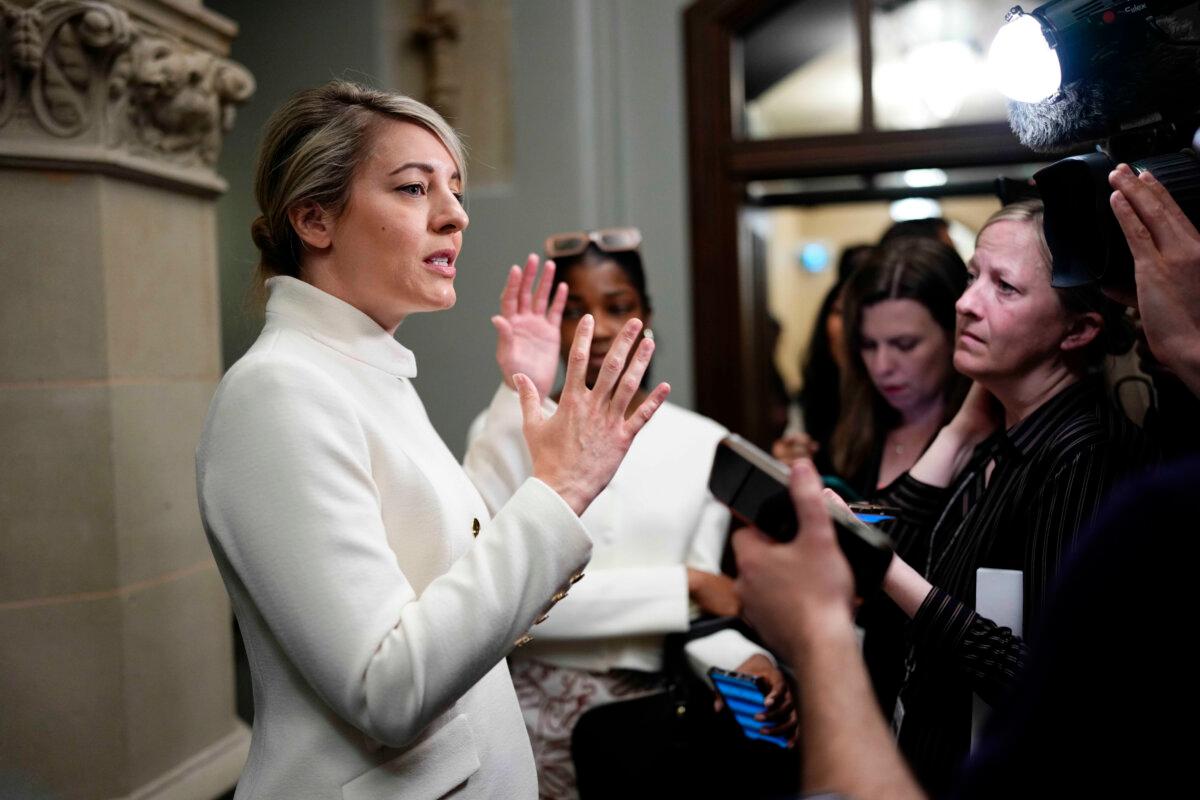
Industry Minister Mélanie Joly, formerly the foreign affairs minister, said Canada is “fighting” the “unjustified and unlawful tariffs with our own retaliatory actions, strong domestic support packages, and big moves to diversify our trade.”
Minister of Industry Mélanie Joly speaks to journalists as she arrives for a meeting of the federal cabinet in West Block on Parliament Hill in Ottawa on May 14, 2025. The Canadian Press/Justin Tang
“Our steel and aluminum workers and businesses deserve no less than our full commitment - both for these current tariffs, as well as for any potential future tariffs,” she wrote on social media on May 30, shortly after Trump’s announcement.
Joly said she has been in constant contact with steel and aluminum producers and workers and plans to meet with them in the coming days to advance their response to Trump’s tariff increase.
Canada is currently the largest provider of steel and aluminum to the United States, according to the U.S. International Trade Administration. A large portion of Canadian steel imports (40 percent) also comes from the United States, with trade between the two countries amounting to $20 billion per year, the Canadian Steel Producers Associations says. Meanwhile, 75 percent of U.S. aluminum imports come from Canada, says the Aluminum Association of Canada.
In total, the two sectors employ 150,000 workers across Canada. The country’s steel production is centred in Hamilton, Ont., while Quebec is the leader for aluminum.
Trump’s levies on Canadian metals date back to his first presidential term in 2018. At the time, the president imposed a 25 percent tariff on steel and a 10 percent tariff on aluminum imports, with Canada responding in kind. The two countries agreed to lift the barriers almost a year later after coming to an agreement to crack down on dumping and transshipment by other countries.
In February 2025, Trump announced the reinstatement of the 25 percent tariff on steel imports and increased tariffs on aluminum imports to 25 percent, citing that both industries in the United States have been “harmed by unfair trade practices and global excess capacity.”
In response, Ottawa launched retaliatory tariffs targeting C$29.8 billion in American goods after the U.S. tariffs on the two metals came into force on March 12.
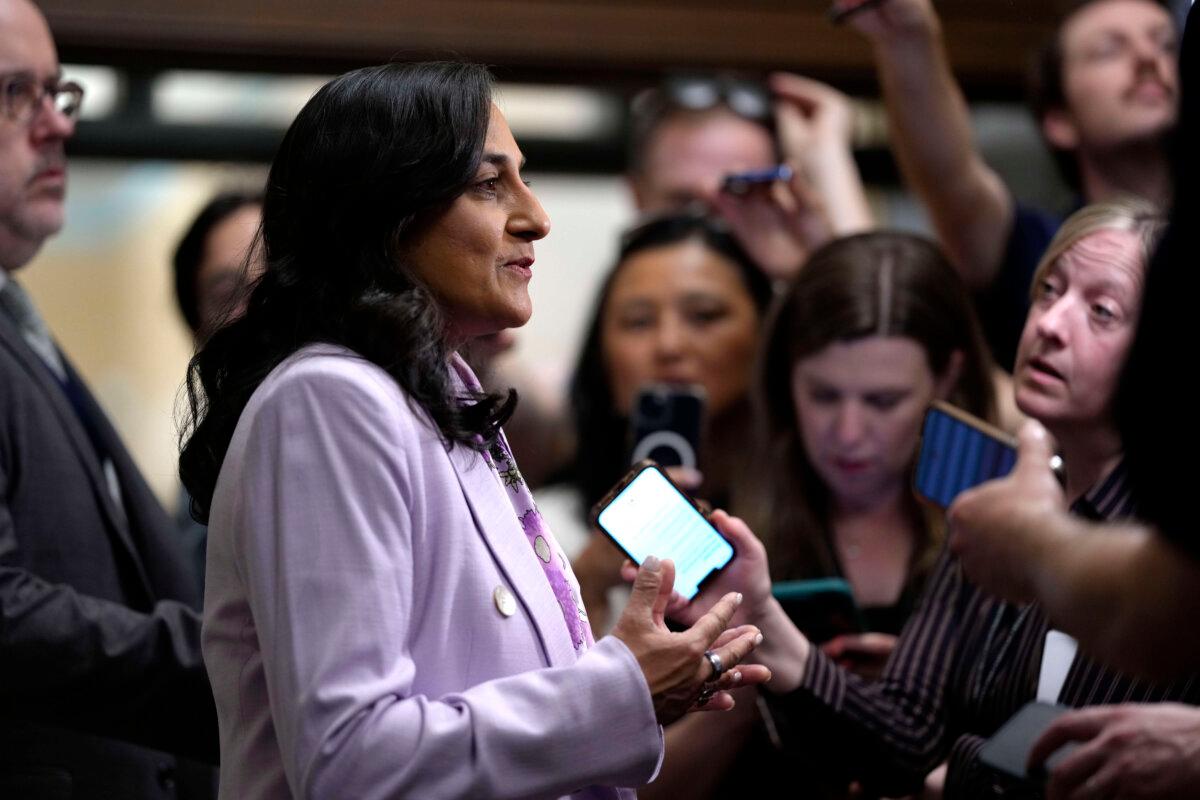
Minister of Foreign Affairs Anita Anand speaks to journalists as she arrives for a meeting of the federal cabinet in West Block on Parliament Hill in Ottawa on May 14, 2025. The Canadian Press/Justin Tang
On March 17, then-Industry Minister Anita Anand sent a letter to recipients of federal funding through Innovation, Science and Economic Development Canada programs, urging them to switch to Canadian steel and aluminum for their projects instead of U.S. products “wherever relevant and possible.”
Anand, who currently serves as foreign affairs minister, reiterated her stance on the issues on May 31.
“Canada is and will always be resolute in defending Canadian industry and Canadian jobs in the face of economic threats posed by the United States,” she posted on social media.
In a fact sheet published on Feb. 11, the White House said Trump had used Section 232 of the Trade Expansion Act of 1962 to “adjust imports of steel and aluminum” in order to protect the national security of the United States.
The White House noted Trump’s 2018 tariff measures on both metals became ineffective after exemptions were granted to nations such as Argentina, Brazil, Canada, Mexico and the UK.
“By granting exemptions to certain countries, the United States inadvertently created loopholes that were exploited by China and others with excess steel and aluminum capacity, undermining the purpose of these exemptions,” the fact sheet stated.
‘Trade Diversification’
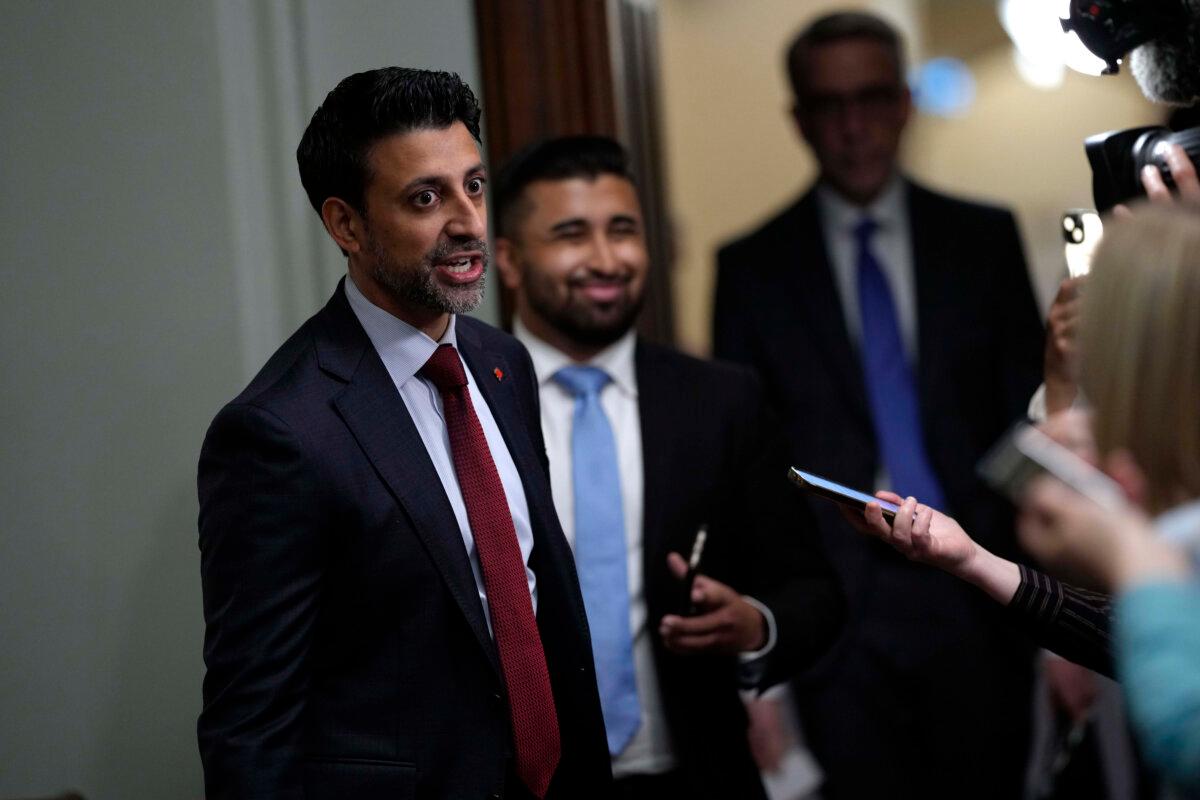
Minister of International Trade Maninder Sidhu speaks to journalists as he arrives for a meeting of the federal cabinet in West Block on Parliament Hill in Ottawa on May 14, 2025. The Canadian Press/Justin Tang
Maninder Sidhu, the newly appointed minister of international trade, said “trade diversification is my top priority,” adding that he was in Ecuador recently meeting with “regional partners on new opportunities” and mentioning a recent Team Canada Trade Mission trip to Southeast Asia.
“As we shape the future of our partnership with the United States, we’ll move on terms that reflect our values and priorities—strategically, thoughtfully, and without delay,” he said in a statement posted on social media on May 31.
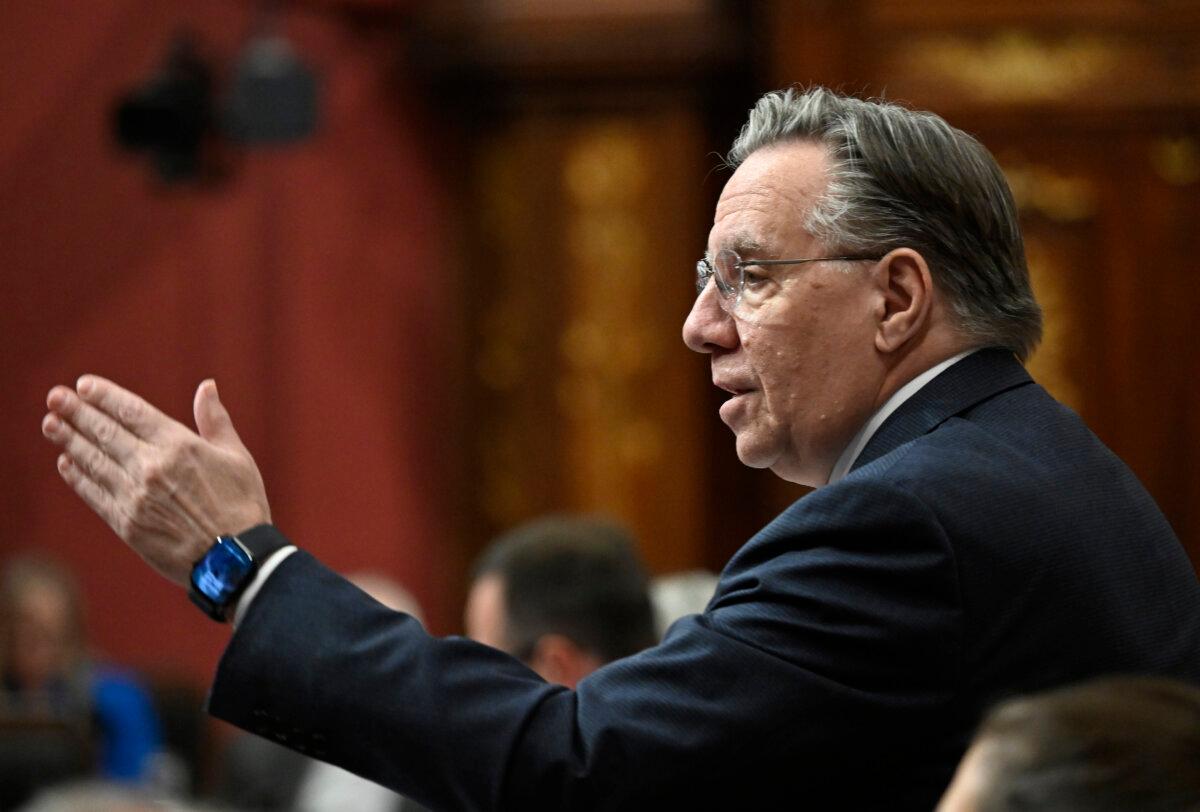
Quebec Premier François Legault responds to the Opposition during question period at the legislature in Quebec City on May 29, 2025. The Canadian Press/Jacques Boissinot
Quebec Premier François Legault called the new tariff threats on steel and aluminum “completely unjustified.” He warned that should the tariff increase proceed, it would hurt the economy both in Canada and the United States.
“We will wait to see the details of the decree. We are monitoring the situation closely, and our assistance programs continue to be available to businesses in need,” he wrote in French on social media on May 30.
Ontario Premier Doug Ford has not commented on Trump’s latest move. The premier had said on March 10 that he would apply a 25 percent surcharge on electricity exports to the American states of Michigan, Minnesota, and New York in response to the ongoing tariff threat from the United States.
The move prompted Trump to threaten doubling tariffs on Canadian steel and aluminum to 50 percent. Then, on March 11, after a phone call with U.S. Commerce Secretary Howard Lutnick, Ford announced he would suspend the surcharge on electricity after the two agreed to meet in Washington to discuss the tariffs.
Trump said the same day he would not go ahead with 50 percent tariffs on steel and aluminum, keeping them at 25 percent.
Prime Minister Mark Carney, like Premier Ford, has also not made any public statement so far on the new U.S. tariff announcement. Instead, he posted a message about “building one Canadian economy out of thirteen” on social media on May 31, noting that the Quebec government has tabled a bill to “eliminate interprovincial trade barriers on sale of goods.”
Carney is scheduled to meet with Canada’s premiers on June 2 in Saskatoon, with discussions set to focus on strengthening partnerships between Ottawa and the provinces and territories and fast-tracking infrastructure projects of national interest.
Matthew Horwood, Noé Chartier, Reuters, and Travis Gillmore contributed to this report.