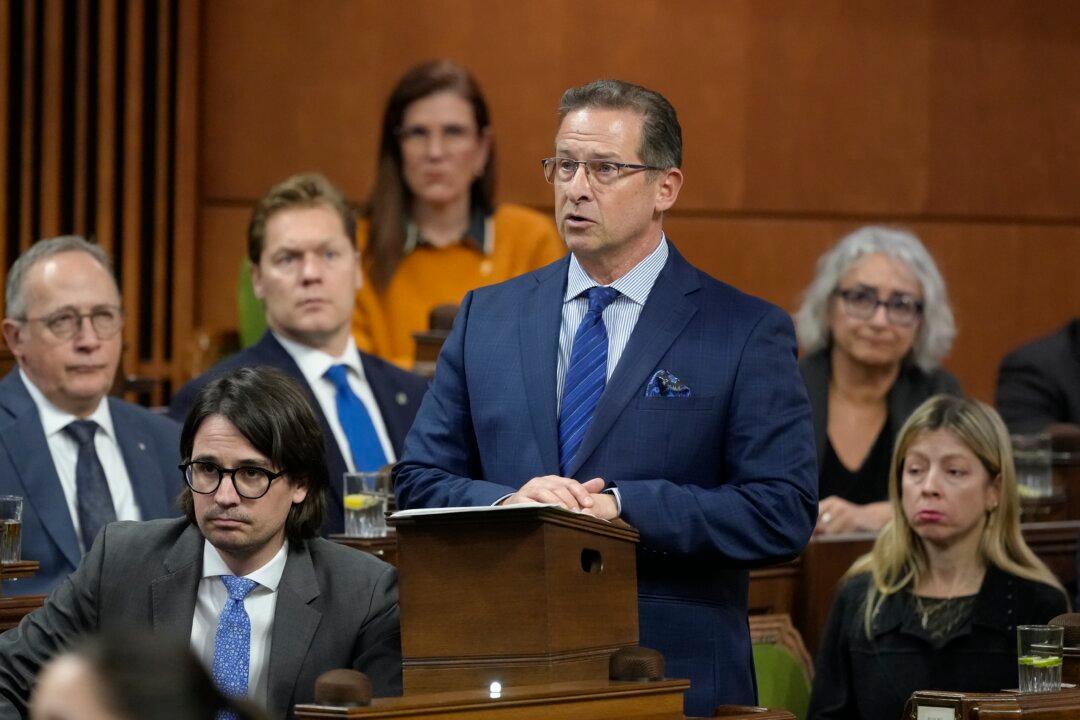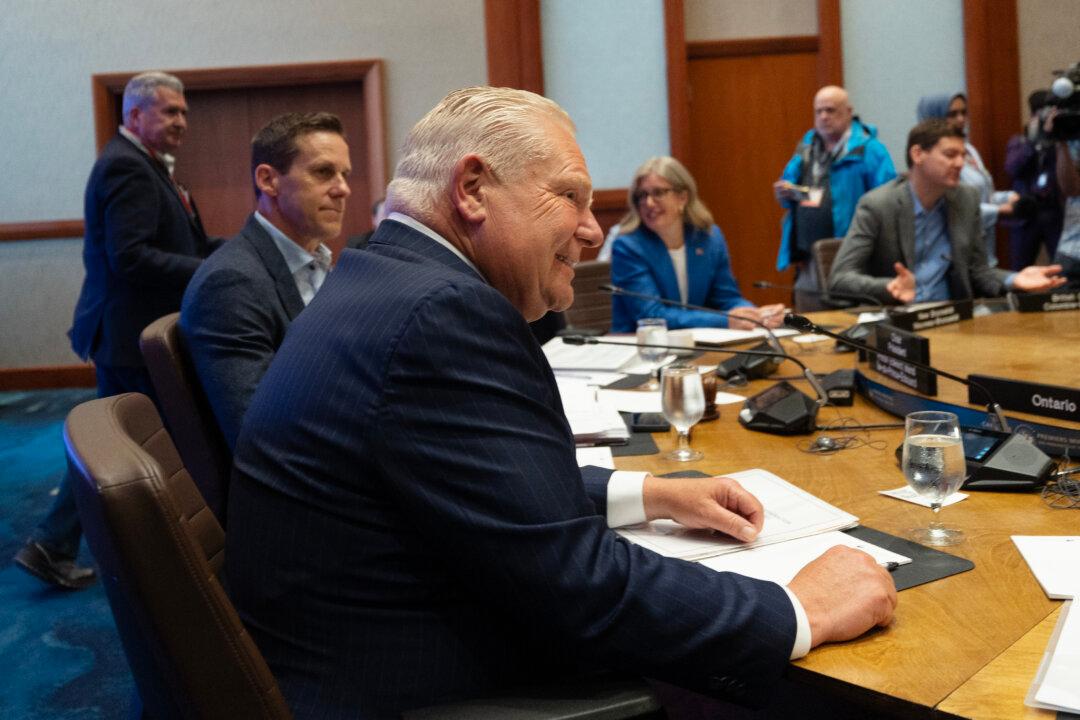
Defence Minister David McGuinty said the recently slain Iranian leader Ayatollah Ali Khamenei had spread his “evil” influence in Iran and elsewhere, but Ottawa is now calling for a diplomatic resolution to hostilities.
McGuinty made the comments to reporters while on a visit to Australia on March 3, after being asked whether Canada believes the death of Khamenei is a positive development. Prime Minister Mark Carney initially backed the U.S. attack on Iran on Feb. 28.
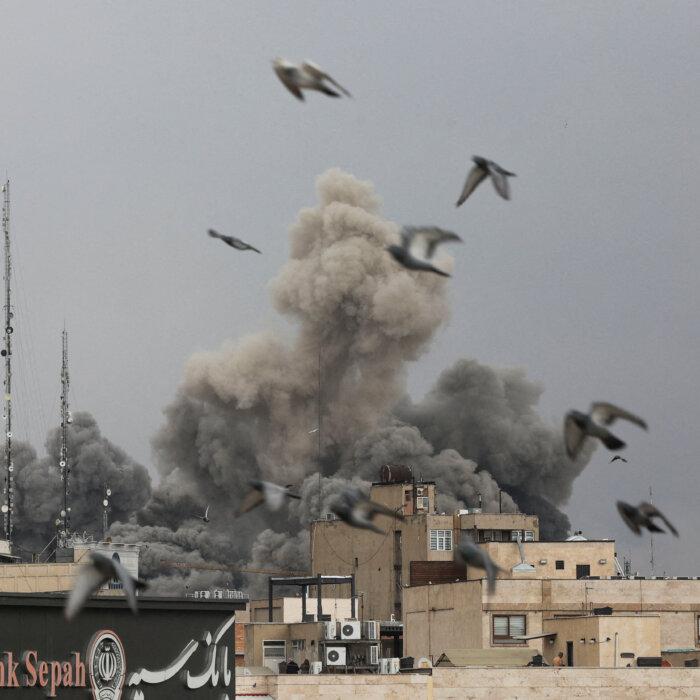
Khamenei and many other Iranian leaders were killed over the weekend, soon after the United States and Israel launched a bombing campaign in Iran.
“The Ayatollah Khamenei has been for many, many decades a very, very powerful force for evil in Iran and in the region,” McGuinty said.
The defence minister noted the Iranian regime’s use of proxy groups in the region and its involvement in “organized criminal syndicates.” Iran has been the key benefactor to groups like Lebanese Hezbollah, Palestinian Hamas, the Yemeni Houthis, and various Shia factions in Iraq.
McGuinty said his government had decided from the outset to support the military actions against the Iranian regime while also calling for a diplomatic solution.
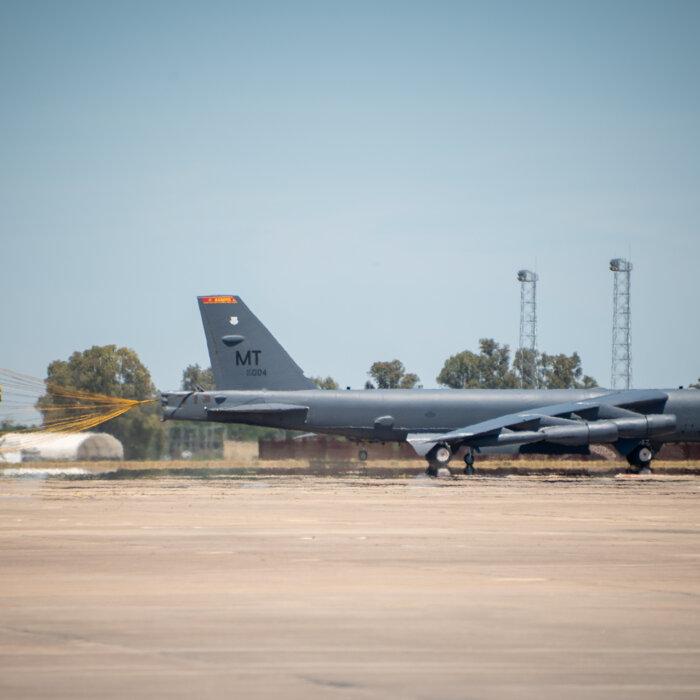
“Canada supports the United States acting to prevent Iran from obtaining a nuclear weapon and to prevent its regime from further threatening international peace and security,” the statement reads.
Ottawa called Iran the “principal source of instability and terror” in the Middle East and one of the worst human rights offenders. The Iranian regime earlier this year killed thousands of its citizens who protested against the regime.
Anand also criticized Iranian retaliatory actions, which have affected civilian infrastructure across the region. Iranian forces have used drones and missiles to target Israel as well as neighbouring Gulf countries hosting American military bases. The minister said these attacks represent an “unacceptable escalation” which threatens to further destabilize the region.
On March 2, Anand told reporters in India that Canada was not notified before the United States and Israel launched their attack.
Anand said Ottawa prefers a diplomatic solution to the crisis and said she has been speaking with her counterparts in the Middle East and in the G7 to advance this goal. The minister said the responses she received have differed.
“Some countries believe that a diplomatic solution is not possible at this time. Others want to work as quickly as possible to ensure diplomacy becomes the next phase of this horrific situation,” she said.

Dissension
There has been some open dissension within the Liberal caucus regarding Canada’s initial stance on the strikes against Iran.“Canada cannot endorse the unilateral and illegal use of military force, the killing of civilians or the kidnap and assassination of foreign heads of government while also insisting that our sovereignty, our rights and our independence must be respected,” said Greaves, who is a former associate professor of international relations at the University of Victoria.
Asked by reporters to comment on the criticism, McGuinty said the Liberal Party is a “big tent” where there’s room for “all kinds of competing views.”
Opposition parties have also criticized different aspects of the Liberal government’s response.
Some Conservative MPs highlighted the contradictions in Ottawa’s messaging on the Iran issue.
Tory MP Roman Baber also said Carney and his ministers have had confusing and, at times, contradicting messages on the issue.
‘Not Involved’
Along with calling for a diplomatic solution, McGuinty noted that Canada is not involved in the war.“The prime minister was very clear in his statement that he supported the incursion led by the United States and Israel,” he said. “But I want to make it very clear that Canada, and Canada’s armed forces, were not involved in the preparation nor the execution of that particular decision by the Israelis and the Americans to attack Iran.”
McGuinty said there are currently some Canadian military personnel in the Middle East, but they are safe.
“They are all fine, out of harm’s way, and it’s something that we’re watching very carefully,” he said.
Countries where Canadian personnel may be located, such as Kuwait, Bahrain, and Qatar, have all faced Iranian attacks since the conflict has erupted.
Other Gulf countries have also been hit as Iran’s retaliation campaign has expanded. Several Gulf states—including the United Arab Emirates, Qatar, Saudi Arabia and Bahrain—have reported missile or drone strikes on infrastructure and energy facilities. On March 3, drones struck fuel tanks at the Port of Duqm in Oman, despite the country’s previous role as a mediator between the United States and Iran.
Meanwhile, Iran’s Revolutionary Guards have announced that the Strait of Hormuz is closed to shipping and threatened to fire on any vessel attempting to pass, a development that could imperil roughly 20 percent of global oil exports. The UK Royal Navy has reported several incidents around the area in recent days, including vessels being struck by unknown projectiles and catching fire.