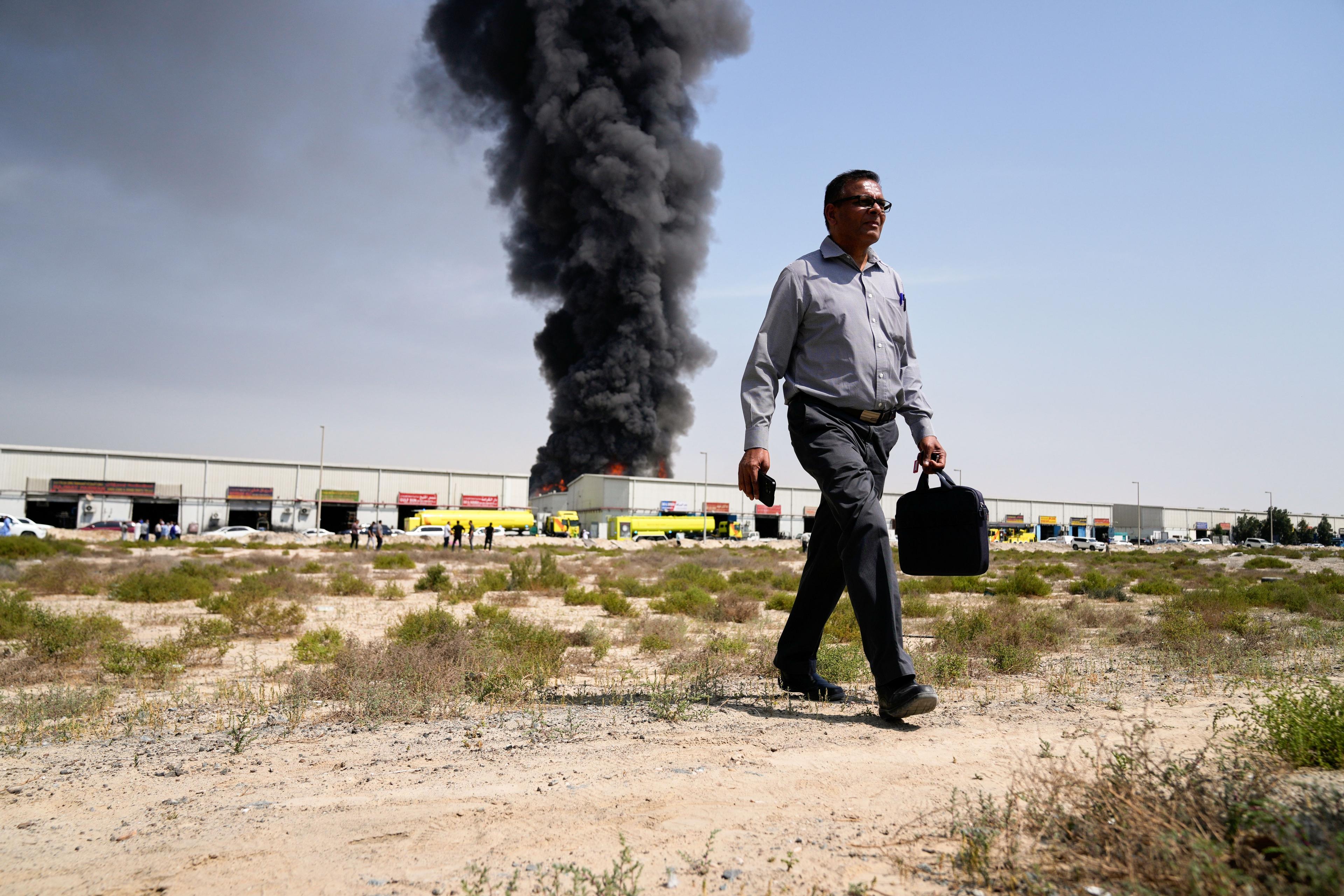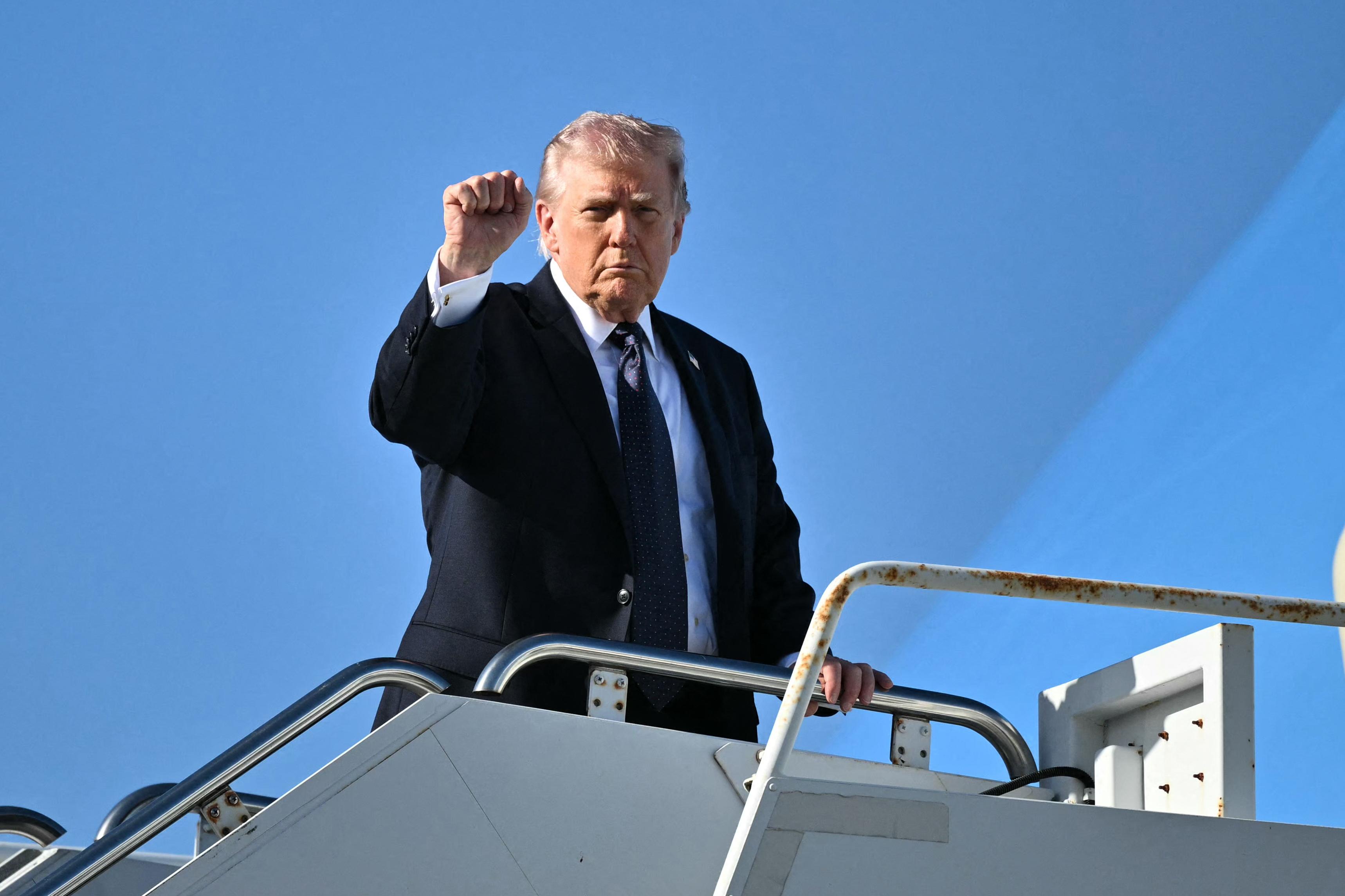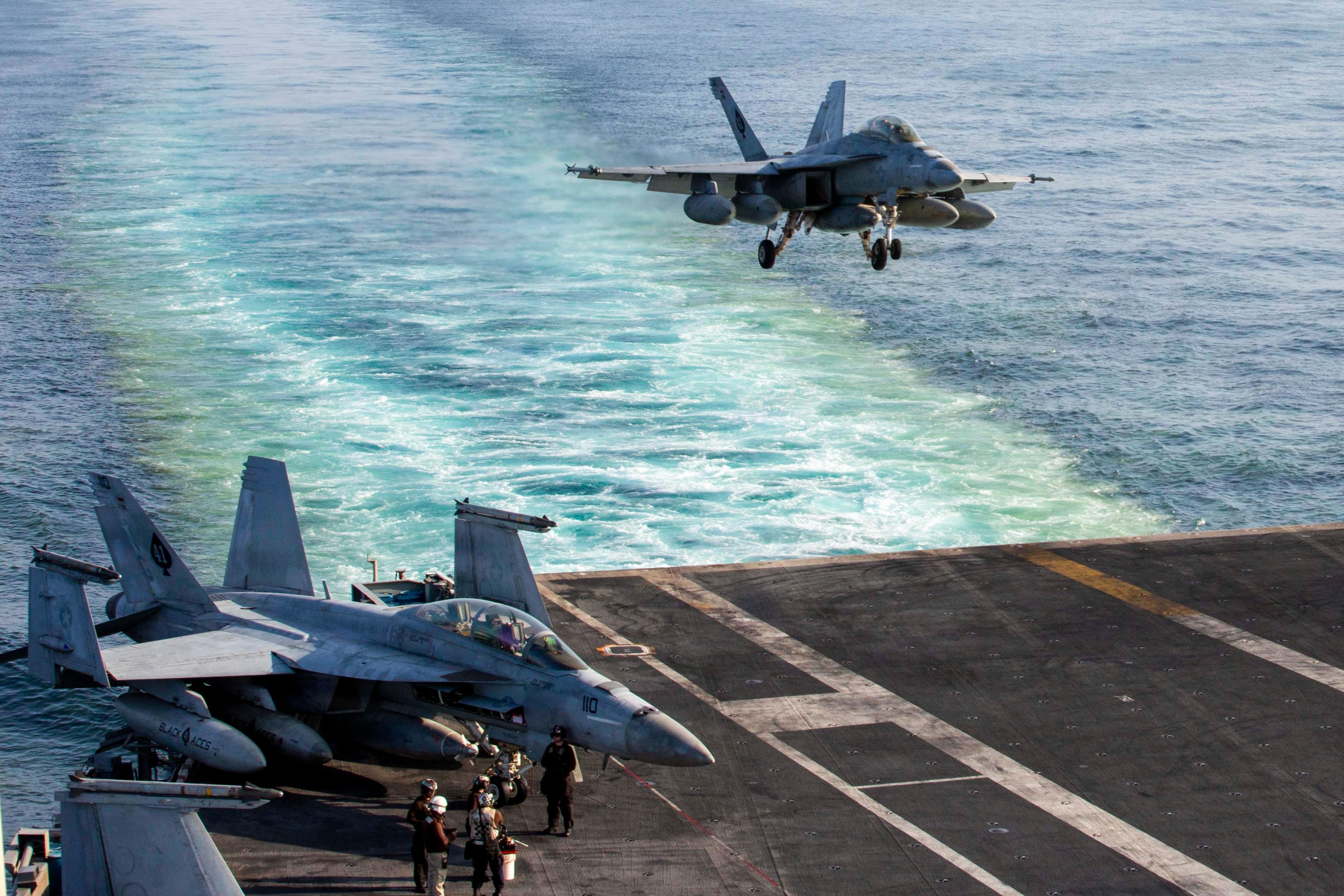

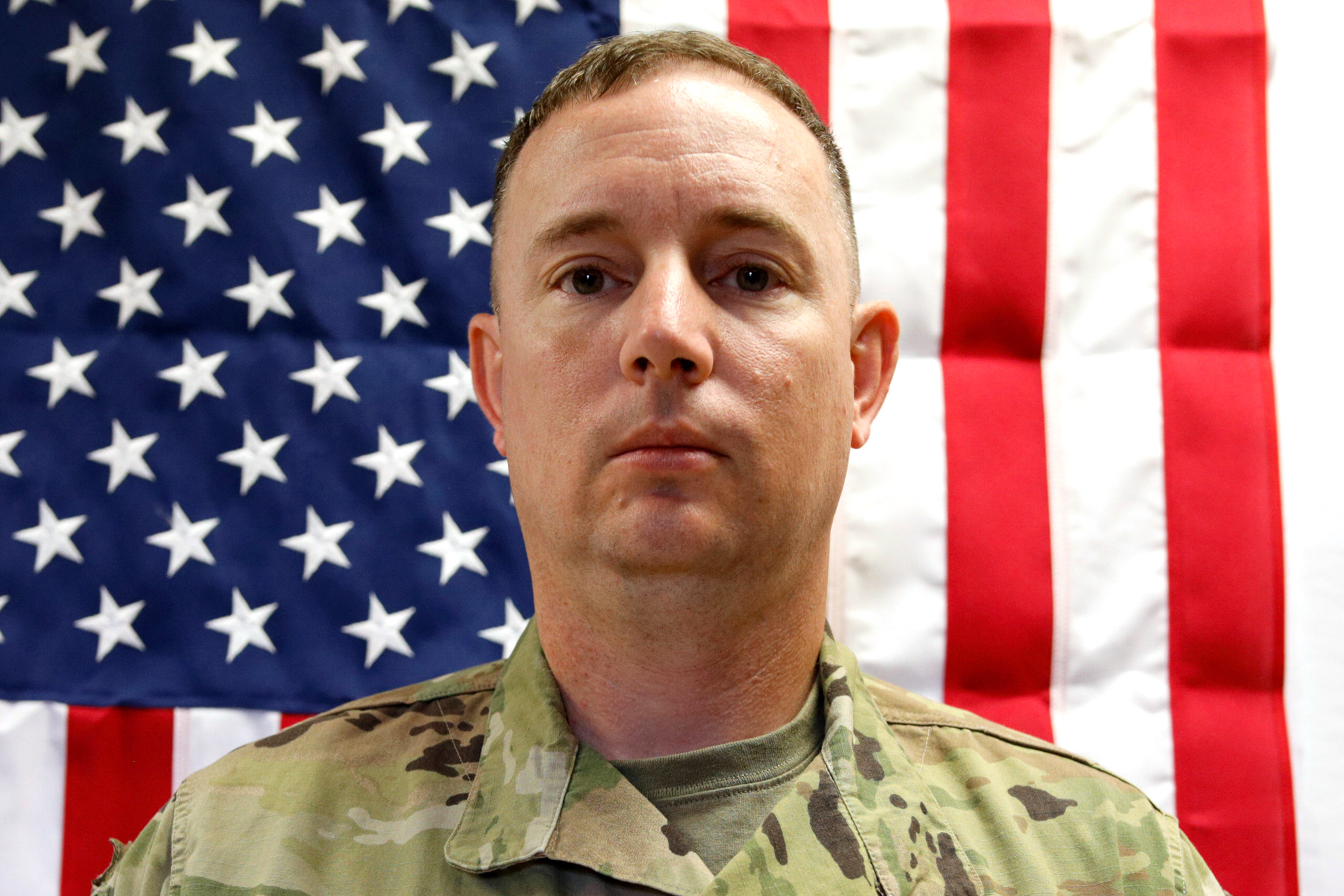
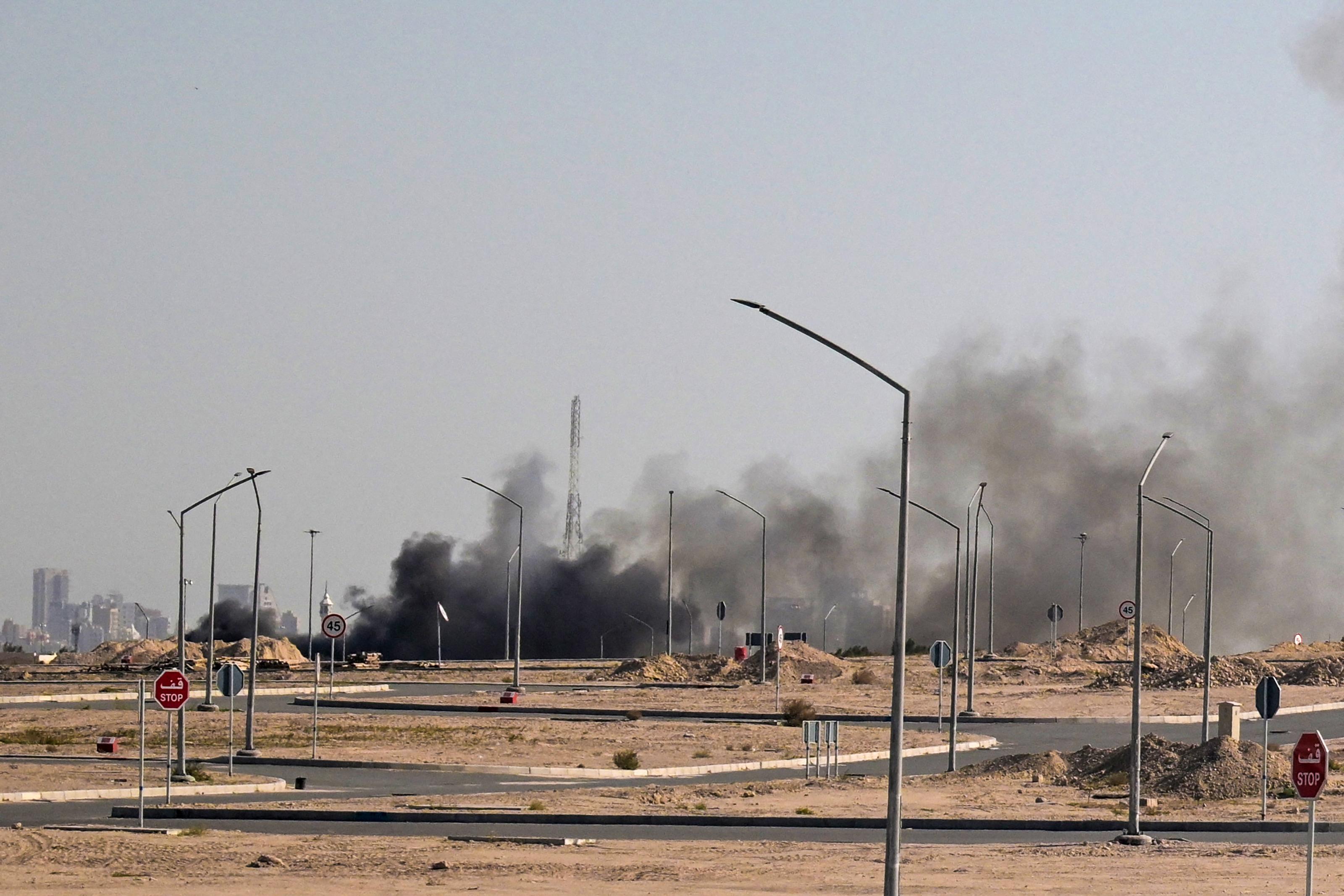
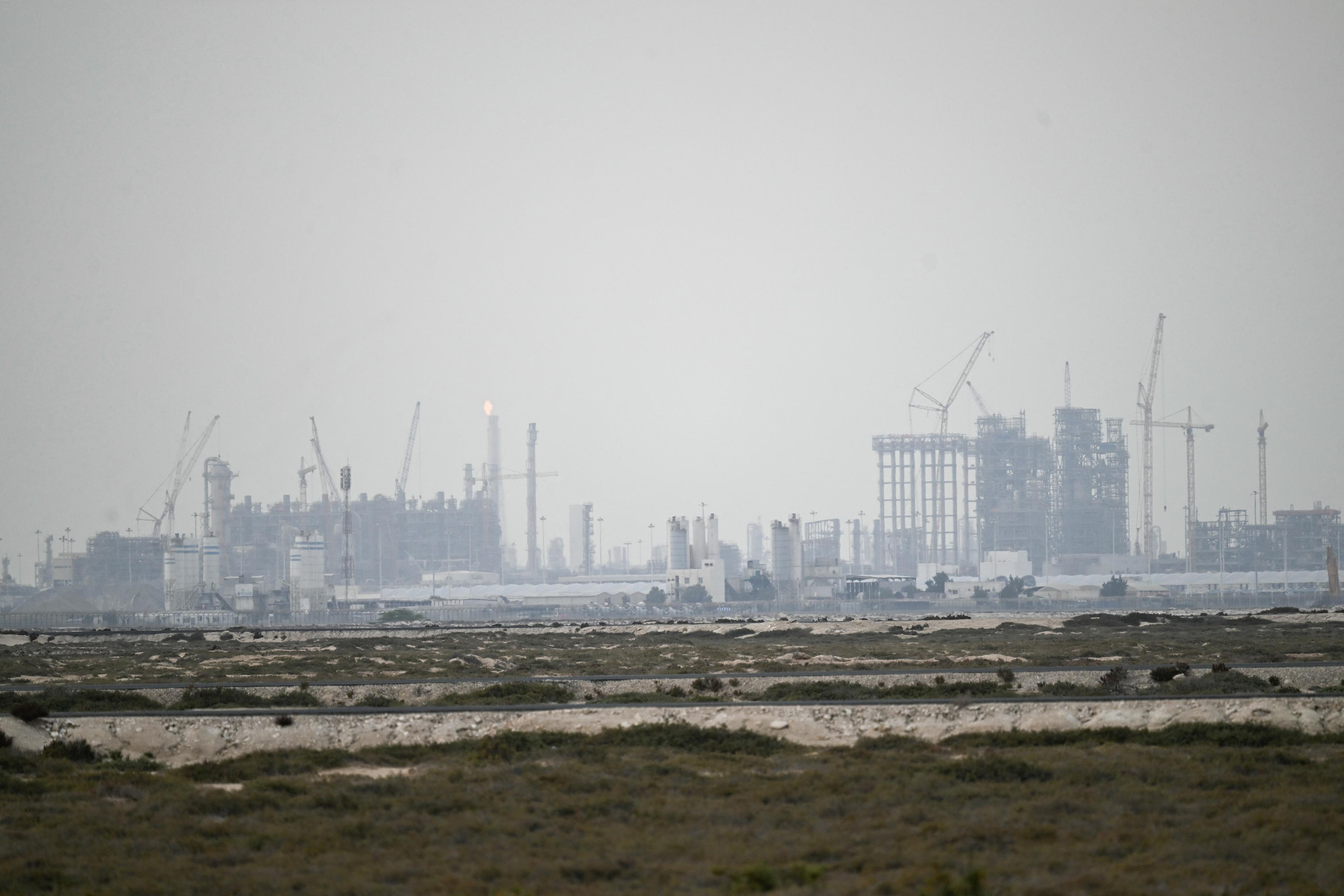
The War Department on March 4 revealed the identities of the last two of six U.S. Army Reserve soldiers killed by an Iranian drone attack on a U.S. Tactical Operations Center at a Kuwaiti port amid U.S. Operation Epic Fury against Iran.



For two decades, the Chinese communist regime has been courting, investing in, and coordinating with the Iranian regime, its proxies, and Gulf nations to build out a stronghold for its strategy of a new global order, says Hudson Institute research fellow Zineb Riboua. According to her, that all ended with Operation Epic Fury.
“From a U.S. perspective ... being involved does not just mean helping an ally, it means reshaping the configuration of a Middle East that has been, for a very long time, I think, a Chinese chessboard,” Riboua said on EpochTV’s “American Thought Leaders” program on March 4. The full episode will run on EpochTV at 9 p.m.
Beijing cannot rise without weakening the United States, and “Iran has been that tool” in the Middle East, Riboua said.

A measure that would block the president’s ability to wage war against Iran without congressional approval failed to advance in the Senate on March 4, a victory for the Trump administration.
The procedural vote over the war powers resolution, which was introduced by Sen. Tim Kaine (D-Va.), was 47 to 53. Sen. Rand Paul (R-Ky.), a bill cosponsor, was the lone Republican to support the measure. Sen. John Fetterman (D-Pa.) broke with his party in voting against the resolution.




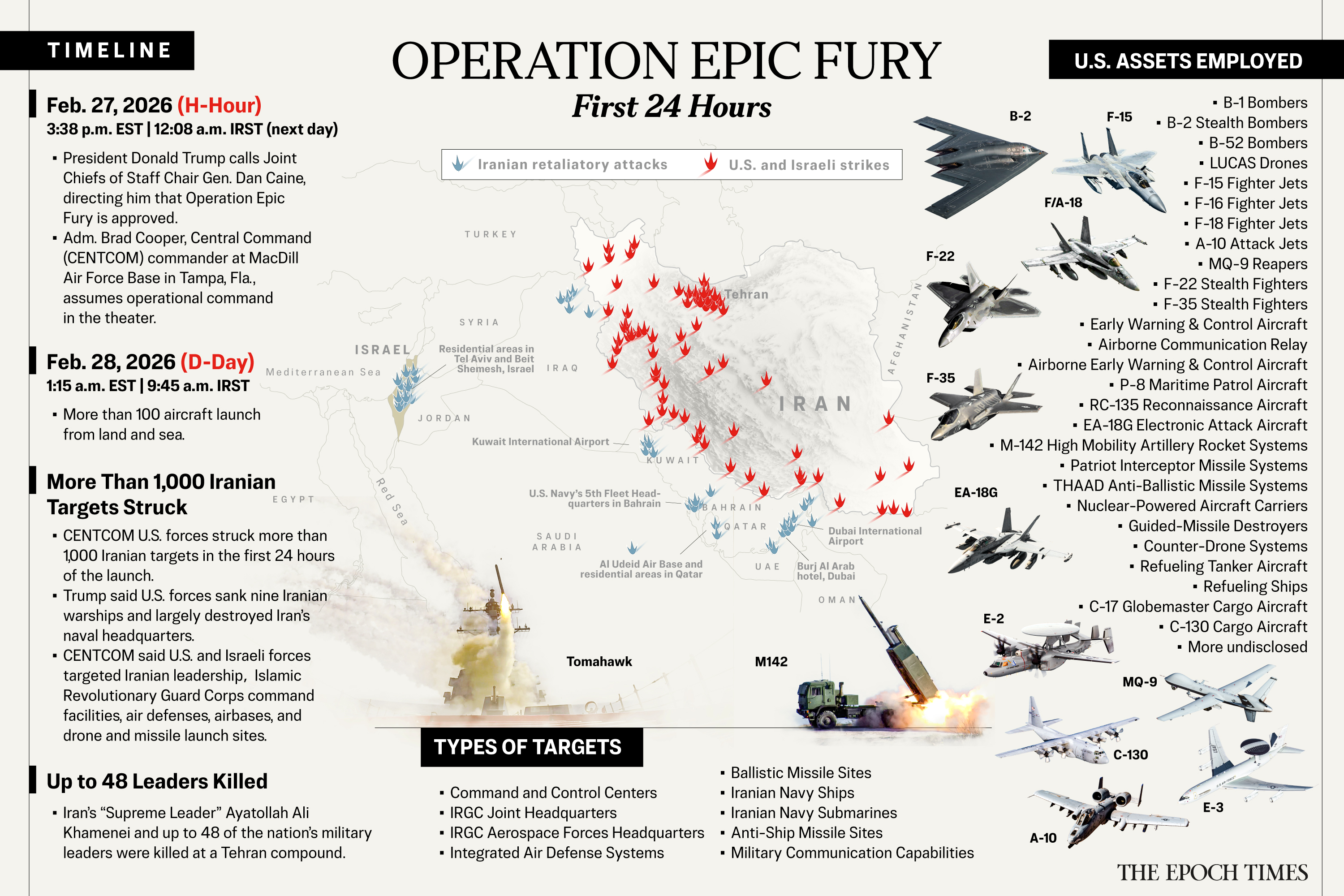

The Pentagon had been choreographing a prospective massive attack on Iran since 1980. In December 2025, President Donald Trump told military planners he would need that devastating option if the Shia regime continued moving toward making a nuclear bomb.
Trump’s move came after meeting with Israeli Prime Minister Benjamin Netanyahu.


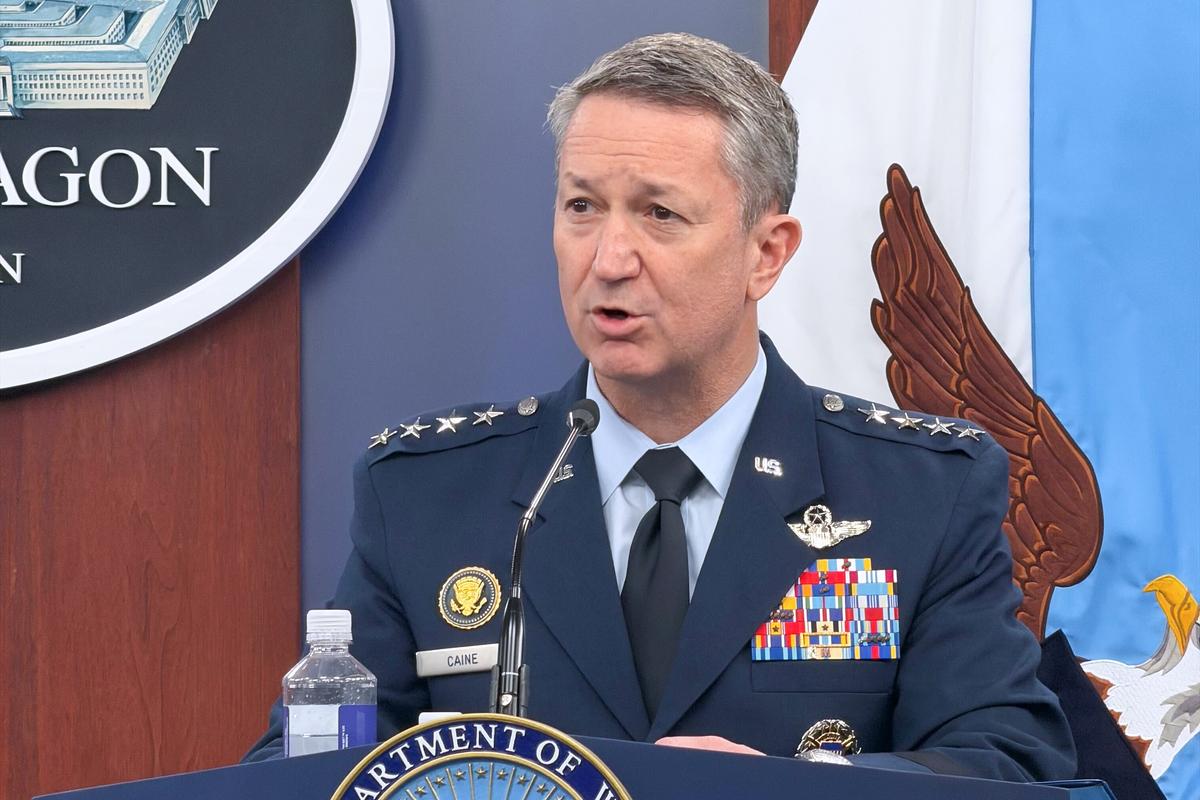
Gen. Dan Caine, chairman of the Joint Chiefs of Staff, said on March 4 that the U.S. military is helping Americans to flee the Middle East, after the U.S. State Department warned citizens that they need to leave roughly a dozen countries in the region as strikes on Iran continue.
“We’ve also opened up space available, seats, as C-17s and other airplanes come in to try to help folks get out,” Caine told reporters at a news conference on the morning of March 4, referring to Boeing C-17 Globemasters, a heavy military transport aircraft.
Caine did not provide any additional details, including how many Americans have been assisted by the military flights.
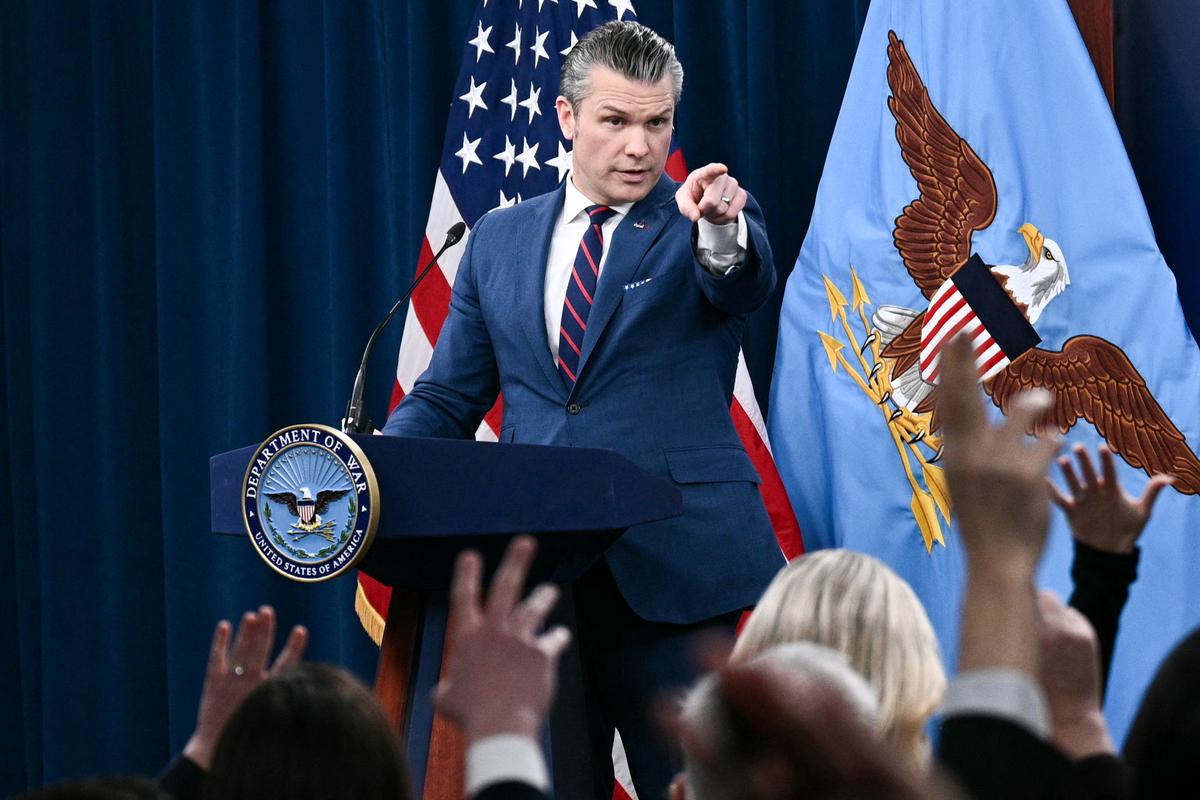
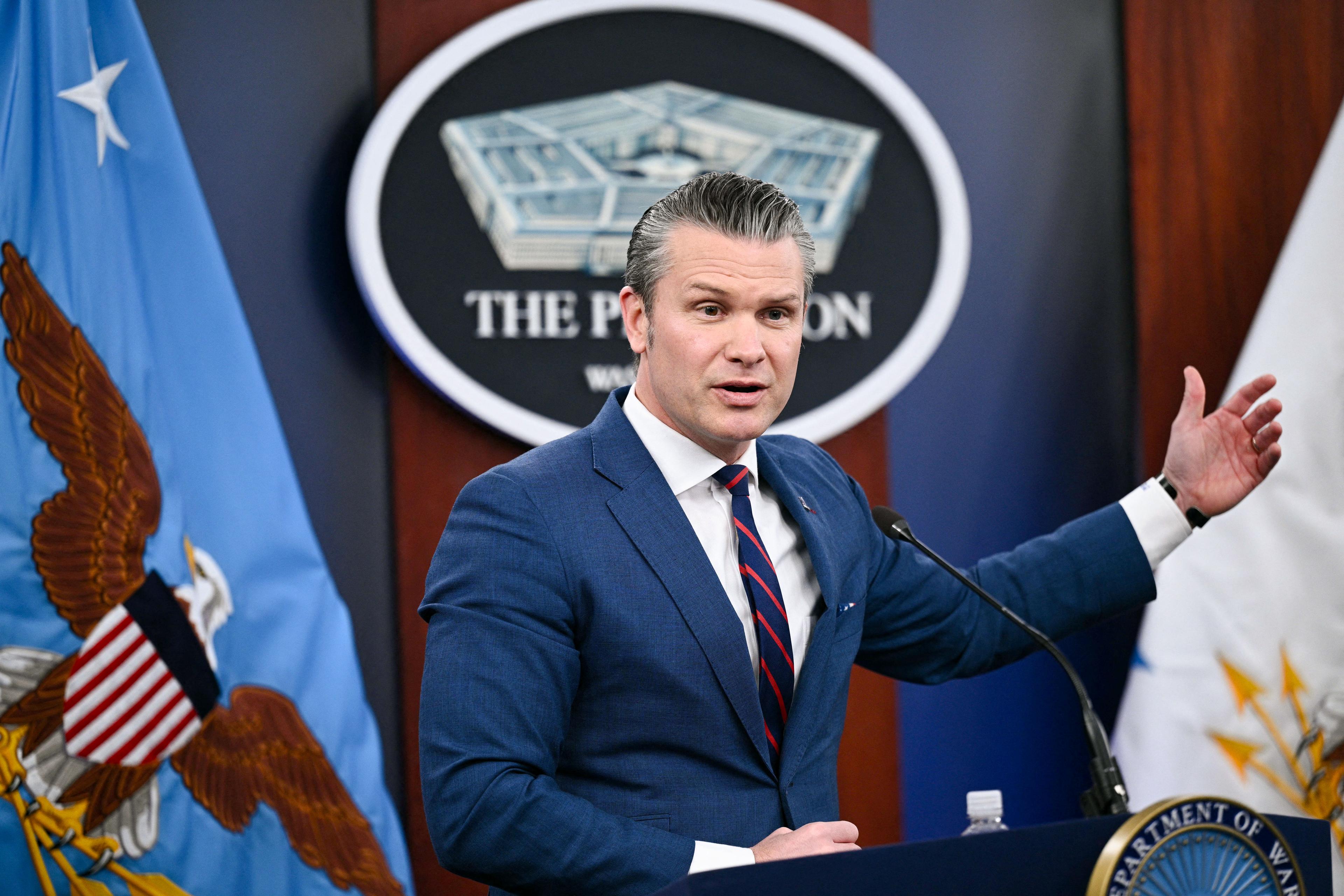
U.S. War Secretary Pete Hegseth said on March 4 that the leader of an Iranian unit who had allegedly attempted to assassinate U.S. President Donald Trump has been “hunted down and killed.”
Hegseth told reporters at the Pentagon that Iran “tried to kill President Trump, and President Trump got the last laugh.”
Hegseth did not name the individual who was killed.
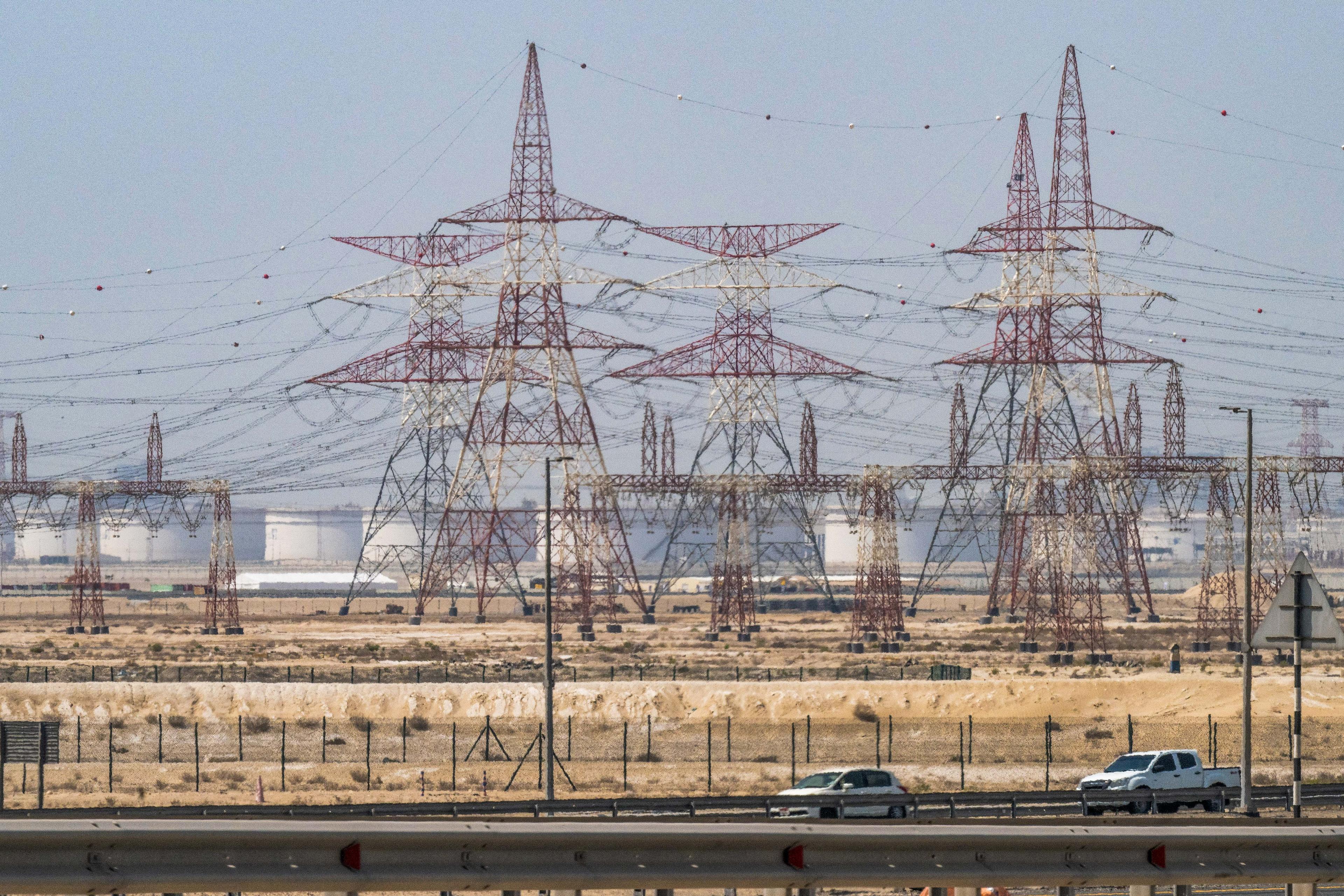

Israeli Defense Minister Israel Katz said in a March 4 post on X that whoever is appointed to replace deceased Iranian leader Ayatollah Ali Khamenei “will be an unequivocal target for elimination.”
“[Prime Minister Benjamin Netanyahu] and I have instructed the IDF to prepare and act by all means to carry out the mission as an integral part of the objectives of Operation ‘Lion’s Roar,’” Katz said, using Israel’s term for the military offensive against Iran and its proxies.
Operation Lion’s Roar is being conducted alongside Operation Epic Fury, the U.S. operation initiated by U.S. President Donald Trump on Feb. 28.
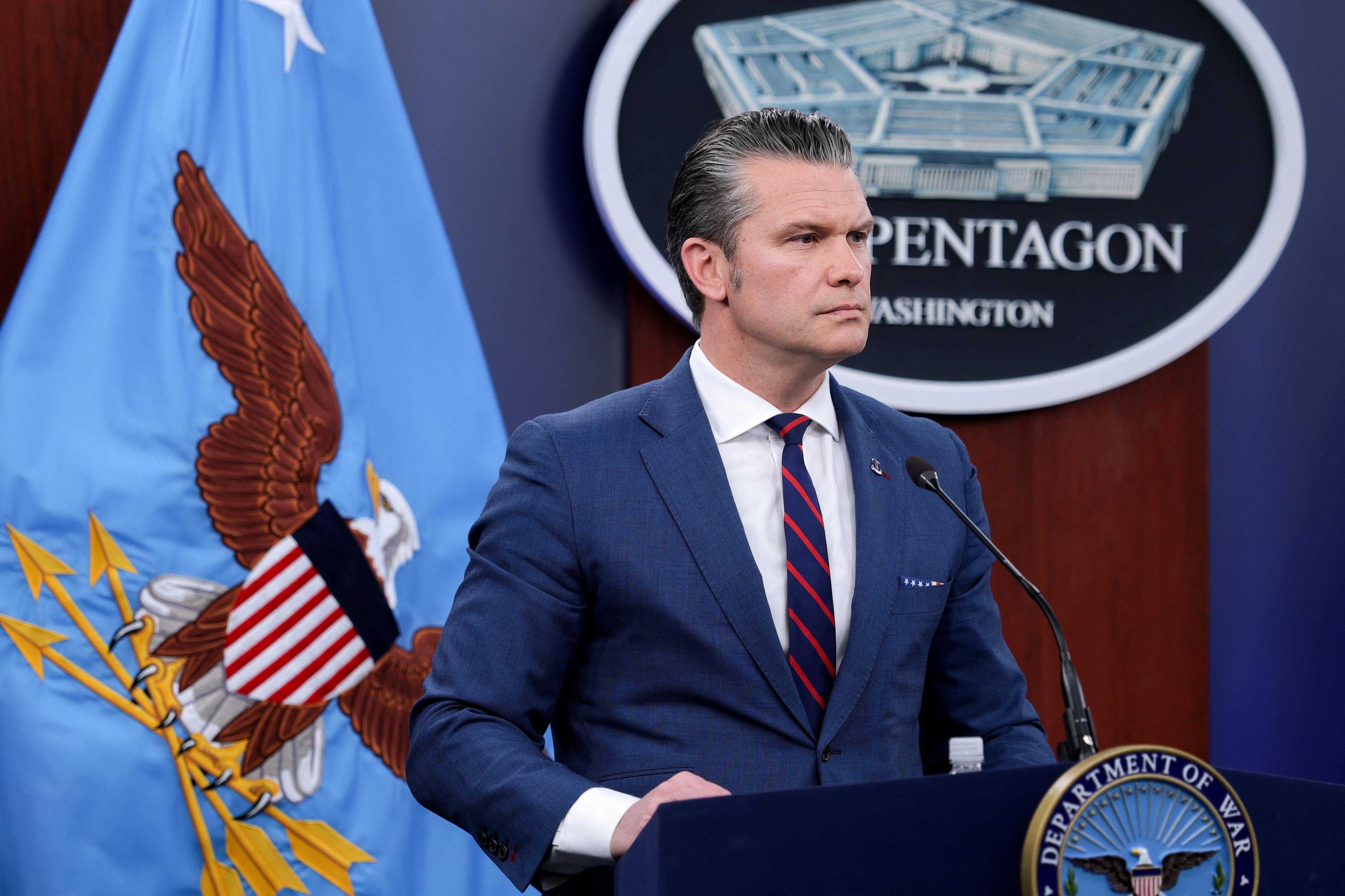
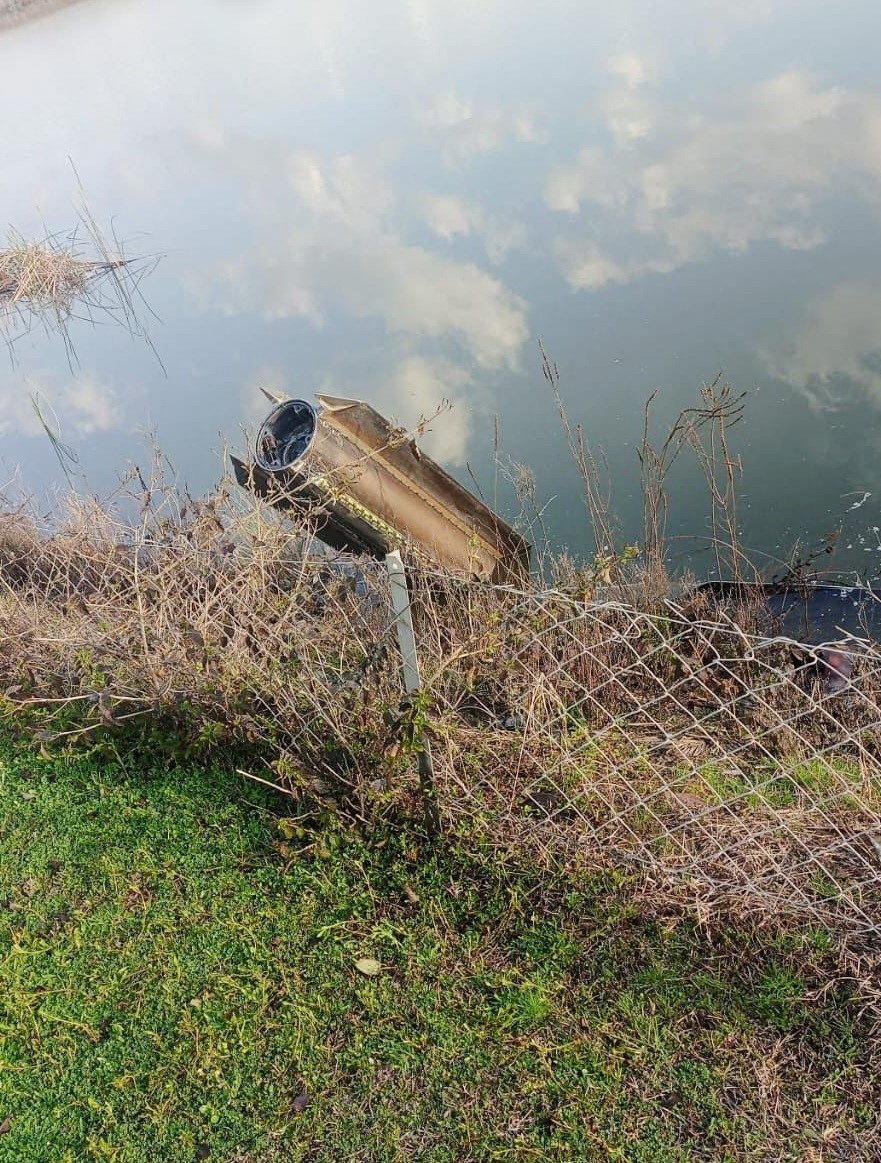

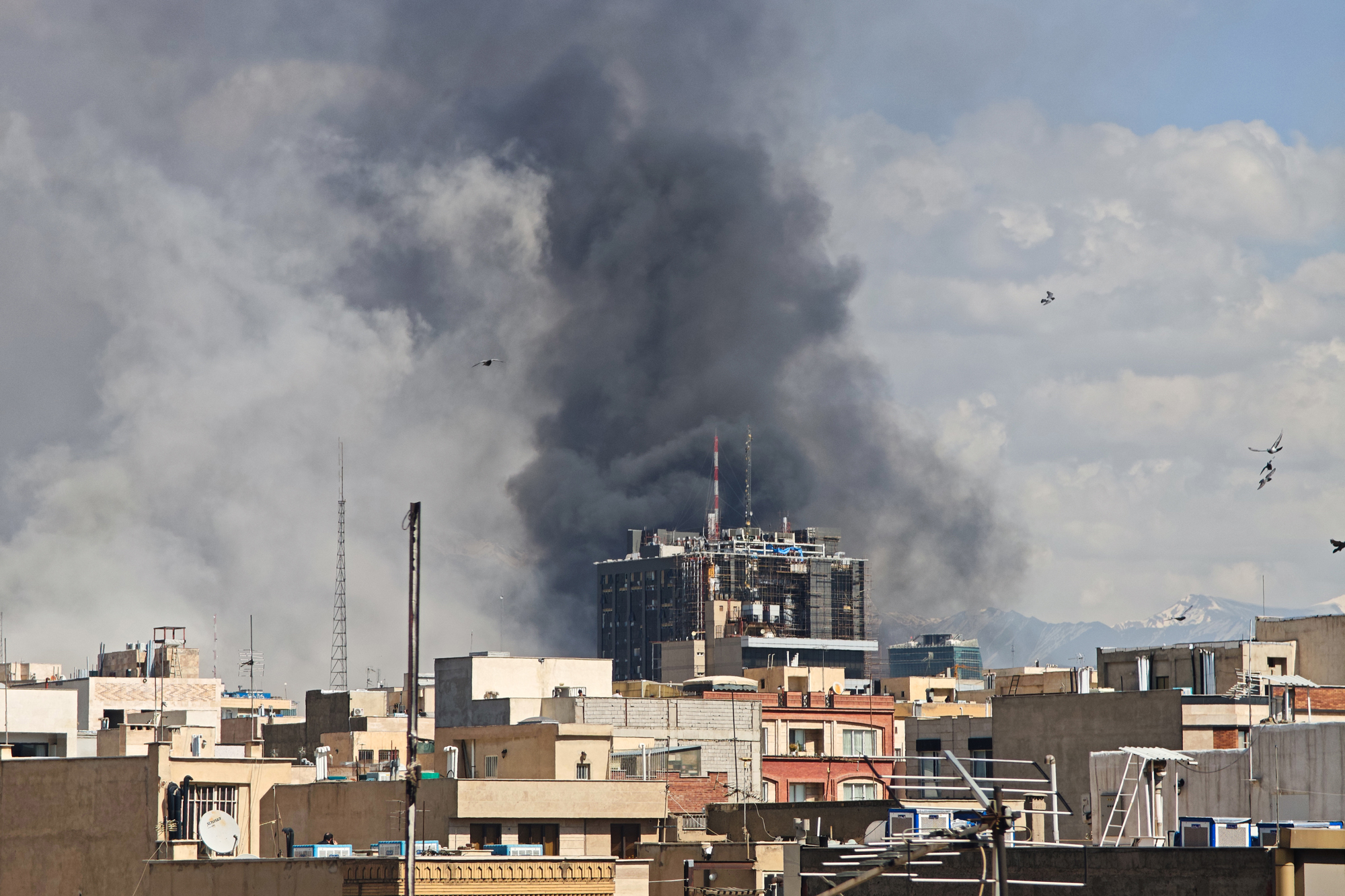
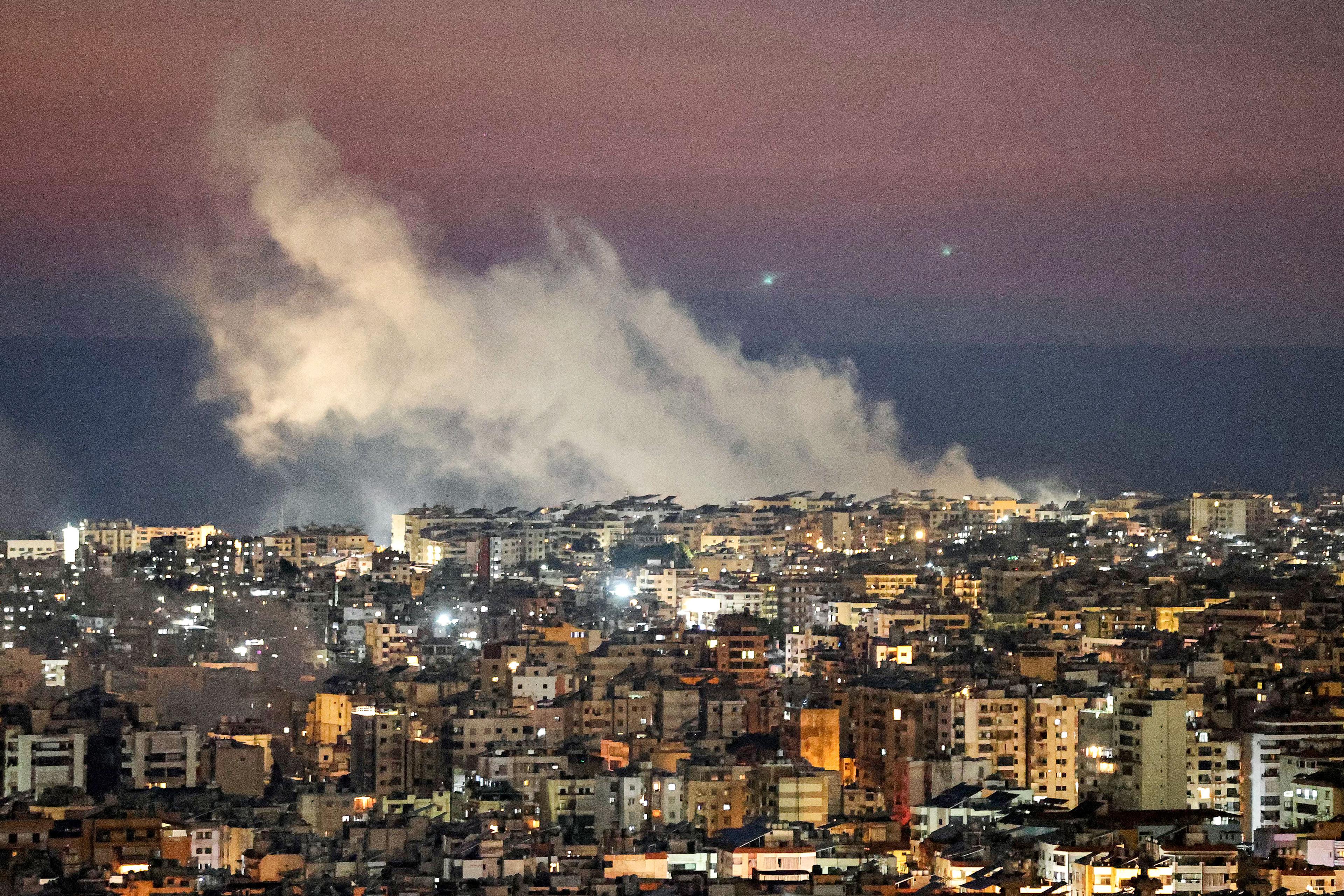
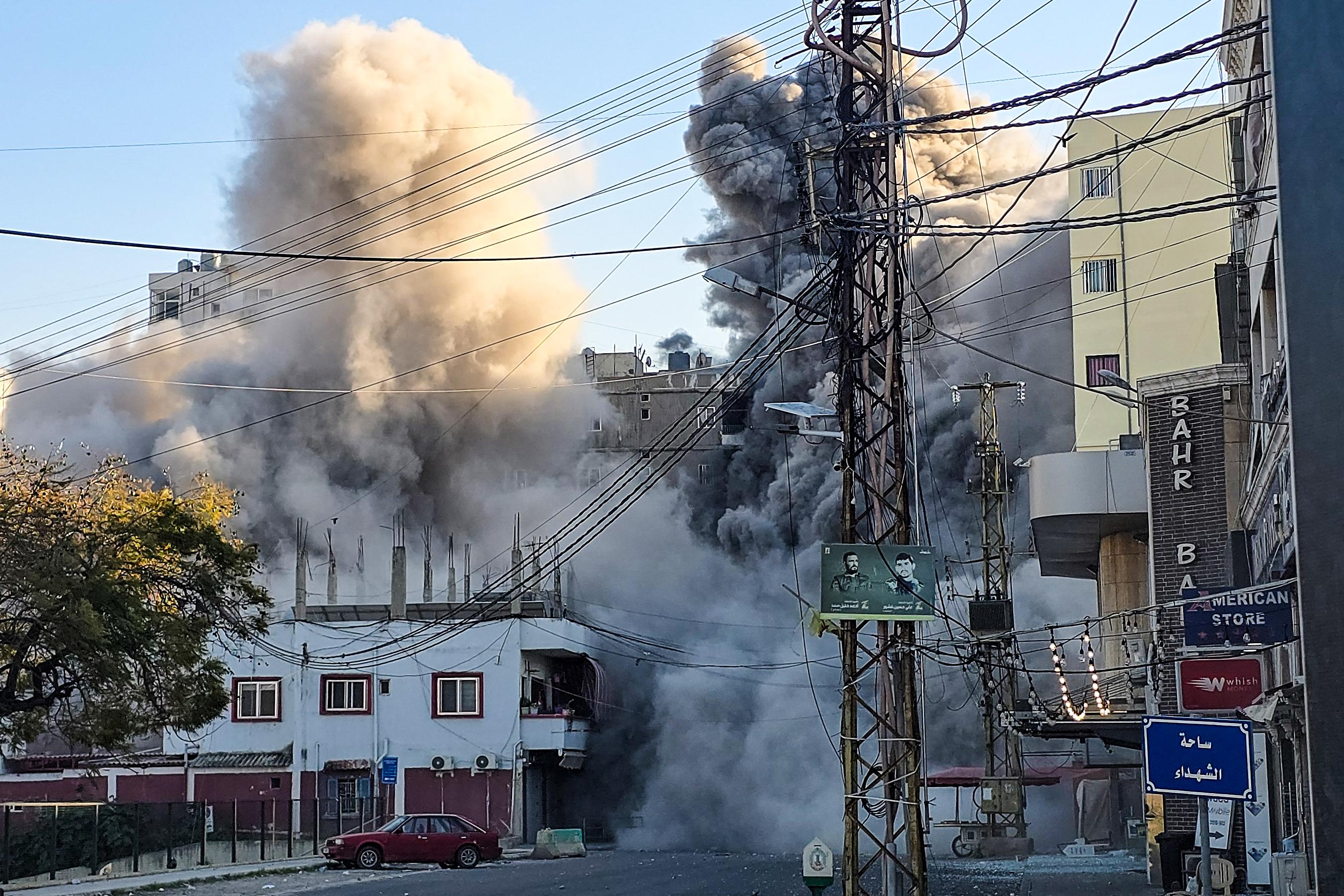
The Israel Defence Forces (IDF) said on March 4 that it launched a fresh wave of strikes against Iran and Lebanon overnight as the U.S.–Israeli joint operation in the Middle East continued.
The IDF said in a post on X that a series of strikes had taken place against the Basij branch of the Islamic Revolutionary Guard Corps (IRGC) and internal security command centers in Tehran.
“The targeted command centers were used by the Iranian regime to maintain control throughout Iran,” the IDF wrote, adding that it had also hit missile launchers and other systems.

Spanish Prime Minister Pedro Sánchez on March 4 called for an end to escalating hostilities in the Middle East and said Madrid was working to assist Spaniards in the region while preparing economic safeguards at home.
“The position of the Government of Spain in the face of this situation is clear and consistent,” Sánchez said in a post on X. “It is the same position we have maintained in Ukraine and Gaza. ... NO TO WAR.”
In a televised address on the same day, Sánchez said the conflict risked destabilizing Europe and the broader international system. He called on the United States, Israel, and Iran to halt the fighting and said the “spiral of violence is avoidable.”


WASHINGTON—At precisely 3:38 p.m. ET on Feb. 27, President Donald Trump was traveling to Texas on Air Force One when he gave the order for American forces to strike Iran.
“Operation Epic Fury is approved. No aborts. Good luck,” Trump told War Secretary Pete Hegseth.
The directive was made after months of escalating tensions with Tehran over its nuclear ambitions and stands as one of the most consequential decisions of Trump’s presidency, with the potential to reshape the Middle East.

Rewriting the script on the Middle East began in May 2025 when President Donald Trump visited three Gulf states, securing hundreds of billions of dollars in deals and resetting relations.
According to Chang, the U.S.–Israel strikes on Iran have shown the limits of China’s power and, like the U.S. operation in Venezuela, have cut down the Chinese Communist Party’s global power without directly engaging with Beijing.



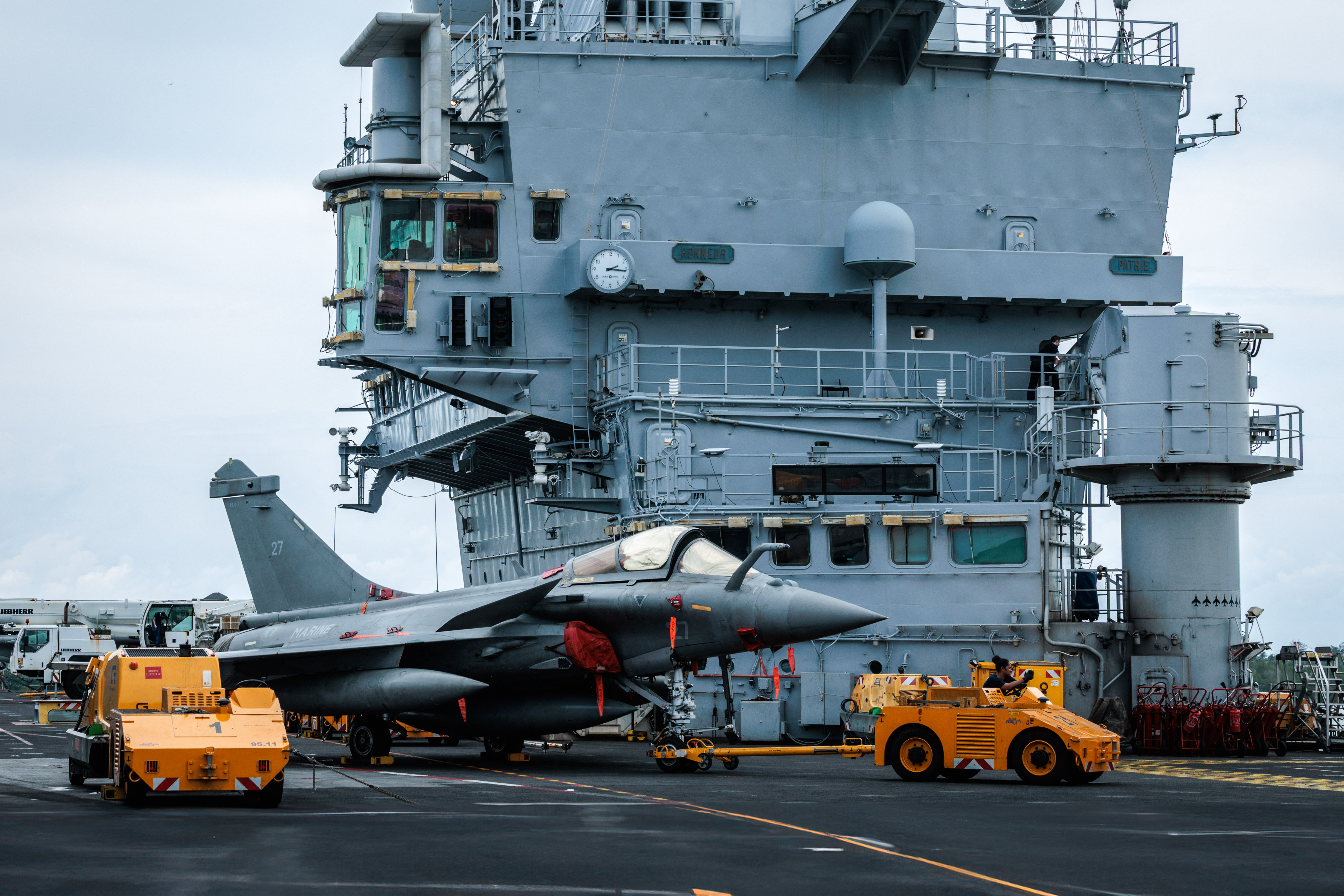
France’s nuclear-powered aircraft carrier Charles de Gaulle has set sail for the Eastern Mediterranean under the orders of French President Emmanuel Macron.
Macron announced his decision in a pre-recorded speech aired on French TV on March 3.
Accompanied by its air assets and frigate escort, the Charles de Gaulle’s main objective was to act in defense of French assets in the Middle East as the entire region faces nondiscriminatory missile and drone attacks from Iran’s Islamic Revolutionary Guard Corps.
Secretary of State Marco Rubio said to date, 9,000 Americans have been able to leave the Middle East since the start of the war with Iran.

According to the diplomat, more U.S. citizens are still trying to leave the area, and the government is working to find charter flights, military flights, and expanded commercial flight options to facilitate the repatriation.


U.S. President Donald Trump said on March 3 that the U.S. Navy could begin escorting tankers through the Strait of Hormuz, a vital artery for oil and gas shipping.
In a post on Truth Social, Trump said he has directed the U.S. International Development Finance Corp. to begin offering political risk insurance and financial guarantees to support the security of all maritime trade moving through the Gulf.
He noted that the measure is aimed particularly at energy shipments, which make up a substantial share of global traffic through the region.
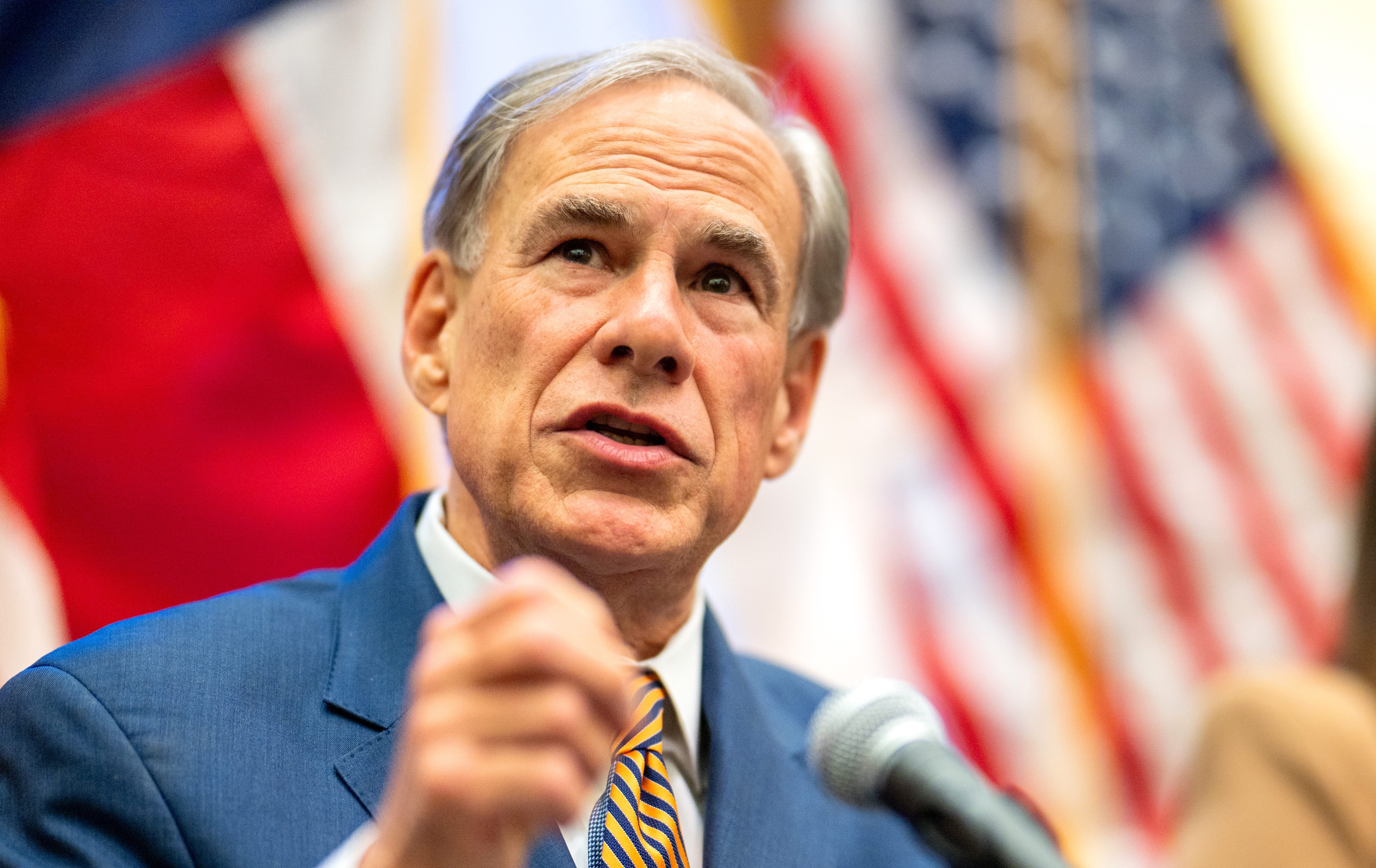
Texas Gov. Greg Abbott on Monday suggested there could be Iranian “sleeper cells” in the state. His comments came after a man opened fire over the weekend at an Austin bar, leaving three dead and more injured.
“We made clear to the public that the state of Texas is taking seriously the possibility of terrorist activity, lone wolf, lone wolf activity,” Abbott, a Republican, told Fox Business’s “Mornings with Maria” on Monday.
The FBI said that it is investigating whether the shooting in Austin was a terrorist act. Police shot and killed the gunman, whom they identified as Ndiaga Diagne, 53, originally from Senegal. Officials have not revealed the motivation behind the attack.
The U.S. Department of State has issued travel warnings to American citizens around the world as the Iran conflict continues for a fourth day.
Americans Told to Leave ‘Now’
Americans in Middle Eastern and North African countries were encouraged to “depart now” through “available commercial transportation” in the midst of the aerial campaign, said State Department Assistant Secretary Mora Namdar in a post on X.Those countries and territories include the following: Bahrain, Egypt, Iran, Iraq, Jordan, Kuwait, Lebanon, Oman, Qatar, Saudi Arabia, Syria, the United Arab Emirates, Yemen, Israel, the West Bank, and Gaza.
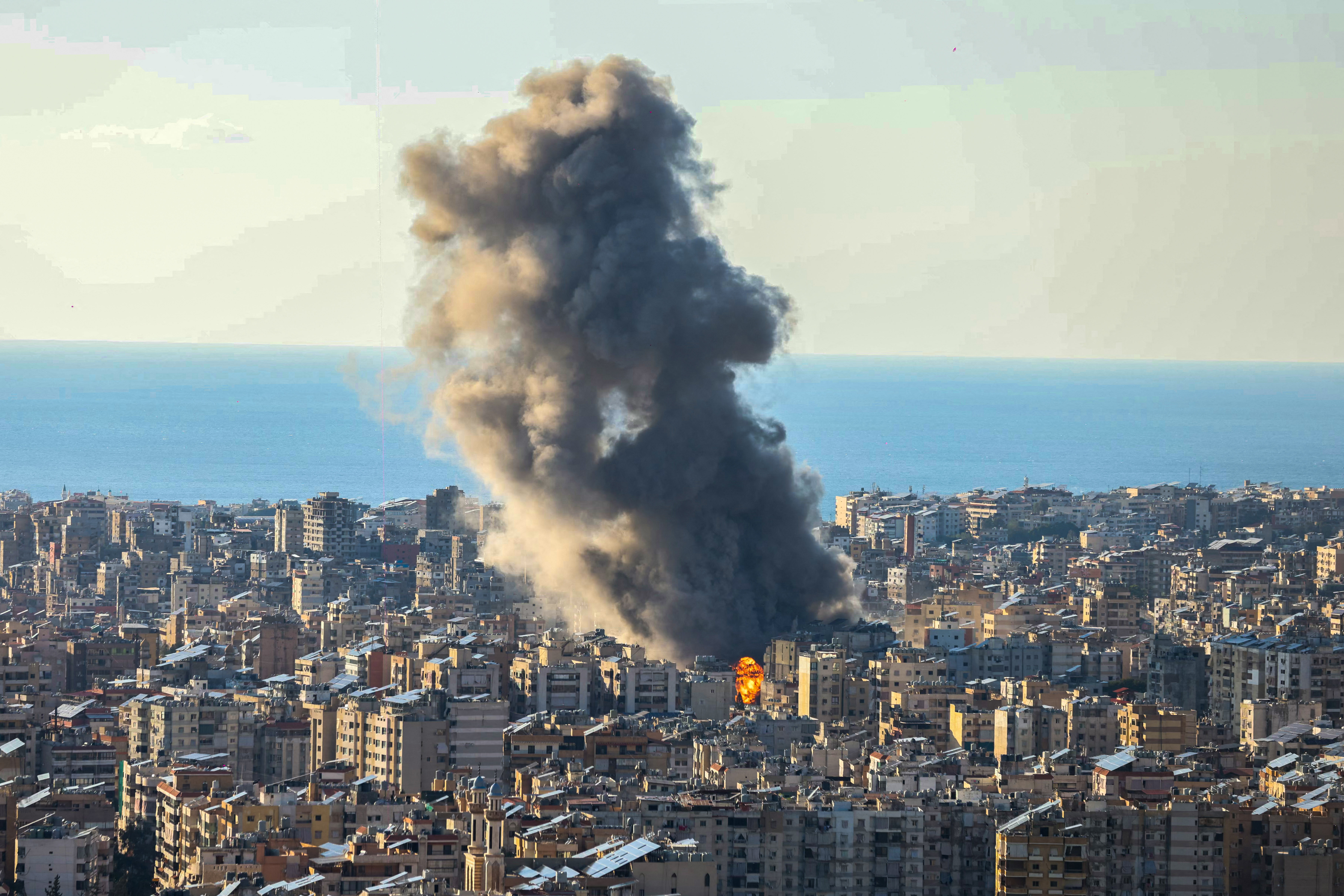
Governments around the world are scrambling to repatriate their citizens from the Middle East, as the Iran War enters its fourth day.
British Foreign Secretary Yvette Cooper told lawmakers in the House of Commons on March 3 that the government is working with airlines to increase capacity out of Muscat, Oman, to repatriate British citizens.
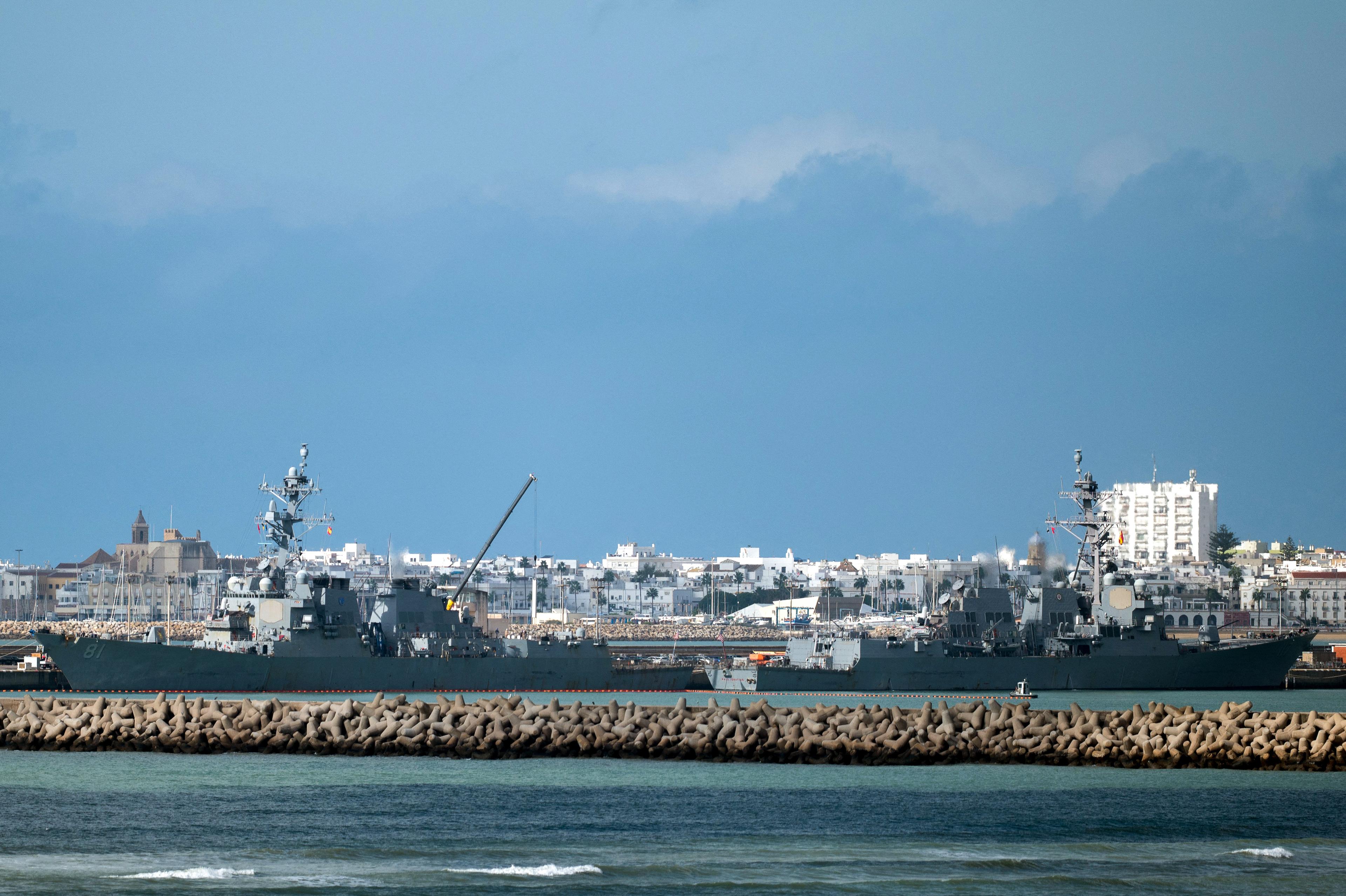
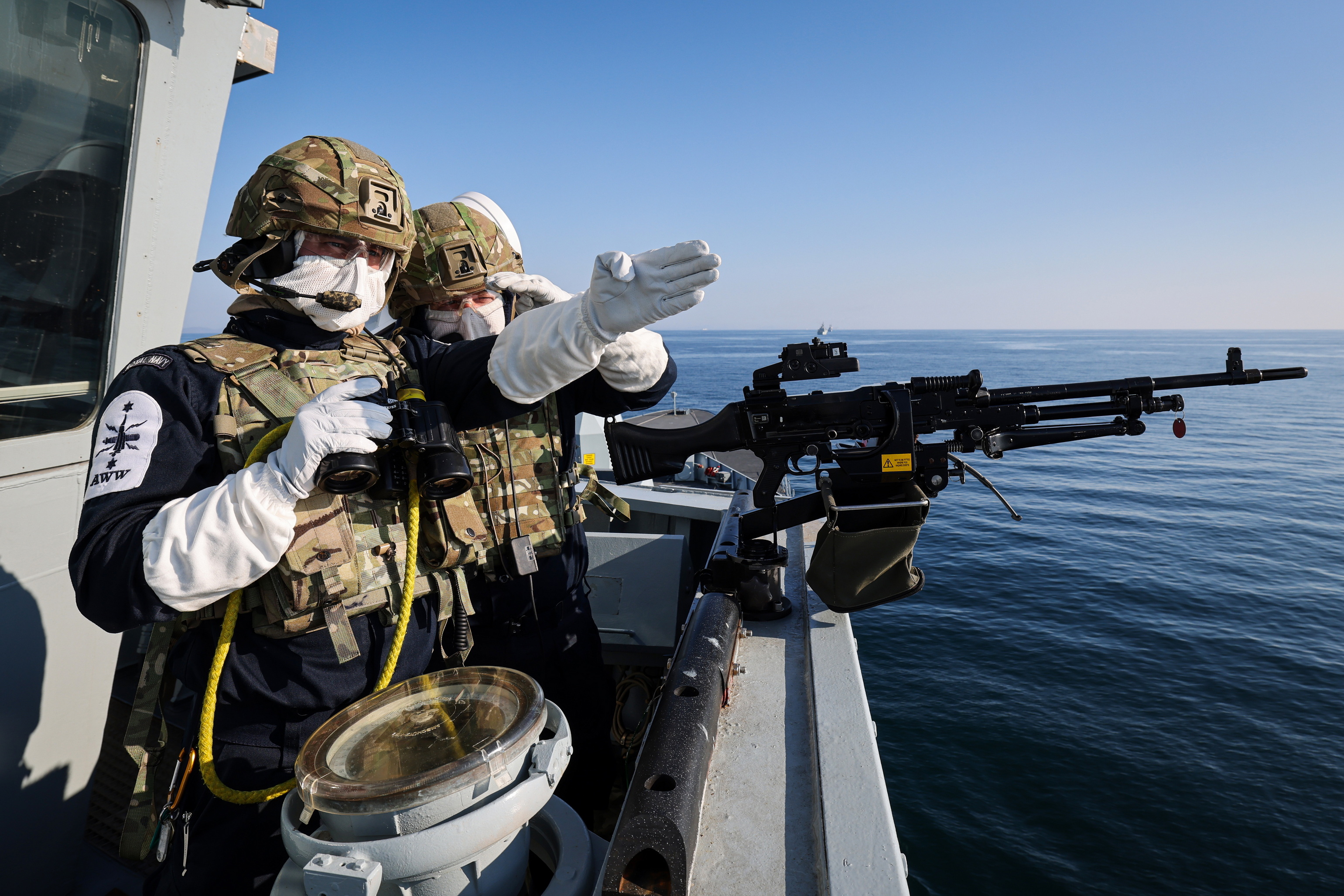
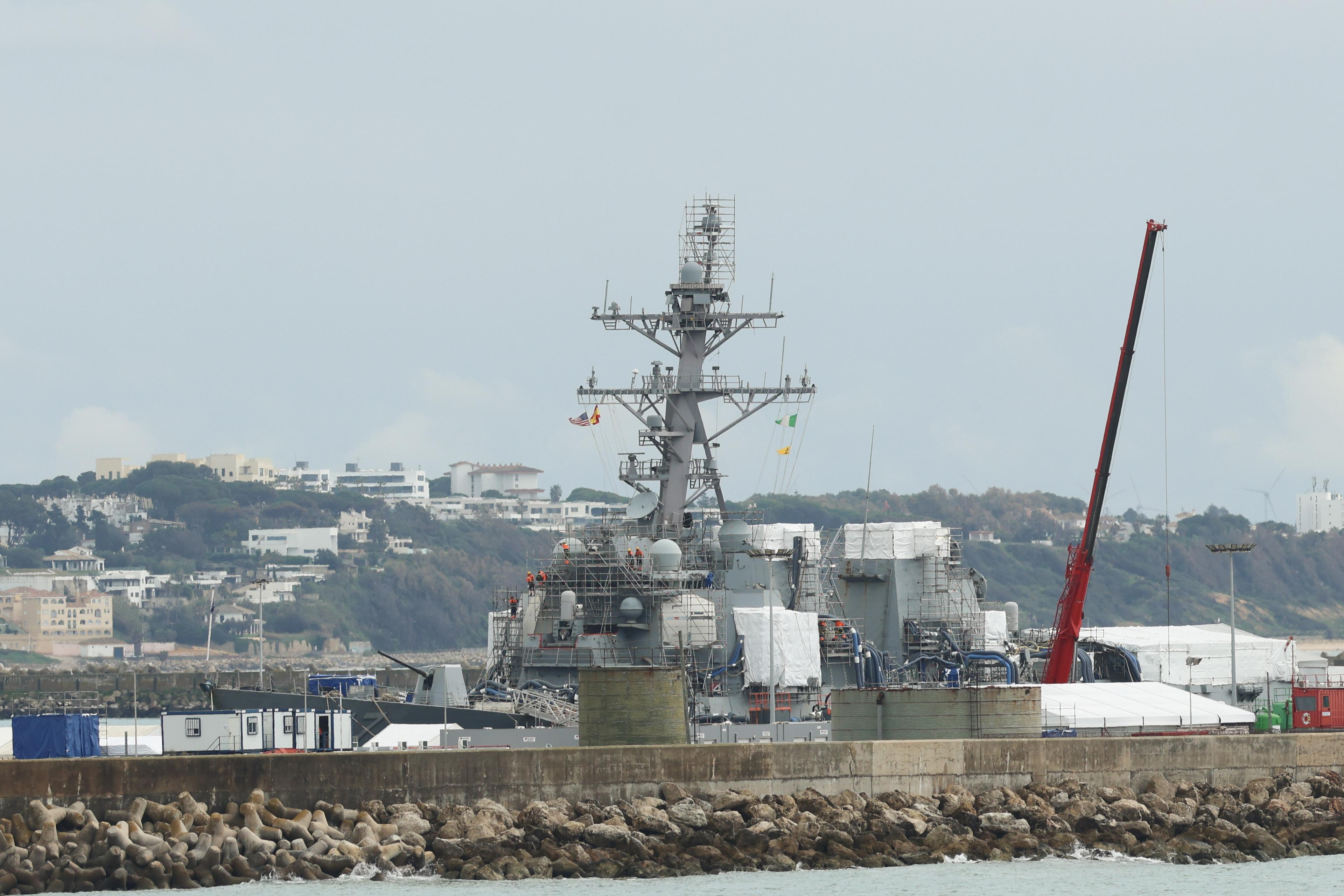
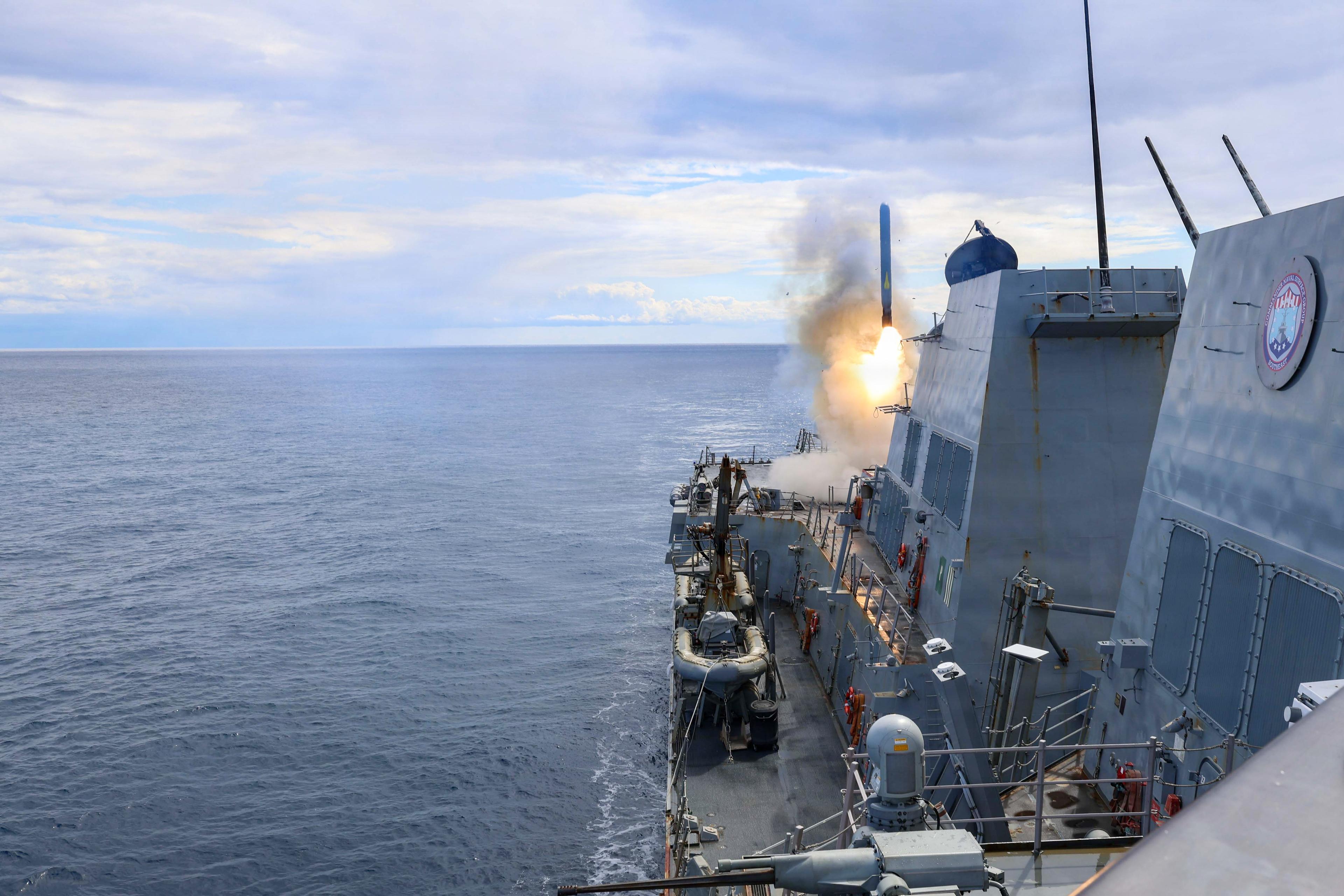
The UK said on March 3 that it will be deploying helicopters with counter-drone capabilities and HMS Dragon, one of the Royal Navy’s six Type 45 air defence destroyers, in the region.
British Prime Minister Keir Starmer made the announcement after speaking with Cypriot President Nikos Christodoulides.

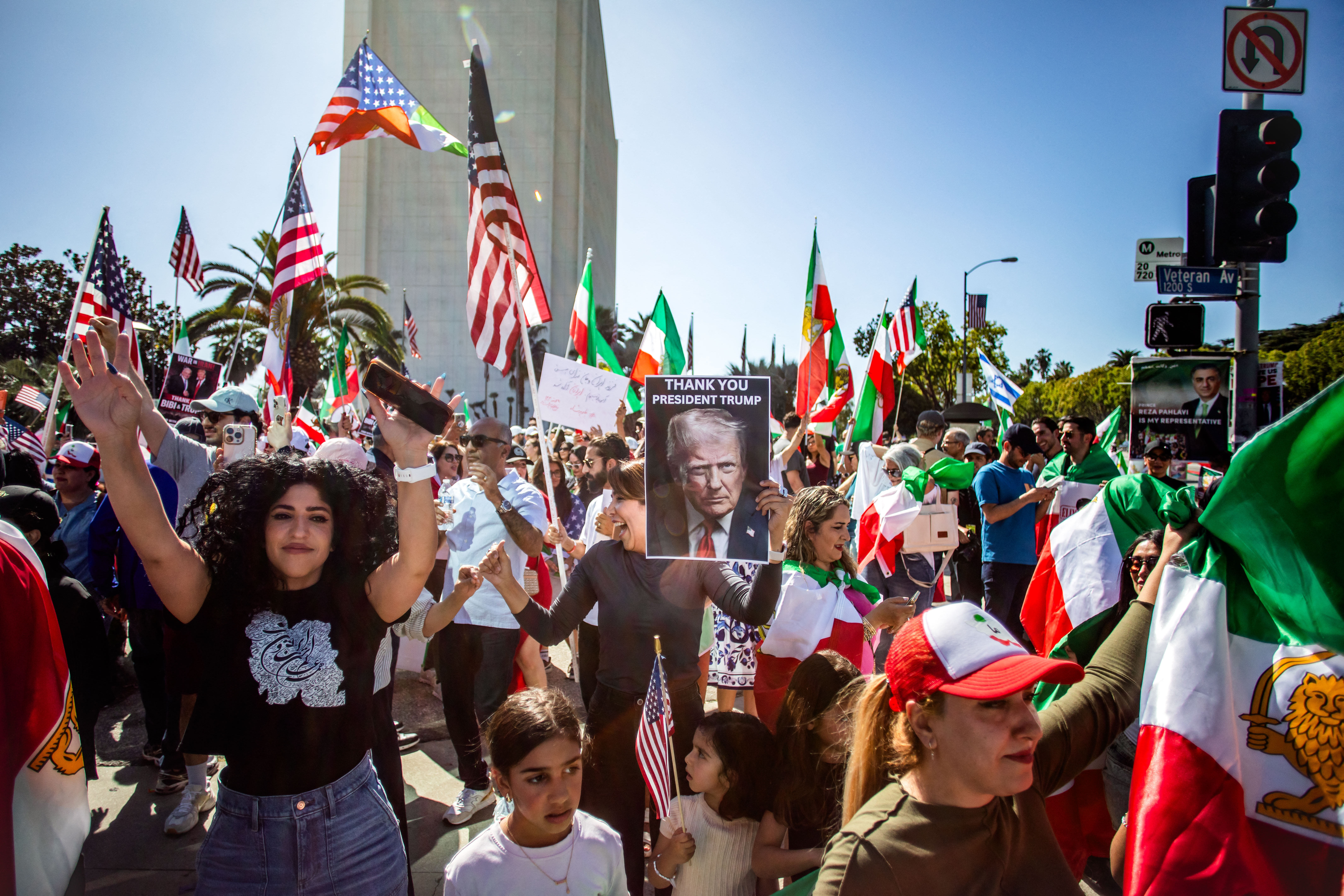
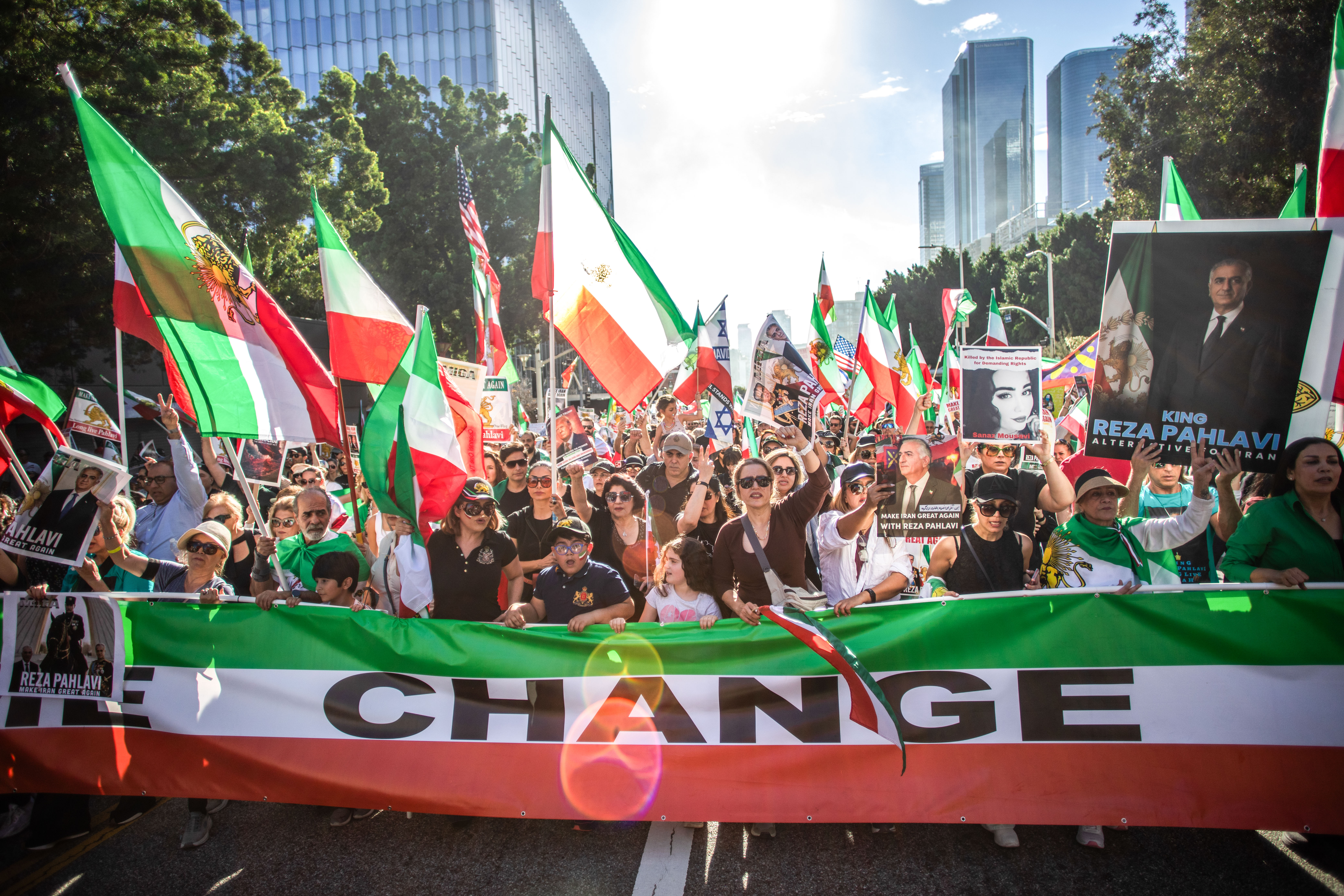
Thousands of Iranian Americans rallied in support of recent military operations following strikes targeting the country’s ruling authorities, with pre-revolutionary Iranian and American flags seen waving together in demonstrations across the United States.
Houman Hemmati, a Jewish Persian American who escaped Iran’s Islamic revolution in 1979 with family as a child, told The Epoch Times the patriotic surge in the diaspora “isn’t politics.“ It is ”family coming home.”
“The Iranian American community is not celebrating death, we are celebrating life,” Hemmati said. “The life that was stolen from us in 1979 is being returned to our brothers and sisters in Iran, and we owe that miracle to the moral courage of the United States and Israel.”

Wall Street’s main indexes dropped on Tuesday as investors grappled with an escalating Iran War that threatens global energy supplies and markets.
The Dow Jones Industrial Average fell 0.84 percent at the open, while the S&P 500 dropped 1.18 percent and the Nasdaq Composite declined 2.01 percent.
Iran is carrying out attacks on vessels across the Gulf of Oman and the wider Persian Gulf, as tensions escalate following U.S.–Israeli strikes on the Middle Eastern nation under Operation Epic Fury.

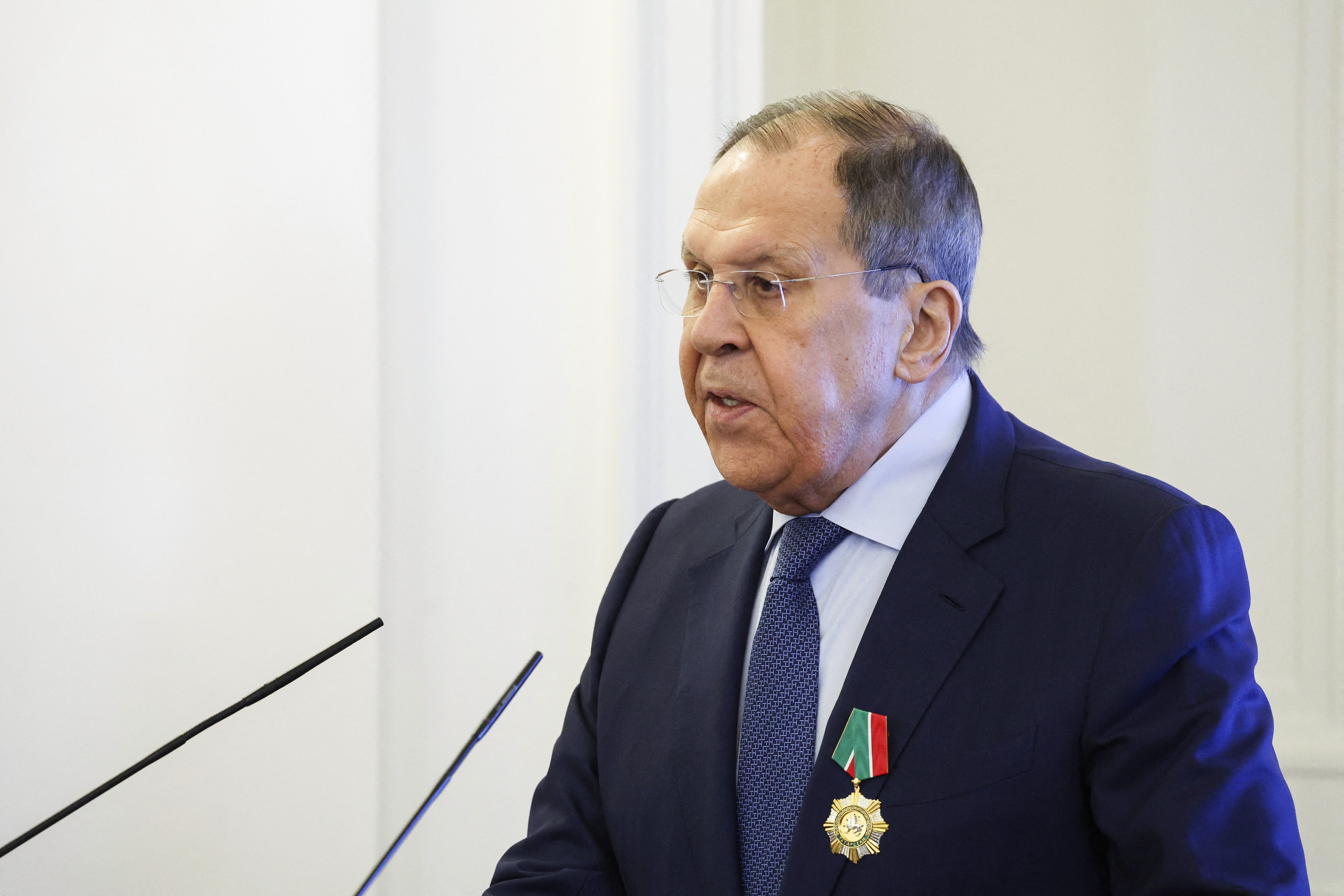
Russian Foreign Minister Sergei Lavrov said on March 3 that the stated aim of the Iran War could have the opposite effect and spur a nuclear arms race in the Middle East and elsewhere.
“This event, this war, which was launched against Iran can prompt not only Iran but also its Arab neighbouring countries to seek to acquire nuclear weapons,” Lavrov said. “That is why it is paradoxical: the declared noble goal of starting a war to prevent the proliferation of nuclear weapons could stimulate exactly the opposite trend.”
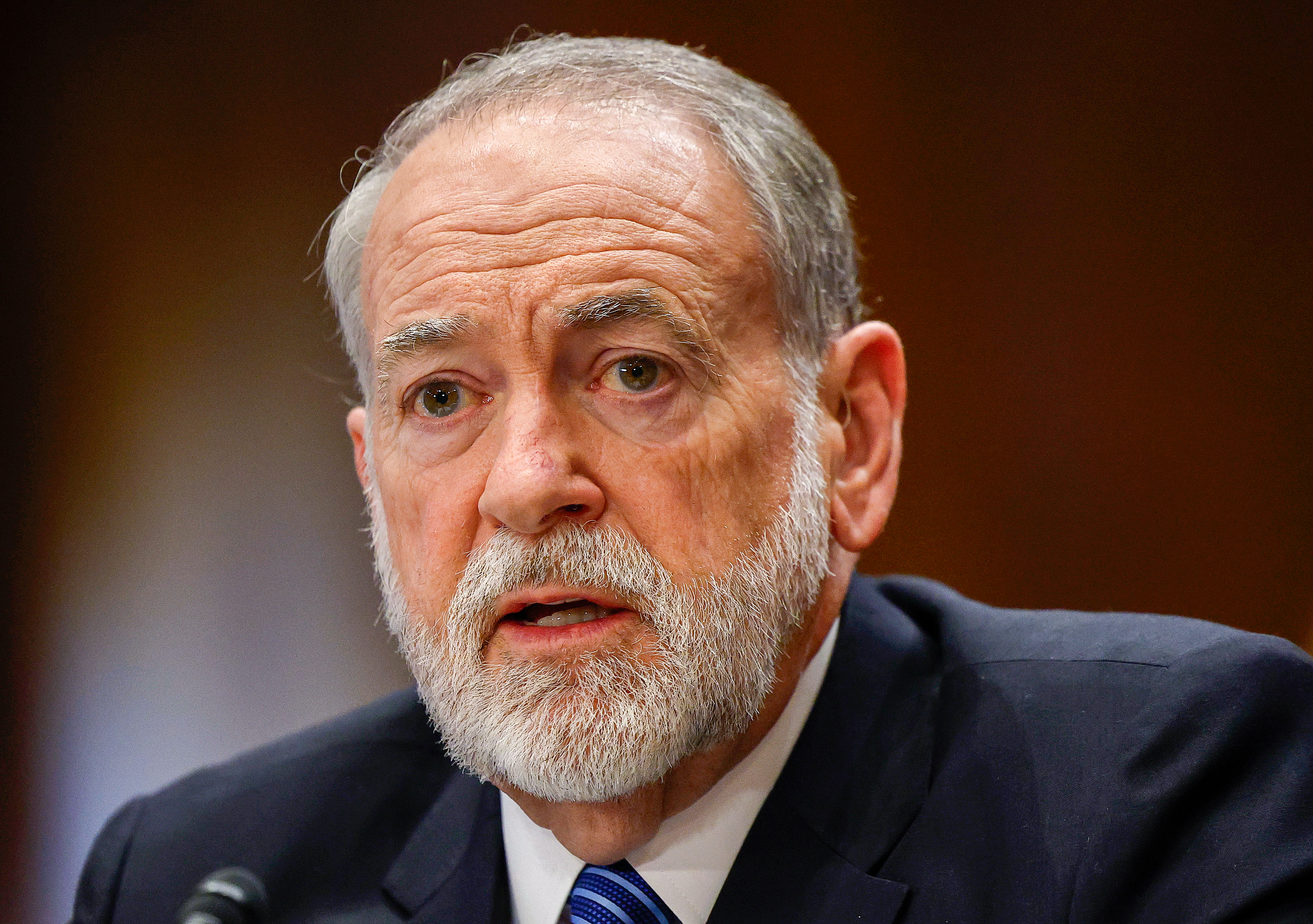
The U.S. Embassy in Jerusalem has said it is unable to evacuate American citizens from Israel, with the ambassador advising citizens to evacuate via the Sinai Peninsula.
“The U.S. Embassy is not in a position at this time to evacuate or directly assist Americans in departing Israel,” the U.S. Embassy in Jerusalem said in a March 2 statement.
It continued to offer guidance to Americans on making their own security plans, such as using the Israeli Ministry of Tourism’s shuttle service to the Taba Border Crossing.
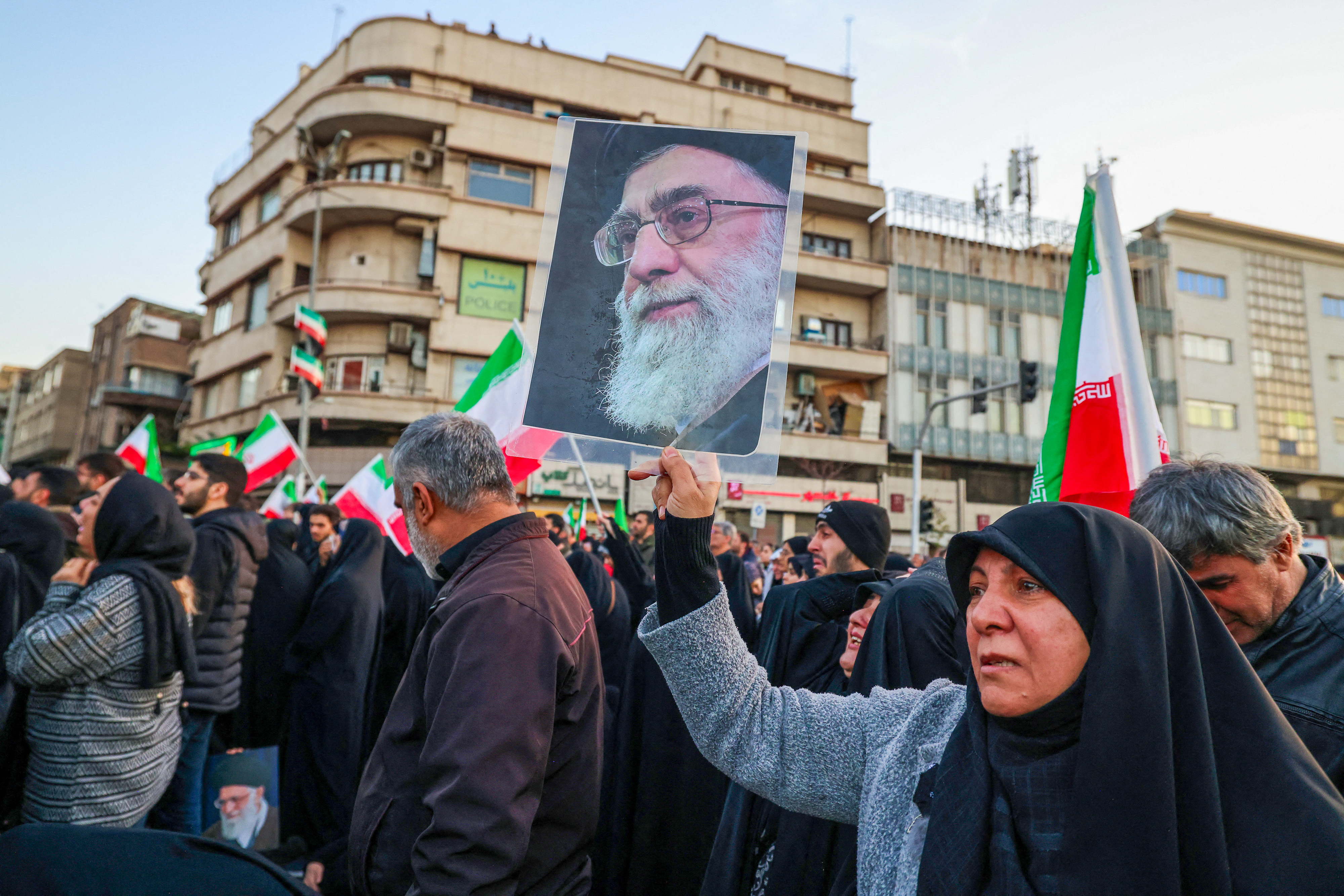
The building of the Assembly of Experts in the Iranian city of Qom was struck on March 3, according to Iran’s semi-official Tasnim News Agency.
Senior Israeli security sources told Epoch Magazine Israel that the strike targeted the Assembly of Experts’ building as the 88-member assembly was voting to choose a successor to the slain Iranian leader Ayatollah Ali Khamenei.
According to Tasnim News Agency, the building in Qom’s Resalat Square was empty at the time. The Iranian publication reported that other nearby residential buildings and shops were damaged in the attack.
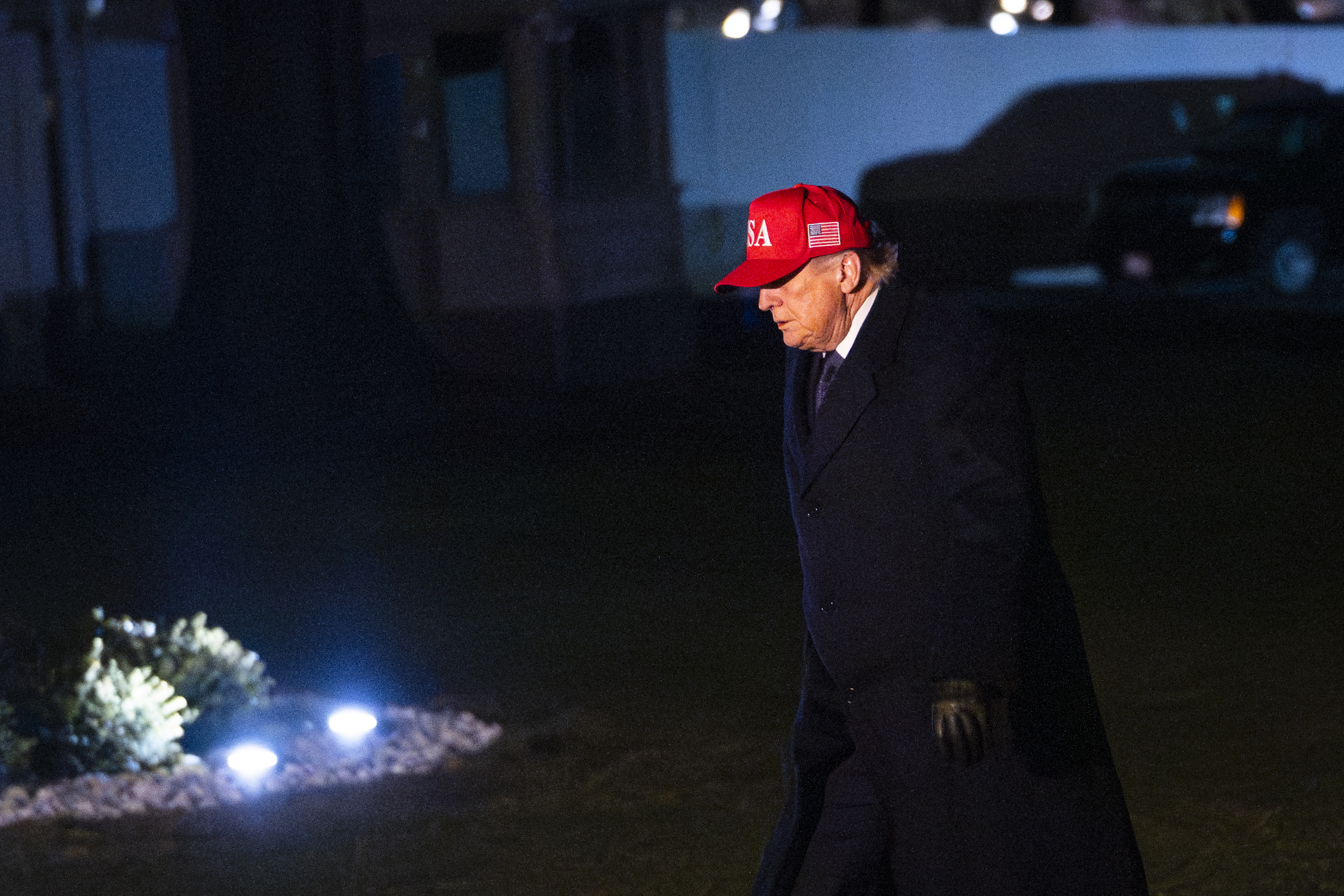
President Donald Trump said on Tuesday that he told Iran’s new leadership that it’s “too late” to have negotiations amid U.S. and Israeli strikes targeting the country since Saturday morning.
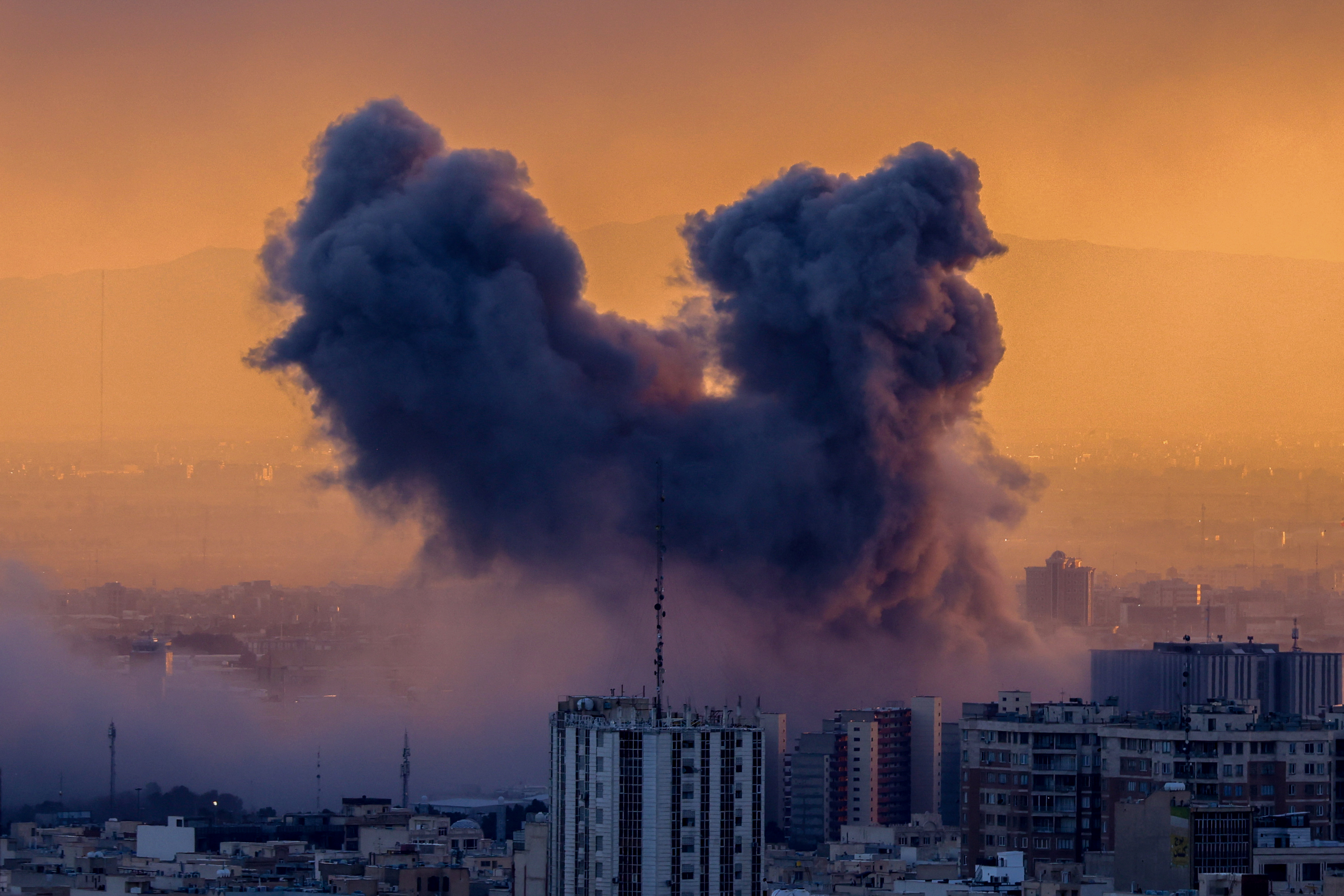
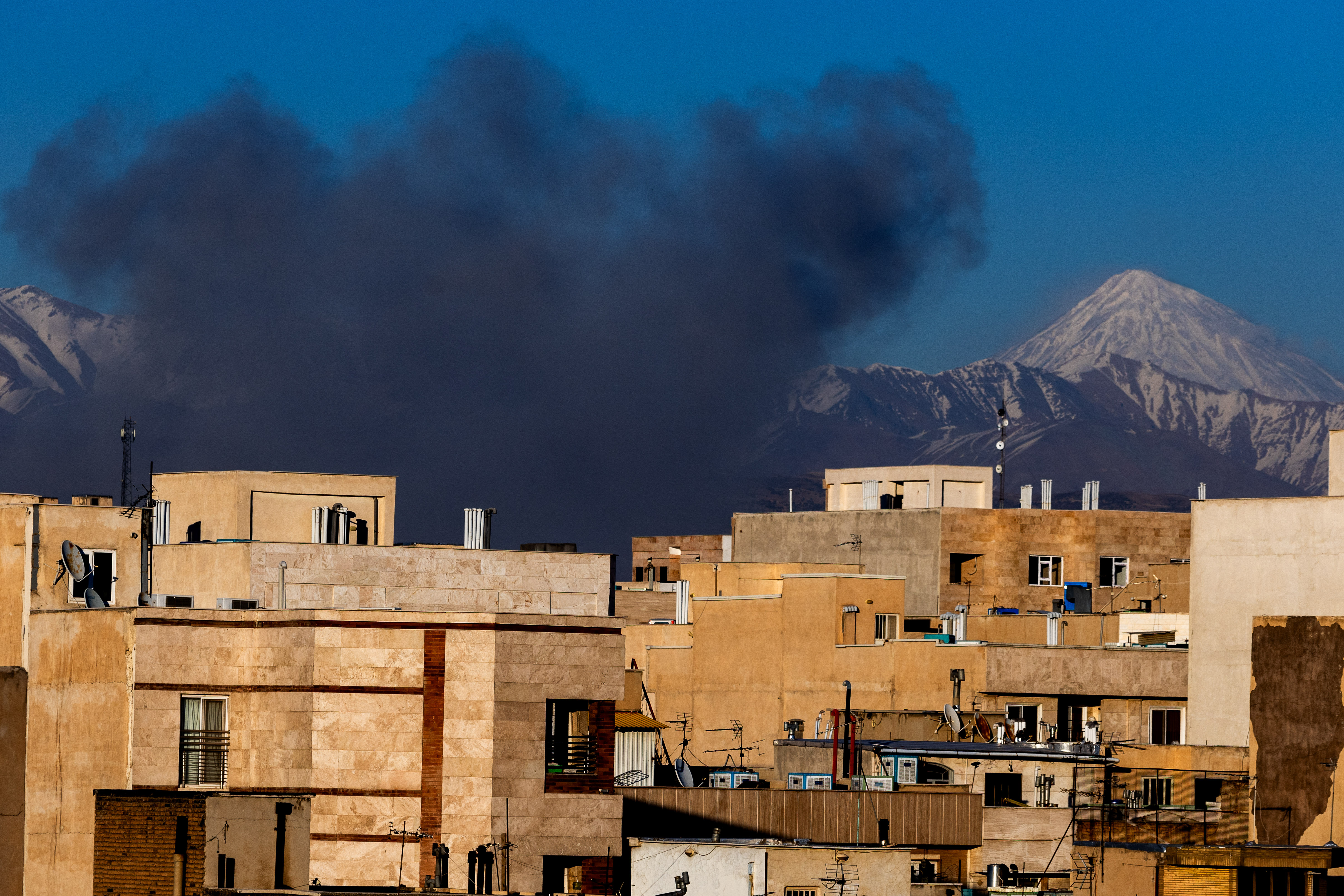
Strikes on Saturday killed Iran’s top leader, Ayatollah Ali Khamenei, and dozens of high-level Iranian officials. Across the Iranian capital city of Tehran, explosions rang out early Tuesday morning as the United States and Israel hit Iran with new airstrikes. Iran and its allies have hit back against Israel, neighboring Gulf states, and targets critical to the world’s oil and natural gas production.
“Their air defense, Air Force, Navy, and Leadership is gone. They want to talk. I said ‘Too Late!’” Trump wrote in a post on Truth Social, responding to a Washington Post article about the strikes and the president’s strategy.
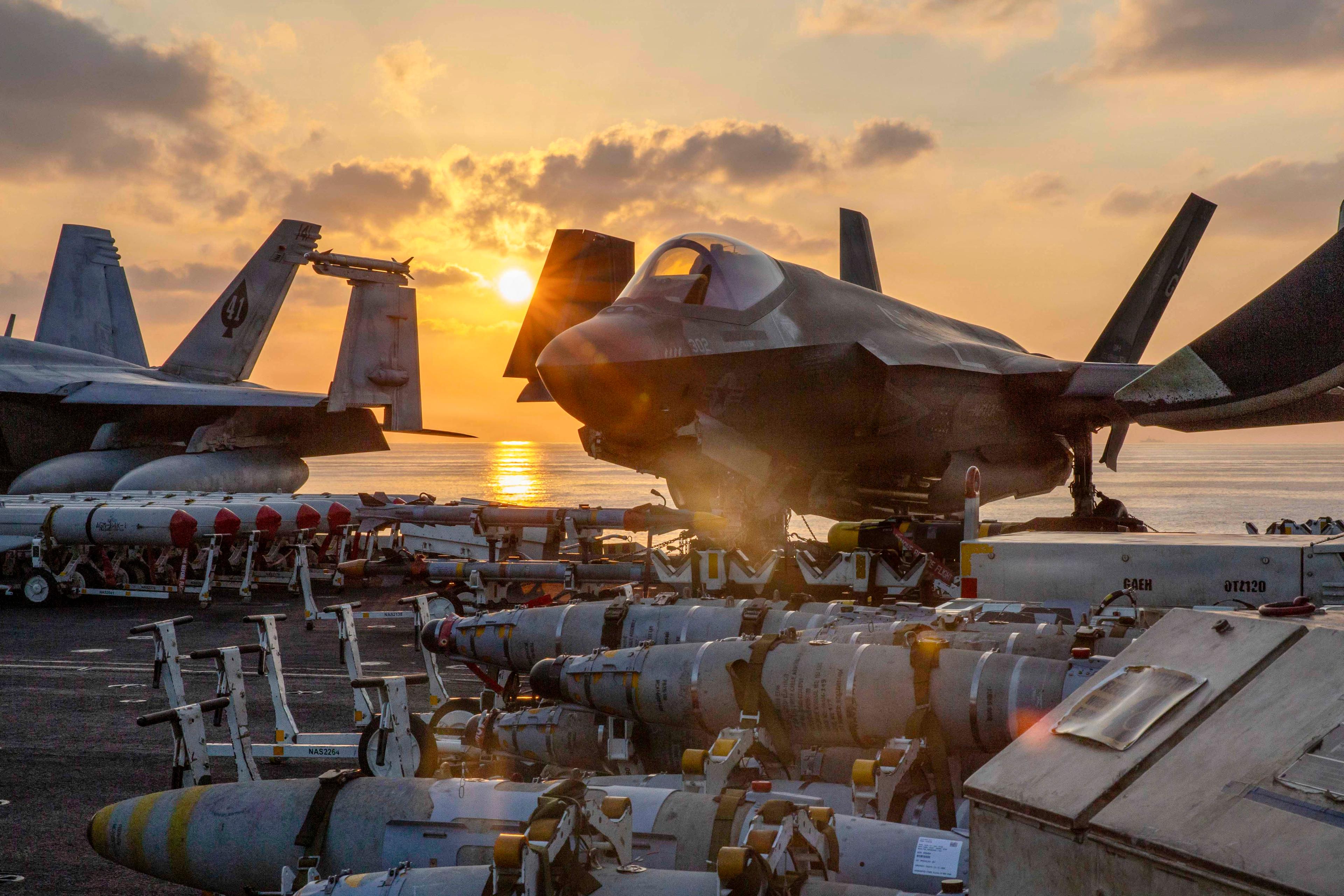
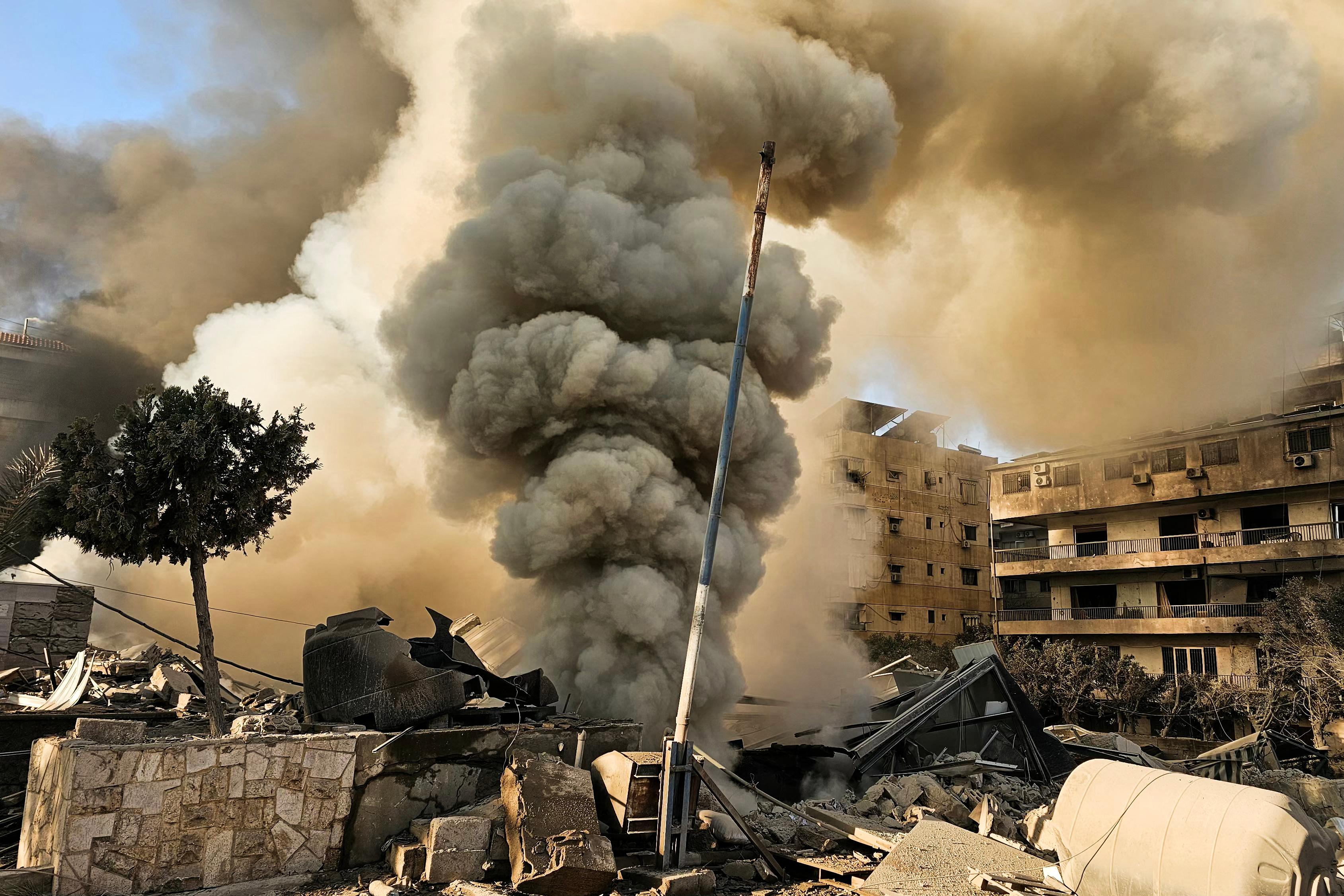


Speculation about who could replace Ali Khamenei—who was in power for 37 years—as head of the Iranian regime had over the years developed a narrative of its own, with names ranging from his cleric son to former presidents and even a leadership council.
But with a U.S.–Israel strike incapacitating the regime by taking out key sites and figures, starting with Khamenei himself on day one, the situation is too fluid to say with any level of certainty who could assume the leadership and who the real power brokers now are, analysts told The Epoch Times. Any candidates could be eliminated in the barrage of strikes, or the regime itself may fall, they said.

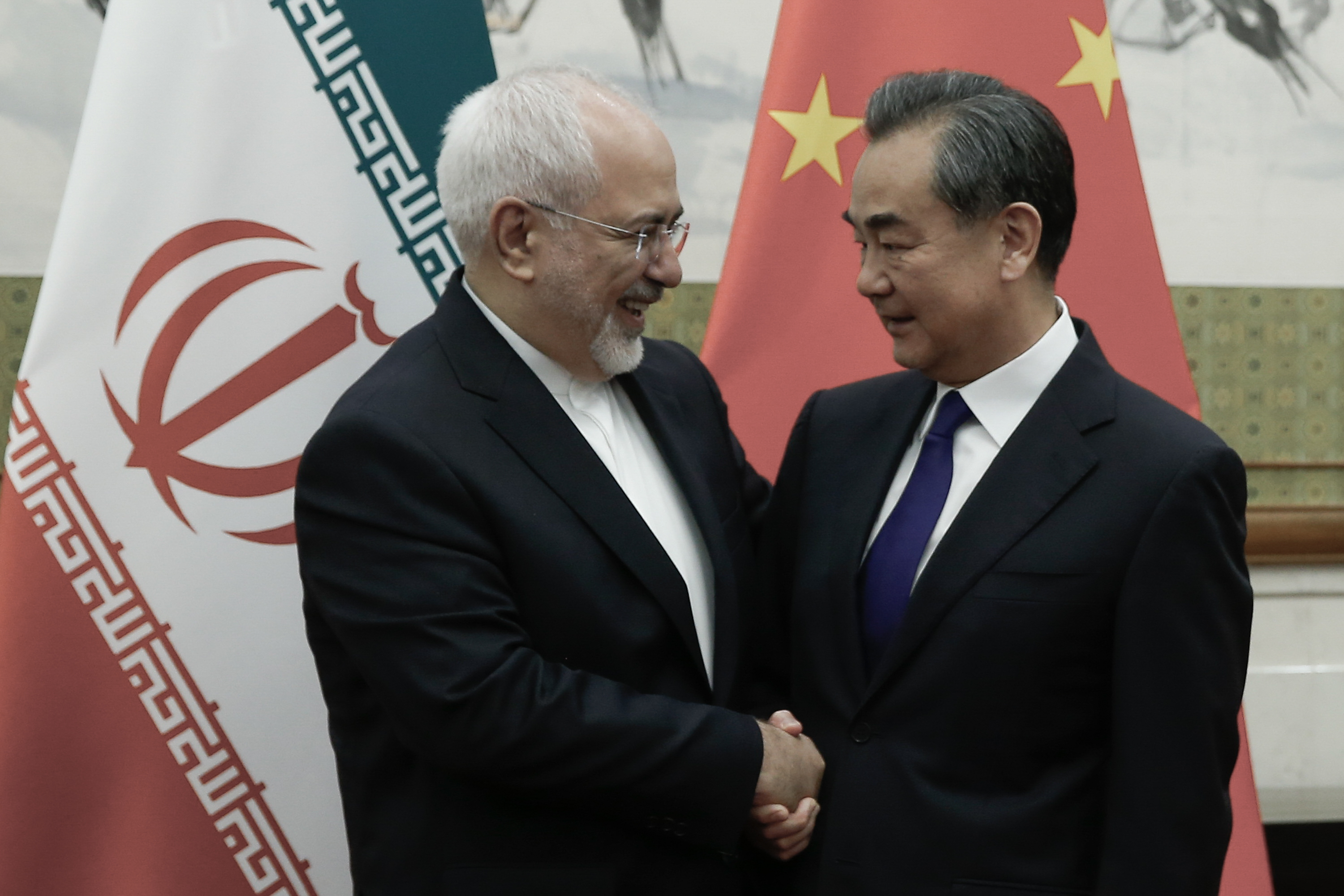
When Western allies reacted to the U.S.–Israeli strikes on Iran, Beijing’s response was measured.
The Chinese foreign ministry statement came seven hours after the operation began and contained slightly more than 80 words. The spokesperson said Beijing is “highly concerned” and called for “an immediate stop to the military actions.”
There was no mention of either the United States or Israel.
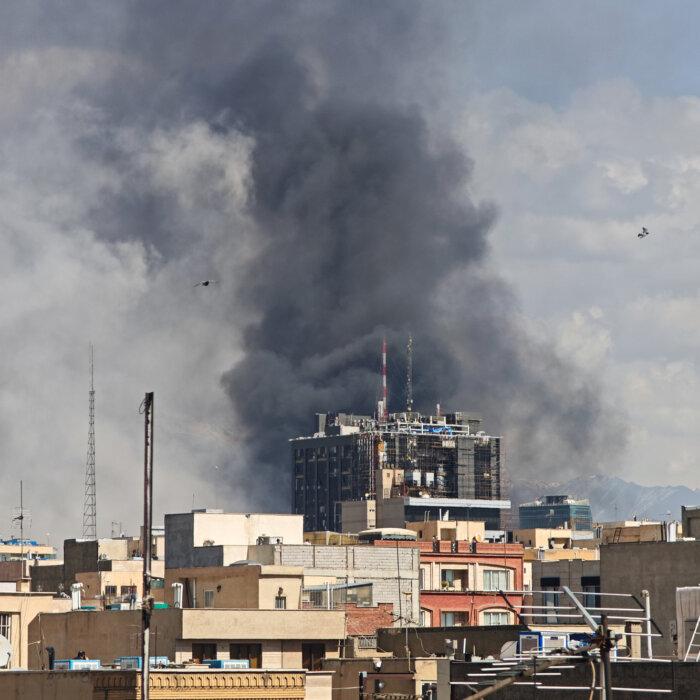



A spokesperson for the Saudi Ministry of Defense said on social media on March 2 that the U.S. Embassy in Riyadh had been attacked by two drones. The attack resulted “in a limited fire and minor material damage to the building,” the spokesperson said.
The U.S. Mission in Saudi Arabia issued a shelter-in-place notification for Jeddah, Riyadh, and Dhahran, and limited nonessential travel to any military installations in the region following the blasts. It recommended that Americans in Saudi Arabia avoid the U.S. Embassy until further notice.
It is unknown whether there were any casualties in the attack.
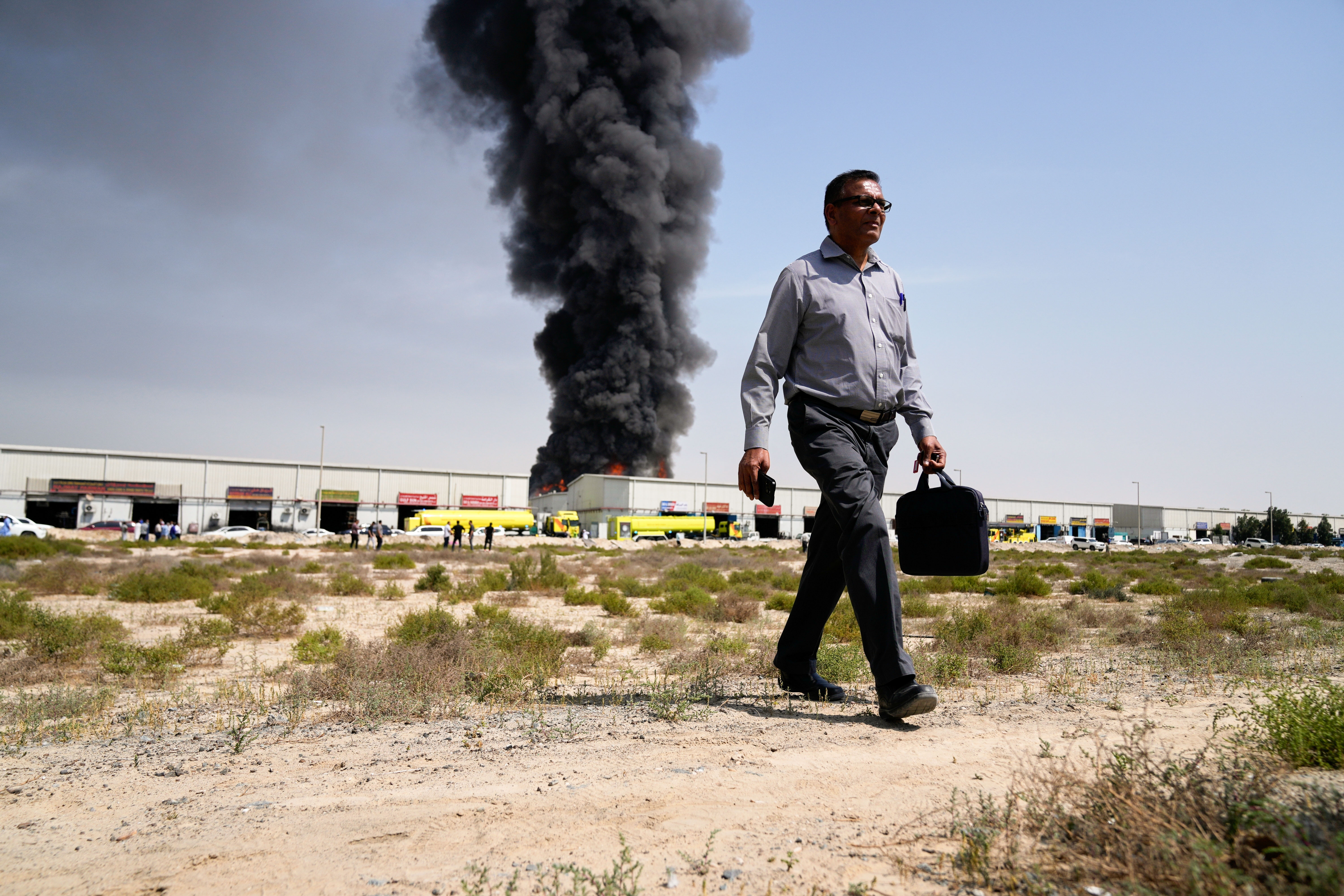
The U.S. State Department on March 2 urged any Americans currently in more than a dozen Middle East nations and regions to leave immediately due to “serious safety risks” as the Iran war continues in its third day.
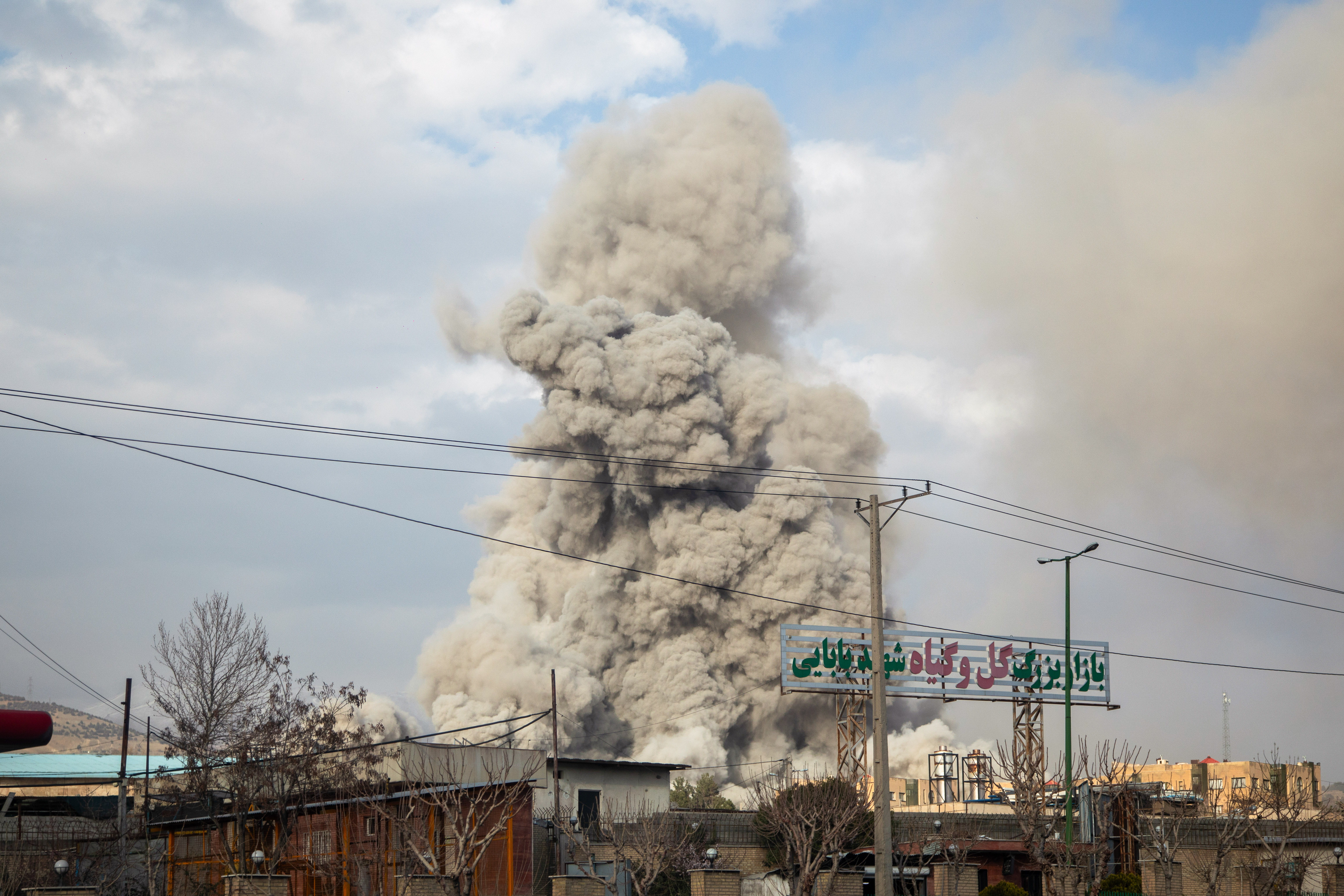
Six U.S. service members have been killed in action in the U.S. war with Iran, as of March 2.
The Pentagon announced that the remains of two military members have been recovered.
“U.S. forces recently recovered the remains of two previously unaccounted for service members from a facility that was struck during Iran’s initial attacks in the region,” said U.S. Central Command (CENTCOM) in a statement on X.
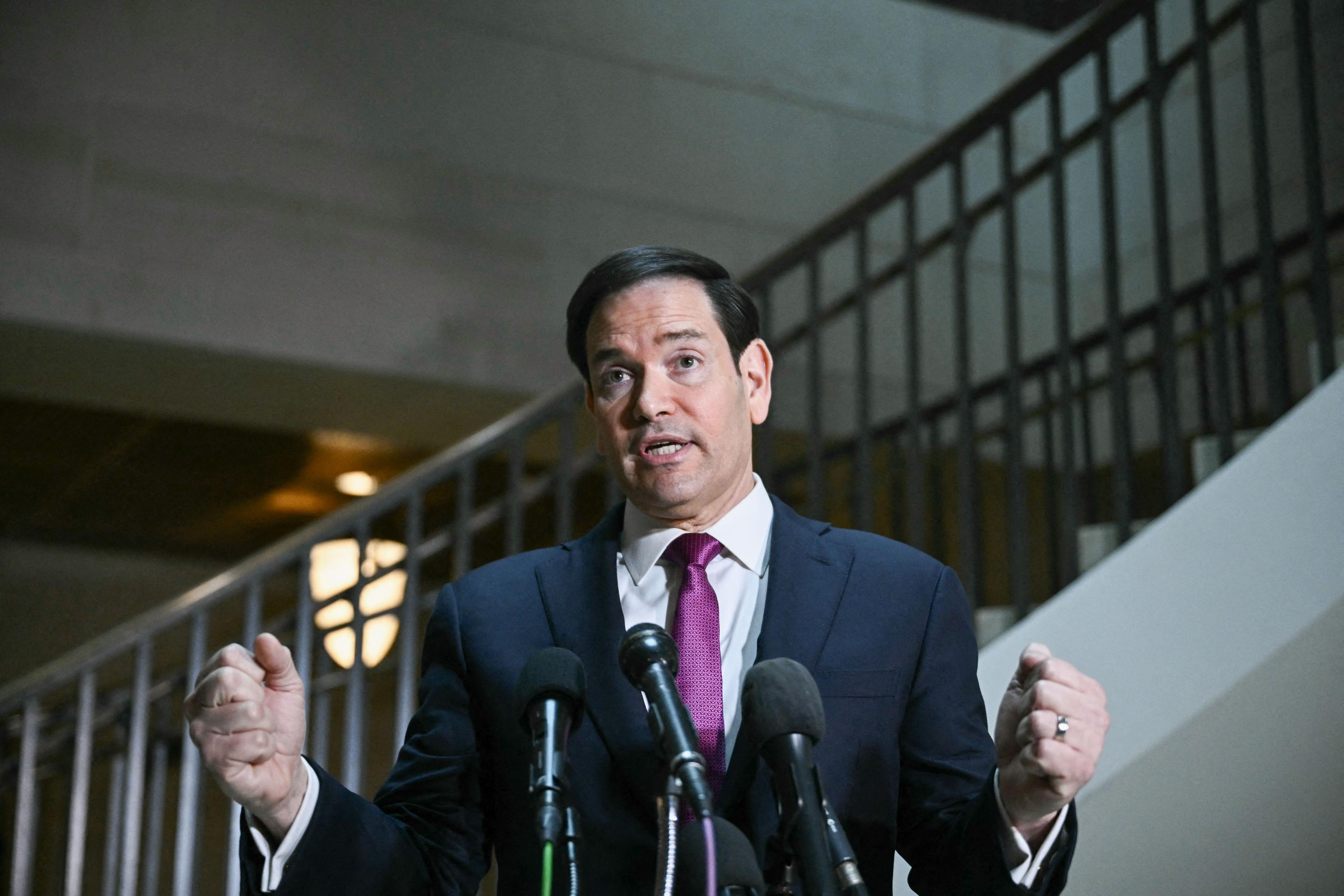
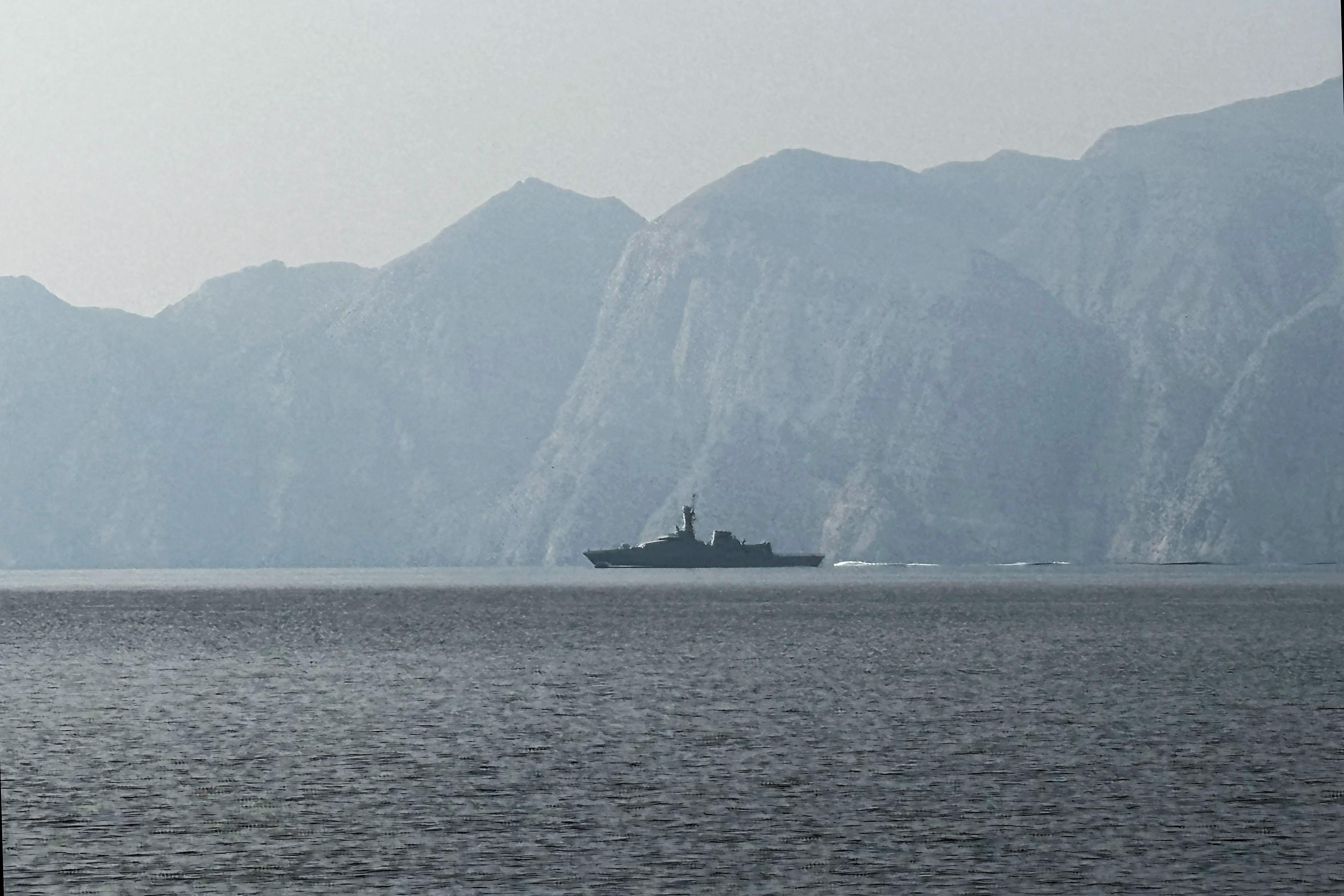
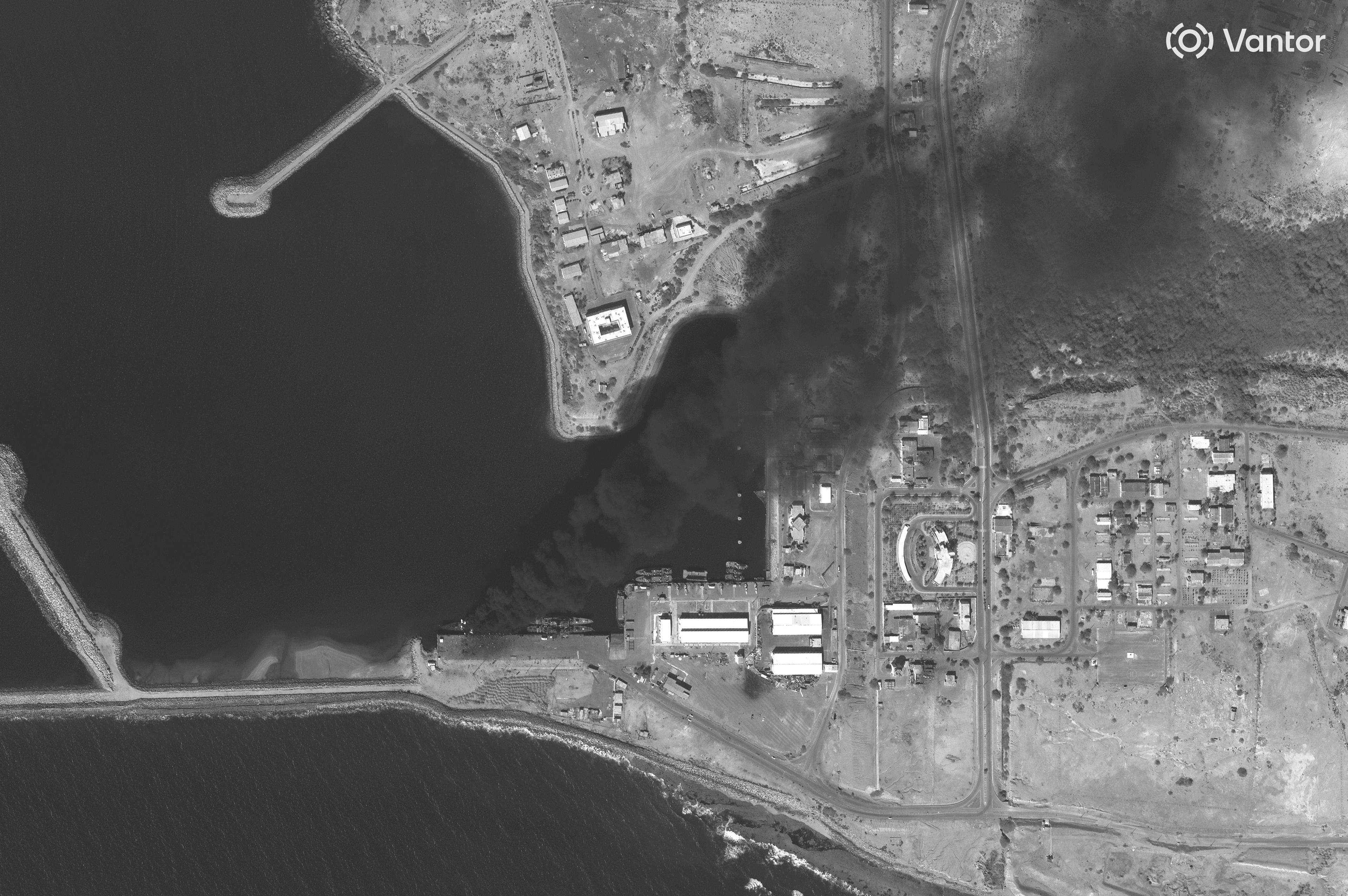

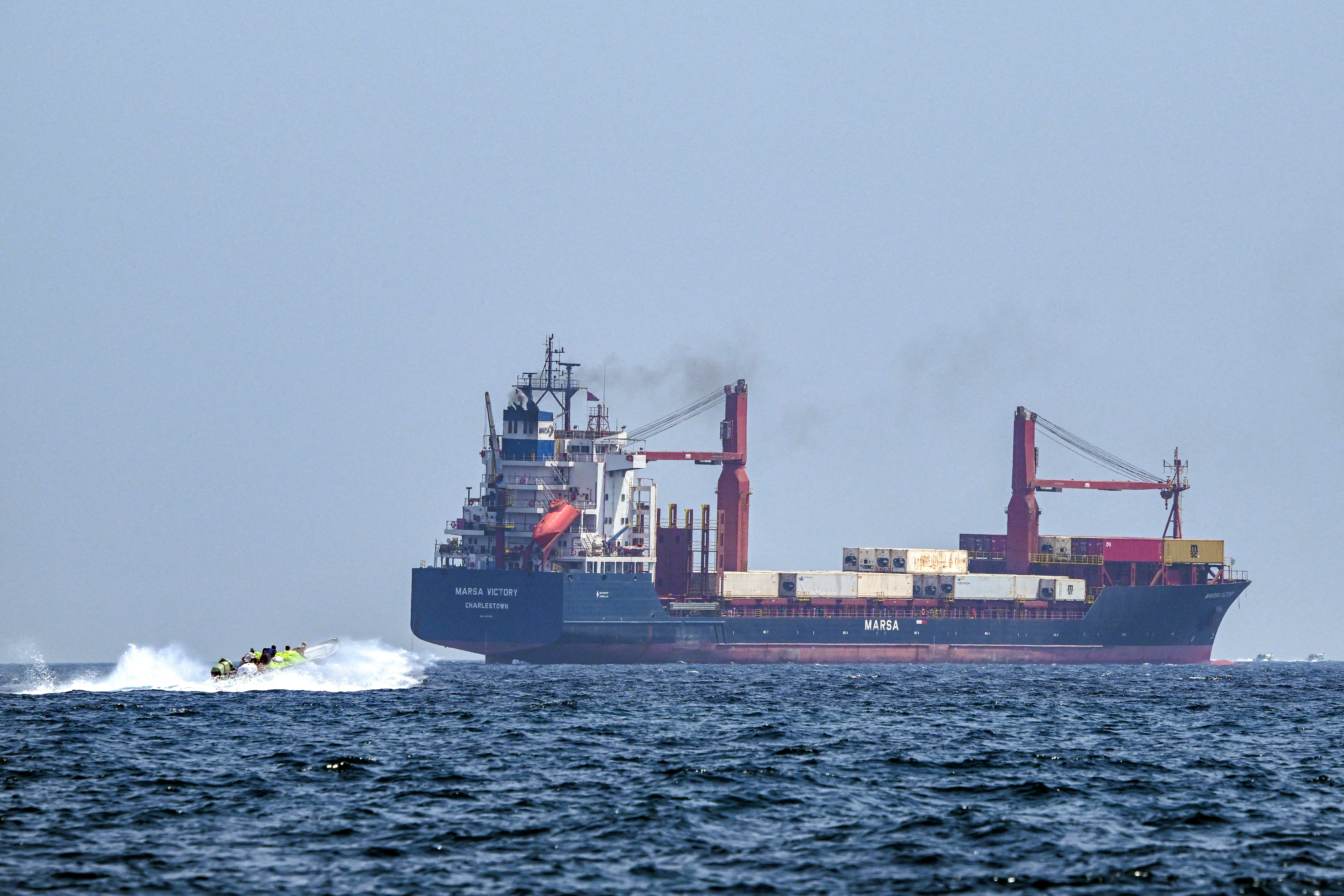
Major shipping companies have announced they are diverting their vessels away from Middle Eastern sea routes amid the ongoing conflict in Iran, with some operators opting to go around the Cape of Good Hope in South Africa.
Maersk, CMA CGM Group, Hapag-Lloyd, and Mediterranean Shipping Company—some of the top shipping operators worldwide— announced changes to their transit routes or have ceased operations temporarily in the region.
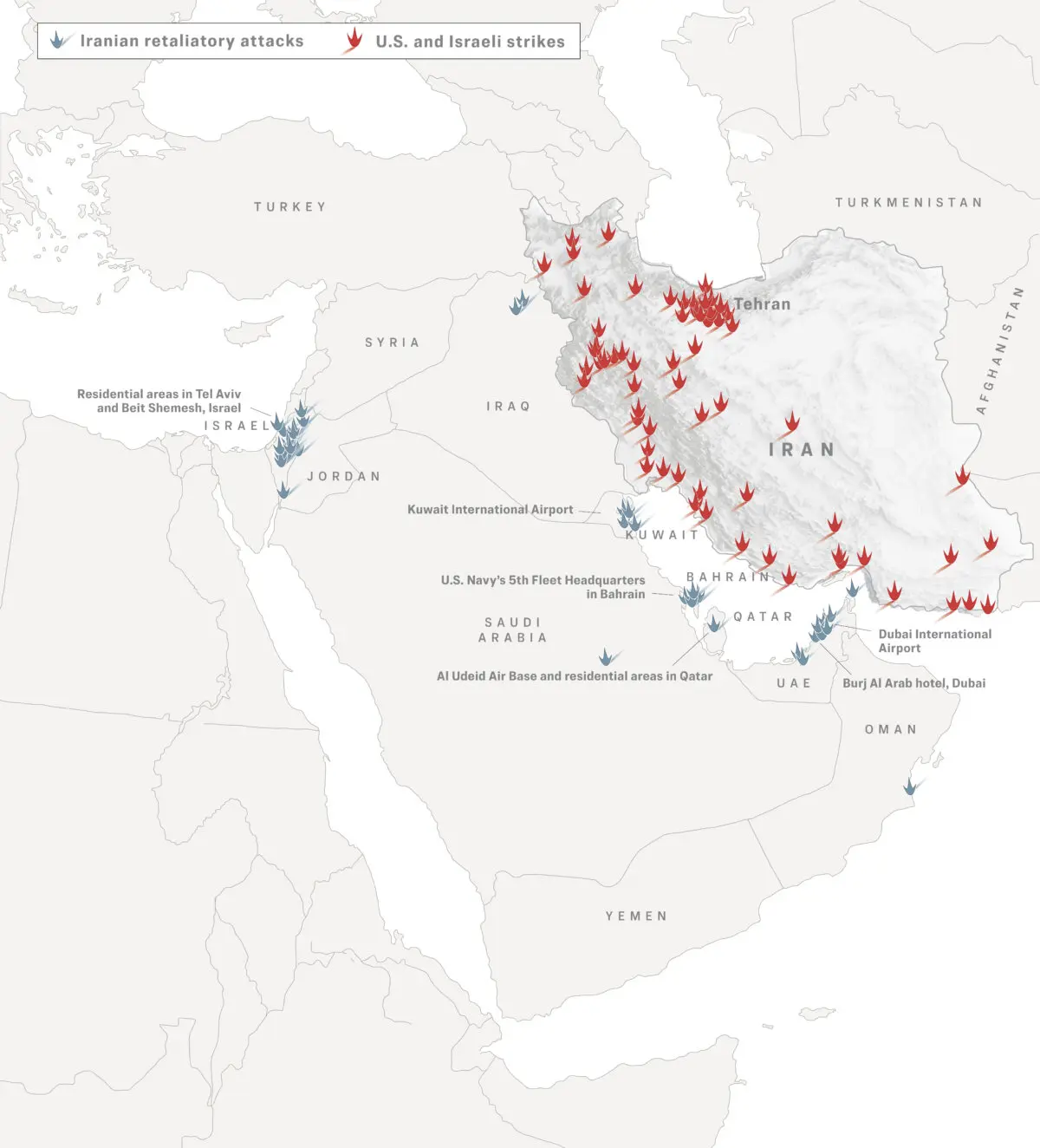
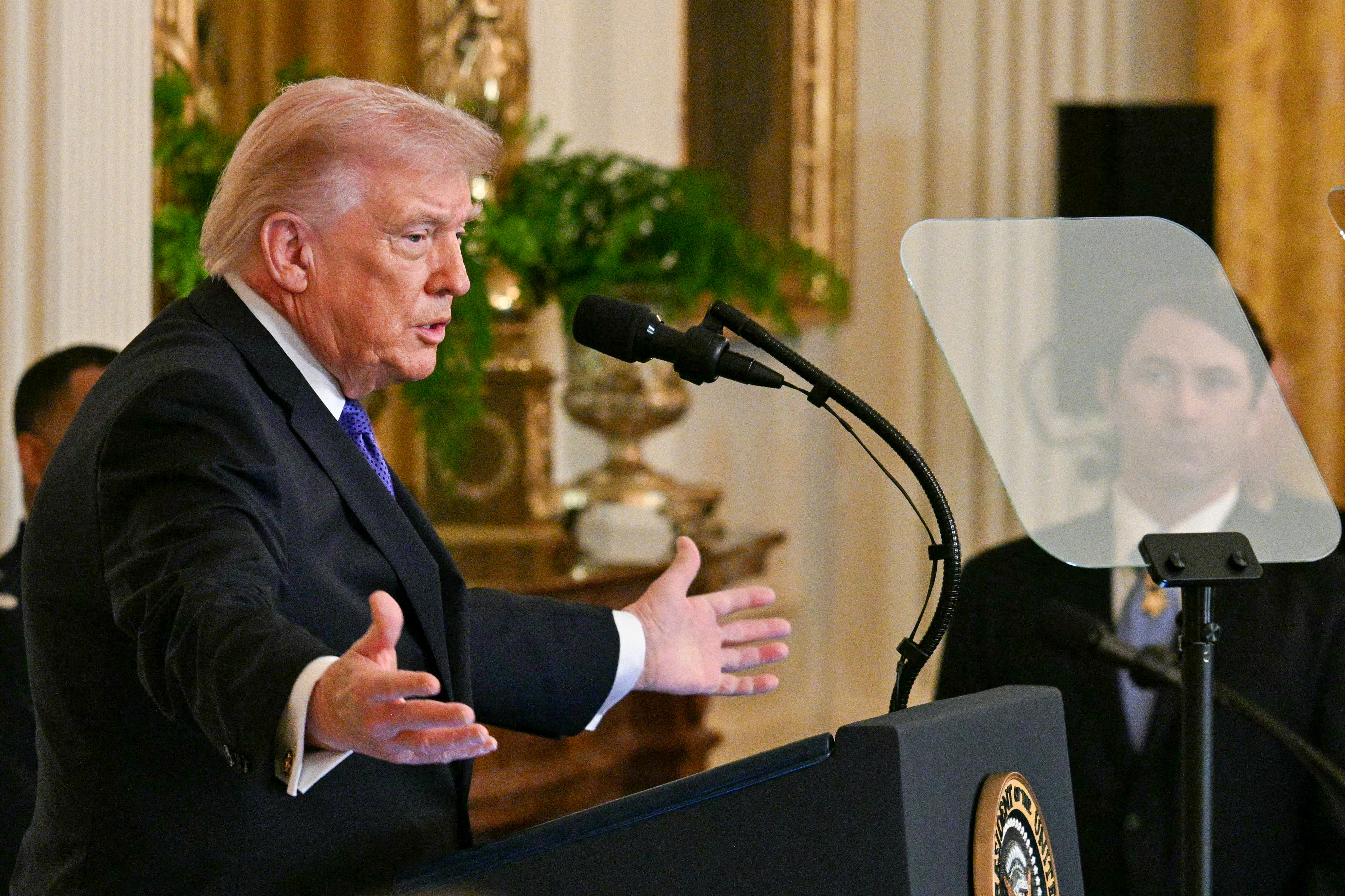
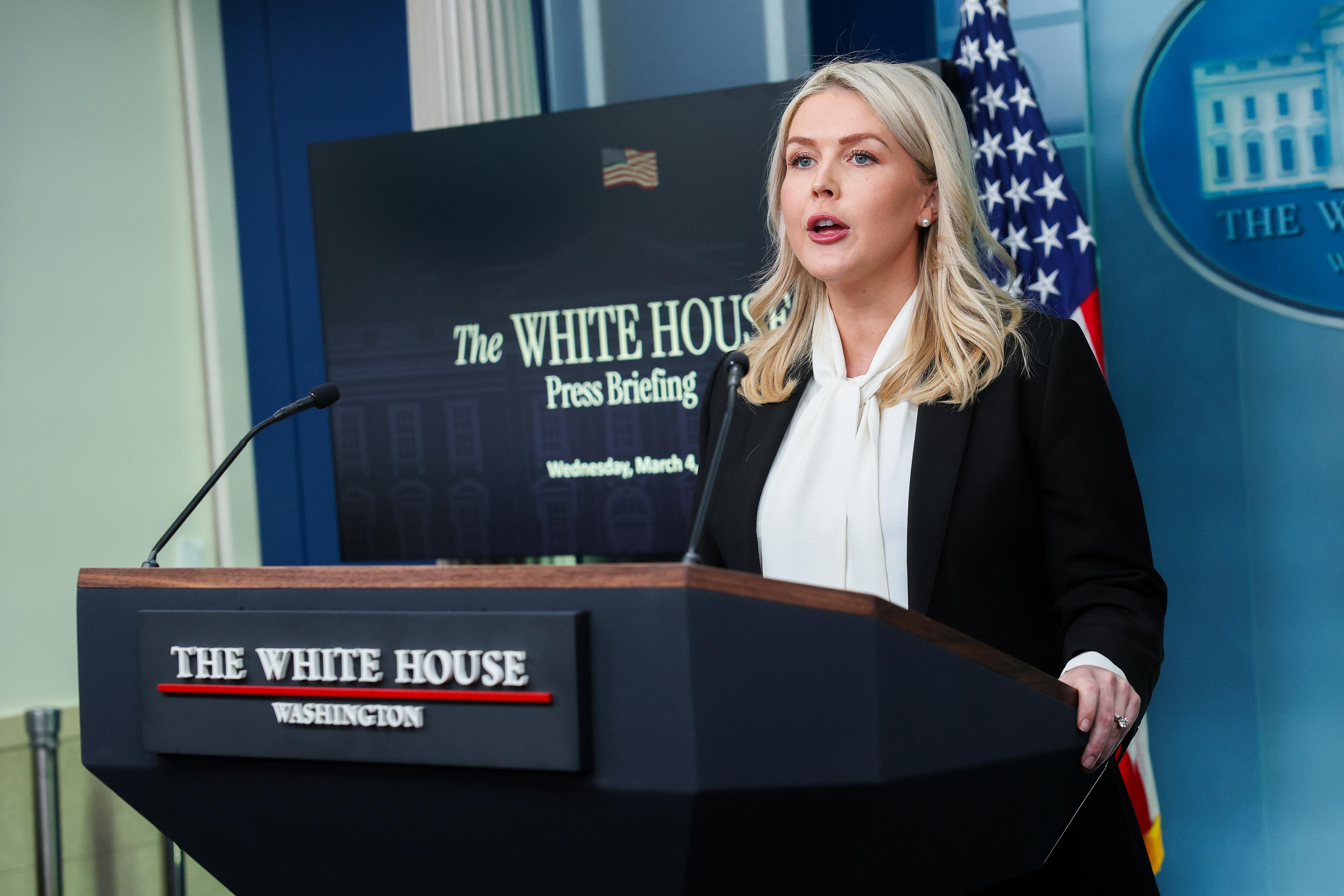
President Donald Trump said on March 2 that the U.S. military operation in Iran is expected to last four to five weeks and is progressing ahead of schedule.
During a White House event to present the Medal of Honor to U.S. Army veterans, Trump said the mission is focused on dismantling Iran’s missile capabilities, crippling its naval forces, preventing the country from acquiring a nuclear weapon, and stopping the regime from funding and directing proxy forces beyond its borders.
According to Trump, U.S. strikes have already destroyed 10 Iranian vessels and significantly degraded the country’s missile infrastructure, including its ability to manufacture new systems.

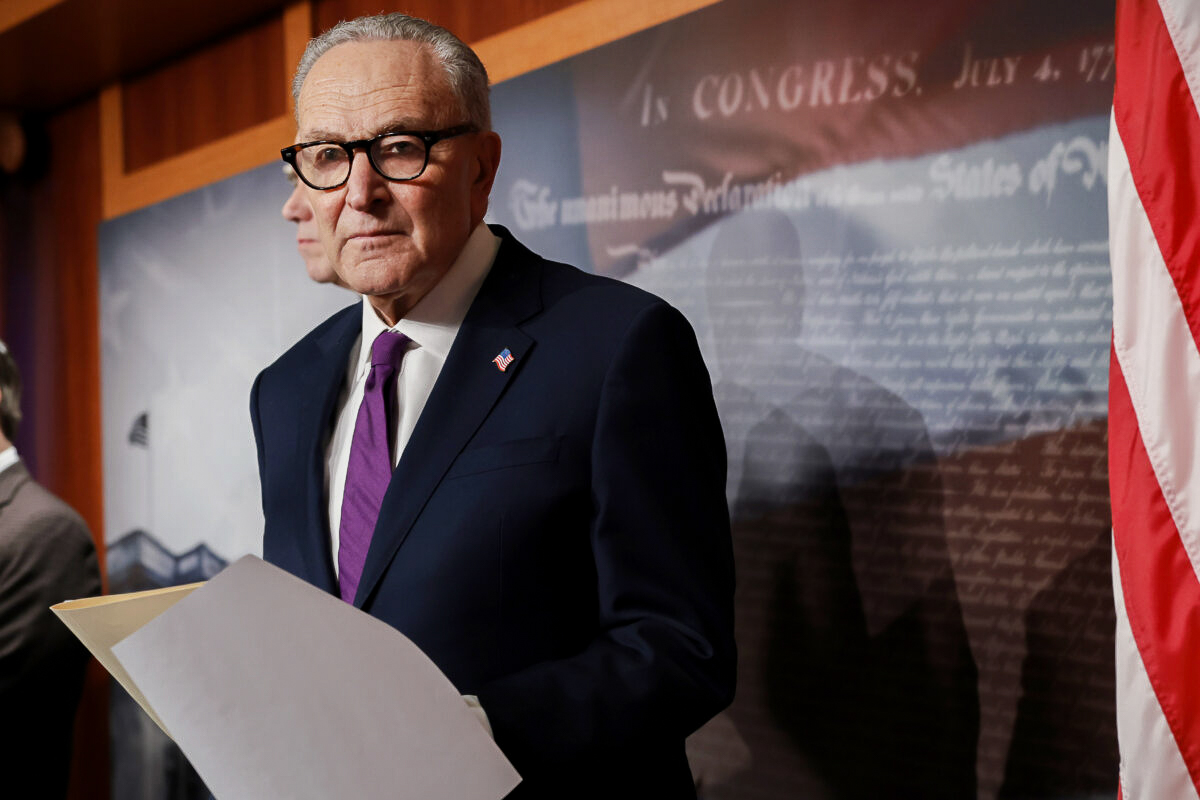
U.S. Congressional leaders of the Democratic Party have mostly been quick to decry U.S. President Donald Trump and Israel’s joint operation in Iran over the weekend, which killed Iranian leader Ali Khamenei and other Iranian officials, while many other party members have been supportive.
Senate Minority Leader Chuck Schumer (D-N.Y.) said that in conversations with Secretary of State Marco Rubio, he has been clear that the Trump administration must be straightforward with Congress and the American people, saying that Iran “must never be allowed to attain a nuclear weapon but the American people do not want another endless and costly war in the Middle East when there are so many problems at home.”
“The administration has not provided Congress and the American people with critical details about the scope and immediacy of the threat,” Schumer said in a Feb. 28 statement after the strikes.
The wife of Iran’s late leader, Ayatollah Ali Khamenei, died from injuries that were sustained in U.S. and Israeli military strikes over the weekend, state media reported.
In a post on social media platform X on March 2, Iranian state-run PressTV wrote that Mansoureh Khojasteh Bagherzadeh had succumbed “to injuries from US–Israeli attack,” without providing more details.
Other Iranian media outlets said that she had been in a coma since Saturday’s strikes on Khamenei’s office. Khamenei was confirmed to have been killed by President Donald Trump and Iranian regime officials over the past weekend. Many other top current and former Iranian leaders were also killed in the joint strikes.
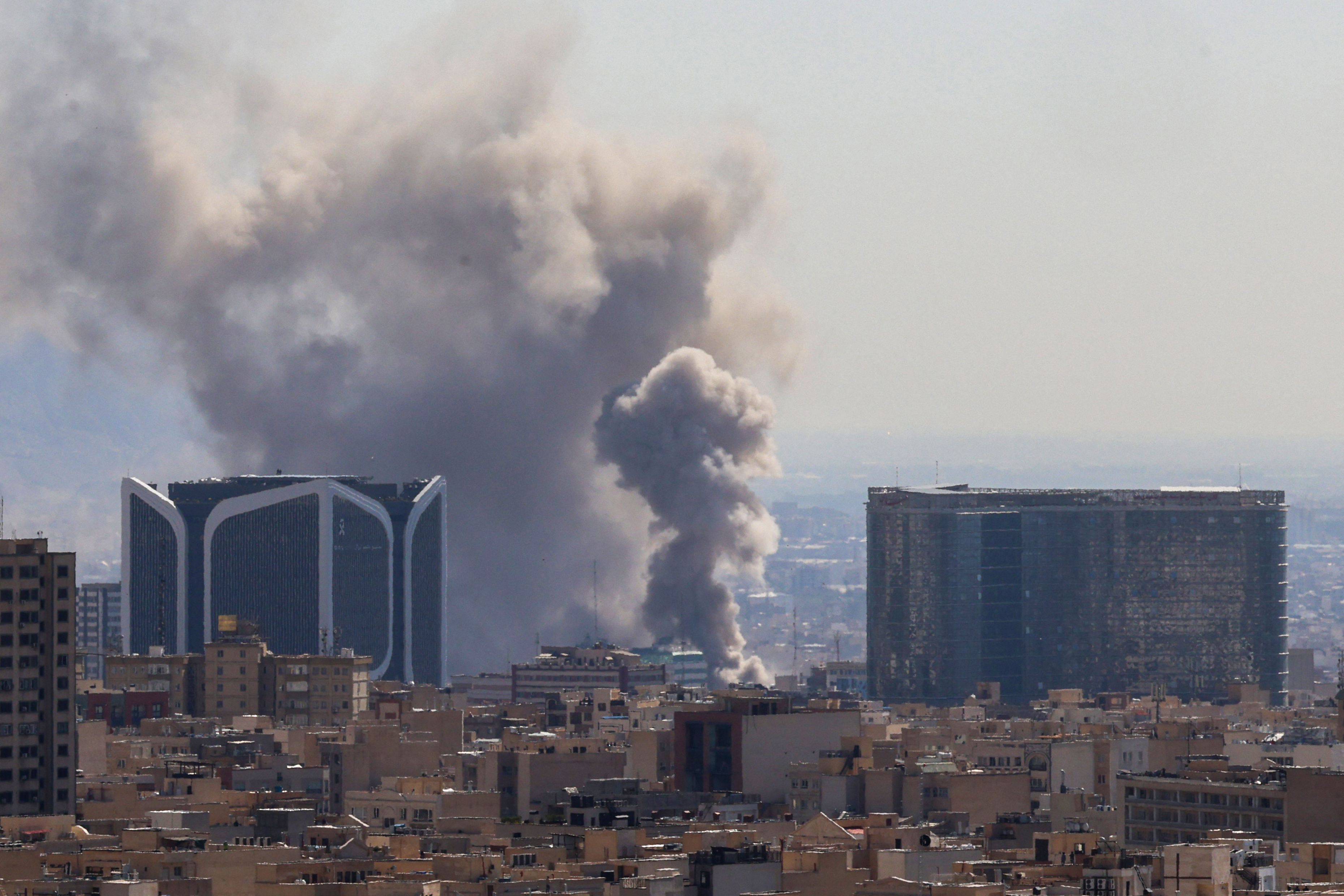
The joint attack by the United States and Israel against Iran continued and widened on March 2, the third day of the conflict, and U.S. War Secretary Pete Hegseth has not ruled out “boots on the ground” in Iran.
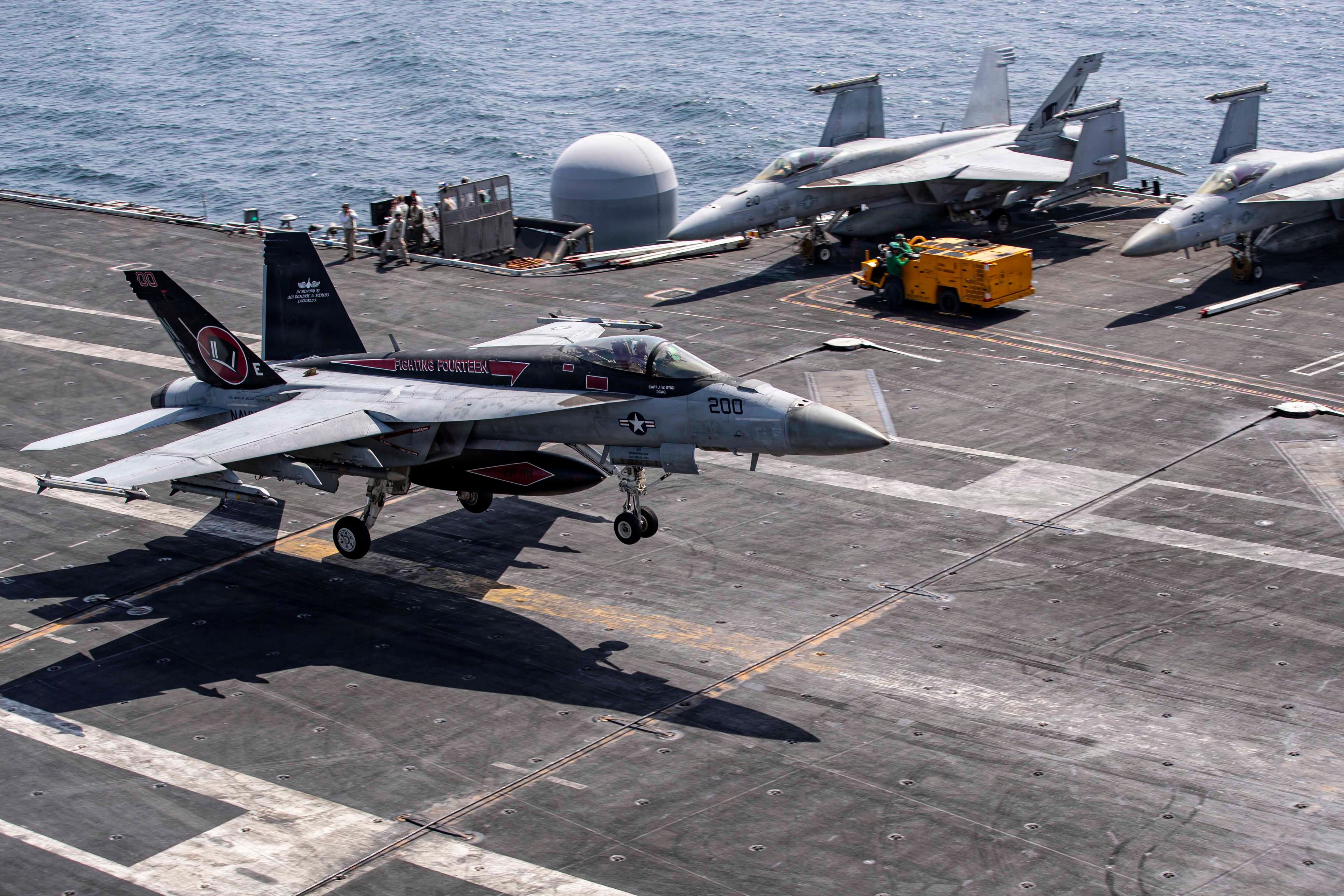
Joint Chiefs of Staff Chairman Gen. Dan Caine said at a Pentagon briefing on March 2 that he was grateful all six aircrew survived the incident and said he could not comment further because it was under investigation.
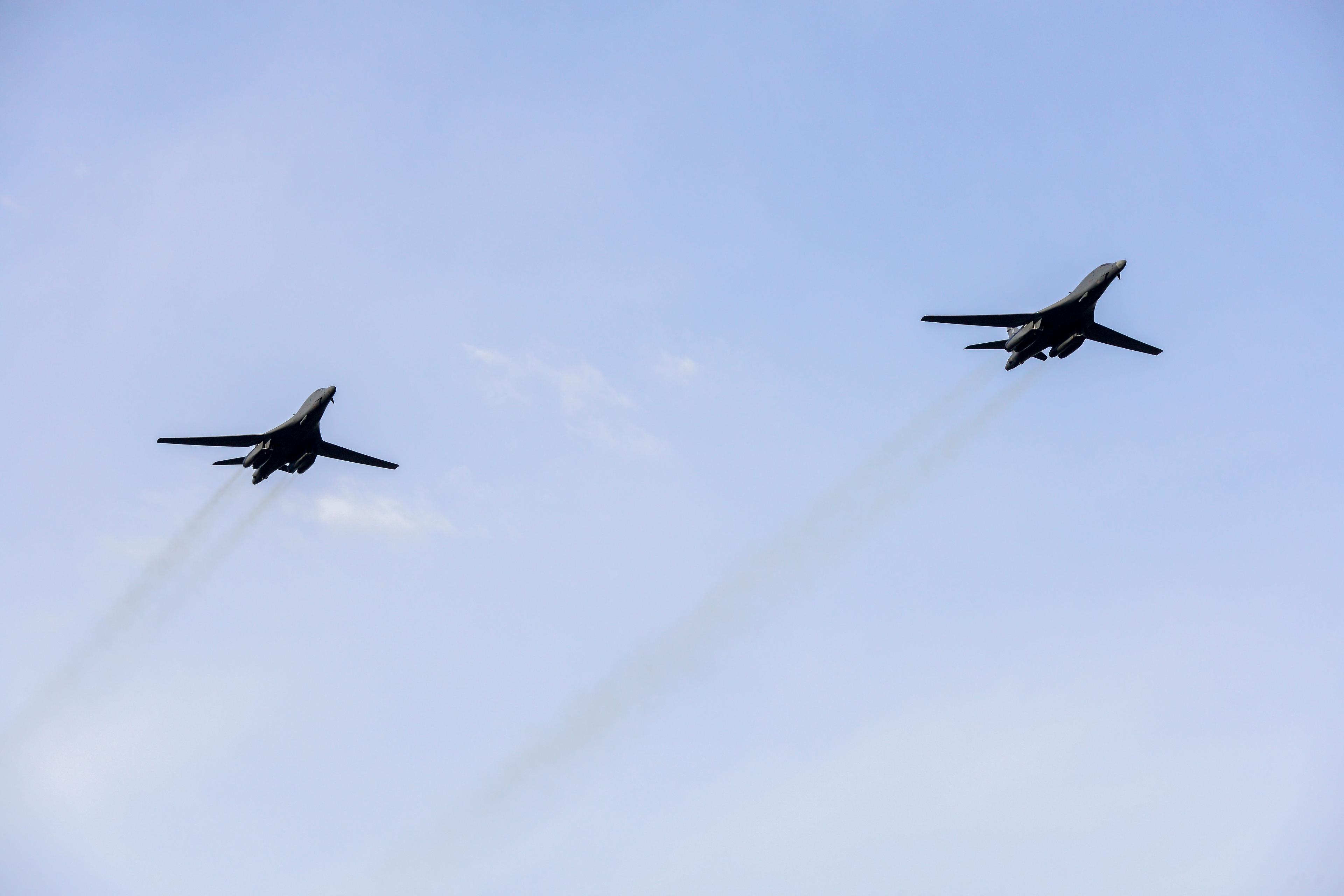
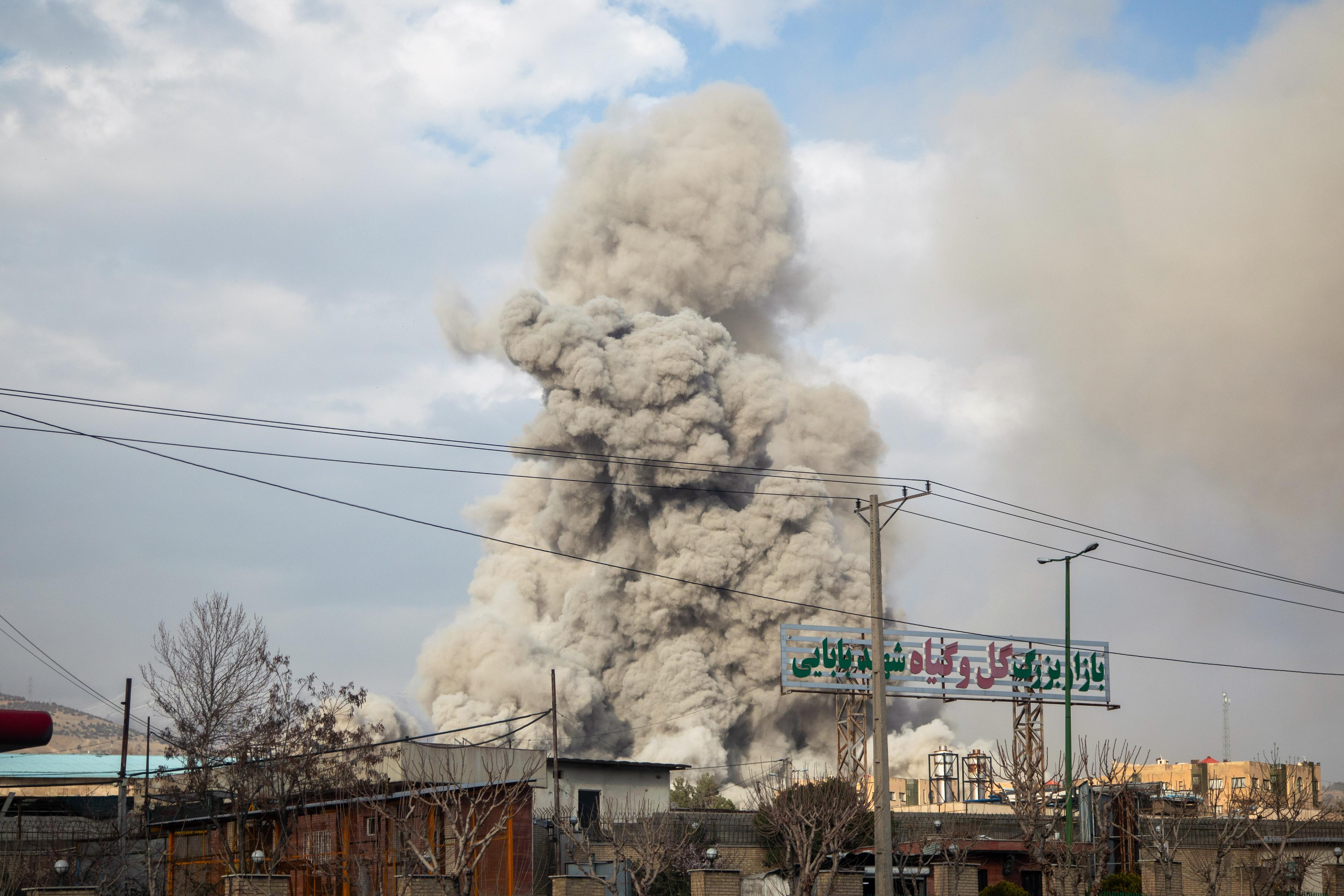

“Following the launch of U.S. combat operations in Iran, Americans worldwide and especially in the Middle East should follow the guidance in the latest security alerts issued by the nearest U.S. Embassy or consulate,” the department stated.
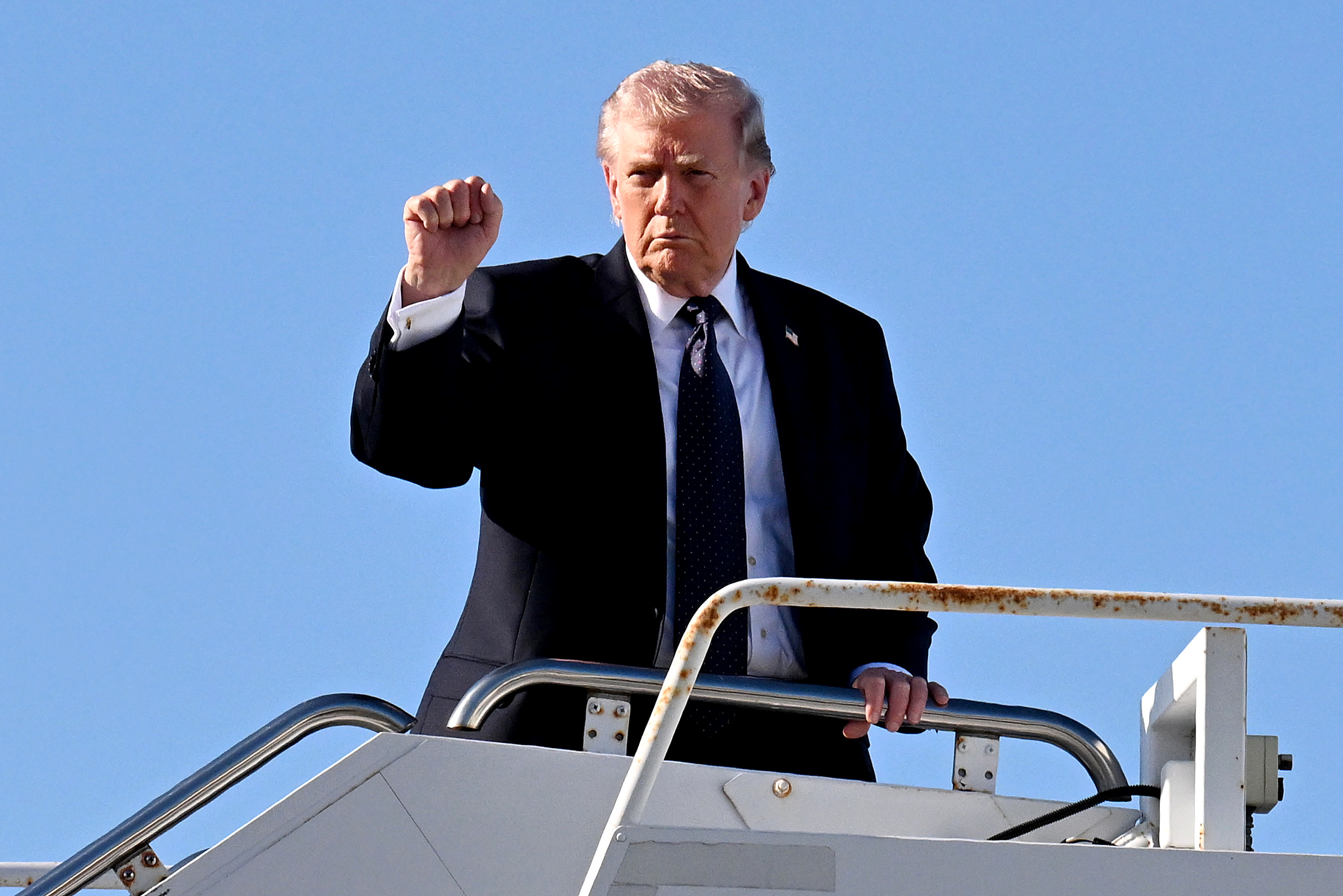
U.S. President Donald Trump said on March 1 that the U.S.–Israeli military operation against the Iranian regime could last up to five weeks and shared his views about how the country’s future leadership might be after the deaths of Iranian Supreme leader Ayatollah Ali Khamenei.
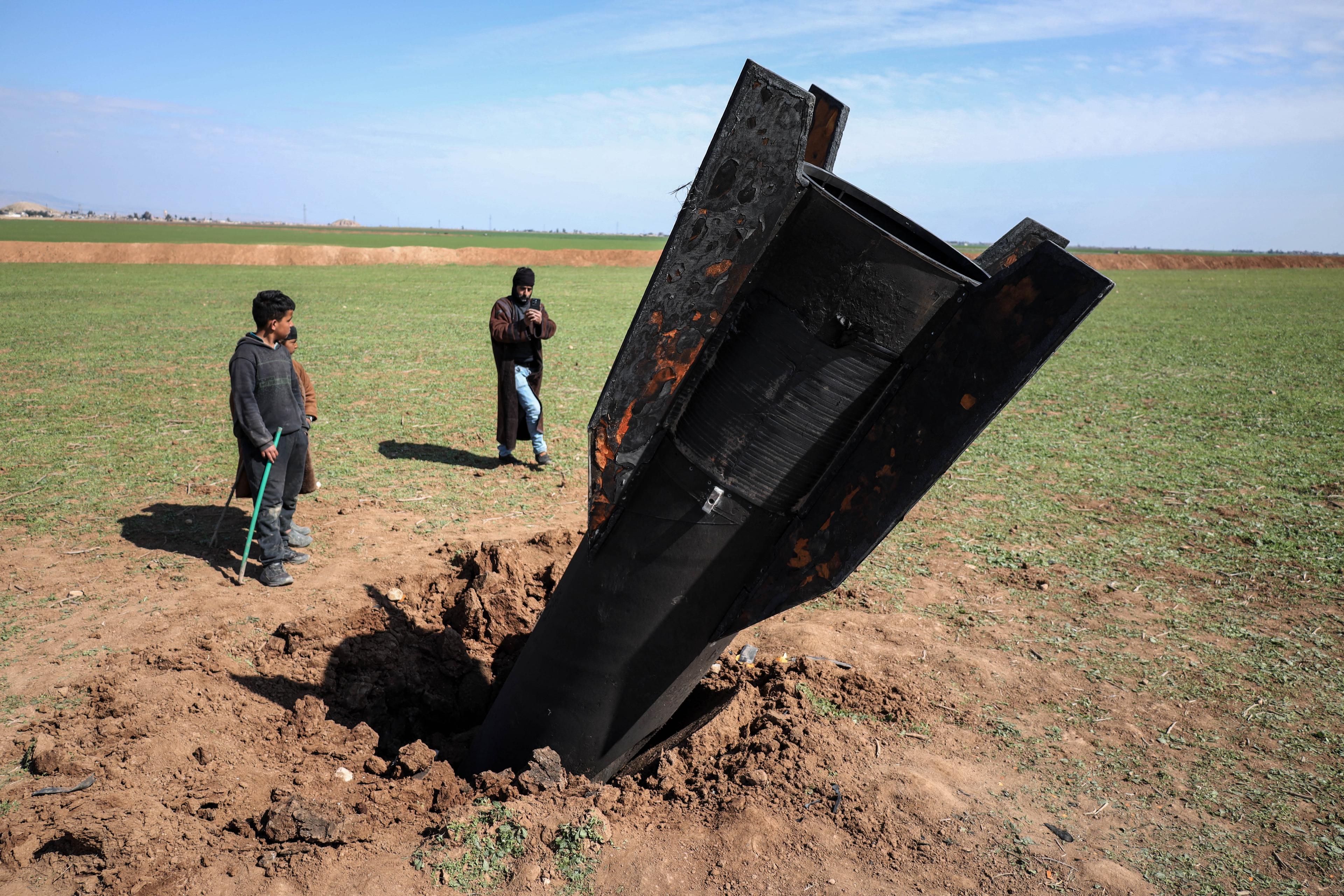
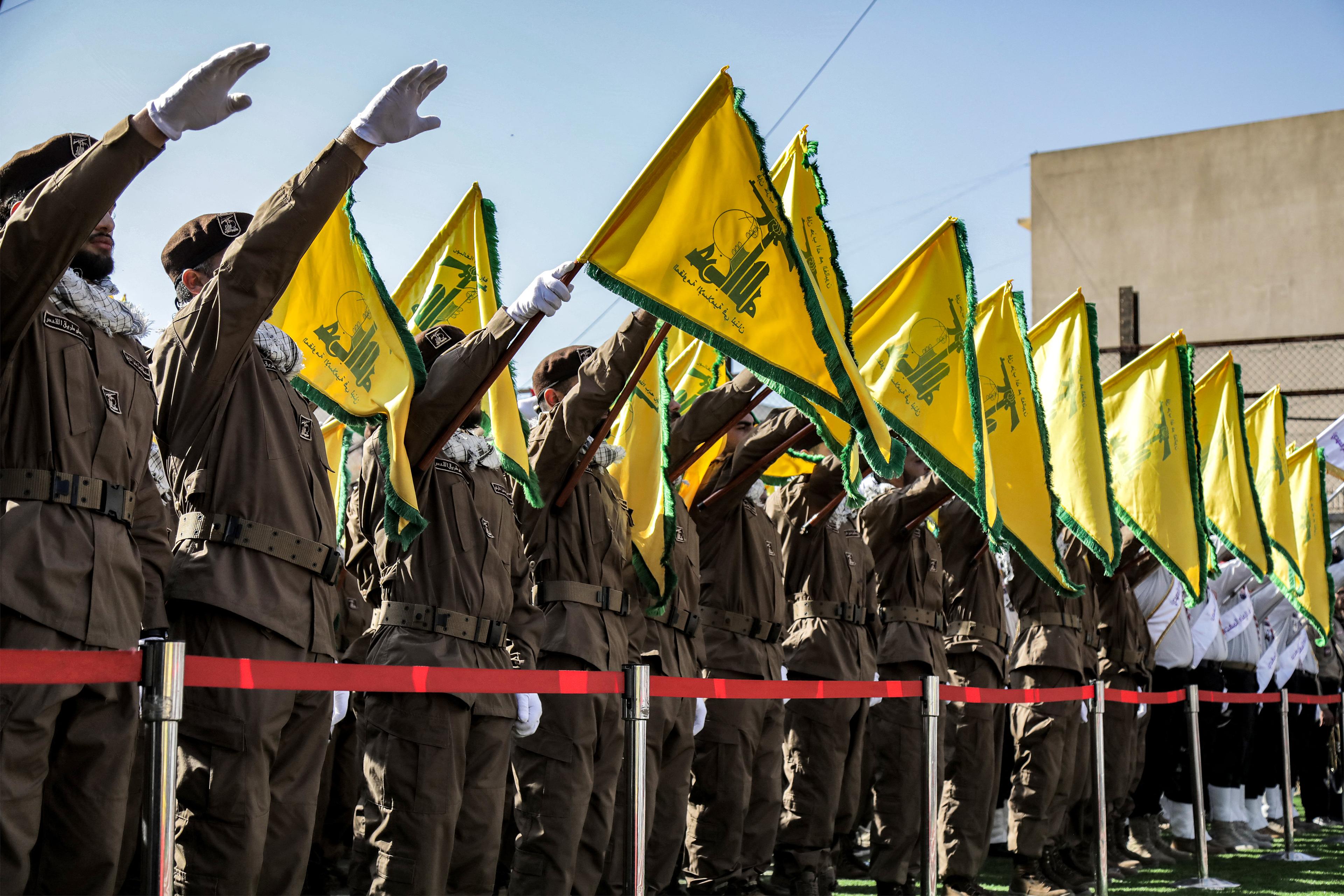
Iran retaliated with a series of attacks on Israel and its neighboring Gulf nations, targeting U.S. and Israeli military bases in the region.