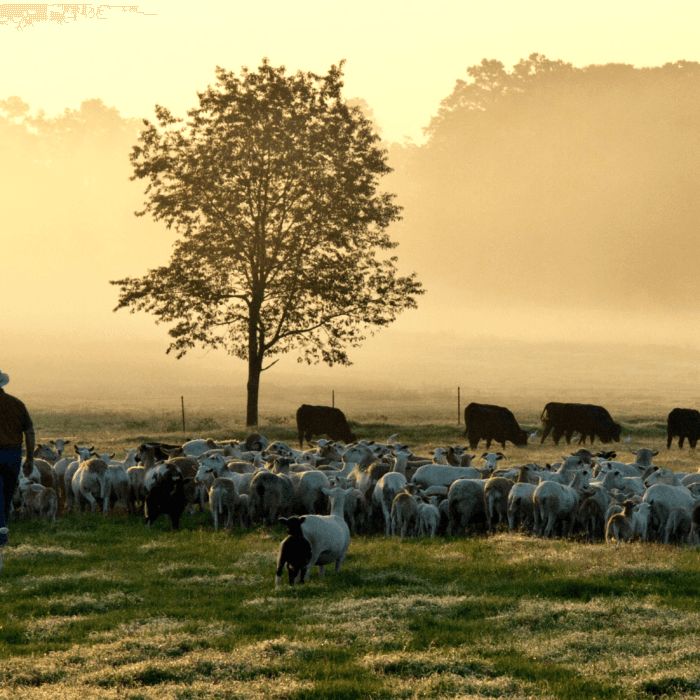
SUNDRE, Alta.—The bleating of grazing sheep, the clucking of free-ranging chickens, the lowing of cows, and the snorting of rooting pigs greet visitors to a Calgary-area farm where producing natural food supports rebuilding healthy soil.
Every grazing rotation, movable fence, and pasture is part of a broader philosophy that treats flourishing soil as the foundation of a healthy farm—and healthy people.
It’s an approach known as regenerative agriculture, which emphasizes practices that improve soil health, increase biodiversity, and work with natural ecosystems. As interest in sustainable farming grows, producers are adopting regenerative techniques in hopes of building more resilient farms.
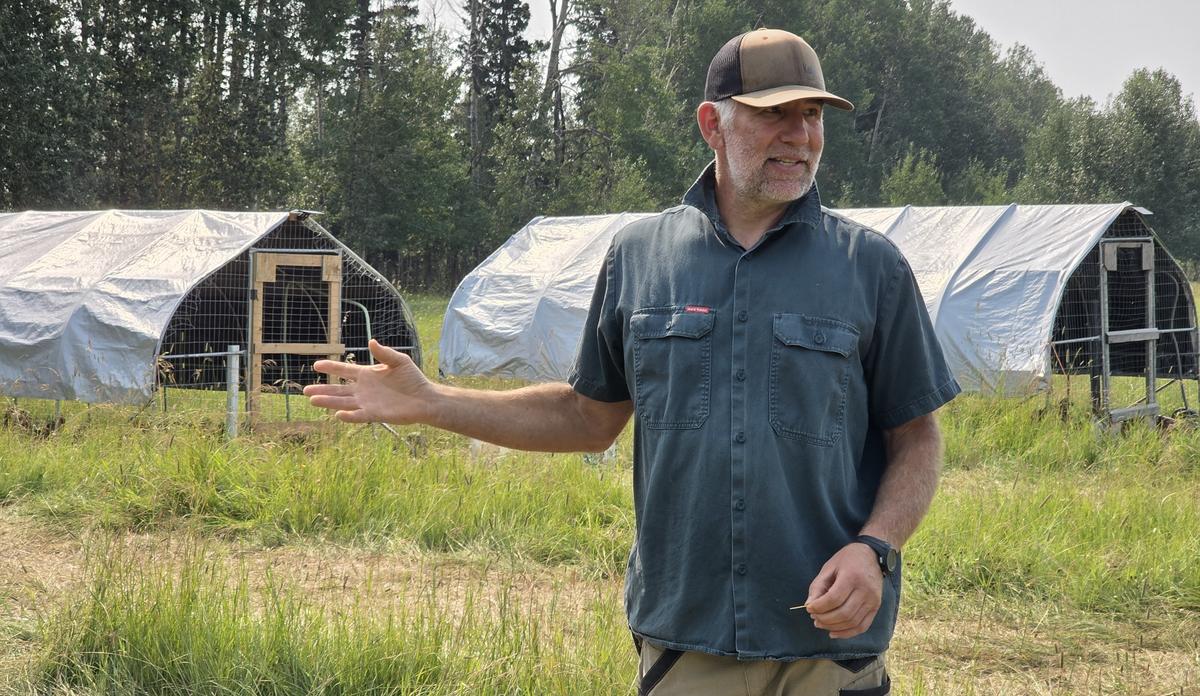
Joell and Nicole Friesen have operated the 56-hectare (140-acre) Ear to the Earth Farm near Sundre, Alta., northwest of Calgary, since 2022. They describe themselves as regenerative, all-natural, nutrient-dense food growers.
They say their agricultural work has been blessed since they began farming in 2009, and the farm’s name is inspired by a passage from the Book of Job. One of their goals is also to help people connect with God through creation.
“We never thought we would be doing this, so I think it’s much bigger than what [we] could imagine,” Nicole Freisen told The Epoch Times in an interview.
Farming Journey Begins
The Friesens’s farming journey began in 2009, when they volunteered on an agricultural project in Senegal, West Africa. Although that project ended after six months, they spent the next 11 years managing crops and livestock on another farm while learning regenerative farming practices.
They returned to Canada in 2020, with the belief that God was calling them home to help address concerns about food and health. Friends later offered them the free use of 140 acres near Sundre through a land-sharing agreement, allowing them to establish Ear to the Earth Farm.
“We were at the Lord’s mercy,” Nicole said, noting that the partnership reflects how the early Christian community operated, with those who had resources selling their possessions and giving the proceeds to those in need.
Joell Friesen said their friends didn’t have the means, knowledge, time or ability to use the land as intended, but “they’ve entrusted us as partners and as friends to do that with them.”
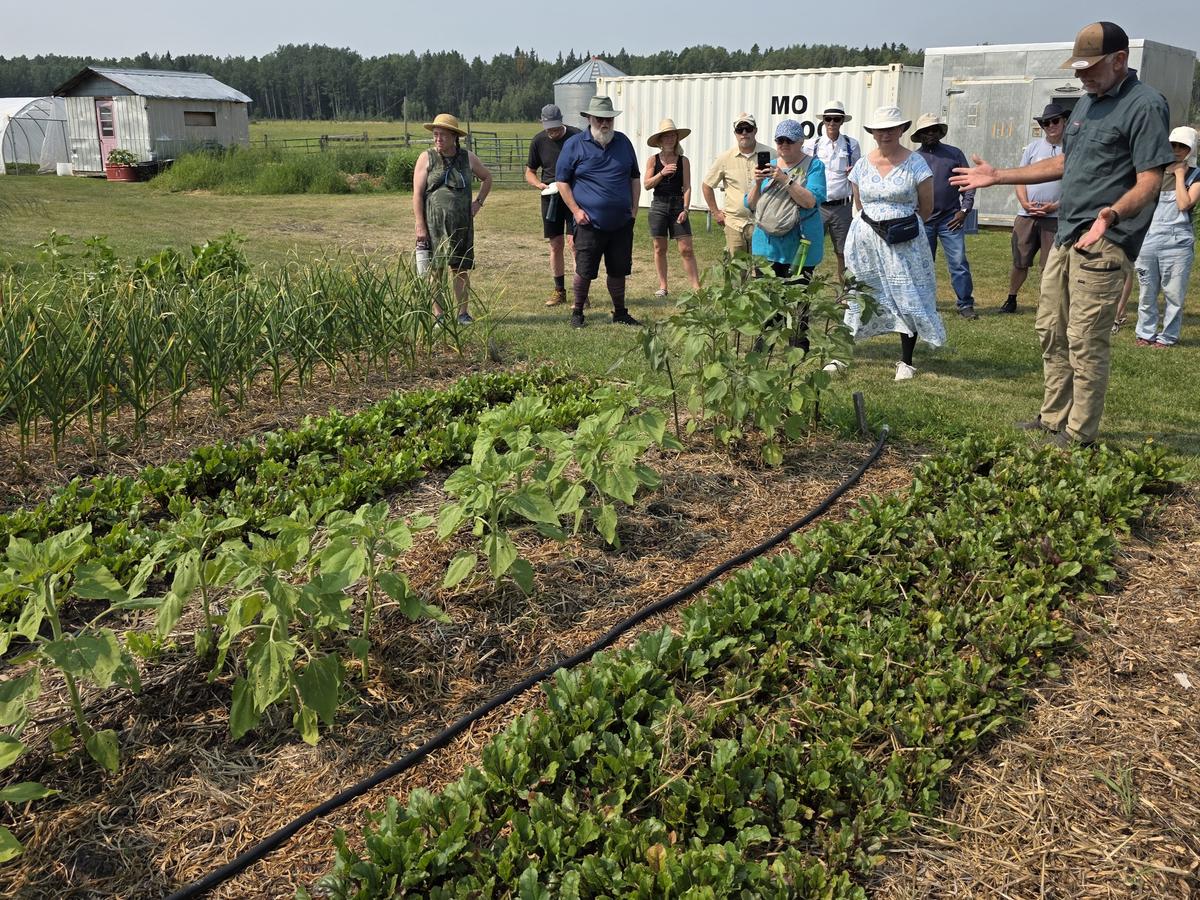
Regenerative Practices
After securing the land, the Friesens began building their farming operation, with a focus on regenerative agriculture.
Regenerative agriculture uses multi-species crops—including cover crops and mulch—and livestock to manage the land, improve soil health, return carbon to the soil, and create a holistic ecosystem that requires little tillage or chemical inputs, Joell said. Conversely, organic farming uses monoculture crops that must be tilled regularly.
The couple used tilling to start their gardens before switching to other practices—such as using plastic ground sheets and fermented foliar sprays to suppress weeds.
Speaking about the health benefits of regenerative practices, Nicole noted that the human body contains billions of microbes, and researchers have found that feeding the soil healthy nutrients helps build a healthy gut.
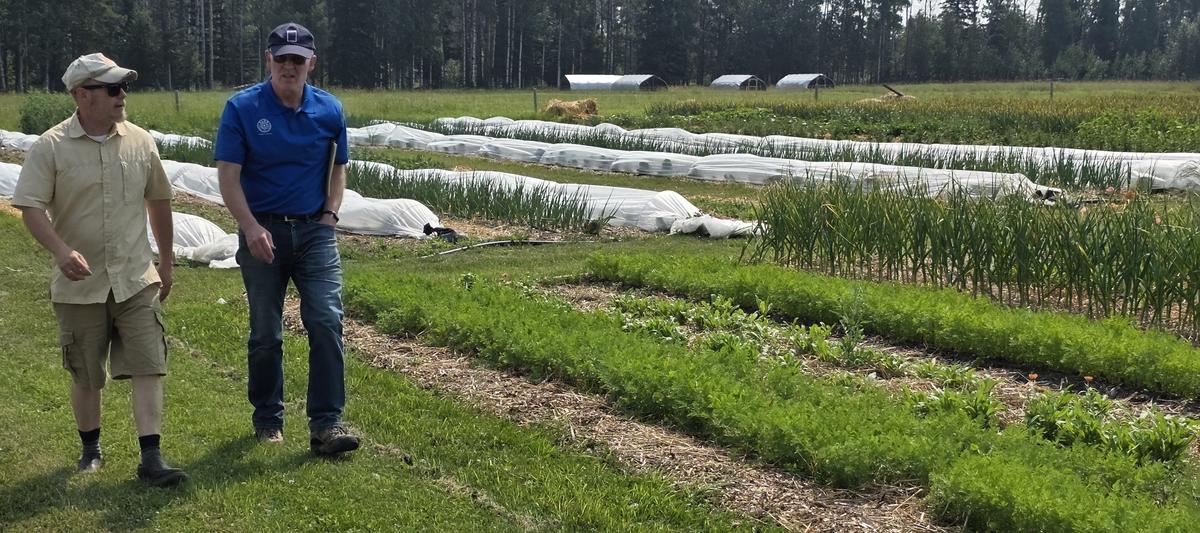
But these systems had to be built from the ground up, and through trial and error. During their first year, the carrot tops were barely visible beneath the weeds that overtook the gardens, Joell said. After refining their farming methods, however, they have not experienced anything like it since those early days.
Nicole compared the process to a Bible verse in the Book of Job (Job 12:7–10) that encourages people to learn from creation.
“We’re looking and listening around us—What is working and what’s not working,” she added. “It’s asking good questions.”
Animal Contributions
The Friesens say regenerative farming also helped to address soil depletion in their pastures, after the previous owners had allowed their horses to overgraze.
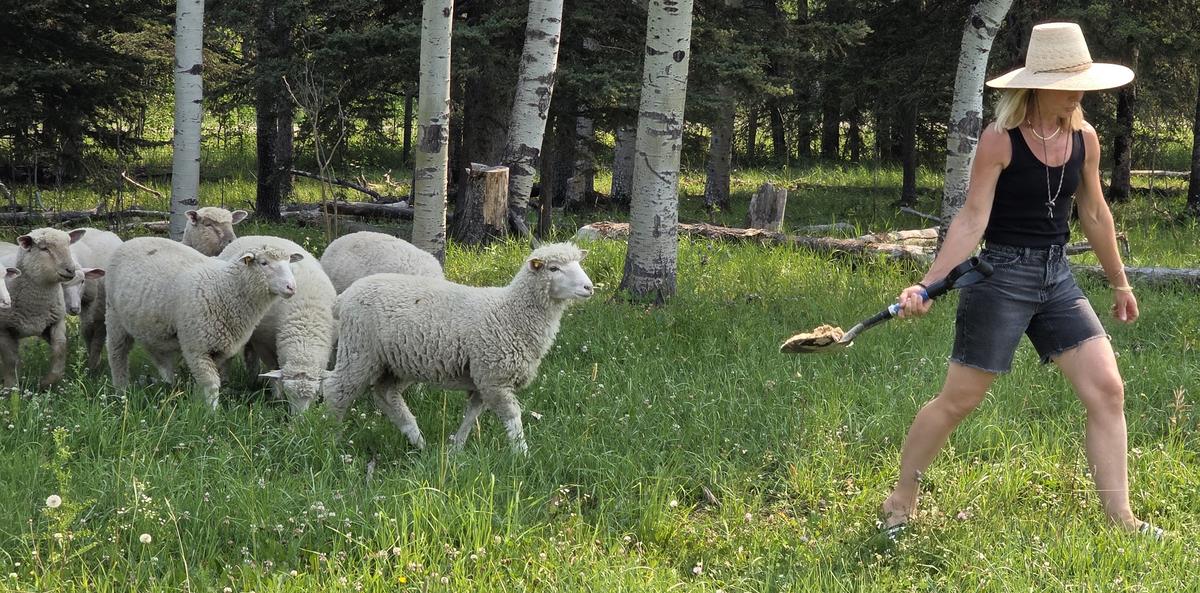
The couple prevents their small herd of cows from overgrazing by moving them regularly, giving the animals time to leave behind urine and manure, Joell said. This also ensures the animals eat just the tops of grasses, giving the land time to rest and regrow.
The couple keeps a handful of Jersey dairy cows for family use and raises Australian Lowline Angus cattle, a smaller-framed breed well suited to the size of their acreage. Joell said the breed allows them to produce more meat per acre than larger, traditional beef breeds.
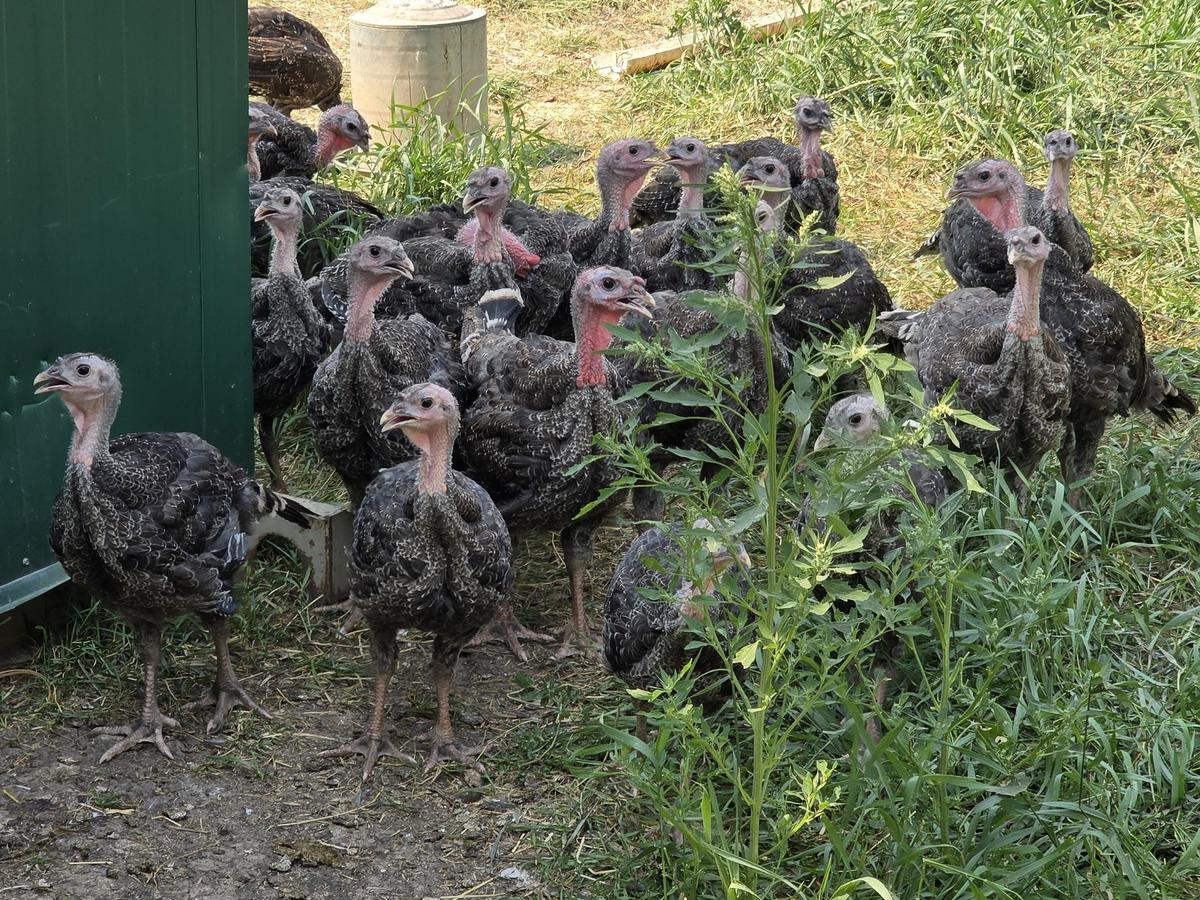
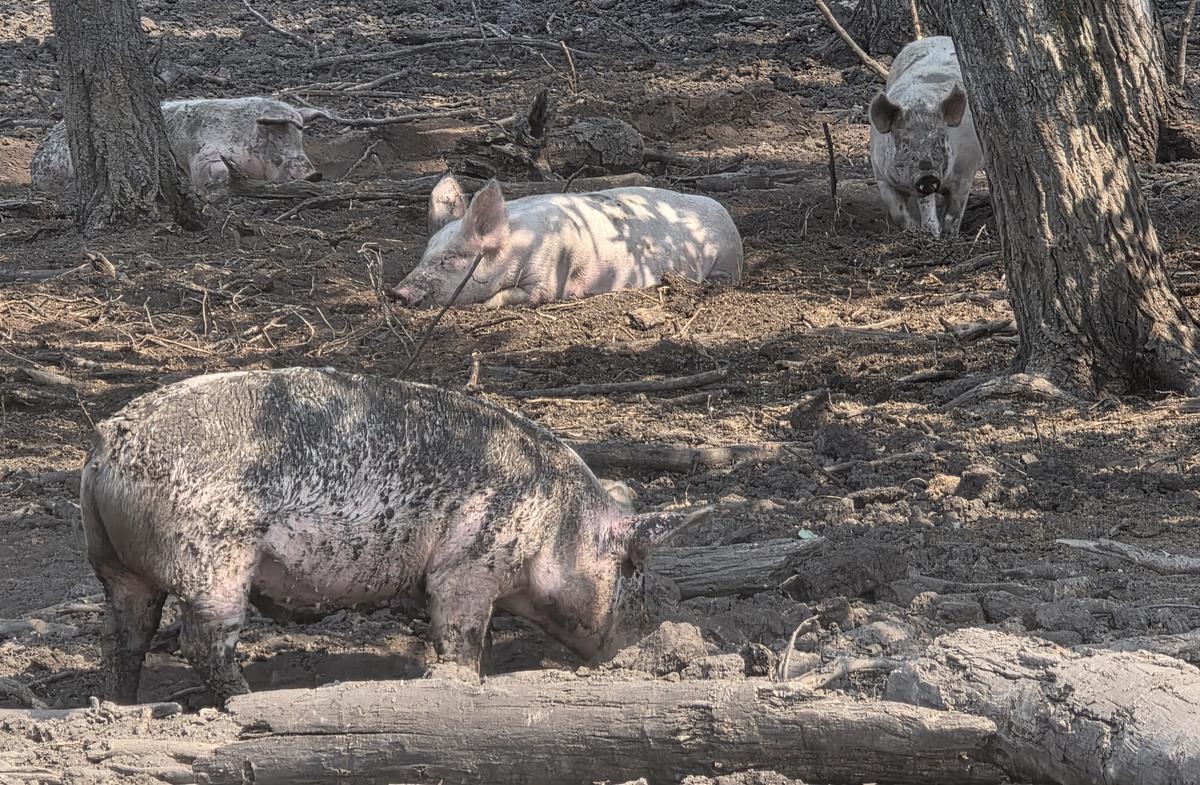
The Friesens also raise cattle, pigs, sheep, poultry, and laying hens, while selling vegetables and eggs directly to restaurants, stores and families.
Nicole said the chickens have significantly more flavour than commercially raised birds and are more nutrient-dense, which she believes helps people feel satisfied sooner and eat less.
Supporting Communities
Hundreds of small, sustainable regenerative farms are required to supply big cities like Calgary, similar to how small farms supported Paris, France, in the 1800s, Nicole said. Since Ear to the Earth supports roughly 100 families annually, she said it “would be huge” if other farms did the same.
This approach also allows people to meet the farmers, learn where their food comes from, and how it’s grown or raised, eliminate the middle man and create greater transparency, she continued.
“We want people to see that you can actually do this,” Nicole said.
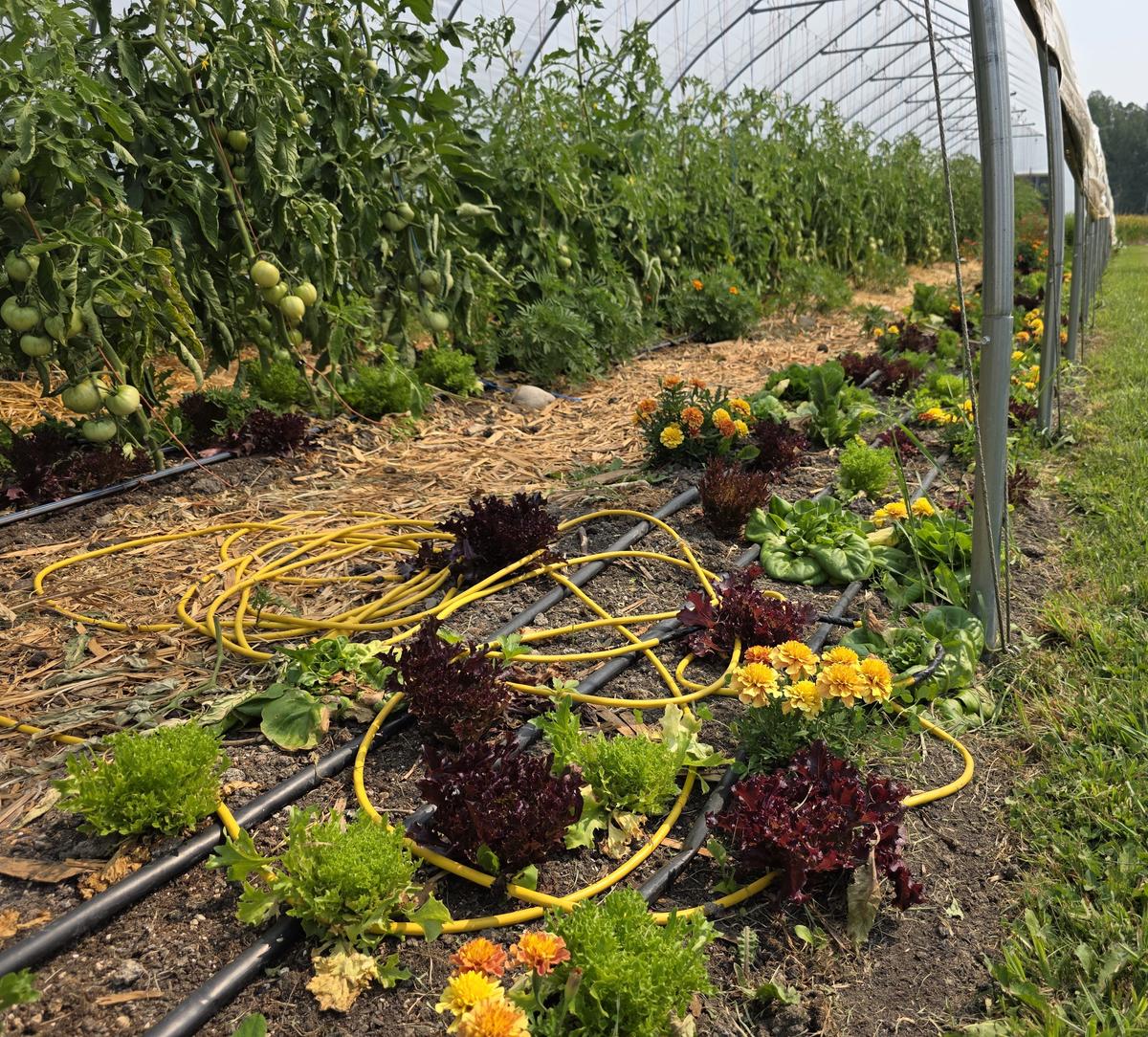
Despite the long hours and demanding workload, the Friesens say they enjoy the variety of projects on the farm, spending time outdoors, and the flexibility their work provides.
“Also building on that diversity is the fact that we’re delivering real food to real customers,” added Mr. Friesen. “That’s such a huge pleasure to be able to be part of God’s literal hands and feet on this little area.”