The skirl of bagpipes has accompanied Canadian remembrance ceremonies for generations.
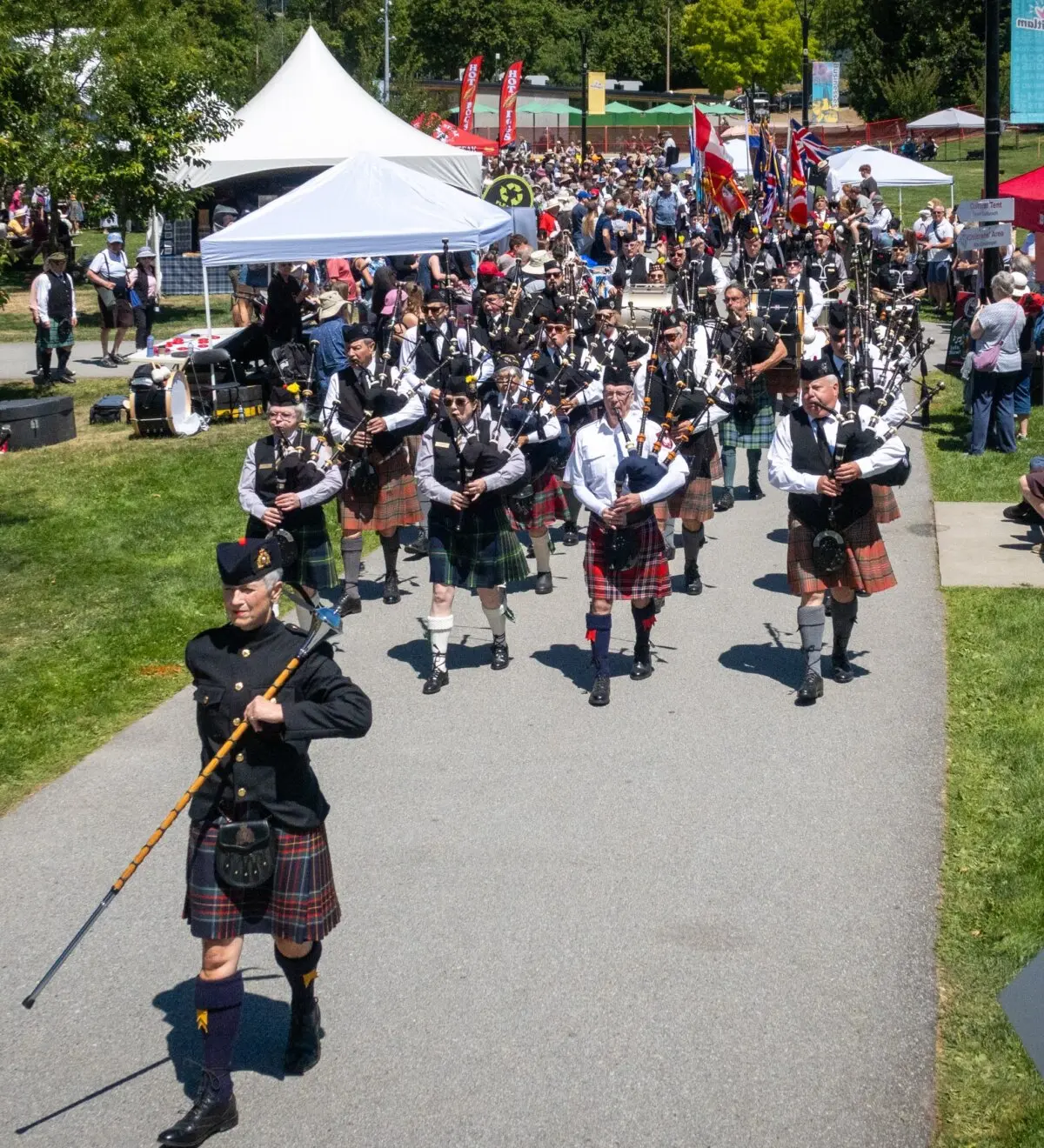
For Laurie Duncan, the sound is deeply personal—her grandfather played soldiers into battle during World War I. Today, she is helping celebrate the Royal Canadian Legion’s 100th anniversary as pipe major of a Legion Centennial Band.
A Musical Tribute
Duncan, from Coquitlam, B.C., has been a Legion member for 20 years and leads a Legion-sponsored pipe band. About a year ago, musicians from several bands came together to form the Legion Centennial Band in celebration of the organization’s centennial.The 20-member group created an educational musical production that has been touring across British Columbia since January. The band has also supported other branches through short performances, ceremonial piping for VIP arrivals, parade appearances, and collaborations with Highland dancers.
“It’s because of the Legion that Canada has among the world’s best pipers and drummers out there and bands out there,” she said, noting some pipers who started with a Legion-sponsored band have gone on to perform at international events.
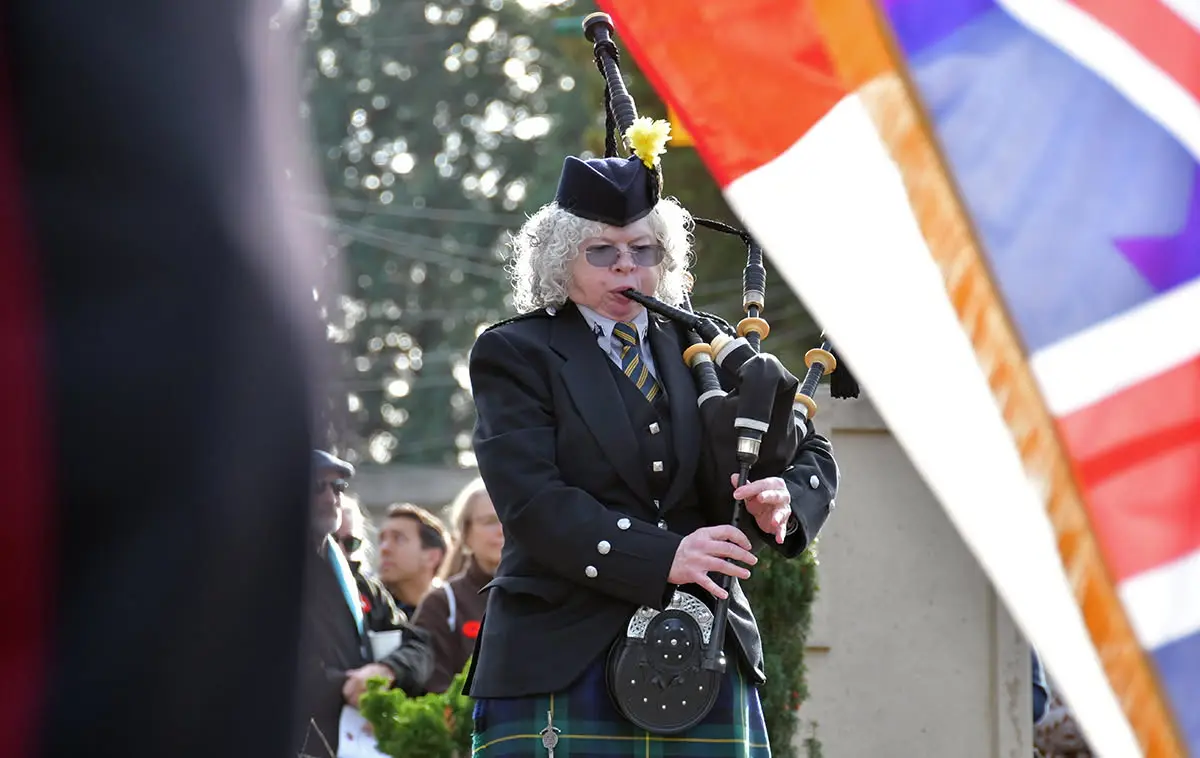
Duncan said the Legion has endured because of its commitment to supporting veterans, communities, cadets, and remembrance. That work, she said, has encouraged more people to attend Remembrance Day services and ask how they can support Legion branches and veterans.
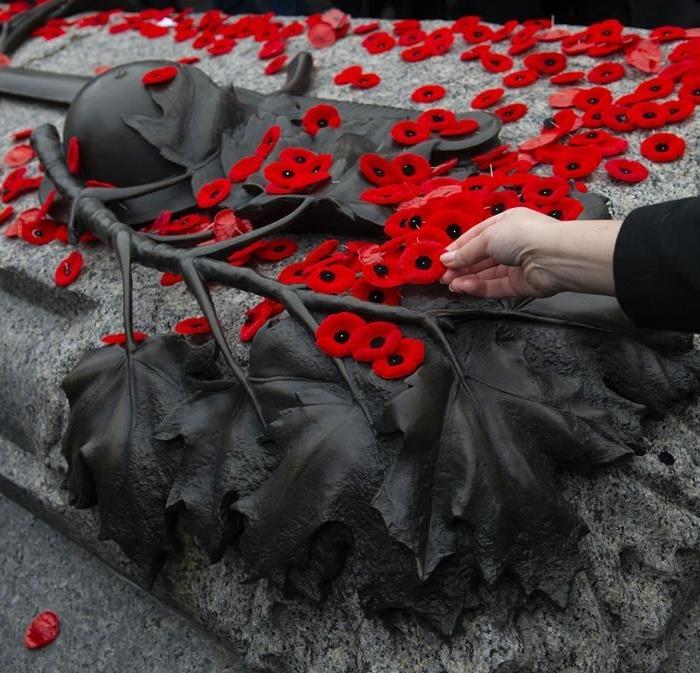
Duncan said that while her group is busy with centennial activities, its main focus remains supporting veterans by performing outdoors, in all weather, on Remembrance Day.
“My grandfather was there in World War I at the Battle of the Somme [in 1916], so we’ll … not pay attention to the fact that it’s cold and wet and damp and difficult,” she added. “We’re just going to remember.”
Afghan Vet Reflects
While musicians help preserve Legion traditions, modern veterans are also reshaping the organization.Veteran Bruce Moncur, 42, served in the army for 10 years before retiring in 2006. He suffered a traumatic brain injury in a “friendly fire” incident during Operation Medusa, the largest battle during the War in Afghanistan. He has since had to relearn basic skills.
After returning home, Moncur joined the Legion with his grandfather, who was too young to serve in World War II and was devastated that he couldn’t join his two older brothers. When asked whether he was a veteran or had family members who had served, Moncur’s grandfather wrote down his grandson’s name.
“That was a moment we had together at the Legion that really meant the world to me,” Moncur said.
Joining the Legion was also important to Moncur because it allowed him to challenge the perception that modern veterans were not represented.
The Thompson, Man., resident said many Afghan vets harbour animosity toward the Legion because it supported federal pension legislation in 2006 that many veterans opposed. Some may also see the organization as just a drinking establishment instead of a place to welcome veterans, he added.
“But I feel like the Legion has recognized [those concerns] and is doing a lot to try to turn things around,” he said. “And I think they have.”
Moncur pointed to the Legion offering free memberships as one example of change. He also said the Legion has endorsed his work with a group he co-founded called “Valour in the Presence of the Enemy.”
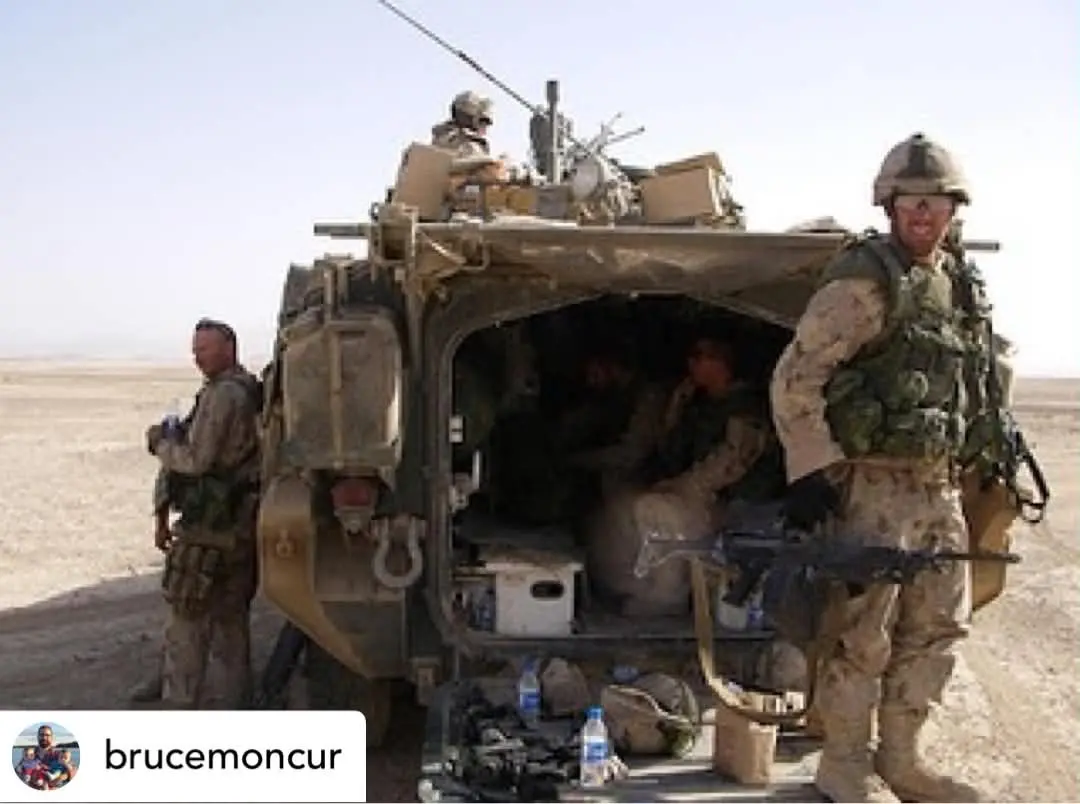
Its goal is to persuade the federal government to award the Victoria Cross—Canada’s highest military medal—to late Afghan veteran Pte. Jess Larochelle. Larochelle, he says, fought off 20 enemy fighters in Afghanistan in “a one-man battle.”
Ottawa said on June 29 that it would review the evidence to determine whether Larochelle’s Star of Military Valour should be upgraded to the Victoria Cross.
“The Legion’s endorsement of that three or four years ago was incredible for us because usually the Legion doesn’t do things like that,” said Moncur. “We can’t thank the Legion enough for adding legitimacy to our campaign.”
‘Remarkable Milestone’
Kelsey Lonie is a military historian for the Royal Regina Rifles and collections manager at Legion Branch 001’s military museum.She has spent several years organizing the museum’s artifacts and has launched an online digital collection featuring more than 2,000 historical photographs, letters, documents and other records of military life—dating back to 1885—in Saskatchewan.
Digging through the artifacts confirmed for Lonie just how important the Legion has been for veterans, how it has changed, and how it has continued to build community.
Lonie said remembrance has also changed over the past century. In the years after the two World Wars, most people knew a veteran—or were one. So, remembrance came more naturally.
“But now, memory needs to be intentional because we don’t have as many veterans, and maybe some people don’t even know a veteran personally,” she said.
Lonie said the Legion has done well in keeping alive the memory of those who served Canada and in serving modern veterans and current military personnel.
“And clearly, there is a need for an organization that promotes remembrance and commemoration like that,” she said, adding the Legion’s 100-year legacy “is a testament to the importance of remembrance and how there’s always work to be done.”
National President
Berkley Lawrence served 33 years in the Royal Canadian Signals Corps. He retired in 2006 as a master warrant officer and was elected Dominion president, or national leader of the Legion, in 2024.He said the Legion’s 100th anniversary shows that the organization is still relevant. This was most evident in the addition of 100,000 new members this year alone, bringing the total to 300,000.
“The future is very, very bright for the Royal Canadian Legion,” Lawrence said.
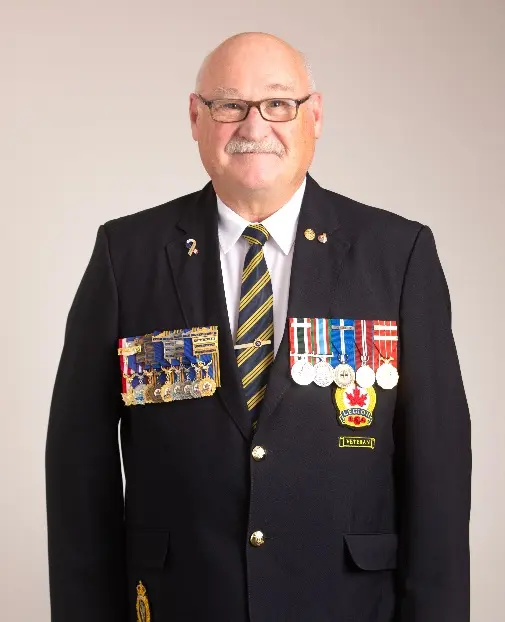
Still, he acknowledged that some Afghan vets harbour “animosity” toward the Legion and blame it for supporting the inaugural New Veterans Charter in 2006, which provided lump-sum payments instead of lifelong pensions. However, Ottawa now offers veterans either option.
Lawrence said the admission of thousands of non-veterans as members hasn’t changed the face of the organization much. He said the Legion’s goal is to advocate for veterans and their families, and people don’t need to be a member of the military to do that.
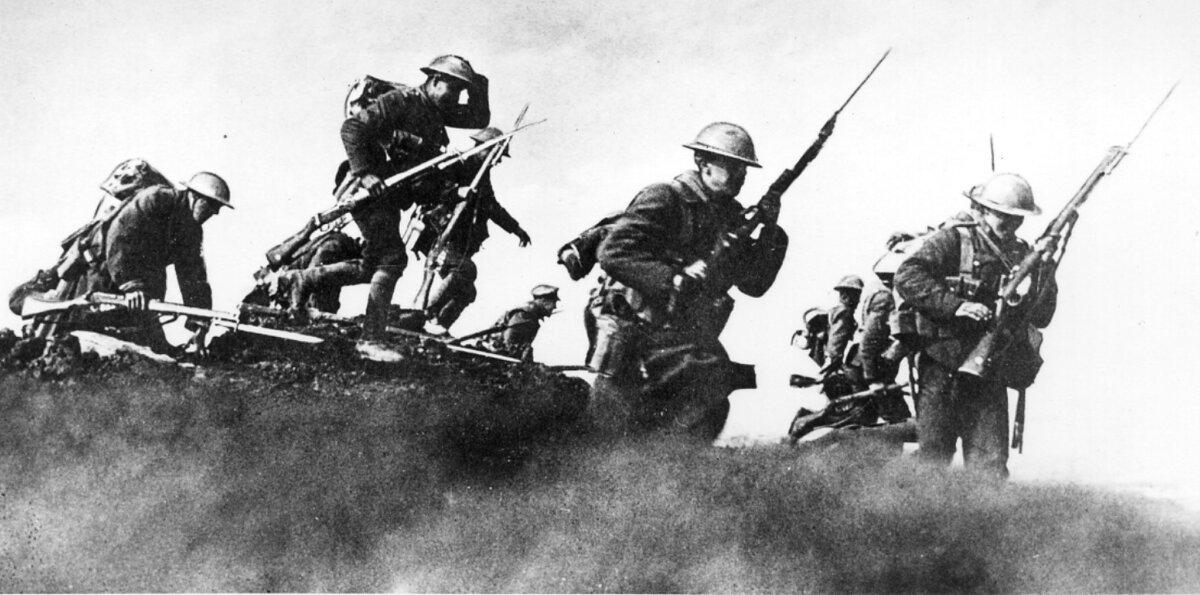
Lawrence recalled that the Legion was a “closed society for a long, long time” after World War I because of how “gruesome” the fighting was and how it damaged soldiers. However, after World War II, the organization became more open, and membership eventually reached 600,000 people.
Lawrence said that if it weren’t for non-veteran members joining the Legion in the 1950s and 1960s, many of the 1,350 branches across Canada would have closed. Also, the membership of many branches is now growing younger.
There has always been a need for a veterans’ organization in Canada, with the War in Afghanistan giving the Legion a renewed purpose, the Dominion president said.
“We still have lots of great serving veterans and retired veterans we will be honouring,” Lawrence added. “We’re going to be relevant forever.”
As the generation that founded the Legion fades into history, its second century may be defined less by those who served in past wars and more by how effectively it continues to support veterans and help Canadians remember their sacrifices.