The European Union gave Bulgaria the green light to join the eurozone at the start of next year.
At the meeting, finance ministers from member states determined to set the Bulgarian lev conversion rate at 1.955 per euro.
“From today, Bulgaria takes its place as the 21st member of the eurozone,” said Stephanie Lose, the Danish minister for economic affairs.
Denmark currently holds the EU’s rotating presidency.
“This marks the culmination of a thorough process towards Bulgaria’s accession, comprising rigorous analysis and intensive preparation. I warmly congratulate Bulgaria and the Bulgarian people on this tremendous achievement,” Lose added.
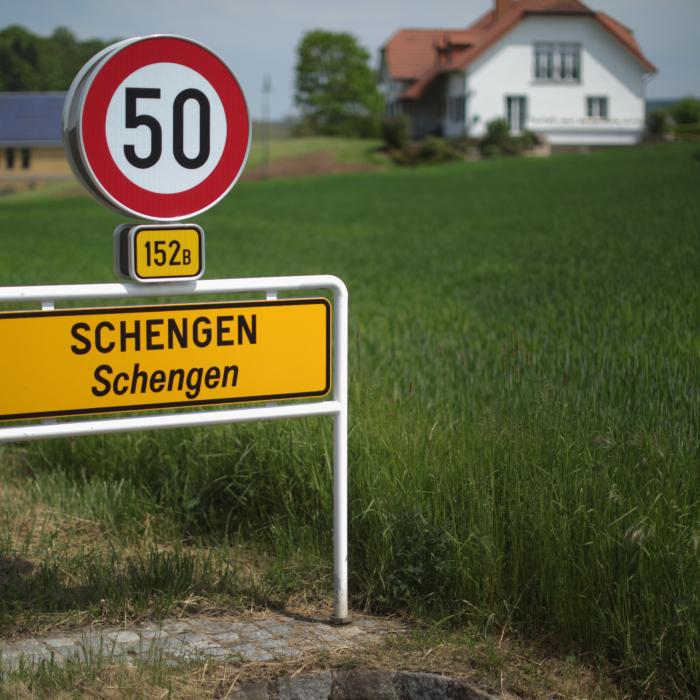

Bulgarian MEP Eva Maydell said after the vote that it marked a “key milestone towards Bulgaria’s full European integration—for the country and its citizens.”
“From those who were on the square in 1989 and peacefully toppled the communist regime, to those who suffered during the 1997 currency crisis, to those young people for whom Europe is their home today.
“With the adoption of the single European currency, the European dream of generations of Bulgarians is fully realized.”
The last country to join the eurozone was Croatia, which abandoned the kuna in 2023 in favor of the European currency.
After Bulgaria accedes to the eurozone, only six of the 27 EU countries—Sweden, Poland, the Czech Republic, Hungary, Romania, and Denmark—will continue using their currencies.
Sofia had hoped to join the single currency sooner, but Brussels viewed its inflation rate as too high.
Member states that want to join the single currency must demonstrate that their economy has converged with other eurozone countries and that their finances are under control.
Conditions for ascension include holding inflation to no more than 1.5 percentage points higher than the rate of the three best-performing EU countries.
Over the weekend, thousands of protesters gathered in a central square in the capital, Sofia, to protest the plans to adopt the euro and demand a referendum.
The protesters said that after the rally, they intended to set up a tent camp on the central square, dubbed “Town of the Lev.”
On a platform for speakers hung a huge banner reading: “The battle for the Bulgarian lev is the last battle for Bulgaria.”
The leader of the pro-Russian Vazrazhdane (Revival) party Kostadin Kostadinov told the protesters: “Someone else will decide how we spend our money, the Bulgarian budget will be approved by the European Central Bank.”
“This is an anti-state coup, this is treason,” he added.