Some of Australia’s largest wholesale beef purchasers have confirmed they will not import U.S. beef, opting instead to stick with Australian producers.
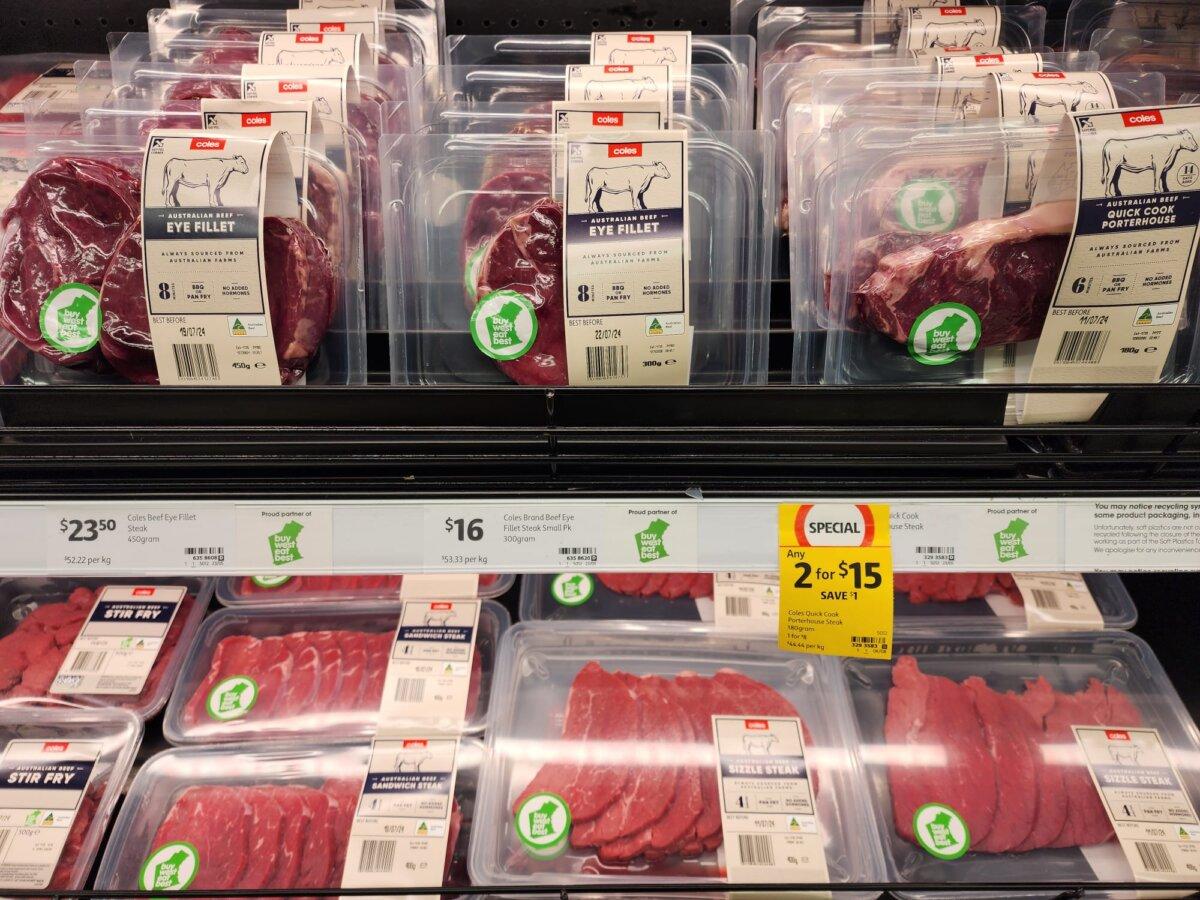
Supermarket giants Coles, Woolworths, and Aldi have all stated they will only sell Australian beef.
“At Coles, we continue to partner with top beef producers across Australia to bring our customers the high-quality, 100 percent Australian-sourced Coles brand fresh beef that they enjoy today,” the company told The Epoch Times in a statement.
Woolworths, which purchases around 7 percent of Australian beef, also said there were no plans for change.
“We apply an Australia-first approach, and 100 percent of our fresh red meat is sourced directly from Australian farmers, with whom we have long-standing relationships,” the company told The Epoch Times.

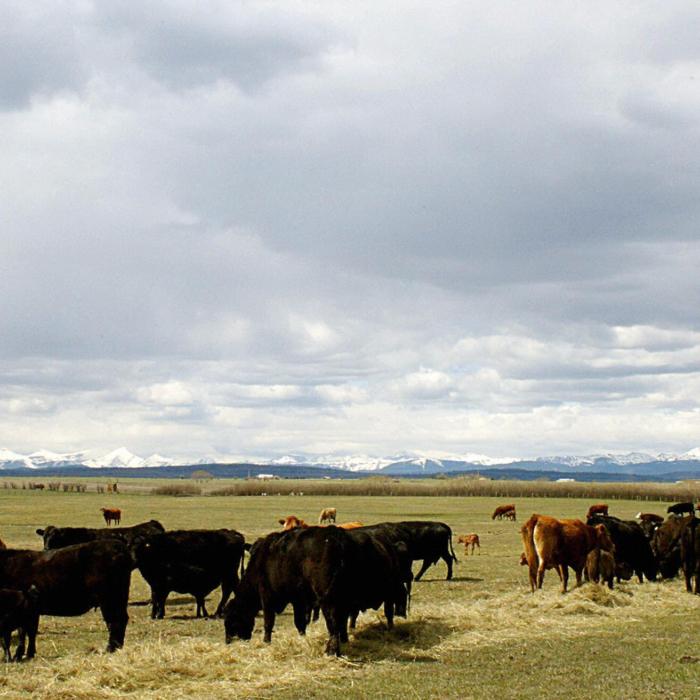
Aldi sources all fresh meat from Australian farmers and will reportedly continue to do so.
Supermarket chains are not the only purchasers swearing off imported meat, however.
Fast-food behemoth McDonald’s also issued a similar statement.
“We’ll continue to source 100 percent Aussie beef for our menu and provide our customers with the great taste, quality, and value they know and love,” a spokesperson told The Epoch Times.
Popular Mexican chain Guzman y Gomez has likewise agreed to stick to Australian meat.
“At Guzman y Gomez, we’re proud to serve Australian beef, and that’s not changing,” a spokesperson told The Epoch Times.
“Recent tariff decisions won’t impact where we source the high-quality ground beef and beef brisket that go into our signature burritos and bowls.
“At GYG, great taste starts with the best fresh ingredients, and Australian beef is here to stay.”
Industry Confident
The Australian government banned fresh meat from the United States in 2003 after the detection of a single case of mad cow disease.By 2019, the ban had been lifted but exports were difficult to navigate due to a condition that all beef had to be sourced from cattle born, raised, and slaughtered in the United States.
Because the United States sources some cattle from Canada and Mexico and lacks a comprehensive system to trace all cattle, it proved too difficult to prove the specific origins of beef products.
Following pressure from the U.S. government, Australia agreed in July that biosecurity measures were adequate and that American beef could be sold in Australia.
“More than 99 percent of beef available in Australian supermarkets, pubs, and restaurants is Australian beef,” he said.
“Australia produces approximately three times more beef than needed to feed our population. Around 70 percent of our production is exported to global markets.”
On the other hand, due to high beef demand and a shrinking cattle herd, the United States imports significant amounts of Australian beef.
“In fact, demand for Australian beef in the U.S. continues to grow. In June 2025, exports to the U.S. rose 24 percent year-on-year, despite a 10 percent tariff introduced in April,” Crowley said.
“Australian beef complements the U.S. production system and there remains strong demand for Australian beef in the U.S. market.”