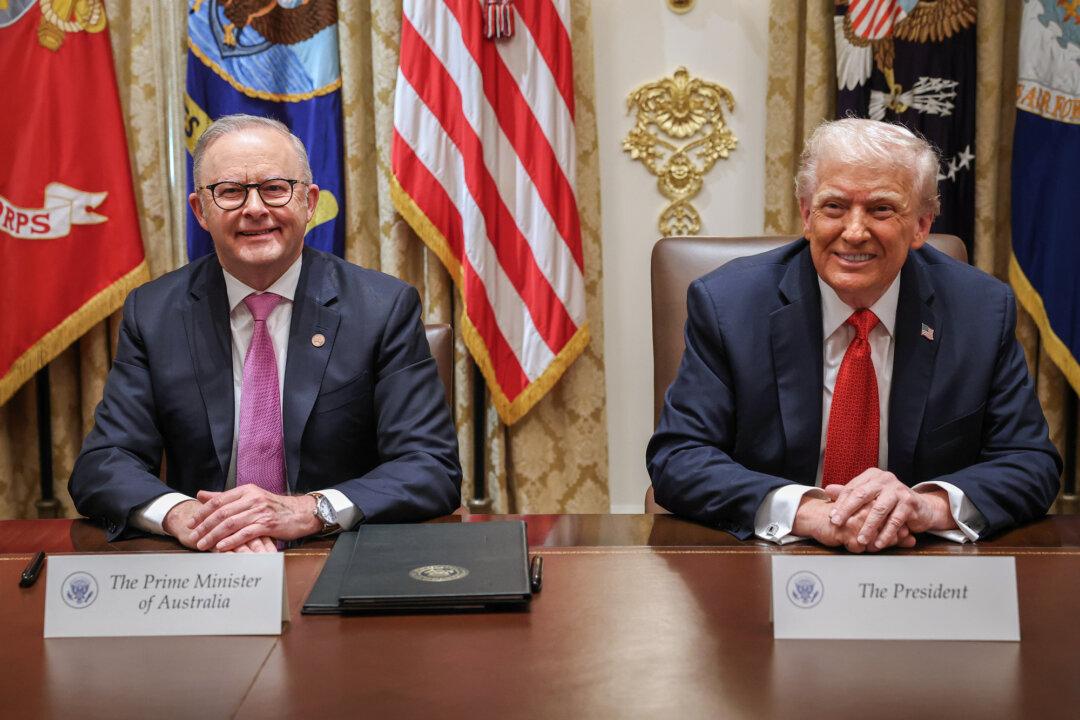
A major Australian meat industry body has played down concerns that opening up the country’s market for U.S. fresh beef imports will impact local producers.
A ban on U.S. beef imports was put in place in 2003 after a single case of mad cow disease was detected in the U.S.
While the ban was lifted in 2019, the Australian government has now relaxed a requirement for all U.S. beef to be born and raised in America—U.S. producers have sometimes used Canadian and Mexican stock to bolster their herds.
Michael Crowley, managing director at Meat and Livestock Australia (MLA), said a review into U.S. and Canadian beef had been completed and that relaxing restrictions would have little impact on the local industry.
It remains unclear if Mexican beef have been reviewed.


“Following an extensive review, the Department of Agriculture, Fisheries and Forestry and the competent authorities in both countries have finalised health certification and import permit conditions,” Crowley told The Epoch Times.
“As a result, both U.S. and Canadian beef will be permitted entry into Australia.”
Crowley said the broader acceptance of U.S. beef imports would have a minimal impact on Australia’s industry.
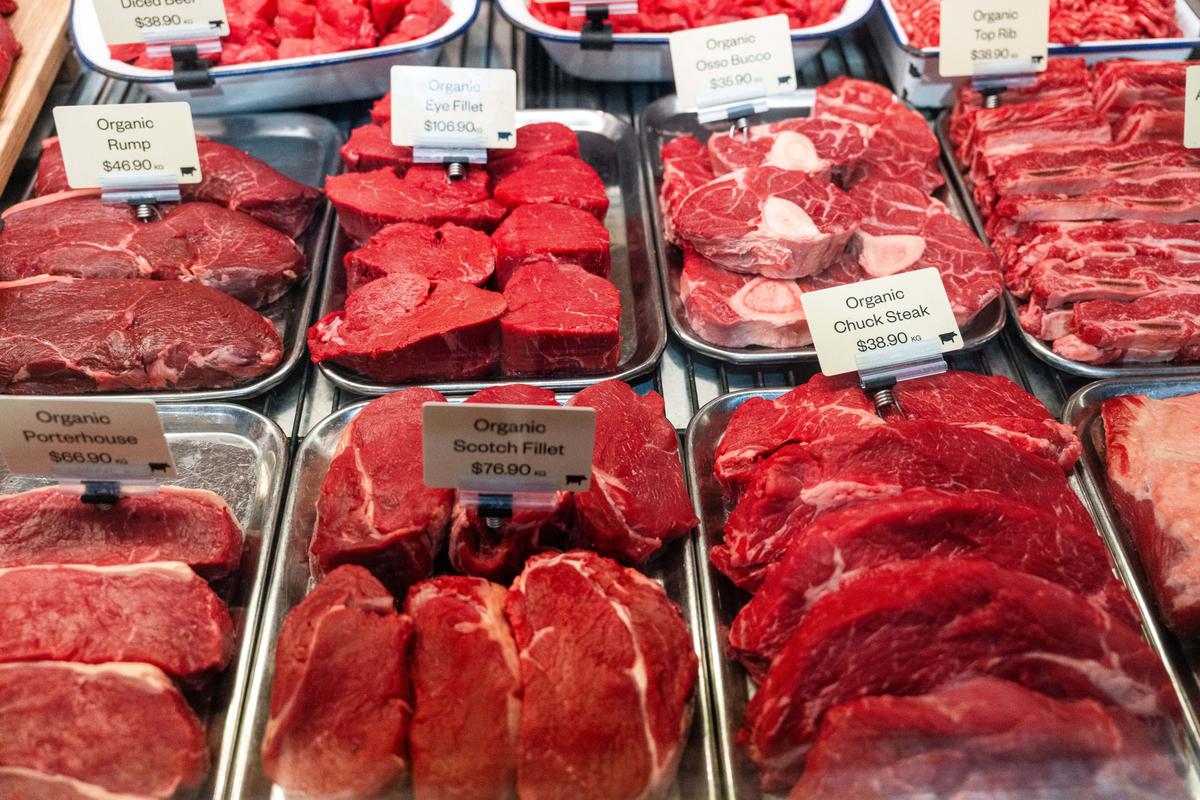
“More than 99 percent of beef available in Australian supermarkets, pubs, and restaurants is Australian beef,” he said.
“Australia produces approximately three times more beef than needed to feed our population. Around 70 percent of our production is exported to global markets.”
Crowley said U.S. producers were busy fulfilling demand in America.
“The potential for U.S. beef to be imported into Australia in large volumes is minimal, given the high demand for beef in the U.S., the low U.S. cattle herd, the strength of the Australian dollar, our competitive domestic supply, and most importantly Australians’ strong preference for high-quality, tasty and nutritious Australian beef,” he said.
“In fact, demand for Australian beef in the U.S. continues to grow. In June 2025, exports to the U.S. rose 24 percent year-on-year, despite a 10 percent tariff introduced in April.
“Australian beef compliments the U.S. production system and there remains strong demand for Australian beef in the U.S. market.”
Biosecurity Systems Remains Strong
Crowley said the biosecurity regimen remained strong.“Australia maintains one of the strictest biosecurity regimes in the world to protect our livestock industries, environment, and food safety,” he said.
“The Australian government decision to permit beef imports from the United States and Canada follows a comprehensive risk assessment, ensuring that all biosecurity protocols and import conditions meet Australia’s high standards.
Trade Barriers ‘Absurd’: Ag Secretary
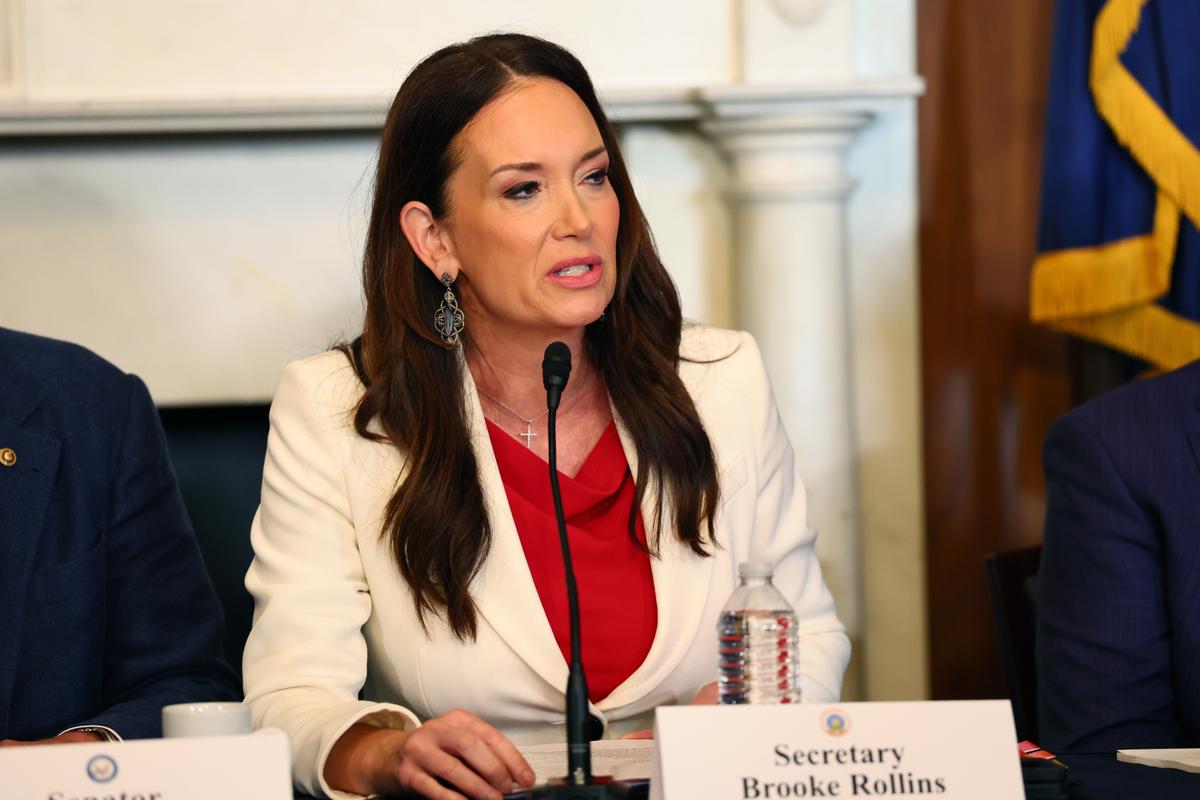
U.S. Secretary of Agriculture Brooke L. Rollins issued a statement on the breakthrough for U.S. producers.“American farmers and ranchers produce the safest, healthiest beef in the world,” she said.
“It’s absurd that non-scientific trade barriers prevented our beef from being sold to consumers in Australia for the last 20 years.
“Gone are the days of putting American farmers on the sidelines. This is yet another example of the kind of market access the president negotiates to bring America into a new golden age of prosperity, with American agriculture leading the way.”
Flavours Apart
Australian and U.S. beef are both said to have their own unique flavours.U.S. beef is generally grain-fed on corn and soy, which produces a meat with more fat marbling and a higher degree of tenderness.
On the other hand, Australian beef is generally grass-fed, which leads to a leaner meat that can have a stronger, more gamey flavour.
If Australian meat is grain-fed, it is generally on wheat and barley.