SUGARCREEK, Ohio—Growing up Amish before he left the community to carve his own path, John Miller likes to say that he traded driving a horse-and-buggy for a Pontiac.
The journey eventually led back to the rolling hills of northeast Ohio and the second-largest community of Amish in the world.
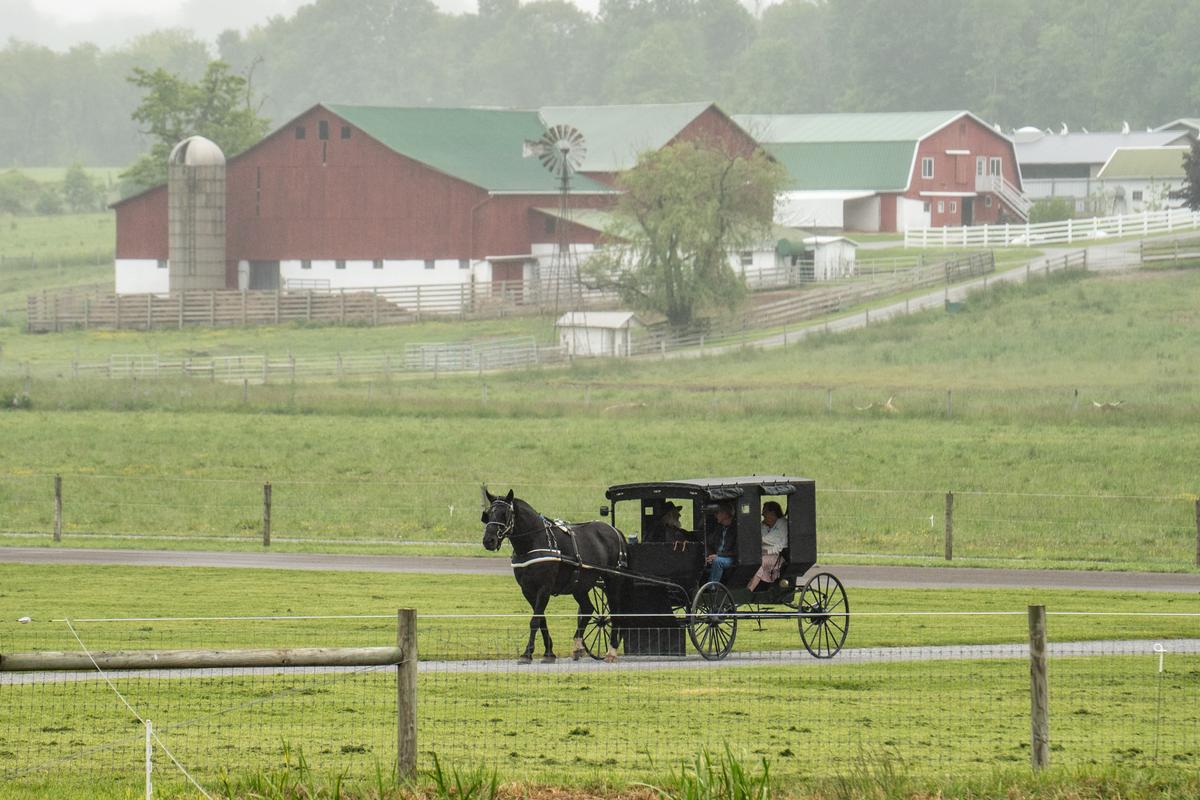
Amish and Mennonite farms dot the landscape along roads traveled by horse-drawn buggies as well as automobiles.
It is here where Miller and his wife, Susan, have raised their children and embraced their self-sufficient roots.
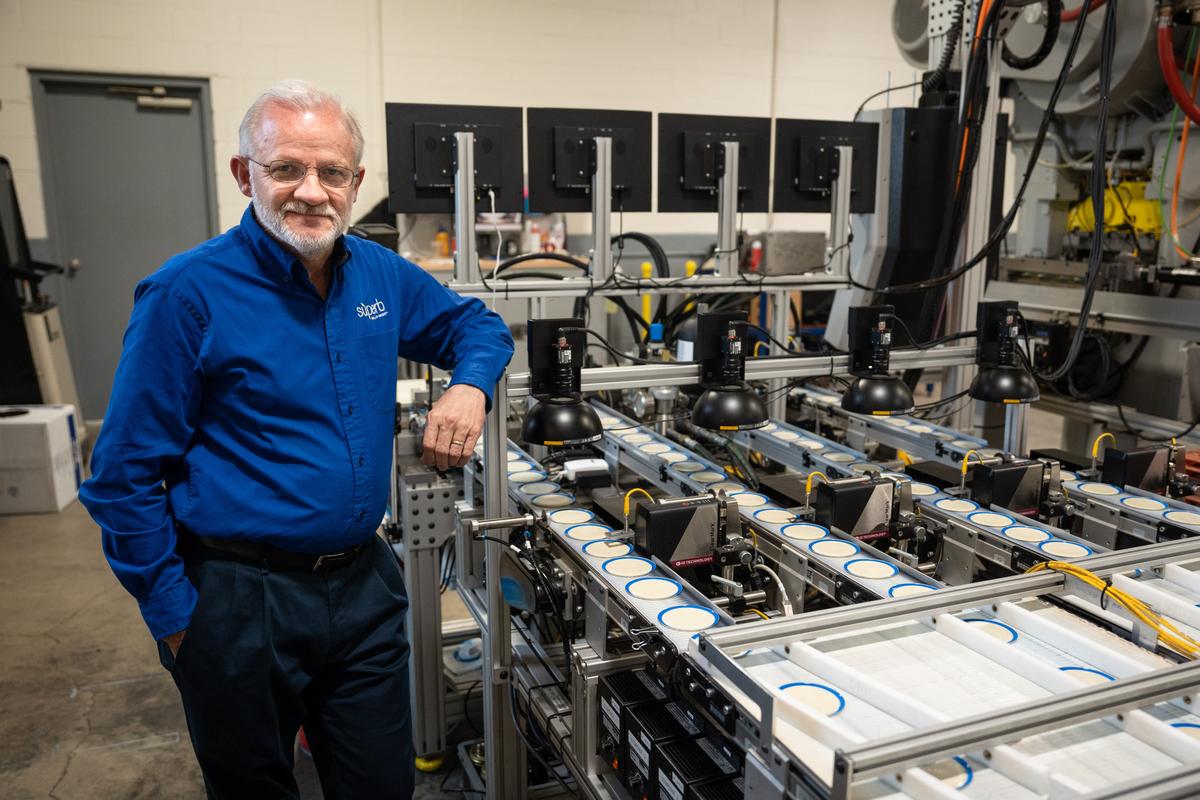
John Miller is the president of Superb Industries in Sugarcreek, which includes Superb Canning. He is also co-founder of the Food Independence Summit, which is one of the largest homesteading events in the country.
John Miller’s family has lived in the region since 1819, he said.
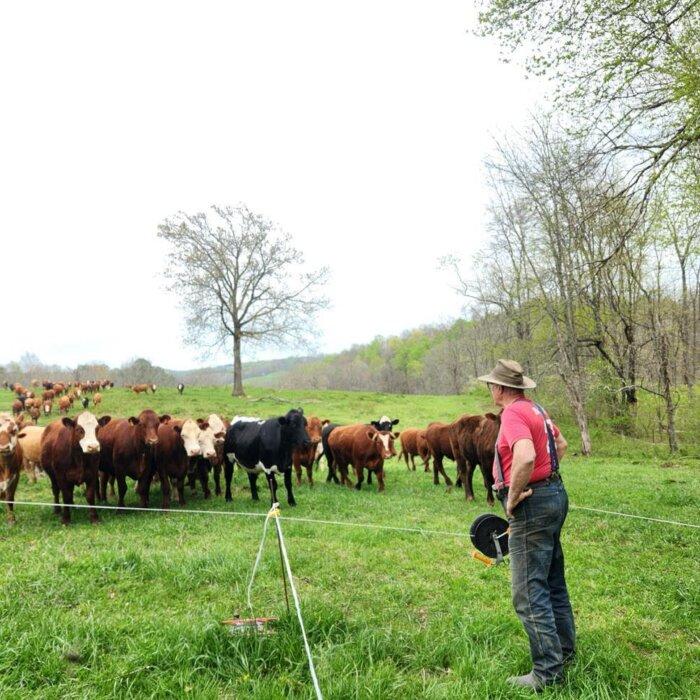

“I grew up in an Amish family. We didn’t have indoor plumbing until I was 12. I grew up helping my uncle farm and working in my dad’s shop, and helped put up hay and grain. I value my Amish heritage. Always have, always will,” Miller said.
When they were married and in their early 20s, John and Susan Miller decided to make a significant lifestyle change. They left the Amish community.
“We wanted to begin celebrating the Sabbath, meaning Saturday and the Biblical Holy Days. The Amish celebrated Sunday. So that led us to leave. I went from driving a horse and buggy to driving a Pontiac,” John Miller said.
His path led to becoming a draftsman and then an engineer for Chrysler and a German company.
The couple moved back to Holmes County when their children were teenagers. They longed to return to the area where they were raised. John Miller built up Superb, and the couple embraced their sustainable living roots.
“The Amish have homesteads, an acre or two, enough to support a horse. Gardening and canning, and preserving your own food is how they live, and how many who aren’t Amish live,” Susan Miller said.
“We eat a lot of our vegetables out of the garden fresh, and then what’s extra, I can or I freeze, so if something happens, like a snowstorm or a power loss, we have everything we need.”
The week before Thanksgiving in 2020, John Miller received a phone call. Leaders from two sustainable food companies had a problem. In the midst of the COVID pandemic, jars and lids for home canning were in short supply, they said.
Mark Coblentz of Walnut Creek Foods and Galen Lehman at Lehman’s Hardware are located in Ohio’s Amish Country, where entrepreneurial spirit is a way of life. Miller’s company, Superb Industries, is based there, too.
“Can you help?” Coblentz and Lehman asked. “If something is not done, we will lose the harvest next year.”
Superb Industries manufactures more than 1 billion engineered components for the automotive and electronics industries. They were capable of producing canning lids, so they embarked on a mission to fulfill the request.
Superb officials contacted members of the Amish community and asked for a sampling of the leading brand lids over the past 30 years.
They evaluated them in their lab and then applied automotive engineering disciplines.
“It quickly became apparent that no one had thought about home canning product enhancement in a meaningful way for 50 years,” Miller said. “We deployed a team of product, process, and automation engineers and delivered 5 million lids in time for the 2021 harvest.
“Before we shipped the first product, we had over 400 Amish canners test the product,” Miller added. “The market needed innovation and a sustainable supply.”
After creating the lids and bands, Superb set out to locate a glass supplier. The company couldn’t get into major retailers unless they have a complete product to sell.
“When we started testing jars from U.S. manufacturers, all but one failed our quality and product standards,” Miller explained.
Eventually, Superb found an ideal match in Arglass, which is based in Valdosta, Georgia.
Superb Arglass bottles and jars are individually identified within their proprietary Bottle DNA system, Miller explained.
The system enables the company and customers to trace any individual container and tie it to all of its production parameters.
Earlier this year, Superb Arglass bottles and jars debuted in 800 Walmart locations.
As Superb continues to grow, so does the Food Independence Summit.
One day back in 2022, John Miller was driving to dinner with the company’s business unit manager, Dave Greer. They passed a golf course where there was a micro camping festival.
“We thought about having a canning festival,” Miller said before talking to Marcus Wengerd, who owns nearby Berlin Seeds.
“Then Marcus told me, ‘John, you’re thinking too small. We need to have a summit where we bring together people who grow their own food and show them how to do it—all the way from seed and soil to preservation,” Miller added.
Wengerd also owns the campground and RV park where they hosted the event.
“We had all the resources we needed, and we put together the first summit in 2022 in six weeks,” Miller explained. “We sought as many experts and influencers in sustainable living as we could find, and now we have plans to keep growing every year.”
The Food Independence Summit is held at Timbercrest Camp and RV Park, located amid the rolling green hills of eastern Ohio.
The community is widely known as an Amish Country tourist mecca, but Holmes County and neighboring Tuscarawas County are also teeming with entrepreneurs focused on sustainable living products and services.
Here, self-sufficient living is a way of life for both Amish and “English”—the Amish term for those who don’t belong to their community.
Miller and Wengerd wanted to bring homesteading enthusiasts to the region so they could learn about becoming self-sufficient.
“We bring them here where homesteading is a way of life. It’s about doing what you can with what you have. That’s food independence,” Miller said.
“It’s all about the seed-to-spoon concept. It’s important to have healthy soil, healthy seeds, know how to grow, and know how to preserve what you grow.”
“You don’t have to go out and buy 10 acres and five cows and seven sheep and build it into an orchard. That is overwhelming,” Susan Miller said.
“No matter where you live, even if you don’t grow anything, you can buy organic produce in season, bring it home, and can it. That gives you assurance that you have food when you need it.
“What’s just as important is that you will know what’s in your food instead of having to read the labels and wonder what all these unpronounceable words are in that food,” she added.
“The focus is on fitness and wellness as it relates to food,” Miller said. “We have speakers in the morning, and in the afternoon, we have 40 workshops and panels that teach people everything from how to butcher chickens and learn beekeeping to managing a homestead, canning, and gardening.”
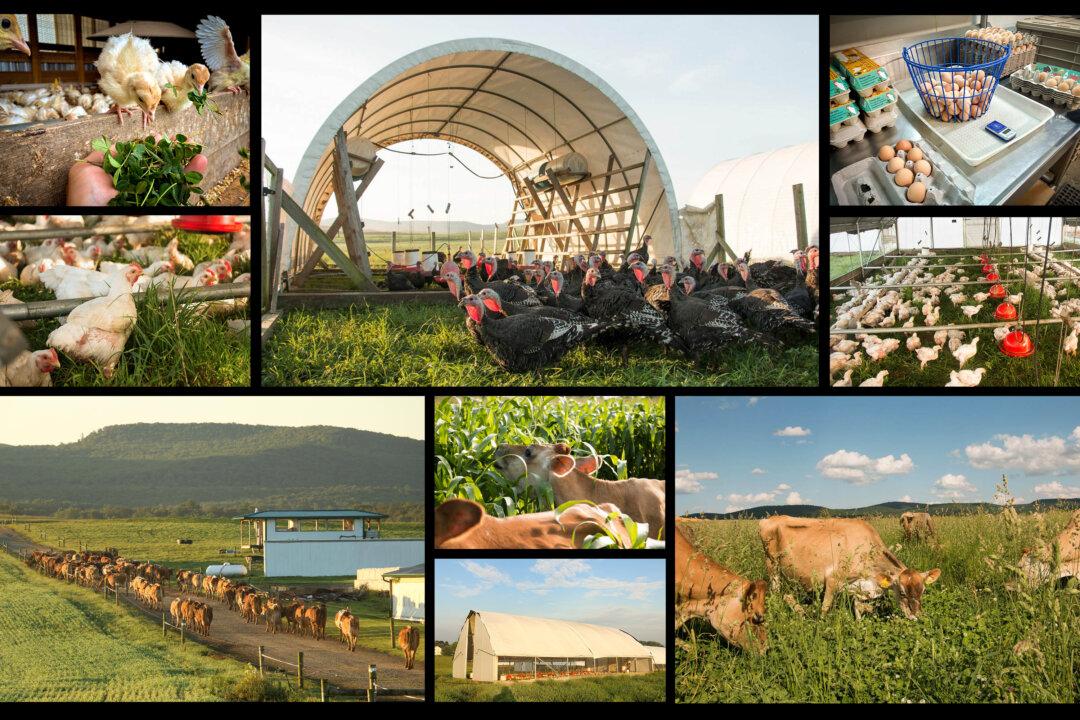
Most Amish residents in northeast Ohio live in and around Holmes County, which has the highest concentration of Amish of any U.S. county. Half of the county’s population is Amish. Many members of closely related denominations like the Mennonites reside here, too.
One of Ohio’s most visited tourist areas, Amish Country draws visitors who flock here to experience farm attractions and museums and buy a wide assortment of handmade goods and artisan products.
Bed-and-breakfasts and historic inns dot the landscape amid sprawling, meticulously maintained farms. Horse-drawn buggies are just as common as automobiles on some of the roads.
Miller said what makes this area “perfect” for an event that encourages gardening and homesteading is its heritage.
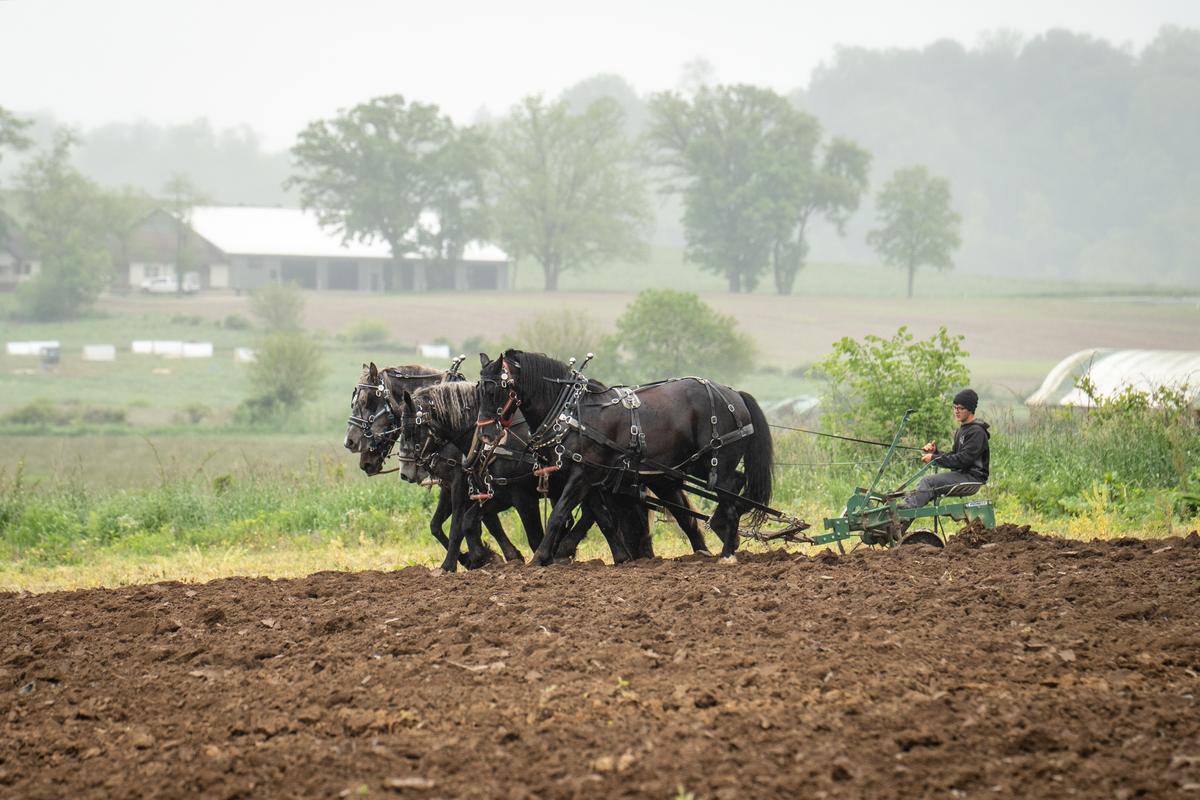
“Sustainable living is a deeply entrenched tradition dating back several hundred years. It used to be that way everywhere,” Miller said.
“Along the way over the last 50 years or so, we’ve lost our way as a country. Since COVID, there has been a movement among many Americans to growing our own food and knowing where our food comes from.
“That’s our purpose with the Food Independence Summit, showing people first-hand how they can take even a little of the lifestyle here and become more self-sufficient wherever they live.”