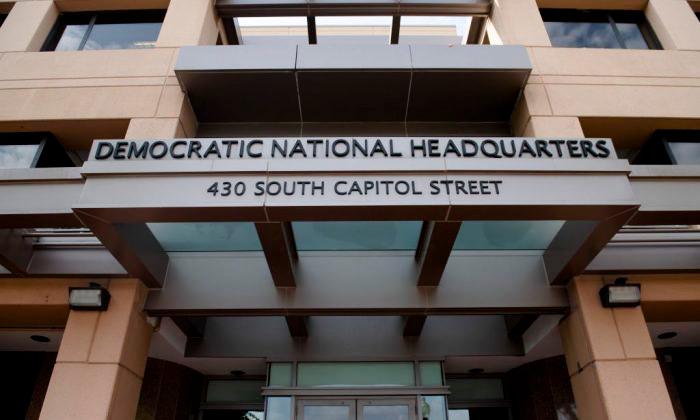
The group, led by Rep. Shontel Brown (D-Ohio) and Rep. Jim Costa (D-Calif.), said recent comments from the administration about lowering prices through imports have already impacted producers.
“In recent weeks, the President’s repeated statements about lowering U.S. beef prices by importing more beef from Argentina have destabilized U.S. cattle markets,” the lawmakers wrote in the letter. They said the market impact has been felt even before any changes take effect.
The administration said last month that it supports increasing the tariff-rate quota for Argentine beef. Officials say the change could help ease grocery prices, which remain elevated after several years of drought, higher feed costs, and a reduced national cattle herd.
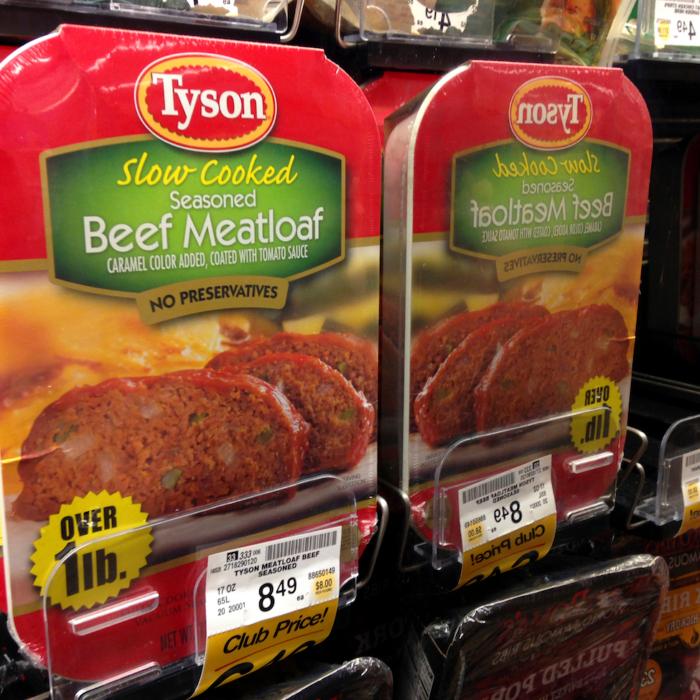

The lawmakers from the Democratic Party questioned the effectiveness of new imports, writing that “the only thing that this has done is introduce uncertainty into the marketplace and cost American cattle producers money.”
Brown, Costa, and the other signatories said the industry needs predictability as herds rebuild and markets adjust.
Framework Trade Deal With Argentina
On Nov. 13, the United States finalized framework trade agreements with Argentina, Guatemala, El Salvador, and Ecuador.The previously announced U.S. reciprocal tariffs will remain the same under these agreements. Goods from Guatemala, El Salvador, and Argentina will continue to face a 10 percent U.S. tariff because the United States has modest trade surpluses with these countries, according to a senior administration official.
The official said beef imports from Argentina fall under the existing quota system. Once those quotas are filled, a 25 percent tariff applies, which is set by Congress. For now, the administration plans to let the market determine the amount of beef imported, according to a senior administration official.
The White House issued joint statements with each country outlining frameworks for reciprocal trade agreements.
According to the U.S.–Argentina joint statement, Argentina has agreed to open its market to U.S. live cattle, committed to allowing market access for U.S. poultry within one year, and agreed not to restrict market access for goods that use certain cheese and meat terms.
Argentina agreed to “simplify product registration processes for U.S. beef, beef products, beef offal, and pork products, and will not apply facility registration for imports of U.S. dairy products,” the statement reads.
In an emailed statement to The Epoch Times, White House spokeswoman Anna Kelly said the administration is trying to balance support for ranchers with price relief for consumers.
“President Trump pledged to protect America’s ranchers and deliver economic relief for everyday Americans,” she wrote.
“The Administration is accomplishing both by expanding beef imports from Argentina to lower consumer prices in the short term while rolling out a new USDA initiative that will support ranchers and expand cattle herd sizes to keep prices lower in the long term.”
Republicans raised similar concerns about beef imports last month.
The letters reflect growing scrutiny from both parties as Congress heads into year-end discussions on agriculture and appropriations. Lawmakers in both parties say cattle producers are facing tight inventories, high input costs, and market volatility.
Democrats say they will continue monitoring the issue as Congress moves toward further debate on agricultural programs and rural development.
The Epoch Times reached out to the U.S. Department of Agriculture for comment on the letter from Democrats, but did not hear back by publication time.