Yesterday, I took my kids out for frozen yogurt.
Everyone had already ordered. They were sitting at the table happily digging into their dessert when the young woman behind the counter looked at me and said, “We don’t take cash.”
I wish I could tell you that I responded gracefully.
I didn’t.
I got short with her.
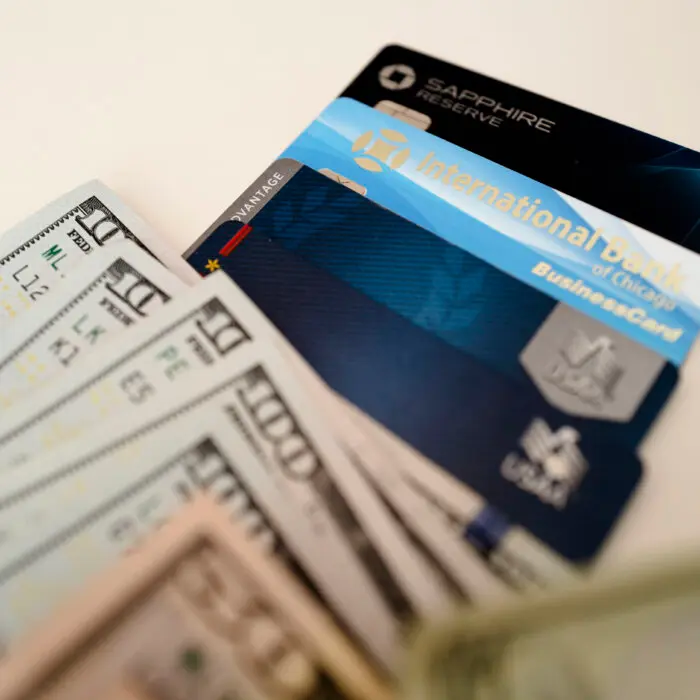

A few minutes later, I went back and apologized because the truth is, it wasn’t her fault. She was almost certainly just following the policies she’d been given. My frustration wasn’t with her. It was with the fact that this keeps happening.
It seems like more and more businesses are refusing the only form of legal tender issued by our government and instead requiring customers to pay by credit card, debit card, or phone.
That interaction stayed with me long after the frozen yogurt was gone.
The Constitution speaks of gold and silver coin. Over time, Congress authorized paper currency as legal tender. We later left the gold standard, and today our money is no longer redeemable for precious metals. Whether you celebrate those changes or criticize them, one thing remains true: U.S. currency remains the only form of legal tender issued by our government.
So what does it say about a society that increasingly refuses to accept its own legal tender?
This isn’t really an article about frozen yogurt.
It’s about trust.
Over the past several decades, Americans have watched banks fail, receive bailouts, charge endless fees, and profit from ever-increasing consumer debt. Identity theft has become commonplace. Data breaches happen so often they barely make the news anymore. Payment processors decide which transactions they will facilitate. Digital networks occasionally fail. Yet somehow we have reached the point at which many businesses refuse the one form of payment that does not require a credit card, a smartphone, or an active digital payment network.
That strikes me as odd.
Every day my phone rings with another offer to borrow money.
My mailbox fills with credit card applications.
Text messages promise pre-approved loans.
The advertisements are relentless.
The system seems desperate for me to take on more debt.
At the very same time, cash is quietly disappearing from ordinary life.
Whether our monetary system is fundamentally broken or simply evolving is a debate that has filled libraries. Some see modern money as an engine for economic growth. Others see it as a system that depends on ever-expanding debt. I am not trying to settle that debate here. I simply know that something about it feels increasingly uncomfortable.
We also shouldn’t forget what happened during the COVID-19 pandemic and in the years that followed. Businesses were forced to close. Fundraising platforms froze donations connected to controversial protests. Payment processors terminated accounts. Celebrities, organizations, and ordinary citizens alike reported being de-banked or losing access to financial services because of unpopular speech, controversial causes, or behavior that financial institutions chose not to support.
Whether every one of those decisions was justified isn’t my point. The point is that many Americans got a glimpse of what happens when your ability to participate in commerce depends entirely on digital systems controlled by institutions you do not own. Access to the modern financial system is not always as permanent as we assume.
Before anyone points out that our dollars are Federal Reserve notes, I understand that our monetary system already involves a complex relationship among the Treasury, the Federal Reserve, and commercial banks. That isn’t really my point. My point is much simpler: Cash remains one of the few ways ordinary Americans can exchange value directly without simultaneously relying on a credit card company, payment processor, or digital payment network to approve the transaction in real time.
But this isn’t really about one frozen yogurt shop.
If I couldn’t buy dessert with cash yesterday, life would go on. I’d find another shop.
My concern is much bigger than frozen yogurt.
It’s about what happens when a society gradually stops expecting to use legal tender at all.
Countries around the world are already exploring or implementing central bank digital currencies, and programmable forms of digital money are no longer theoretical. Some governments see enormous benefits in faster payments, reduced fraud, and more efficient distribution of public funds. Others worry about what happens when every dollar can be monitored, restricted, or programmed.
I’m not arguing that this future is inevitable.
I’m asking whether we’re quietly preparing ourselves to accept it.
I live in a rural community where trust still exists. Trust, balanced with the understanding that just about everyone owns a firearm, has a funny way of encouraging honesty.
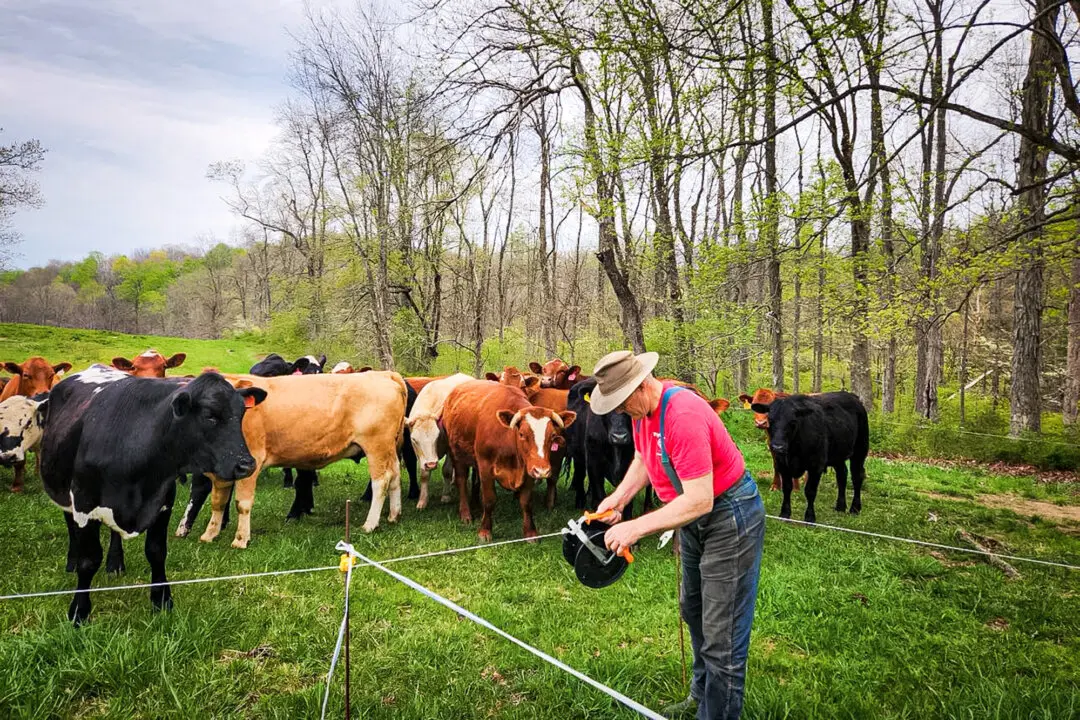
On Mondays our ranch is closed, but every now and then someone forgets and drives all the way out to buy eggs, milk, meat, or groceries from our farm store. They leave a check or cash on the counter with a handwritten note telling us what they took. I come in Tuesday morning, read the note, smile, and know exactly what happened.
That kind of commerce still exists.
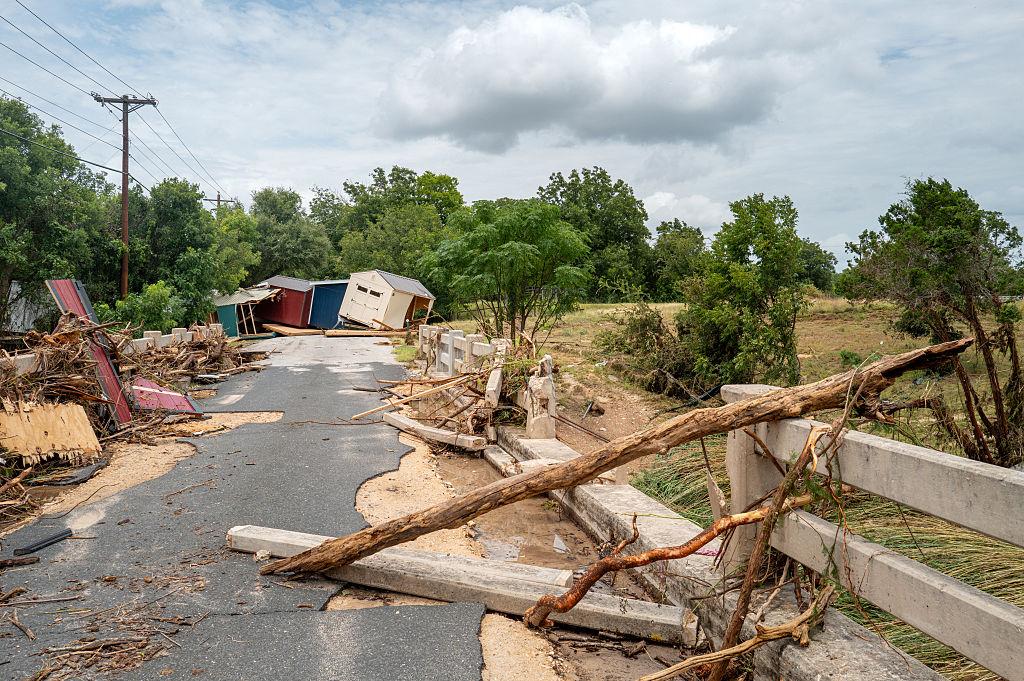
Living in the Texas Hill Country has also reminded me that technology is not infallible. We rely on Starlink, and in times of heavy storms, high winds, or thick cloud cover, our internet isn’t always reliable. There have been plenty of days when credit cards wouldn’t process, but families still enjoyed dinner, bought groceries, and settled up with cash. That matters.
I’ve spent more than 15 years in the restaurant business. Does anyone else remember the old credit card imprint machines we called “knuckle busters?” When the network went down, you could still take an impression of the card and process the transaction later. Today, those machines have practically disappeared. Most credit cards don’t even have raised numbers anymore.
We’ve built incredible convenience.
We’ve also quietly eliminated many of our backups.
Resilient systems have redundancy. Increasingly, our financial system does not. As we become more dependent on a single way of transacting, we also become more vulnerable when that system fails or when access to it is denied.
As those of you who read my column regularly know, I believe that we need more peer-to-peer transactions. More farmers selling directly to families instead of shipping everything through commodity markets. More people buying from the local hardware store instead of automatically clicking “Buy Now” on Amazon. More neighbors supporting the little bookstore, restaurant, coffee shop, or hardware store down the street because communities only stay vibrant when the people who live there choose to support them.
Money is no different.
The ability to exchange value directly is something worth protecting.
Every time another institution stands between a buyer and a seller, that institution extracts value from the transaction. Sometimes the service is worth paying for. But every additional intermediary takes a small piece of what was once a direct exchange between two people.
As someone trying to keep a ranch, a restaurant, a farm store, and a family afloat, I feel every dollar that comes through our gate. Every processing fee. Every platform fee. Every subscription. Every percentage point matters.
Those costs don’t simply disappear. They reduce what a farmer earns. They increase what a family pays. They chip away at the margins that keep small businesses alive.
Perhaps even more importantly, they chip away at our independence.
Cash isn’t perfect. Neither are digital payments. That isn’t my point.
My point is that if we lose the habit of transacting directly, we may eventually lose the ability to do so. Rights and freedoms often disappear long before they’re taken away. They disappear because they are no longer exercised.
This feels like just another one of the hundreds of quiet trades we’ve made over the years: resilience for convenience, privacy for convenience, local relationships for convenience, our health for convenience, and, perhaps most importantly, our liberty for convenience.
Cash is no longer king. It may not even be the future.
But I hope that we don’t allow the freedom that cash represents to quietly disappear without asking whether that’s a trade we truly want to make.
Because the freedom to exchange value directly, without asking permission from anyone else, may be one of those freedoms we don’t fully appreciate until the day it’s gone.