This week, I was talking with one of my neighbors, a good man who raises hay and runs a cow-calf operation. As we discussed different approaches to grazing and pasture management, he laughed and called some of my ideas “fantastical fairy tales.” We both laughed.
We’ve known each other long enough that neither of us took offense. The truth is, some days even my husband thinks my ideas sound like fairy tales. Still, those conversations stay with me because I believe my greatest talent isn’t that I’m always right. Far from it.
My greatest talent is observing the world as honestly as I can and trying to make sense of it. Sometimes, those observations lead me to ideas that seem strange at first. Sometimes, they prove me wrong. Every now and then, they point toward something worth trying.
When I look across my neighbor’s ranch, I don’t see someone doing everything wrong. I see someone working incredibly hard within a system he knows well. I also see possibilities. I see a ranch that could support more cattle through planned, holistic grazing. I see more diverse forage creating healthier soils, reducing fertilizer needs, and making the pasture more resilient during both drought and heavy rain. I see a business that could become more profitable by relying less on purchased inputs and letting the land do more of the work.
Would every one of those ideas succeed? I honestly don’t know. Nature has a way of humbling anyone who thinks they have figured everything out. But if we’re unwilling to ask the question, we’ll never discover the answer.
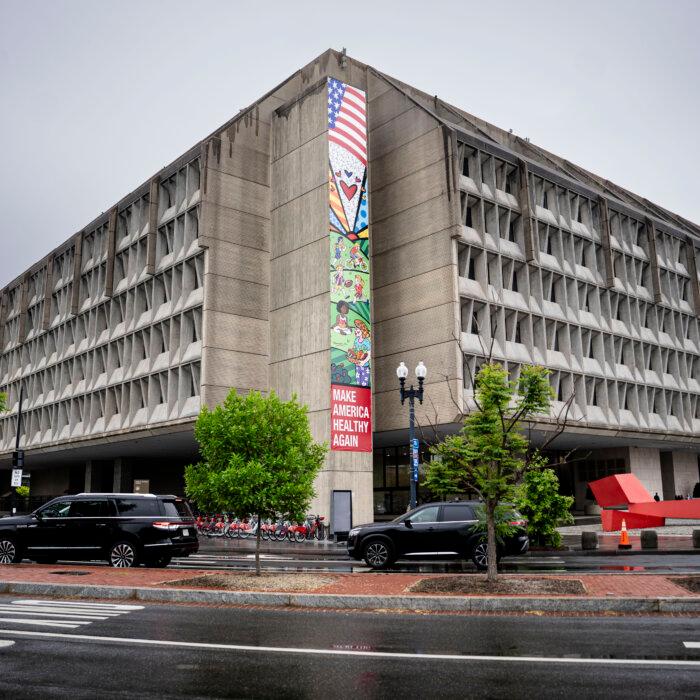
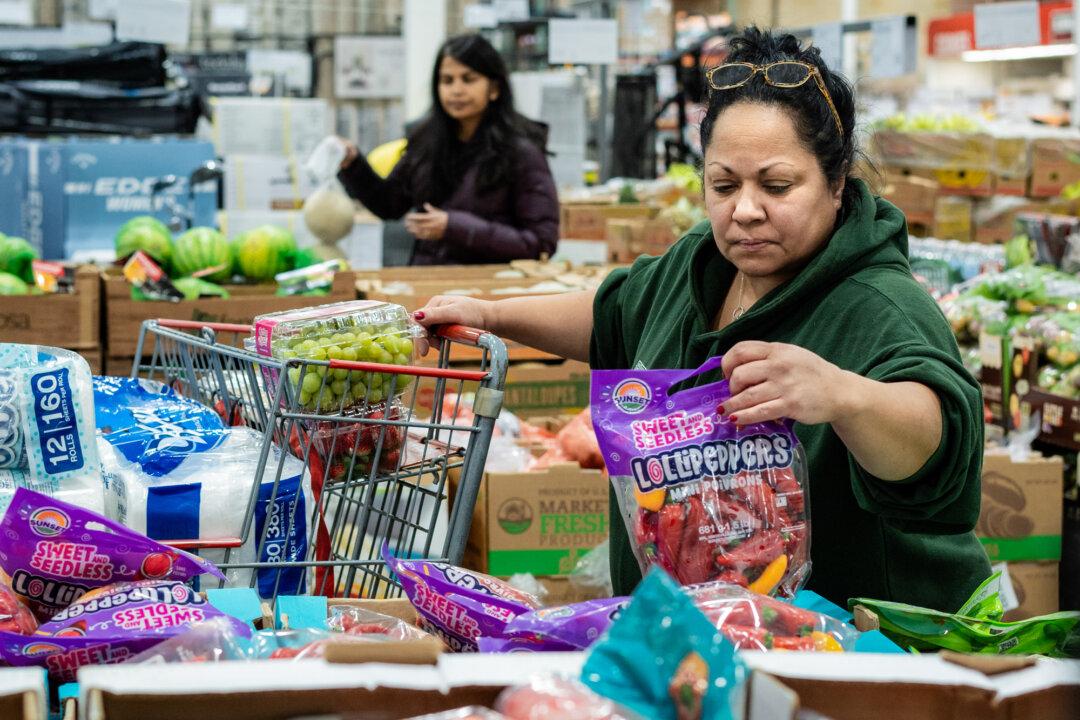
That conversation reminded me of the political debate surrounding agriculture today. Increasingly, we’re told that we have to choose between two competing goals. Either we support farmers making a living, or we support healthy, nutrient-dense food. One side talks almost exclusively about production and profitability. The other talks almost exclusively about health and sustainability. As if those two goals are somehow incompatible.
I reject that premise entirely.
I know regenerative farmers who produce incredible food but struggle to pay the bills. Some days I count myself among them. I also know conventional farmers who have built profitable businesses that have supported their families for generations.
At the same time, I know regenerative farmers whose operations are thriving because they have reduced input costs, improved their land’s productivity, and built businesses around healthier soil.
I also know conventional farmers who are struggling under debt, rising fertilizer prices, volatile markets, and shrinking margins. The labels don’t explain success or failure nearly as well as people want them to.
Maybe we’re asking the wrong question. Instead of arguing over which system is better, why aren’t we asking what the best farmers are doing? What can profitable farmers teach those who are struggling? What can farmers producing healthier, more nutrient-dense food teach everyone else? Why do politics and the media insist that these ideas belong on opposite teams when they could be working together?
I’ve watched this play out on my own ranch. For years, my uncle cared for our pigs, but recently, he admitted that age had caught up with him and that the physical demands were becoming too much. My husband stepped in, and before changing anything, we visited other hog farmers, asked questions, and looked at different management systems. Some of the ideas seemed unnecessary. Others challenged habits that had been in place for years. We decided to try them anyway.
We built larger paddocks, gave the pigs more pasture, and changed the way we managed their feed. The pigs are gaining the same weight on the same land while using roughly half as much feed. We didn’t discover a miracle ration. We changed the management. Sometimes there’s a real cost to being stuck in our ways.
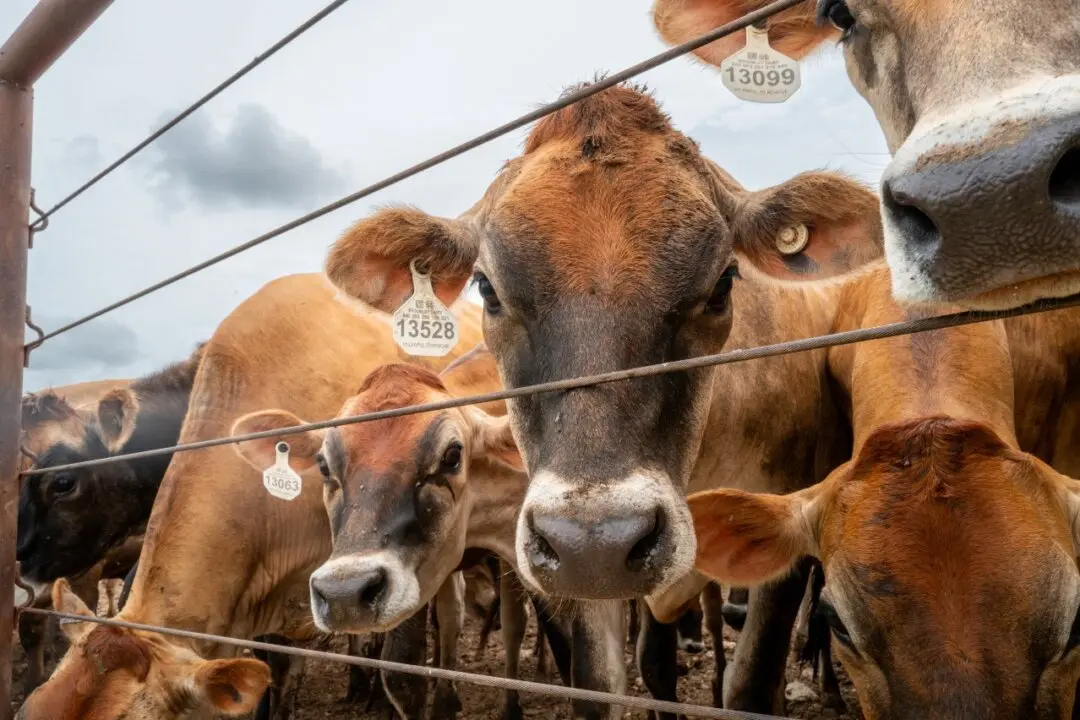
I’ve seen the same lesson with our cattle. We have always rotated our cows, but I struggled to convince my husband that moving them multiple times throughout the day would make enough difference to justify the effort.
Then, a young man who had come to live with us as a teenager challenged both of us. He has become one of the most committed, hardest-working regenerative farmers I know. He reads grazing magazines, studies successful ranchers from around the country, and is constantly looking for better ways to steward the land.
He believed that our cattle would benefit from more frequent moves, and my husband was willing to experiment. Instead of creating dozens of tiny paddocks, he found a practical compromise. He still builds a larger paddock, then simply moves one strand of wire forward 20 or 25 feet at a time throughout the day. The cattle naturally follow the fresh forage, the pasture receives more recovery time, and the improvement has been obvious enough that neither of us questions whether the extra effort is worthwhile.
My husband didn’t change his mind because I won an argument. He changed his mind because the land made the argument for me.
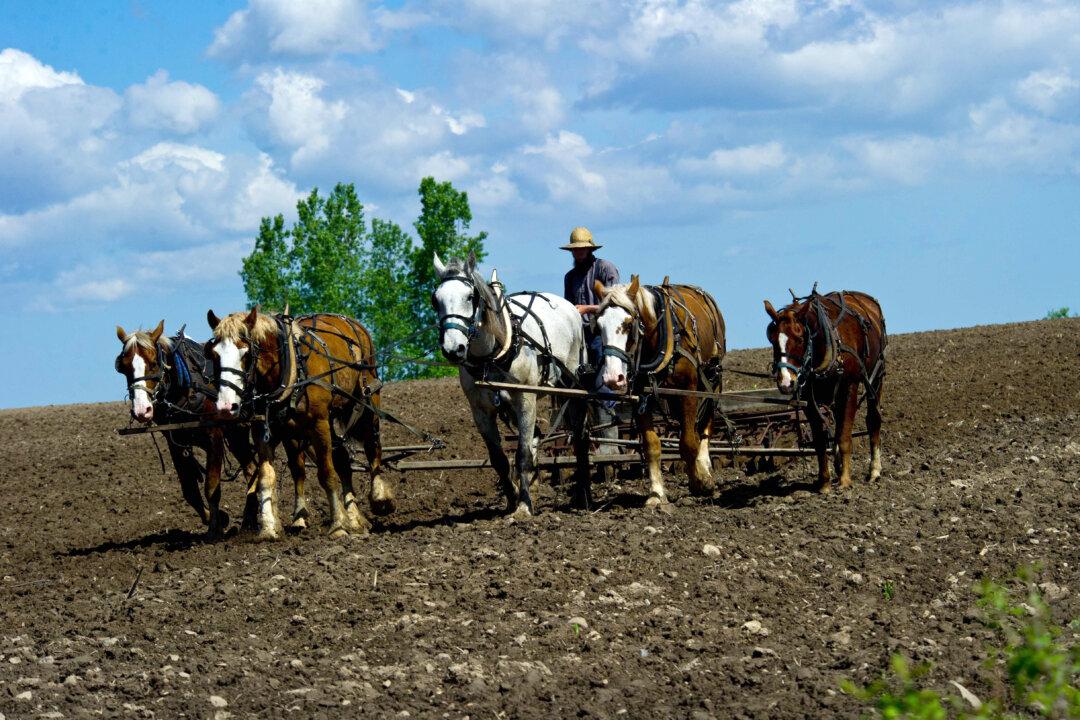
That’s how agriculture has always advanced. Farmers observe. They experiment. They borrow good ideas from neighbors. They keep what works and abandon what doesn’t. The best farmers I’ve met aren’t loyal to a label. They’re loyal to learning.
Unfortunately, our political system often rewards the opposite. Agriculture, like healthcare, energy, and many other industries, has become deeply intertwined with government and powerful financial interests. Companies that sell seed, fertilizer, chemicals, pharmaceuticals, machinery, and feed all have every right to advocate for their businesses.
But when those industries become deeply connected to the policymakers who write the rules, the conversation tends to narrow. The question stops being “What produces the healthiest soil, the healthiest people, and the most resilient farms?” and becomes “How do we protect the system we have already built?”
That partnership between government and large industry wasn’t something ordinary Americans voted for, yet it increasingly shapes the choices placed before farmers and consumers alike.
None of this means that every conventional practice is wrong or every regenerative practice is right. It means that we should be deeply suspicious whenever politics tells us we must choose between two goals that can clearly coexist.
Healthy food and profitable farms are not opposing ideas. Across this country, there are farmers proving every day that both are possible. Instead of asking which side should win, perhaps we should spend more time learning from the people who are already getting both right.
Maybe my neighbor will always think some of my ideas sound like fairy tales. That’s okay. If I’ve learned anything from farming, it’s that today’s fairy tale has a funny way of becoming tomorrow’s common practice. The greatest resource on any farm isn’t the land, the livestock, or the equipment. It’s a farmer who’s still willing to ask, “What if there’s a better way?”