I used to be the quintessential environmentalist. I drove a hybrid, carried reusable grocery bags, ordered an oat milk latte, and believed that nearly every purchase was either helping to save the planet or contributing to its destruction.
Looking back, I realize there was something underneath all of it that I didn’t recognize at the time.
Fear.
Every headline reminded me that we were running out of time. The oceans were dying. The polar bears were disappearing. Florida would soon be underwater. Humanity itself seemed to be portrayed as the disease, and every decision felt like another opportunity either to save the Earth or destroy it.
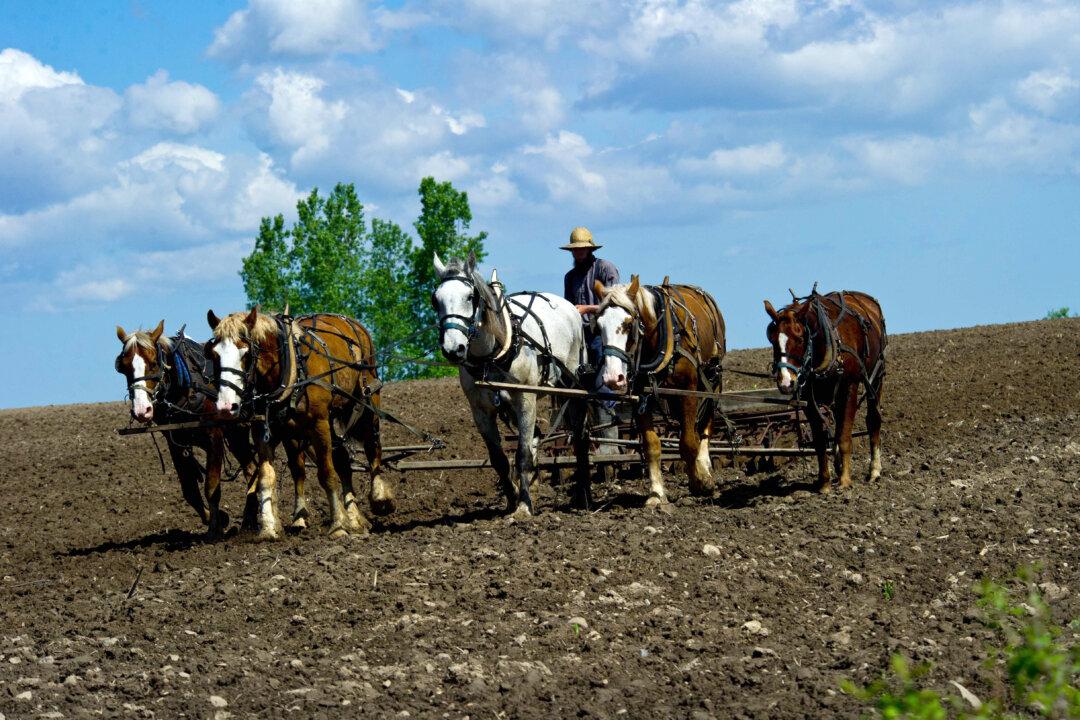
Then I became a regenerative farmer.
Regenerative agriculture didn’t just change how I farmed. It changed what I believed about human beings. I stopped seeing us as a species whose primary impact is destruction and started seeing us as a species uniquely capable of healing what we’ve damaged. Spending every day outside didn’t make me care less about creation. It made me care far more.
I no longer saw nature as something perpetually on the brink of collapse, waiting for humans to either rescue it or ruin it. Instead, I began to notice extraordinary systems that had been working long before we arrived. Water infiltrates. Carbon cycles. Forests recover. Microbes build soil. Waste becomes food for something else.
Creation already contains remarkable wisdom if we’re humble enough to observe it. Our job isn’t to replace those systems. Our job is to understand them and participate in them.
That doesn’t mean we should pollute rivers or consume without thinking. Quite the opposite. We don’t let garbage pile up in our living rooms, so why would we tolerate it piling up in our streams? I no longer care for creation because I’m afraid; I care for it because it’s the right thing to do.
People occasionally ask how I became an apologist for fossil fuels.
I didn’t.
I simply stopped believing that every complicated problem has a simple villain.
I remember walking through my avocado orchard in Fillmore, California, after another brutal season. We had endured drought that stressed and killed many of our young trees. Not long afterward, flooding swept through the region.
As farmers have throughout history, we were dealing with weather we couldn’t control. The smell of decomposing avocado leaves filled the air as they slowly returned to the soil beneath my feet. Every step released the soft rustle of leaves becoming tomorrow’s fertility. Even in loss, creation was already beginning the work of renewal.
At about that same time, social media was celebrating Los Angeles’s announcement that it was planning to phase out oil drilling. Standing there in my orchard, I couldn’t understand the celebration.
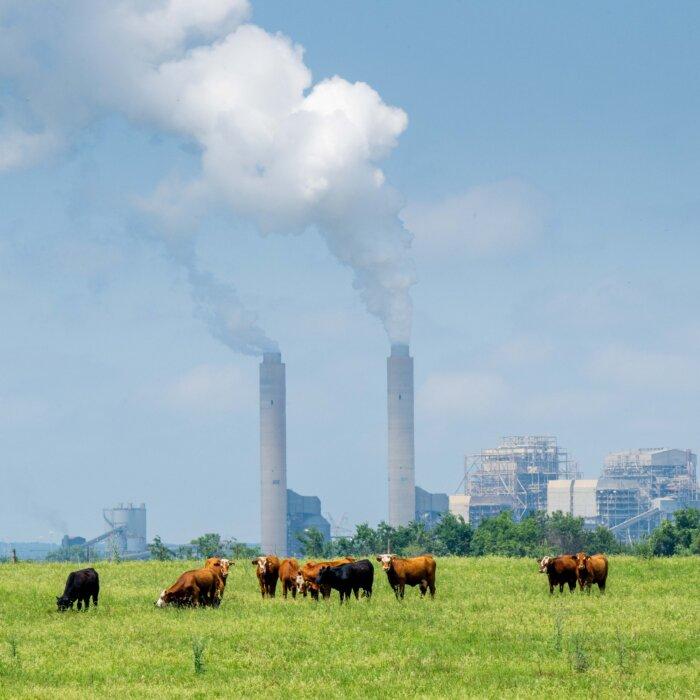
None of the people making those videos planned to stop driving. They weren’t giving up hot showers, refrigeration, laptops, air conditioning, or the thousands of products made possible by abundant energy. Demand wasn’t changing. Only the location of production was.
The drilling would simply happen somewhere else.
That didn’t strike me as environmental stewardship.
It struck me as outsourcing.
At about the same time, we were trying to survive the COVID-19 pandemic’s aftermath. My restaurants had endured nearly 2 1/2 years without indoor dining, and like so many small business owners, we were under enormous financial pressure.
That was when I was asked to appear in a commercial for a large environmental nonprofit.
The money would have made a real difference to my family.
The producers explained that I would tell the story of how drought and flooding had affected my farm. Between those clips, they planned to show footage of oil company executives alongside their salaries.
One of the young producers smiled and said, “We’re really going to hold their feet to the fire.”
I asked, “Are we going to hold our own feet to the fire?”
The room became quiet.
Were we refusing the electricity powering the cameras? Were we giving up the flights that brought everyone together? Were we rejecting the computers used to edit the commercial? Or were we creating a story in which someone else became the villain while we continued to enjoy the benefits of the very system we were condemning?
I turned down the commercial, even though we desperately needed the money.
Not because corporations shouldn’t be held accountable when they pollute. They should.
I turned it down because it wasn’t an argument at all.
Drought followed by flooding was devastating for farmers, myself included. But placing footage of damaged orchards beside the salary of an oil company executive doesn’t explain anything. It doesn’t tell us why those events happened. It doesn’t help us prepare for the next disaster. It doesn’t inspire better stewardship.
It manufactures outrage.
Manufactured outrage isn’t a solution. It’s the opposite of a solution. It teaches us to look for villains instead of wisdom. It tells us everything is our fault while simultaneously convincing us that there’s almost nothing we can do about it.
As I began questioning my own assumptions, I realized that something else had changed.
The environmental movement I joined decades ago wasn’t quite the same movement anymore.
When I was growing up in the 1980s, environmentalism was largely about pollution. It was about smog, toxic waste, litter, rivers, and the hole in the ozone layer. We were taught to reduce waste, repair things, recycle, and leave places cleaner than we found them.
Somewhere along the way, the conversation shifted. It became overwhelmingly focused on fossil fuels, melting ice, eating meat, bigger storms, and carbon emissions. Ordinary parts of being human began to feel like moral failings. Driving your child to school. Heating your home. Eating a hamburger. Flying to visit family.
Meanwhile, conversations about endocrine-disrupting chemicals, PFAS, microplastics, polluted waterways, and our disposable consumer culture seemed to grow quieter.
I haven’t stopped caring about the environment.
If anything, I care more than I ever have.
I’m simply worried about different things.
I also can’t help noticing our inconsistencies. Many people who passionately oppose domestic oil production rarely ask where the cobalt, lithium, and other critical minerals in our phones, batteries, and electric vehicles come from or under what conditions they are mined. We have become remarkably comfortable outsourcing both pollution and difficult labor as long as it happens somewhere else.
As I dug into the data myself, I realized the environmental story I’d been told wasn’t the whole story. Climate-related deaths have fallen dramatically because we’ve become better at preparing for disasters. The Earth has become greener over recent decades. Polar bear populations have recovered dramatically since international protections were introduced. Human beings are producing more food than ever before while living longer and healthier lives.
None of those discoveries made me care less about creation.
They made me question whether fear is the best foundation for stewardship.
Years ago, my nanny’s mother came to visit us from Mexico. Before she left, she thanked me for giving her daughter’s family hot water.
Hot water.
Something I had never once considered a luxury.
It reminded me how easy it is for those of us living with abundance to tell someone else they should remain without it. Reliable energy has brought clean water, refrigeration, sanitation, hospitals, transportation, and opportunities that many in the world are still hoping to enjoy.
We should absolutely continue reducing pollution and extracting resources more responsibly. But we should also recognize that abundant, affordable energy has been one of the greatest contributors to human flourishing in history.
The environmentalist I was 10 years ago didn’t disappear.
She grew up.
She still wants clean rivers, healthy forests, thriving wildlife, and cleaner air.
But today she’s more concerned about poisoned water than political slogans, more concerned about healthy soil than hashtags, more concerned about chemicals that linger for generations than symbolic victories, and more interested in participating than performing.
Most of all, she no longer believes that guilt is the path to stewardship.
Responsibility is.
None of us can heal the whole world.
But every one of us can care for the small piece we’ve been entrusted with.
That’s where real environmentalism begins.