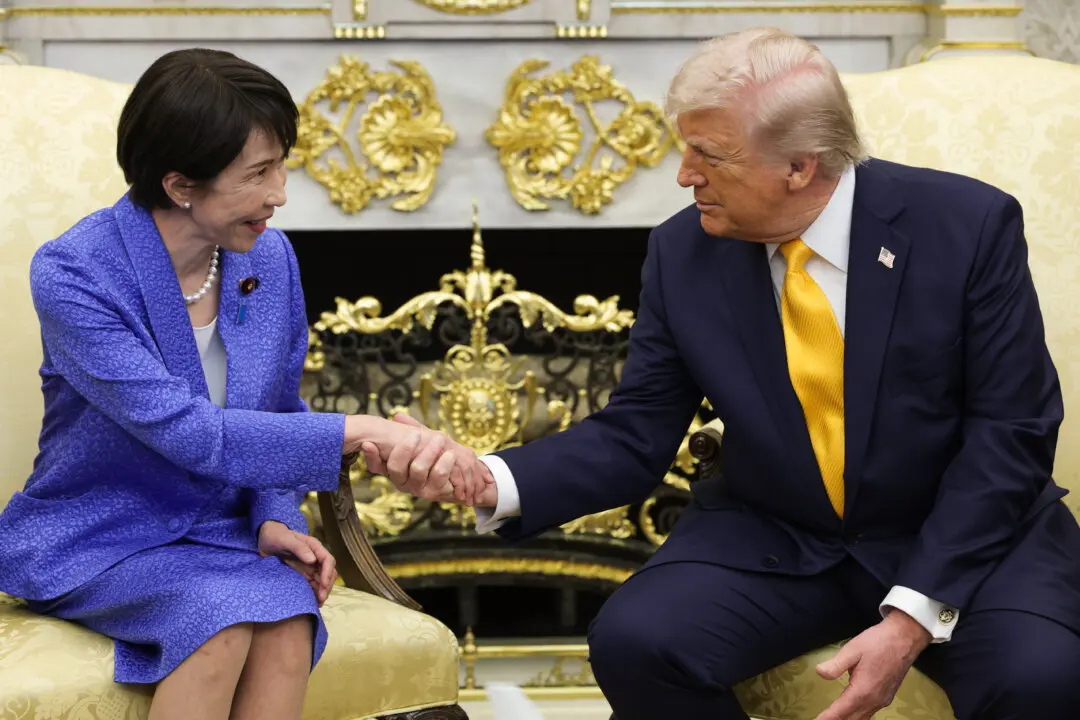
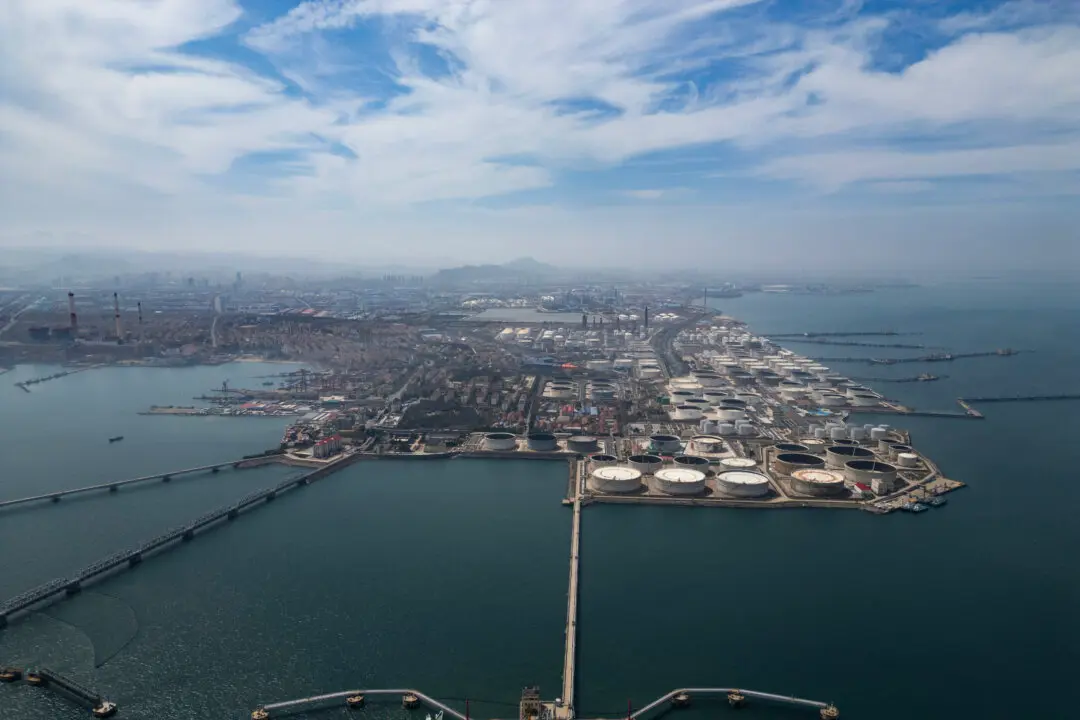
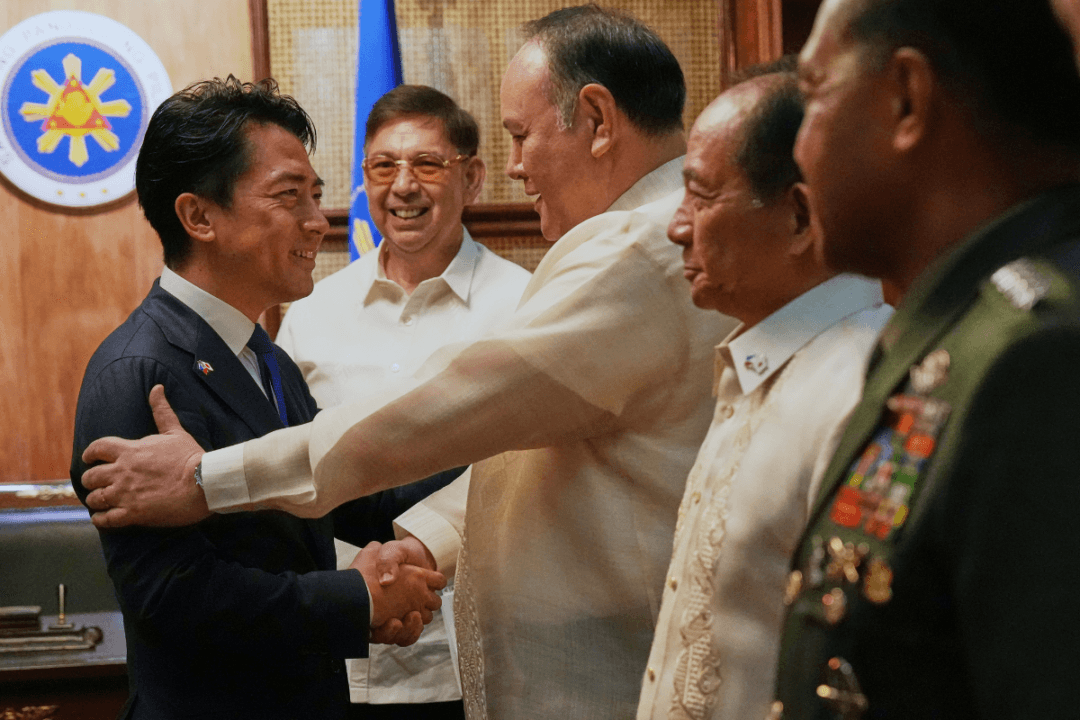
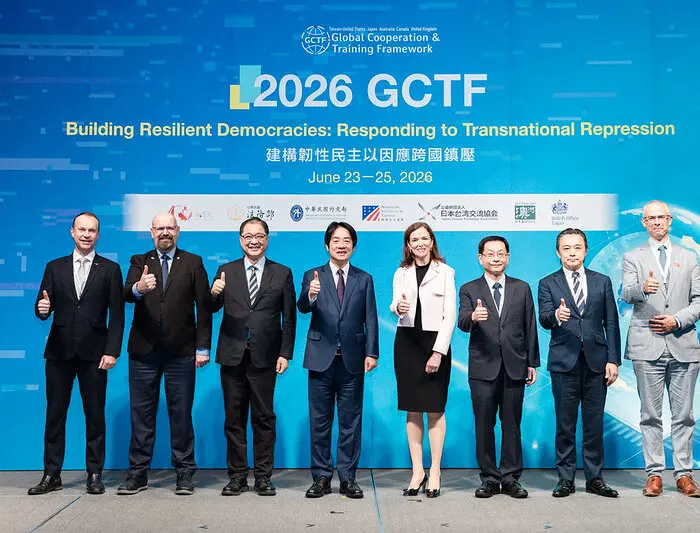
Taiwan’s president said on June 25 that the regime in China has intensified its gray-zone activities over the last several years. This includes infiltration and coercion targeting other countries in the region, including not only Taiwan, but Japan and the Philippines. All are close U.S. partners.
Lai rightly said that Beijing’s activities are an attempt to undermine the international rules-based order. This order was largely envisioned by the United States and United Kingdom in 1941, established by the United States in 1945, and led from Washington, New York City, Geneva, and Rome in that order. It has been solidly led by the democracies, with significant and unfortunate influence from Moscow and Beijing.
But China’s rapid economic growth has been used by the Chinese Communist Party (CCP) to assert even more influence on global diplomacy, including at the United Nations. A major risk is that the CCP takes leadership of the United Nations and other international organizations to promote its own hegemony. If Beijing’s extraterritorial law mandating “ethnic unity” is any indicator, such hegemony would likely be illiberal and bigoted against non-Chinese and any religious groups, to say the least.
In the case of Taiwan, China’s military is gradually increasing its presence on all sides of the democratic island. To Taiwan’s east, China’s coast guard has begun intercepting merchant ships in what is likely a test run of a creeping blockade of Taiwan’s shipping by the People’s Liberation Army (PLA). The PLA could gradually impose the blockade to decrease the risk of military pushback, or establish it in full at any time.
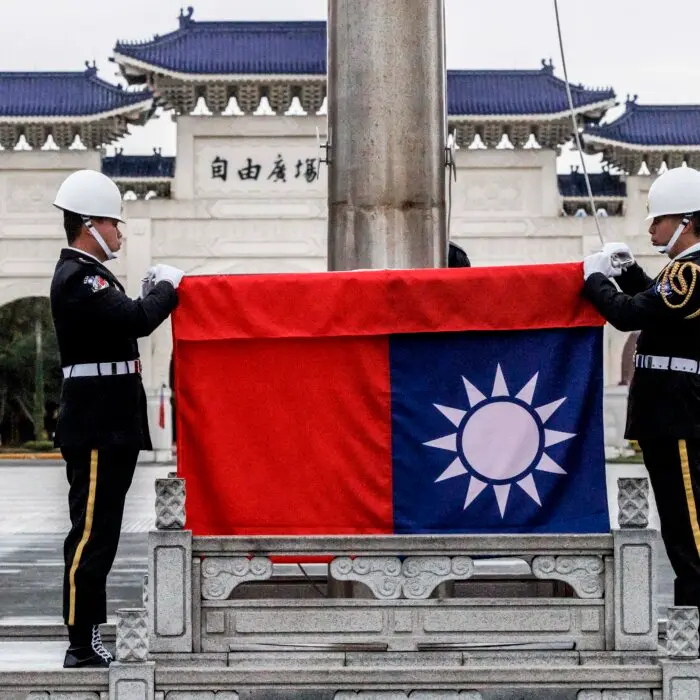
A PLA Navy (PLAN) blockade could be used to tax or toll Taiwan’s shipping, as Iran attempted in the Strait of Hormuz. The blockade could be extended to an air blockade of the commercial airlines that export Taiwan’s powerful artificial intelligence (AI)-capable semiconductors. If allowed, the PLA could completely shut down the export of Taiwan’s AI chips except to China, giving China’s AI companies an advantage over U.S. AI companies.
As political developments and Taiwan’s public opinion have trended over the years against Beijing’s preference for “reunification,” the PLA has increased its military assets near Taiwan to attempt to show the public that any hope of a military defense against the PLA is futile.
Taiwan’s navy shadows PLAN ships in its zone, but clearly does not have enough ships to counter a major PLAN assault. China’s air force and coast guard are ramping up their assets and activity around Taiwan, against which the island democracy has comparatively little effective defense.
China’s rapid militarization has included a shipbuilding push that resulted in 45 of its latest-generation destroyers. Compare this to Taiwan’s four destroyers and the U.S. Navy’s 75, for example. Those 75 are globally deployed, while the PLAN concentrates its forces near China and within a few days’ sail of Taiwan.
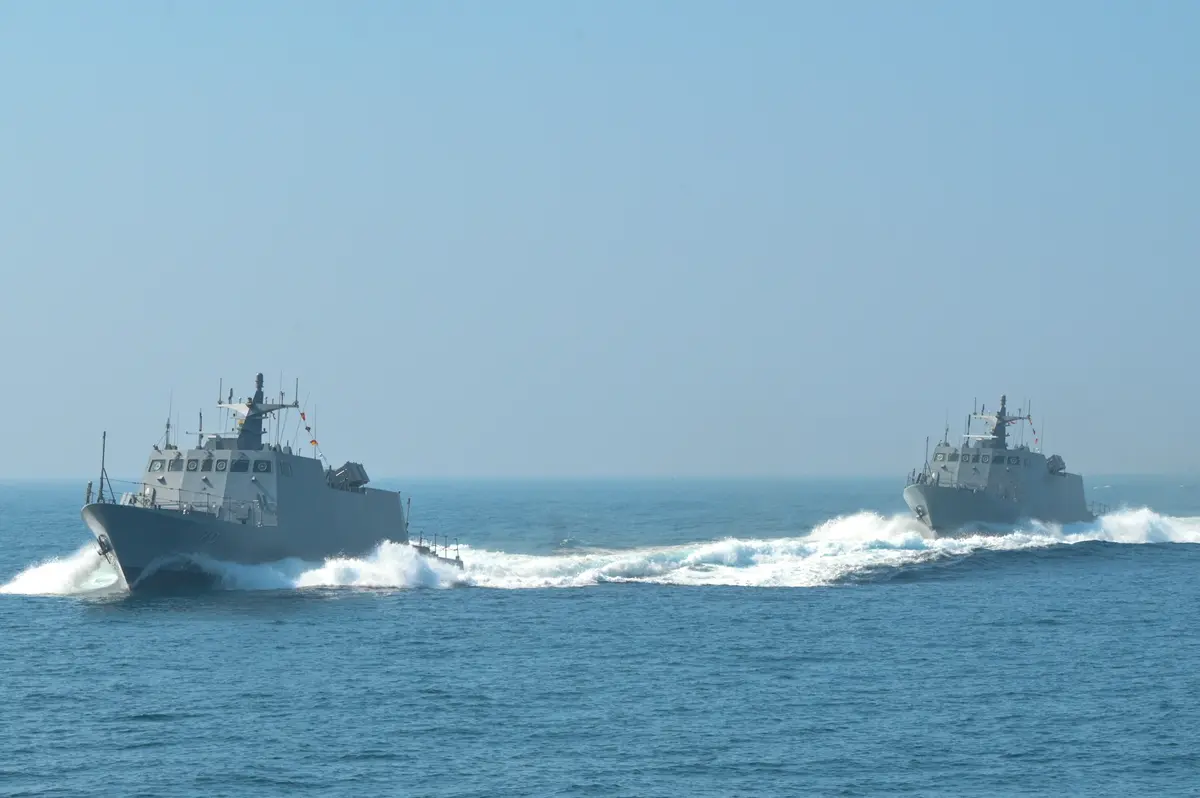
Taiwan’s deterrence relies primarily upon its “porcupine” strategy of missiles, mines, and drones, which would ideally hold back the PLA long enough for U.S. and allied military forces to intervene. Taiwan also depends on whether Beijing believes that the Taiwanese people would continue fighting after Taiwan’s conventional military is subdued.
But Taiwan’s military forces, civil defense preparations, and the certainty of friendly intervention are apparently insufficient to stop the PLA’s increasingly frequent probes that risk sparking a war.
Finally, Taiwan’s military forces could be significantly improved through international military aid, including funding to procure more and better missiles and drones. Taiwan could also be loaned an independent nuclear deterrent, for example, by allowing a Taiwanese military officer to serve as captain of a U.S. ballistic missile submarine on a rotating basis. Beijing would not know when such a submarine was under the command of a Taiwanese officer, and thus could never know whether Beijing was safe in the event of a PLA invasion.
While some of these strategies may seem outlandish on first blush, the old strategies were clearly not enough to deter Russia’s war against Ukraine, Iran’s closing of the Strait of Hormuz, and the PLA’s buildup around Taiwan. New strategic options should be developed by a working group comprising the United States, other G7 countries, and other economically and militarily powerful democracies capable of shifting Beijing’s calculus away from war and towards peace.