Of late, China has enjoyed some upbeat economic news. Several regions of the country have reported substantial declines in the inventory of unoccupied apartments, an important first step toward alleviating the effects of the property crisis that has weighed on China’s economic prospects for more than five years.
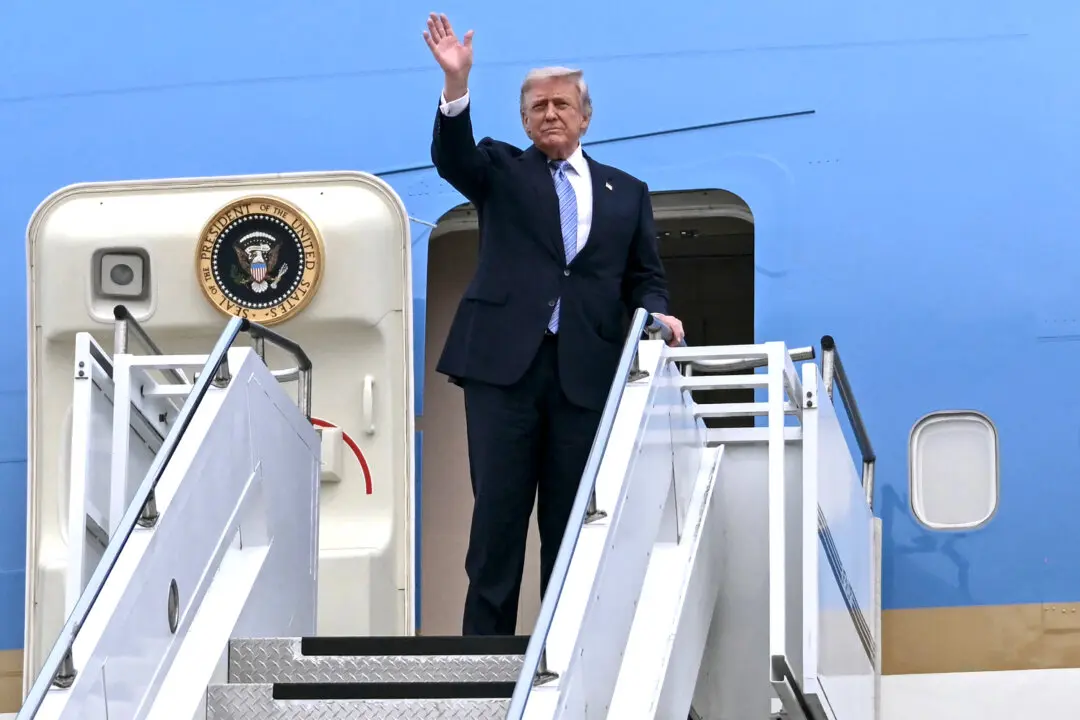
The summit between Chinese leader Xi Jinping and U.S. President Donald Trump avoided the kinds of tensions that could have raised uncertainties about economic prospects in both countries.
But not all the news has been encouraging. Among the troublesome revelations are recent reports on local and provincial finances. These reveal that the finances of these authorities are—not to put too fine a point on it—a mess.
Although it was common knowledge that local and provincial governments had fiscal problems, recently reported figures for the year’s first quarter nonetheless had the power to shock. Beijing in 2025 had already acknowledged the need to bolster local and provincial finances and did so by extending maturities and easing financing terms.
Recent reports clearly show that Beijing’s efforts were insufficient and could not overcome the damage caused by the nation’s property crisis to land sale revenues, reportedly down by some 25 percent over the year that ended with this year’s first quarter.
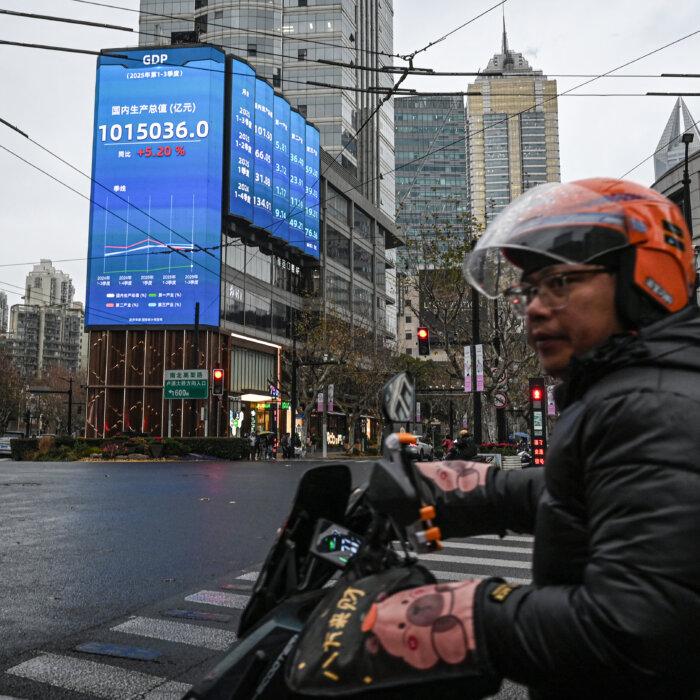
Now, not a single Chinese province can claim sufficient money flows to meet its financial and policy obligations, and more than half the country’s provinces indicate that the shortfall exceeds 50 percent of their needs. Even Shanghai, which previously had always run budget surpluses, reported that revenues there will cover only 90 percent of the city’s needs.
Desperate for revenues, several provincial governments have floated the idea of increasing levies on state-owned enterprises (SOEs). These locations include Guangdong, Jiangsu, and Hainan provinces. They may go through with their plans, although at the time of writing, nothing is definite. If these provinces try, they will face difficulties, since Beijing already increased the levy on SOE profits last year to as high as 35 percent, depending on the industry. This increase netted for Beijing—not the provinces—some 375 billion yuan ($55.4 billion) in 2025, a 78.5 percent jump over the take from SOEs in 2024.
After this, a much larger take from SOEs, this time for the provinces, is bound to have an adverse overall economic effect. After all, capital spending in China is already in decline. Making matters even less tenable, it is far from apparent that the provinces would receive enough from an additional SOE levy to meet their budgetary needs.
It would go too far to forecast a collapse on the basis of this dire financial predicament alone. Authorities in Beijing and the provinces have sufficient legal and police power to forestall such an event. Still, this information, even amid the scraps of positive news coming out of China, should remind all of the huge weight that remains on the Chinese economy and that Beijing will have to clear high metaphorical hurdles before it can recapture anything near its economy’s former growth momentum.