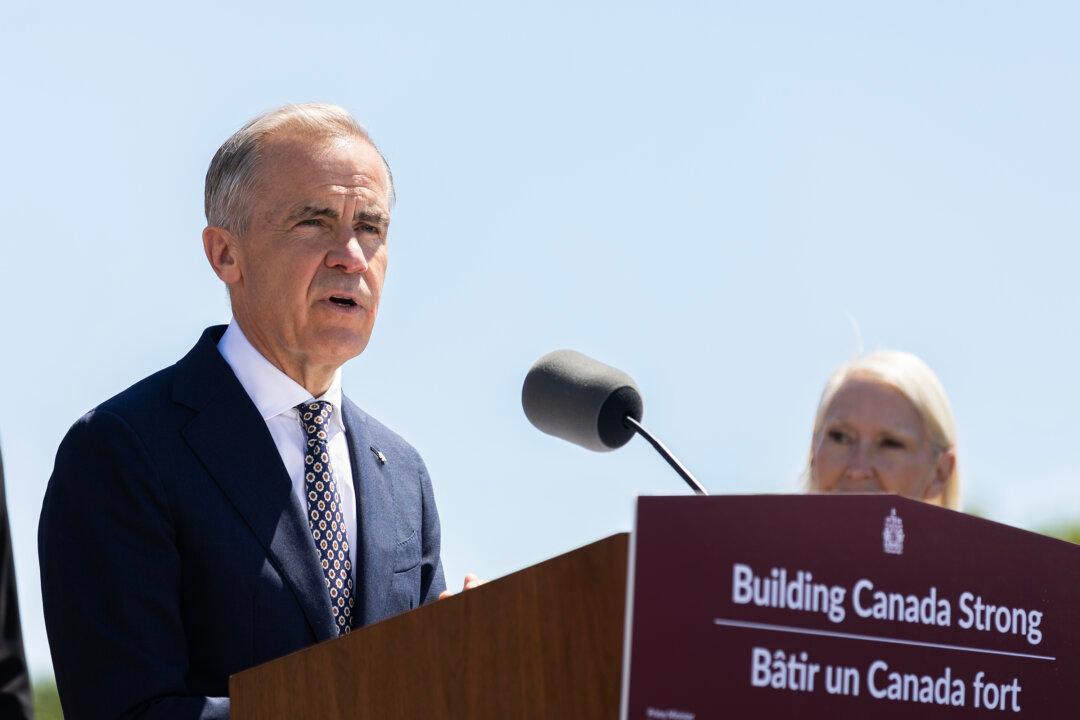
Much of whether Prime Minister Mark Carney’s plan to fast-track economic growth through his Major Projects Office will bear fruit or remain forever aspirational will depend on how he manages negotiations with indigenous groups. The tone from and resolutions released by the Assembly of First Nations (AFN) at its recent annual gathering in Ottawa don’t bode well for the federal government.
While the AFN is an indigenous advocacy group rather than a level of indigenous government, its views are often considered representative of indigenous communities across the country and are taken seriously. The AFN’s stances put the prime minister in a tough position.
Consultation with indigenous groups is required, but the definition of how much consultation is adequate is murky. Court rulings halting or delaying projects rarely say there was no consultation, but they say that the amount of consultation was inadequate. Years can be lost in court battles as advocates and lawyers debate whether enough consultation has been done. In the meantime, private proponents of projects often give up, and governments may change through elections, which could lead to support for a project being dumped.
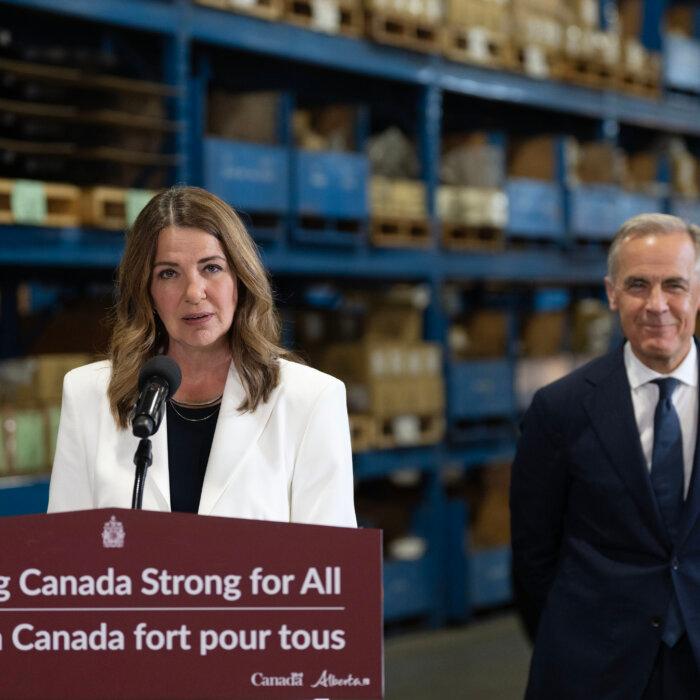
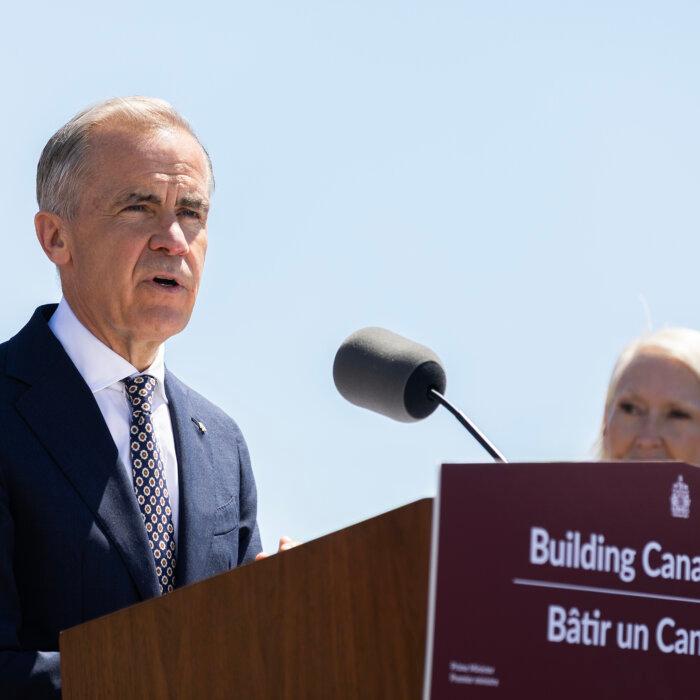
The MPO was also considered a gesture of goodwill to encourage a sense of unity in Alberta, where a referendum to consider independence is looming. It is headquartered in Calgary and is expected to assure Albertans that their frustrations over delayed or cancelled projects would be remedied. If the office fails, a sense of futility in the federation could descend upon Albertans, which could be fostered into increased support for separatism.
The prime minister is currently faced with demands from the AFN that are legislatively impossible and economically potentially crushing.
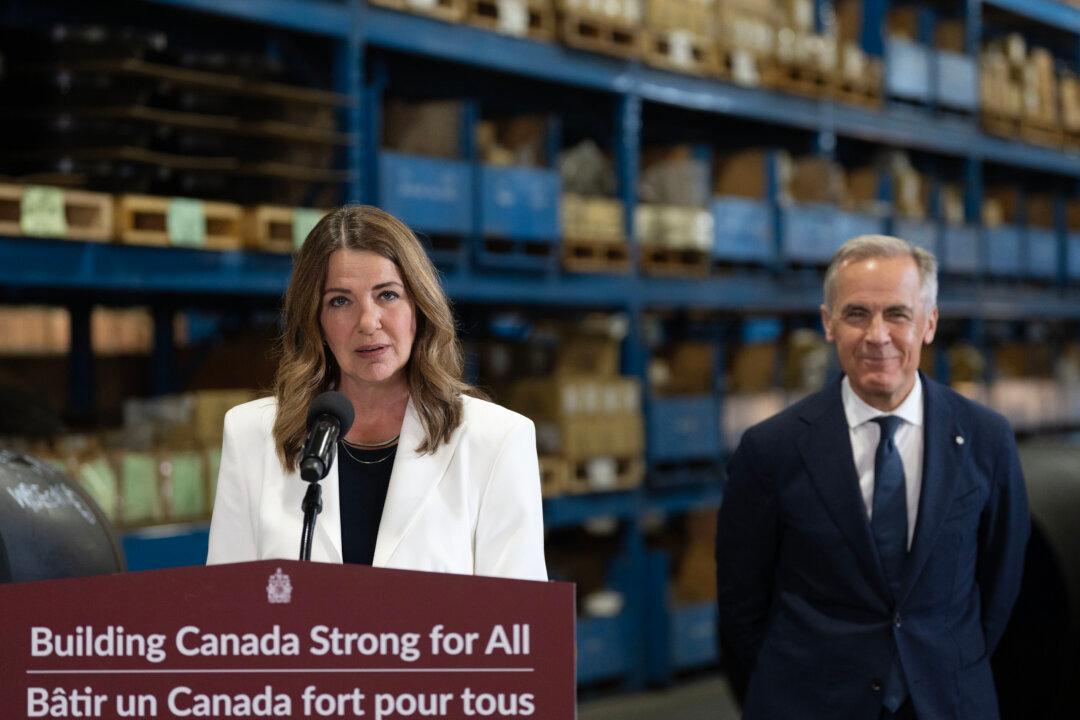
Carney attended and addressed the gathering and garnered mixed responses from delegates. He offered a First Nations seat at First Ministers’ gatherings, which was widely applauded. His promise to not move forward with projects without indigenous input was met with some skepticism. AFN Regional Chief for B.C. Terry Teegee reaffirmed his group’s full opposition to any pipeline through the province, which puts Carney on the spot. He will either have to override the opposition of B.C. indigenous groups or shut down the pipeline proposal. The chief didn’t show a willingness to pursue negotiations. The government can’t afford to sit on the fence for much longer.
Consultation and accommodation with First Nations are surely on the prime minister’s agenda. The atmosphere at the AFN conference made it clear, though, that the government is going to face some conflict no matter what it does. Carney has avoided any large disputes with indigenous groups since his term began, but his economic plans mean he will have to deal with opposition and exert federal authority soon, or they will die on the vine.