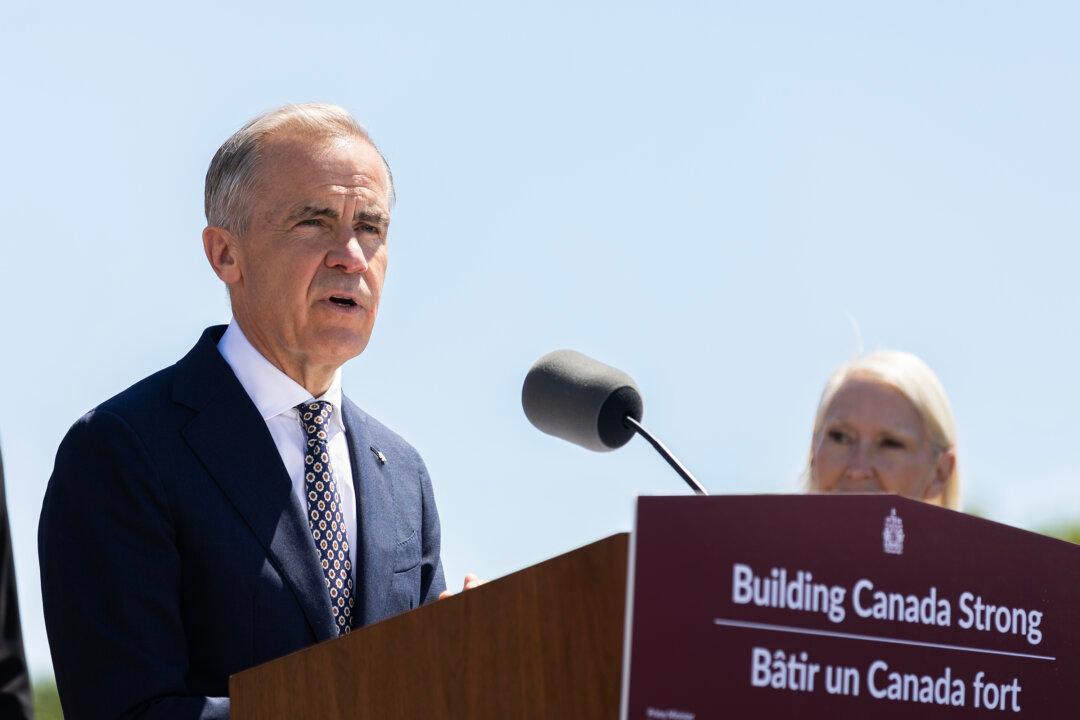
During a week of whirlwind travel and policy announcements from Prime Minister Mark Carney, his appointment of four new senators flew under the radar. Carney has chosen to shift away from the processes for Senate appointments his predecessor, Justin Trudeau, had enshrined and is returning overt partisanship to the chamber. As one of his first acts as prime minister, Trudeau removed Liberal senators from the Liberal parliamentary caucus and had the senators designated as independents. His Senate appointment advisory board was expected to disregard partisan interests from its considerations for appointments.
Canada’s Senate is an institution with strong legislative powers, but non-democratic underpinnings. Unlike the American Senate with elected members and equal representation by state, Canadian senators are directly chosen by the prime minister, and the representation slants strongly toward Eastern Canada, with 72 percent of senators being east of Manitoba. The Senate provides an important function in scrutinizing parliamentary legislation and with committee work. Due to members being appointed by the prime minister, though, the chamber has often been used as a home for patronage appointments and political brinkmanship.
The nature of Canada’s Senate means that no lasting reforms can be imposed without reforming the Constitution. The Charlottetown Accord proposed what was called a “Triple-E Senate,” which meant members would be elected and every province would have an equal number of senators. The third “e” stood for “effective,” under the presumption that elected senators would be more inspired to take their roles seriously as opposed to some appointed ones who were seen to be mailing it in. The accord failed, and while prime ministers have offered forms of Senate reform, they have been superficial and spotty.
In 1990, Brian Mulroney appointed Stan Waters to the Senate based on his being elected by Albertans in a provincial senate nomination race. It was a gesture toward Senate reform, but Waters would be the only elected senator to be appointed until Stephen Harper appointed Bert Brown to the chamber 17 years later. Harper appointed three more elected senators from Alberta during his term in office. It was a popular move with Albertans, but it never led to lasting change, as other provinces didn’t take up the practice of holding Senate elections and only Conservative prime ministers indicated a willingness to abide by the elected choices of the provinces. The appointment of senators remains at the sole discretion of the prime minister.
While Harper and Mulroney offered some degree of reform with their choice of senatorial appointments, they also participated in some partisan appointments that drew criticism. Mulroney notoriously stacked the Senate with fresh appointments to pass his GST bill, and Harper’s appointment of Conservative-friendly journalists was followed by an expense scandal that left a bad taste in the mouths of many Canadians.
In undoing the efforts of Trudeau to remove partisanship from the Senate, Mark Carney may be frustrating citizens who wanted to see reforms in the upper house, but it’s ironically a move toward transparency. He isn’t pretending that his choices for senator are based on personal skills or regional needs. Some may claim Carney’s appointment of Conservative MP Richard Martel to the Senate was an act of non-partisanship, but political watchers understand it was a strategic move designed to reduce the size of the Conservative caucus in the House of Commons. In placing Liberal strategist Tom Pitfield in the Senate, the prime minister is returning to the practice of using the chamber as a place to return political favours.
In openly using the Senate as a political tool for partisan interests, the prime minister is helping expose the non-democratic flaws inherent in the system, even if that wasn’t his intent. In making changes to the process of appointing senators, Mulroney, Harper, and Trudeau made it appear that the Senate could be reformed without constitutional changes. In undoing those changes, Carney is proving that the power still all resides within the Office of the Prime Minister.
Canada’s Senate is in dire need of reforms, but those will only come through constitutional changes. While Mark Carney’s disregard for efforts to reduce partisanship may be frustrating to some, in a way, he is being refreshing in his honesty about it.
The Senate isn’t a check on the prime minister’s authority so much as an extension of it. If Canadians want to change the Senate, they must be prepared to open the Constitution.