Alberta is going through a very politically sensitive period. The independence referendum to be held on Oct. 19 is not binding, but it could lead to the province progressing toward an official, Clarity Act-compliant referendum on secession.
While Ford didn’t name the provinces, in listing oil and potash he makes it clear he is speaking of Alberta and Saskatchewan. He implied the Western provinces weren’t carrying their weight in the federation and, to use an analogy of wanting to see shared pain, he sounded almost spiteful. His comments infuriated many Albertans, particularly coming from the premier of a province that’s a net recipient of equalization.
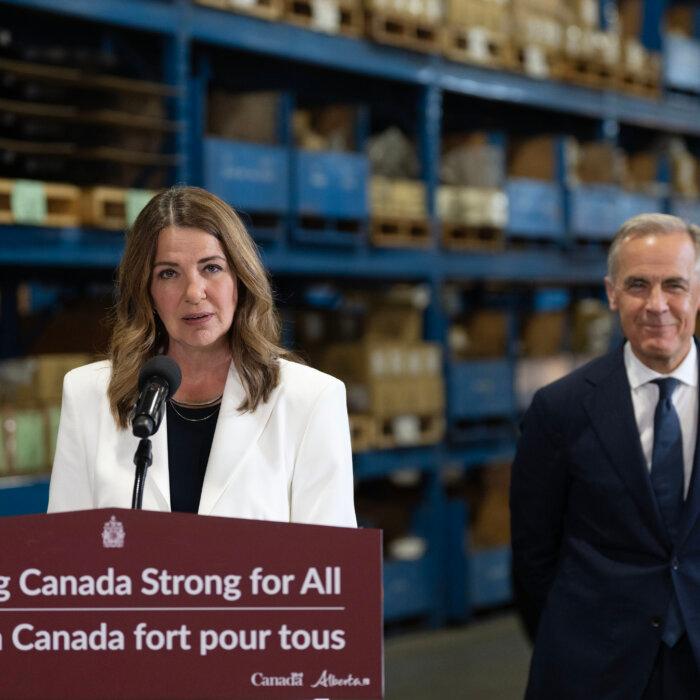
Premiers Scott Moe and Danielle Smith were quick to respond to Ford’s statements, with Smith tersely stating, “That’s not going to happen.”
“Energy and potash are the only specific examples he cites. So, his response to US tariffs killing Canadian jobs is to kill western [Canadian] jobs? The cost of the retaliatory trade war he demands would be born by western Canadian industries and workers. No sir.”
Politicians from outside of Alberta must take care even when they think they may be aiding the cause of unity. What looks like constructive advice from Toronto, Ottawa, or Victoria can sound, on the ground in Calgary or Red Deer, like unsolicited moralizing from people who do not live with the consequences of federal climate policy or equalization formulas. Well-meaning statements that dismiss Alberta’s frustrations as exaggerated or temporary only deepen the sense that the rest of the country is not listening.
The outside concern over Alberta’s place in the federation is surely heartfelt and genuine. Albertans see this as a domestic issue to be addressed by its own citizens, however. Quebecers weren’t receptive to hearing the thoughts from people in other provinces while they considered independence in the 1995 referendum, and had Western premiers been insulting or chimed in on how they felt Quebecers should vote, the outcome of the referendum could have been different.
Premiers can and must speak on national issues. They also must tread carefully when it comes to speaking about the unity question in Alberta. The responsible course is restraint and respect. They should recognize that the people best positioned to decide Alberta’s future are Albertans themselves. Intervention from outside only strengthens the argument that the current federation does not treat the province as a full partner.
Over the coming months, Canada’s premiers would do well to speak less, listen more, and resist the temptation to turn Alberta’s internal conversation into a national spectacle leading to an outcome which could be the beginning of the end of the federation.