The exact amount of this debt and the deals it represents cannot be verified due to China’s opaque lending practices and the provisional quality of many of these deals. However, the quantity of apparent investment is large enough to be of concern because it serves as an indicator of the increasing centrality of the Chinese Communist Party (CCP) in the world’s key resources, economic chokepoints, and through its economic influence.
The focus of Belt and Road investments in 2025 was on creating energy alternatives for countries like Iran and Venezuela, which are vulnerable to U.S. interdictions. This includes major new Chinese investments in oil, gas, and coal (in that order).
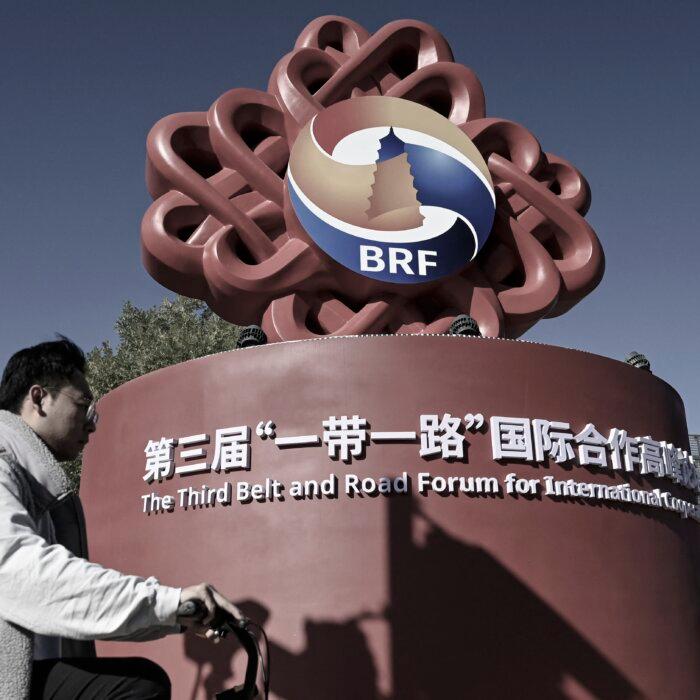
The Belt and Road’s investment in the exploitation of hydrocarbons increased from $3 billion in 2024 to $51 billion in 2025. In the non-energy sectors, the biggest recipients of BRI investment were in metals, mining, real estate, and technology. Metals and mining investment reached almost $33 billion, including copper used for artificial intelligence (AI) data centers. The BRI’s biggest megaprojects in 2025 were a gas development in Congo and a petrochemical plant in Indonesia.
The Belt and Road is a signature project of CCP leader Xi Jinping. It has made China the world’s largest international creditor, which carries risks for China. The United States and its allies could eventually promote international debt forgiveness of Chinese-held debt to deter a Taiwan invasion, for example. Major CCP projects in places like Indonesia, Nigeria, and Congo could be nationalized to pay for harms suffered by Indonesians and Congolese during the COVID-19 pandemic.
The amounts at risk are significant. A single BRI investment in a Nigerian gas industrial park will cost almost $25 billion. When the project started in 2018, armed groups emerged around the project, and Saudi financiers withdrew due to the risks from terrorism and criminality. Large projects such as this are also subject to the risk of extortion by local gangs. During wars, countries can default on debt held by aggressor countries and nationalize their overseas investments.
The United States could convince capital markets that a selective default against Chinese-held debt is aimed at the authoritarianism of Beijing, or in compensation for its many damages imposed on the United States. In that case, a default specified against China only could have little impact on U.S. interest rates. The default could pay back the United States for trillions of dollars in damages.
In addition to the pandemic, the harms sustained by the American people include expenses since 1949 associated with the defense of democracies in Asia, the fentanyl crisis, and intellectual property theft. Gaining compensation for these harms ought to be a central goal of U.S. foreign policy and could, for example, result in substantial dividend checks paid to U.S. citizens. A $20 trillion payout by the CCP, for example, could result in more than $50,000 in benefits per U.S. citizen.
Large U.S. corporations that stand to benefit from trade with China would be against demanding compensation from Beijing, as it would likely end their lucrative trade relationship with the country. These corporations have immense influence over both political parties in Washington, D.C. This is likely why politicians of both parties have not tried harder to obtain compensation for the trillions of dollars of damages inflicted by the CCP on the American people.
That leaves Beijing to use its economic influence to create more problems for the United States, including the promotion of an alternative world order with the CCP at its center. This would replace the global order built by the United States after World War II, with Washington, D.C. and New York at its center.
The CCP has multiple routes it could take to control international governance, including the complete takeover of these institutions or the creation of new institutions in Beijing and Shanghai, for example, to take their place. China’s trillions in international trade and investment could pave the way for CCP hegemony globally, or it could be captured to pay back citizens around the world who suffered harm due to the CCP’s negligence, and worse.
The United States and our allies could today take tougher action against the CCP to save America and democracy, but it would take an act of particular foresight and political will.