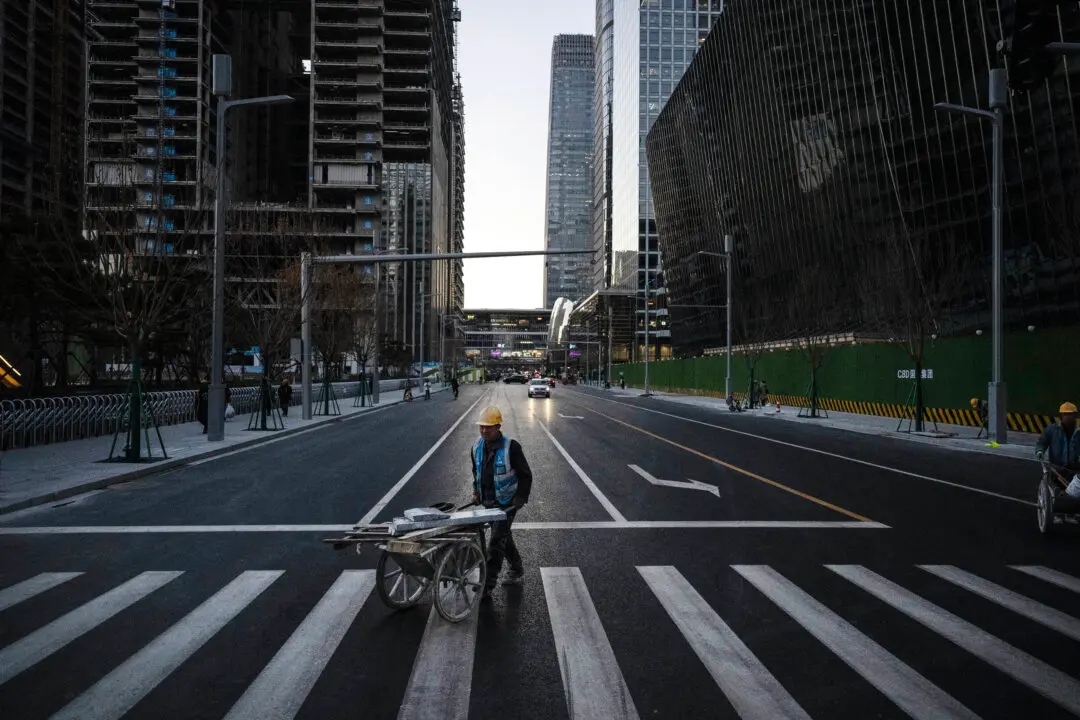
Although Chinese producers in 2025 were able to substitute markets in Europe and elsewhere for their tariff-burdened losses in the United States, people in the new markets are now beginning to push back against the flood of Chinese goods and influence.
This growing hostility to China trade will take time to develop, but by 2027, it could spell trouble for Chinese exports. Given the substance of Beijing’s recent five-year plan, China will have difficulty coping with this changing environment.
The background of China’s problems lies fundamentally with the Chinese Communist Party and its obsession with production over consumption. Because these policies have long created a production surplus beyond what its domestic markets can absorb, China has long depended on exports for growth and accordingly is vulnerable to policies made abroad.
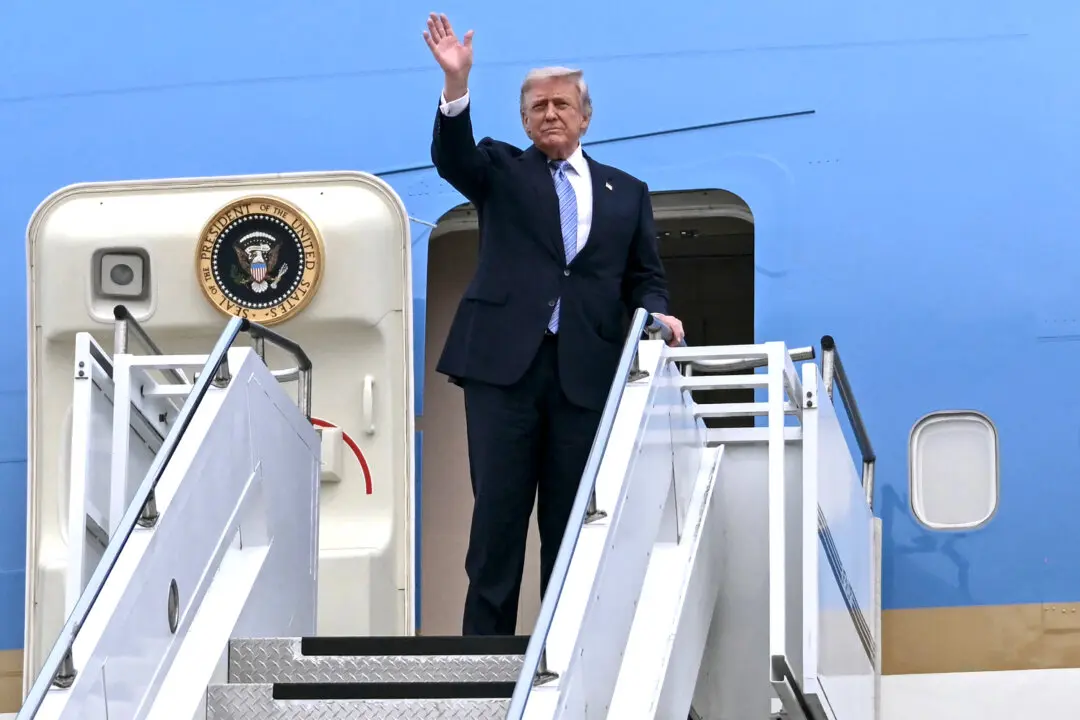
The more immediate cause of China’s problem is that U.S. President Donald Trump decided on policies contrary to China trade, specifically, although not exclusively, high tariffs on Chinese goods sold in the United States. These tariffs erased China’s competitive edge—low costs and prices—and over the course of 2025, according to the U.S. Department of Commerce, Chinese goods exports to the United States fell by some 44 percent.

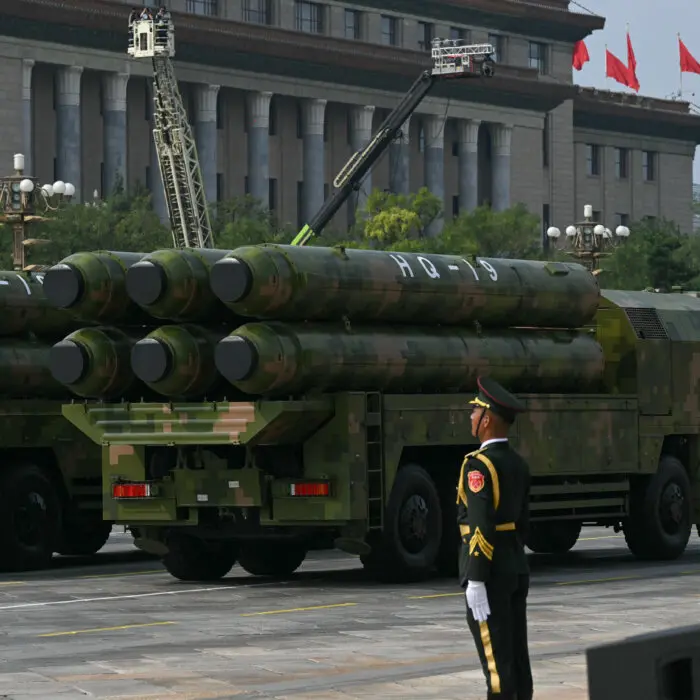
Sales to the global south, including nations involved in Beijing’s Belt and Road Initiative, increased so smartly that the region now takes 50 percent more of China’s products than the United States and the European Union (EU) combined. The substitution was so complete that China ended the year with a record trade surplus, the equivalent of $1.2 trillion. Although this substitution gave Beijing bragging rights, it left a lot of dissatisfaction in Europe and the rest of the world.
In the global south, the resistance has two components. One is protection for its fledgling industries that have a hard time competing against the flood of inexpensive Chinese imports. Indonesia, for instance, has looked to restrictions on this basis, as have Mexico, Thailand, Malaysia, India, and others. Some have already put tariffs and other trade restrictions in place. Others have not yet gone that far, but all are advocating a need to curtail China trade.
For the global south, matters have a second component that goes beyond a surge in imports. A big part of their problem is Chinese investment, sometimes in search of cheaper labor but also in an effort to evade U.S. tariffs on China-made products. These transplanted Chinese operations not only import a great many inputs from China rather than from local producers, but also block growth opportunities for local producers. What is more, they can thwart local government policies on pollution and green matters.
Steel production offers one example that illustrates the broader nature of the concerns and resistance to Chinese influence. In Southeast Asia, local steel producers have long preferred electric arc technology, but Chinese transplants prefer the more polluting, high-carbon blast furnace technology. This is just one industry, but the pattern persists across a number of examples and is impelling these nations to adopt industrial policies that will tend to redouble the global south’s resistance to Chinese connections.
A well-regarded think tank, the Center for European Reform, has led in this reconsideration of Europe’s trade policies. It has made clear the dangers to Germany and Europe of Chinese competition. Reminding the authorities that what is called “China Shock 1.0” brought the loss of 2.5 million manufacturing jobs in the United States and hollowed out towns across what had been the industrial Midwest, it points to how Beijing’s new five-year plan will put “industry and jobs at risk across the world” and will impose a “China Shock 2.0” on Germany in particular.
It notes pointedly that a part of Beijing’s plan, titled “10,000 little giants,” clearly targets Germany’s famous “Mittelstand,” its critical array of middle-sized industrial suppliers. Aside from the restraints recently put in place, it recommends that Berlin support France in its push at the International Monetary Fund and the G7 group of the world’s most advanced economies to pressure China to curtail its export drive, adjust the yuan’s undervalued exchange rate, and abandon its “one-sided trade model.”
Doubtless, it will take time for Europe and the global south to fully respond to their respective concerns. Chinese dominance in 2026 may look much like it did in 2025. But by late this year and certainly by 2027, these responses will begin to bite into Chinese export growth and, because of the export-oriented nature of the Chinese economy, into China’s overall growth rate.
What is noteworthy in this picture is that Beijing seems unconcerned, or perhaps the world is unaware of the implications. Its five-year plan continues to press productive capacities far in excess of domestic Chinese needs, making the economy more export dependent and so even more dependent on policies set elsewhere in Washington, in Brussels, and in the nations of the global south.