A text thread I’m in called “Guns, God, and Beef” lit up this week over a story about a transgender woman who was praised online for continuing to work through the 37th week of a simulated pregnancy.
As expected, the internet split into two camps. One side celebrated the commitment and bravery. The other asked, “What universe are we living in?”
I’ll admit I landed closer to the second camp.
Curious whether I was missing something, I opened ChatGPT and asked a serious question: Where else in society are adults expected to engage in a simulation and have everyone else publicly affirm it?
Even the artificial intelligence challenged the wording of my question. It suggested that perhaps it depended on what I meant and offered examples such as changing your name after marriage, becoming a citizen of another country, practicing a religion, or receiving an honorary doctorate.

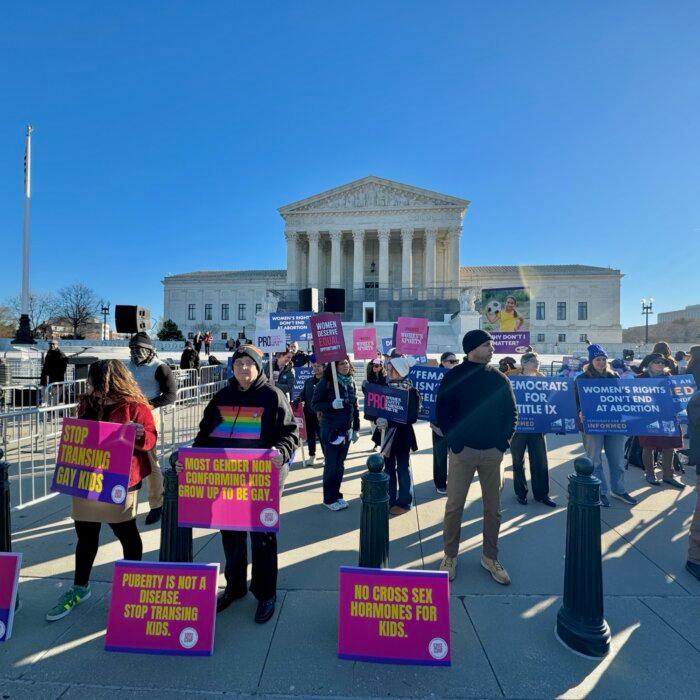
Only the honorary doctorate struck me as even remotely comparable. I’ve never objected to universities recognizing someone’s accomplishments, but I have always found it a little odd that we’re expected to call someone “doctor” when they didn’t earn the degree in the traditional sense.
The other examples aren’t the same.
Changing your last name doesn’t require anyone to believe you were born with it. Becoming an American citizen doesn’t require anyone to believe you were born here. Religion is a matter of faith, not a claim about biology.
Pregnancy is different.
Adults should be free to dress how they choose, take hormones if they choose, or undergo surgery if they choose. In a free country, consenting adults should be free to make deeply personal decisions about their own lives. They should also be treated with dignity and kindness.
But I don’t believe kindness requires us to erase the distinction between a simulated experience and a biological one.
Maybe I’m taking this story personally.
After all, I know what pregnancy feels like.
Hours before my daughter Luna was born, I was still working a large catering event. Between contractions, I would lean over a stainless steel prep table, breathe through another wave, then stand back up and run food to waiting customers.
When the event was finally over, my husband and I went home. We heated up bowls of ramen and sat together at our kitchen table, eating soup between contractions. A few hours later, sometime after 3 a.m., Luna was born.
That wasn’t unique to one pregnancy.
Through all four of my pregnancies, I managed restaurants the only way I knew how: by working alongside my staff. You wouldn’t have found me sitting behind a computer. You would have found me on the expo line calling tickets, plating food, running meals to tables, and carrying five or six dinner plates at a time with a giant belly and swollen feet.
I remember the early months when morning sickness wasn’t confined to the morning. I’d duck into the dish pit, throw up in a trash can, rinse my mouth, wash my face, and head right back onto the line because customers were waiting and my team needed me.
After my third child was born in late November, just hours after delivery, three employees walked into our bedroom to tell us there was a major crisis with our Thanksgiving catering. Hundreds of holiday orders depended on us.
My husband climbed out of the family bed and went to work.
A few days later, I was beside him packaging Thanksgiving orders with my newborn strapped to my chest.
Was that ideal?
Not even close.
If I could rewrite those weeks, I would have stayed home. I would have rested longer. I would have done nothing but hold my baby.
But we owned a small business. We had employees depending on us to make payroll. We had customers depending on us for their Thanksgiving meals. We did what we believed we had to do.
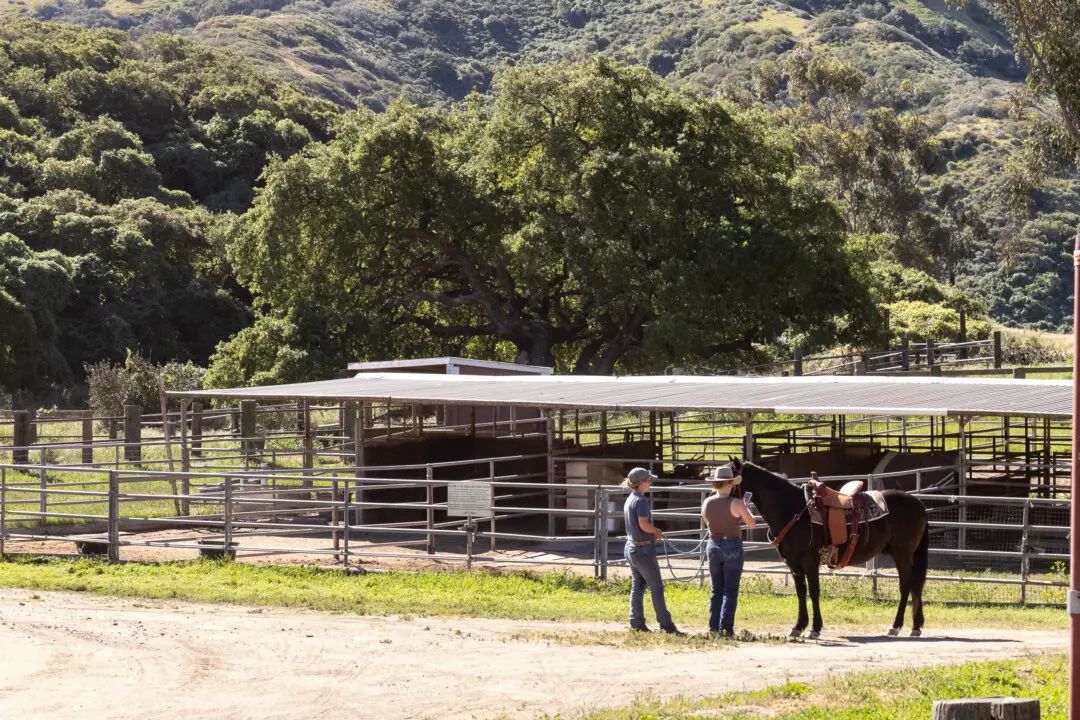
The ranch didn’t stop because I gave birth. The restaurant didn’t stop because I gave birth. Life didn’t stop because I gave birth.
Like millions of women, I breastfed wherever life required: in restaurant booths, empty corners, back hallways, and wherever I could find a few quiet minutes before another problem needed solving.
None of this makes me special.
It makes me a mother.
Women quietly work through morning sickness, swollen feet, aching backs, sleepless nights, miscarriages, postpartum recovery, menstruation, hormonal shifts, menopause, and countless other realities that come with living in a female body.
None of that takes anything away from what men endure. Men carry burdens women never will. We simply carry different ones.
But pregnancy is one of the burdens and one of the miracles that belong uniquely to women.
So when I see someone celebrated for reaching the 37th week of a simulated pregnancy, I can’t help but wonder whether we’ve begun confusing empathy with equivalence.
Maybe, after four pregnancies, two miscarriages, years of balancing babies with restaurants, and now a ranch, it does sting a little—not because I begrudge anyone kindness.
It stings because I wonder whether we’re unintentionally diminishing something millions of women quietly endure without applause. I don’t remember the internet celebrating women who showed up to work while pregnant or those who returned before they felt ready because their families depended on them.
I remember people telling me to slow down, to rest, and to be careful with the baby. Looking back, they were probably right.
This isn’t about denying anyone respect.
It’s about asking whether respect requires equivalence.
Can we treat every person with dignity while also acknowledging that pregnancy, childbirth, and motherhood are uniquely female biological experiences?
I think we can.
In fact, I think we must.
My question isn’t whether transgender people deserve respect. They do. Every human being deserves dignity.
My question is whether we still believe there is such a thing as objective reality.
Can we be compassionate without asking society to affirm experiences as equivalent when they are fundamentally different?
I believe we can.
And I believe that’s a conversation worth having.