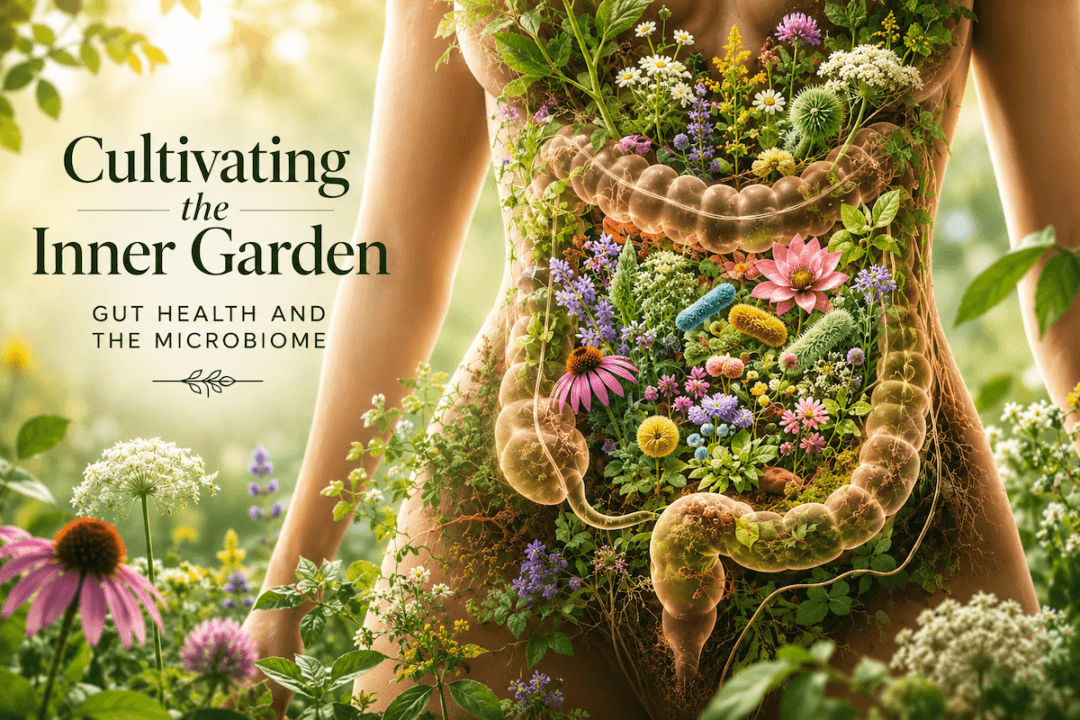



Herbalism is an ancient tradition centered around harvesting, preparing, and using plants for health, vitality, and nourishment. Long before modern medicine, humans relied on nature’s pharmacy for healing and sustenance.
From Wildcrafting to Wisdom
Early humans practiced wildcrafting—gathering herbs from nature and experimenting by taste and sensation. They observed how plants affected their bodies and even took cues from animal behavior. Over time, they learned to cook herbs in soups and teas, unlocking more potent effects and better digestion. These practices laid the groundwork for today’s more refined extraction methods.The Rise of Supplements
About 50 years ago, science attempted to replace food with synthetic supplements. Eventually, it became clear that synthetic vitamins lacked vital co-factors found in real food, making them far less effective.Understanding Extract Ratios
Extract labels often show ratios like 1:1, 5:1, or 10:1. This denotes how much raw herb is used per unit of final extract. A 1:1 liquid extract means 1 gram of herb per 1 ml of liquid. A 1:4 means only 250 mg per ml—much weaker.Common Extraction Methods
Infusions and decoctions are the most basic forms. An infusion is like making tea, while a decoction involves simmering herbs to extract deeper compounds—common in traditional soups and tonics.Spray-dried powders are popular, especially for adaptogens. These are typically water extracts that are boiled, concentrated, then spray-dried with additives like maltodextrin or magnesium stearate. While convenient, they degrade quickly and are often less effective, with added excipients that can interfere with nutrient uptake and tax the liver.
Tinctures are another common form, made by soaking herbs in alcohol. While tinctures have good shelf stability, many are made using harsh alcohols that can damage plant chemistry. For example, ginseng exposed to high-proof alcohol can convert beneficial compounds into less desirable ones.
Essential Oils and CO₂ Extracts
Essential oils gained popularity in the 1990s and are made by distilling volatile oil components. While therapeutic, they capture only a fraction of the plant’s potential. Supercritical CO₂ extraction is a more recent method, offering a broader spectrum, but this still doesn’t compare to a fully integrated extraction process.Full-Spectrum Extracts
Full-spectrum extracts are crafted using proprietary techniques to capture all water, alcohol, and oil-soluble nutrients in their natural ratios—along with the energetic signature of the plant.Shen Blossom’s full-spectrum sake extracts are unique in the market, preserving not just nutrients but the plant’s energetic essence. Meticulous attention to plant sourcing, timing of harvest, and individualized processing ensures that each herb is used at its peak potency. No two herbs—or seasons—are the same, and methods are adapted to bring out the best in each one.
Unlike commercial producers that treat all herbs the same, tailored methods are applied—fermentation, maceration, or multi-stage processing—depending on the herb’s chemistry and role in the formula. The origin of every herb is known, how it’s harvested, and how to preserve its vitality—our commitment is always to provide potent, effective extracts that nourish the mind, body, and spirit.