

This article includes affiliate links, which may earn us a commission, to support truthful and independent journalism (at no extra cost to you).
What causes skin aging, what speeds it up, and what may help slow it down.
One day, you look in the mirror and notice something has changed. Your skin may seem a little duller, less firm, or not quite as fresh as it once did. Fine lines are starting to show, or perhaps you think you look more tired overall, even when you feel well-rested. And sometimes, it can seem as though aging has caught up with you all at once.Understanding Skin Aging
Skin aging is multifactorial. It rarely comes down to just one cause. It happens gradually through a combination of biological aging, environmental exposure, and lifestyle factors, all of which influence how the skin ages.What might look like only surface changes are often the result of processes occurring within both the upper layers and the deeper structural foundation of the skin, including the gradual weakening of the skin’s own structural support.
As we age, collagen and elastin begin to decline, cell turnover slows, oxidative damage accumulates, hormonal changes occur, and the skin’s natural repair process slowly winds down. The decline of collagen actually begins much earlier than most people realize—already in the mid-20s, at roughly 1 to 1.5 percent per year, long before any visible signs appear. In other words, what shows up in our 30s and 40s is the result of internal biological changes and external influences that have been building for a long time.
What Causes It
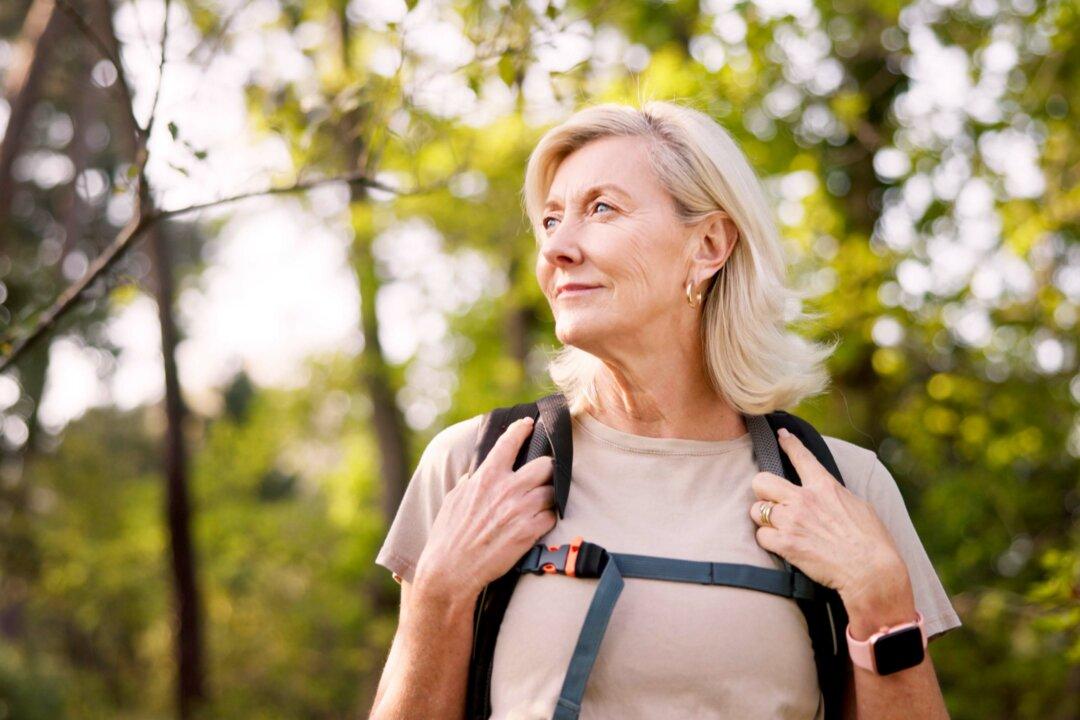
Skin aging involves both intrinsic factors, meaning the internal biological progression of aging, and extrinsic factors, or external influences, like the environment and lifestyle habits. In practice, these two layers are constantly interacting, with both contributing to the aging process.
Internal factors include natural chronological aging, hormonal changes, and the gradual slowing of cellular repair processes. Sleep quality and circadian rhythm, stress and cortisol, systemic inflammation, gut health, and nutritional status all influence how skin renews itself. Genetics also influence how an individual’s skin ages. Less talked about but well-documented contributors include glycation, where excess sugar damages collagen and elastin, and oxidative stress, which accelerates cellular aging from the inside out.
External factors are equally important, and in some cases dominant. UV exposure is widely considered the single largest driver of premature visible aging, with photoaging often cited in dermatology research as the leading cause of wrinkles, pigmentation, and loss of elasticity in sun-exposed skin. Pollution and smoking further increase oxidative stress in the skin, accelerating breakdown of structural proteins. Environmental stressors, including climate and air quality, also contribute to cumulative damage over time.
Lifestyle factors also play an important role. Diet, sleep patterns, alcohol consumption, and smoking habits can all influence inflammatory pathways and the skin’s regenerative capacity. Even repetitive facial expressions and long-term muscular tension patterns contribute to the gradual formation of lines and folds.
How It Affects the Skin
When skin ages, it affects two main layers of the skin: the epidermis and the dermis.At the epidermal, or surface, level, cellular turnover slows, dryness and dehydration increase, and the barrier function gradually weakens. The texture becomes rougher, the skin tone becomes more uneven, age spots start to appear, and overall the skin looks duller. These are often some of the first changes people notice, as they directly affect how the skin looks and feels day to day.
How to Slow It Down

With a better understanding of how skin aging happens, the next question naturally becomes: how do you actually slow it down day-to-day?
True skin health begins from within. Internal support starts with everyday habits that affect systemic health, including getting regular, sufficient sleep that aligns with the body’s natural circadian rhythms, balanced nutrition that supports gut and metabolic health, staying well hydrated, and managing stress through practices like yoga or meditation. None of these are dramatic interventions, but they are some of the daily habits that support the physiological processes that help preserve your skin’s integrity and influence how you age.
External support, on the other hand, is what most people associate with anti-aging, and it remains essential—for good reason. Daily sun protection, for example, is one of the most evidence-based ways to help prevent premature skin aging. Beyond sunscreen, supporting the skin barrier, using targeted active ingredients, and maintaining a consistent skincare routine all play important roles.
The Role of Skincare
Skincare can do a great deal for aging skin, with many of its benefits supported by evidence. But it cannot do everything, and it has its limits. Topical products work primarily at the epidermal level. They can support hydration, barrier integrity, texture, radiance, firmness, and skin renewal, and they can offer real protection against daily environmental stressors. What they cannot do, on their own, is fully offset the effects of biological aging or substitute for healthy lifestyle habits.Time-Tested Skincare Ingredients
Ingredients matter, too. Some skincare ingredients continue to show up again and again across formulations, having earned their place through years of research and clinical data. Some of the most common include:- Retinoids: Support skin renewal and cellular turnover. Considered a gold standard in anti-aging skincare.
- Vitamin C: Helps protect against environmental damage, supports collagen production, and brightens and evens skin tone.
- Peptides: Support skin firmness and signaling related to collagen production.
- Niacinamide: Helps strengthen the skin barrier while improving texture and tone.
- Hyaluronic acid: Helps attract and bind water, supporting skin hydration.
The Shift Toward Smarter Skincare
Increasingly, skincare research is looking beyond single-function ingredients and toward more comprehensive, multi-functional, and biologically active formulations. The focus is moving from surface-level effects to overall skin health, including emerging areas of interest such as skin longevity, cellular aging, telomere biology, and the skin microbiome.Beyond Single-Function Ingredients

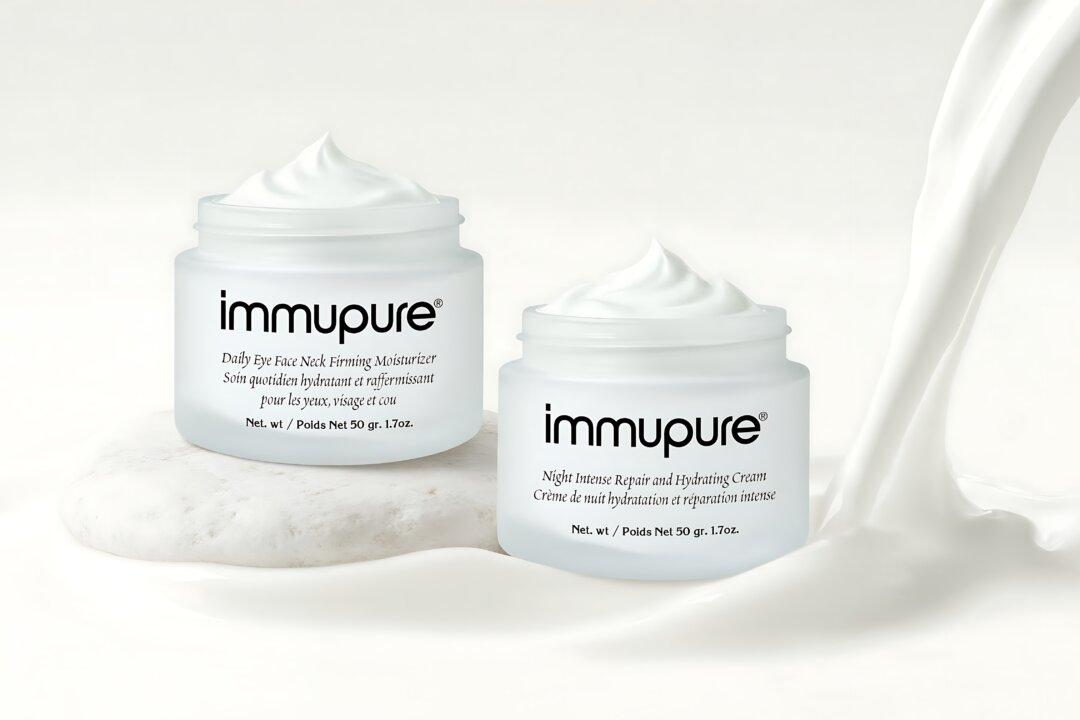
One particularly interesting ingredient in this move toward more biologically complex skincare is colostrum, the first milk produced after birth. What makes colostrum unusual is not any single compound, but the fact that it contains a complex biological network of immune factors, cellular signaling compounds, and regenerative bioactives working across multiple pathways involved in skin repair, resilience, barrier function, and cellular renewal. And it makes perfect sense; it is, after all, designed by nature to protect, repair, and regenerate living tissue.
The benefits of colostrum are also backed by studies across immunology, cellular biology, and dermatology, with research demonstrating that it promotes collagen and elastin production and fibroblast activity, helps strengthen barrier proteins, supports skin repair and renewal processes, and provides strong antioxidant and anti-inflammatory activity. Emerging research also suggests that it may help preserve telomere length, the protective structures at the ends of chromosomes that shorten as we age.
Putting Skin Aging in Perspective
Skin aging is far more complex than wrinkles alone. It is influenced by an ongoing interaction between biology, lifestyle, environment, and the gradual structural changes that take place within the skin.There is no miracle or single solution. Long-term habits and daily choices play an important role in how skin ages, and skincare also plays an important part when used consistently and alongside sun protection.
Frequently Asked Questions
When does collagen decline begin?UV exposure is widely considered the single largest driver of premature visible aging. Photoaging is often cited in dermatology research as the leading cause of wrinkles, pigmentation, and loss of elasticity in sun-exposed skin.
The most evidence-backed anti-aging ingredients include retinoids (skin renewal, gold standard), vitamin C (antioxidant, collagen support), peptides (firmness signaling), niacinamide (barrier strengthening), and hyaluronic acid (hydration). Emerging bioactives like colostrum are also showing multi-pathway benefits.