



With age, skin naturally becomes thinner, drier, and slower to repair itself. The skin barrier weakens, and tolerance to strong active ingredients can decrease. This does not mean anti aging care should stop, but it does mean the strategy often needs to evolve.
For mature skin, long-term stability and comfort become just as important as visible correction. Ingredients that once felt manageable may now require more careful use, while supportive ingredients often play a larger role in maintaining healthy-looking skin.
Peptides and retinol are two of the most prominent ingredients in anti aging skincare, yet the way they work on aging skin is fundamentally different.
Peptides focus on support and maintenance. They help reinforce the skin structure, support collagen function, improve firmness and elasticity, and strengthen the skin barrier. Because they are generally gentle and well tolerated, they can be used daily, both morning and night. Their main limitation is that results develop gradually and require consistent long term use.
Retinol, by contrast, plays a corrective role. It stimulates collagen production and accelerates cell turnover, helping improve texture and soften established wrinkles. While highly effective, it can also be drying and irritating, especially for mature skin, and often requires careful introduction and monitoring.
As skin ages, relying on a single anti aging ingredient is rarely sufficient. Retinol drives stronger collagen stimulation and renewal, while peptides support the prevention of both dynamic and static lines and help ease some of the irritation associated with retinol. Used together, they create a balanced and highly effective approach.For mature skin, support often comes first with peptides, and correction follows with retinol. Peptides are gentler and better suited for long term support, while retinol is a more advanced option that requires tolerance and thoughtful use.
TruSkin Pro-Collagen Multi-Peptide Serum (Best Entry-Level Peptide Serum)
The Ordinary Multi-Peptide + Hyaluronic Acid Serum (Best Everyday Peptide Serum)
MAELOVE Peptide Squad Collagen Renewal Serum (Best Advanced Peptide Serum)
Paula’s Choice Pro-Collagen Peptide Moisturizer (Best Peptide Moisturizer for Sensitive Skin)
Estée Lauder Revitalizing Supreme+ Youth Power Cream (Luxury Peptide Cream Upgrade)
TruSkin Retinol Facial Serum (Best gentle retinol for sensitive & mature skin)
La Roche-Posay Pure Retinol B3 Serum (Best dermatologist-backed retinol for mature skin)
Baebody Retinol Moisturizer Cream (Best retinol moisturizer for dry, mature skin)
LilyAna Naturals Retinol Serum (Best very gentle retinol for cautious beginners)
Paula’s Choice 1% Retinol Treatment (Best high-strength retinol for experienced users)
What Are Peptides?
Peptides are small molecules made up of 2 to 50 amino acids, sitting between individual amino acids and full proteins. Because of their relatively small size, peptides are able to interact with the skin more effectively than larger proteins and are widely used in skincare for their targeted, supportive benefits.In anti-aging routines, peptides are often described as “expression line helpers.” They support skin firmness, elasticity, and overall resilience without triggering irritation. Peptides are suitable for all skin types, including sensitive skin, and can be used both morning and night. The main limitation is patience—visible improvements typically require at least four weeks of consistent use.
- Avoid combining with high concentrations of exfoliating acids, which may reduce peptide stability
- Monitor skin response when used alongside niacinamide, as some people may experience mild redness
- Pairing peptides with hydrating ingredients like hyaluronic acid and ceramides can enhance repair and comfort
- Combining peptides with vitamin C derivatives may improve antioxidant support
- Be cautious of marketing claims that overpromise instant lifting results
TruSkin Pro-Collagen Multi-Peptide Serum
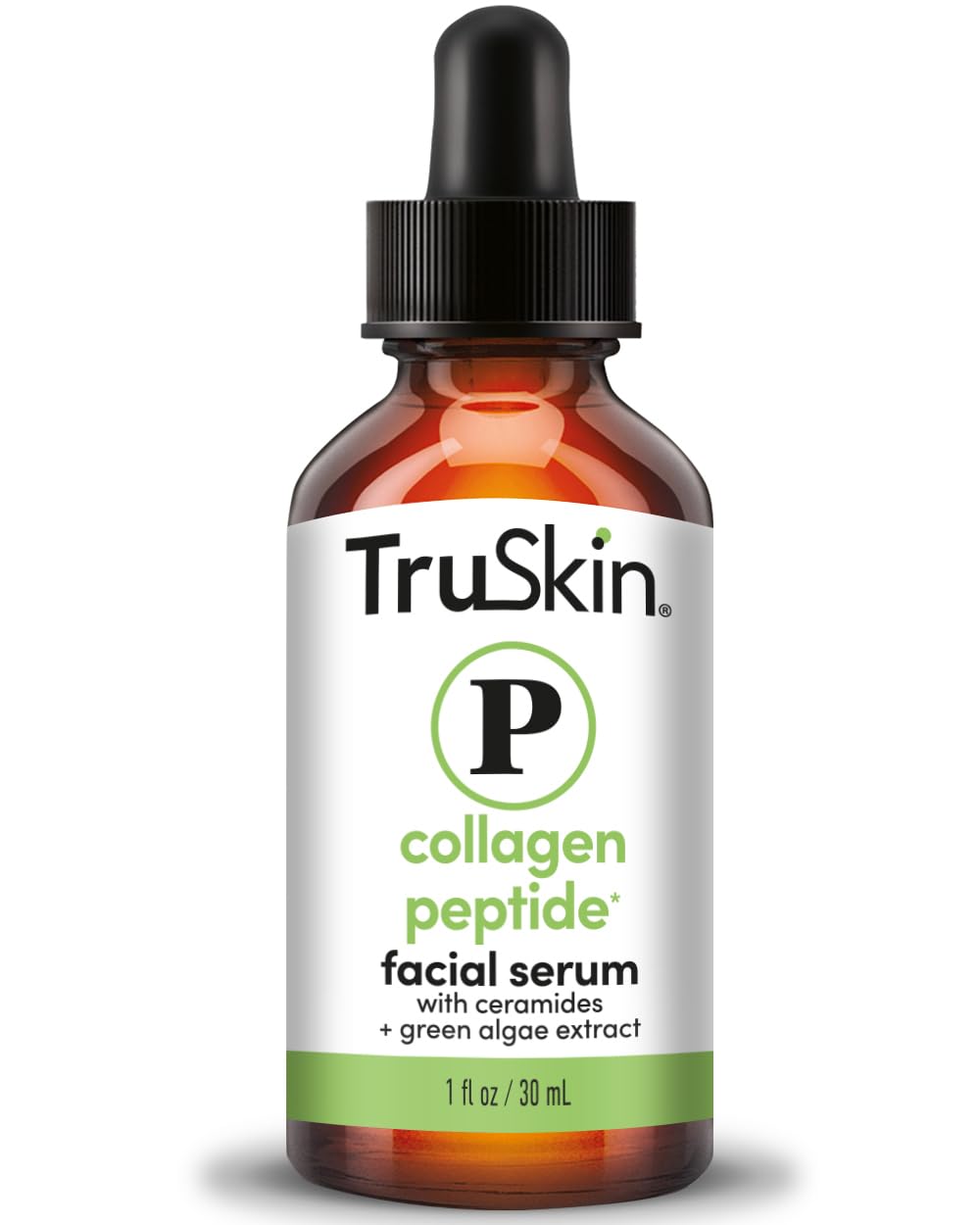
Designed for people who want anti-aging benefits without irritation, this peptide serum takes a steady, long-term approach to skin support. Instead of relying on strong actives, the formula centers on Tripeptide 29 to help support the skin’s natural collagen processes, along with ceramides to reinforce the moisture barrier.
The texture is lightweight and absorbs quickly, making it easy to layer under moisturizer both morning and night. Hydrating ingredients like hyaluronic acid and botanical extracts help keep skin comfortable, especially for those dealing with dryness or sensitivity. With consistent use, skin tends to feel smoother, more resilient, and better balanced rather than instantly transformed.
This is not a quick-fix product. Results appear gradually over time, which makes it best suited for users looking for gentle, everyday support rather than dramatic short-term changes.
- Gentle peptide-based formula: Suitable for daily use without irritation.
- Barrier support: Ceramides help maintain hydration and skin comfort.
- Easy to layer: Lightweight texture works well in simple routines.
- Slow visible results: Improvements require consistent long-term use.
- Subtle effects: Not designed for dramatic lifting or rapid wrinkle reduction.
- Patience required: Best for maintenance rather than immediate correction.
The Ordinary Multi-Peptide + Hyaluronic Acid Serum

This is the kind of peptide serum people reach for when they want steady, low-effort anti-aging support without having to think too much about it. Rather than targeting a single concern, it focuses on overall skin resilience, helping improve smoothness, elasticity, and firmness over time.
The formula relies on a blend of peptides paired with hyaluronic acid, which keeps the texture lightweight, fragrance-free, and easy to use twice daily without irritation. Results tend to be subtle and gradual rather than dramatic, making this a practical choice for long-term maintenance, especially for sensitive or reactive skin. It works best as a daily staple, not a quick fix.
Pros- Easy daily use: Lightweight texture layers well morning and night.
- Gentle formula: Suitable for most skin types, including sensitive skin.
- Well-rounded support: Addresses early signs of aging without overcomplicating a routine.
- Slow results: Improvements appear gradually with consistent use.
- Not highly targeted: Those seeking dramatic firming may want a more advanced formula.
MAELOVE Peptide Squad Collagen Renewal Serum

Formulated for users who want more than a basic peptide serum, this formula brings together several well known peptides, including copper peptides, Matrixyl 3000, and Argireline, to focus on firmness and long term skin structure support. Rather than promising instant lifting, it aims to improve elasticity and smoothness gradually with consistent use.
The addition of hyaluronic acid, ceramides, and jojoba oil helps maintain hydration and barrier strength, which is especially useful in routines that already include stronger actives. Niacinamide and soothing botanicals help reduce redness and keep the formula comfortable for regular use. The texture feels hydrating but absorbs without heaviness, making it easy to layer morning or night.
This is best suited for people who already use peptides and want a more comprehensive option that balances structure support with barrier care.
Pros- Advanced peptide blend: Includes copper peptides and signal peptides for broader support.
- Barrier-focused: Ceramides and niacinamide help maintain skin comfort.
- Good layering texture: Hydrating without feeling greasy.
- Gradual results: Improvements develop over time.
- Not a quick tightening product: Designed for long-term use.
Paula’s Choice Pro-Collagen Peptide Moisturizer
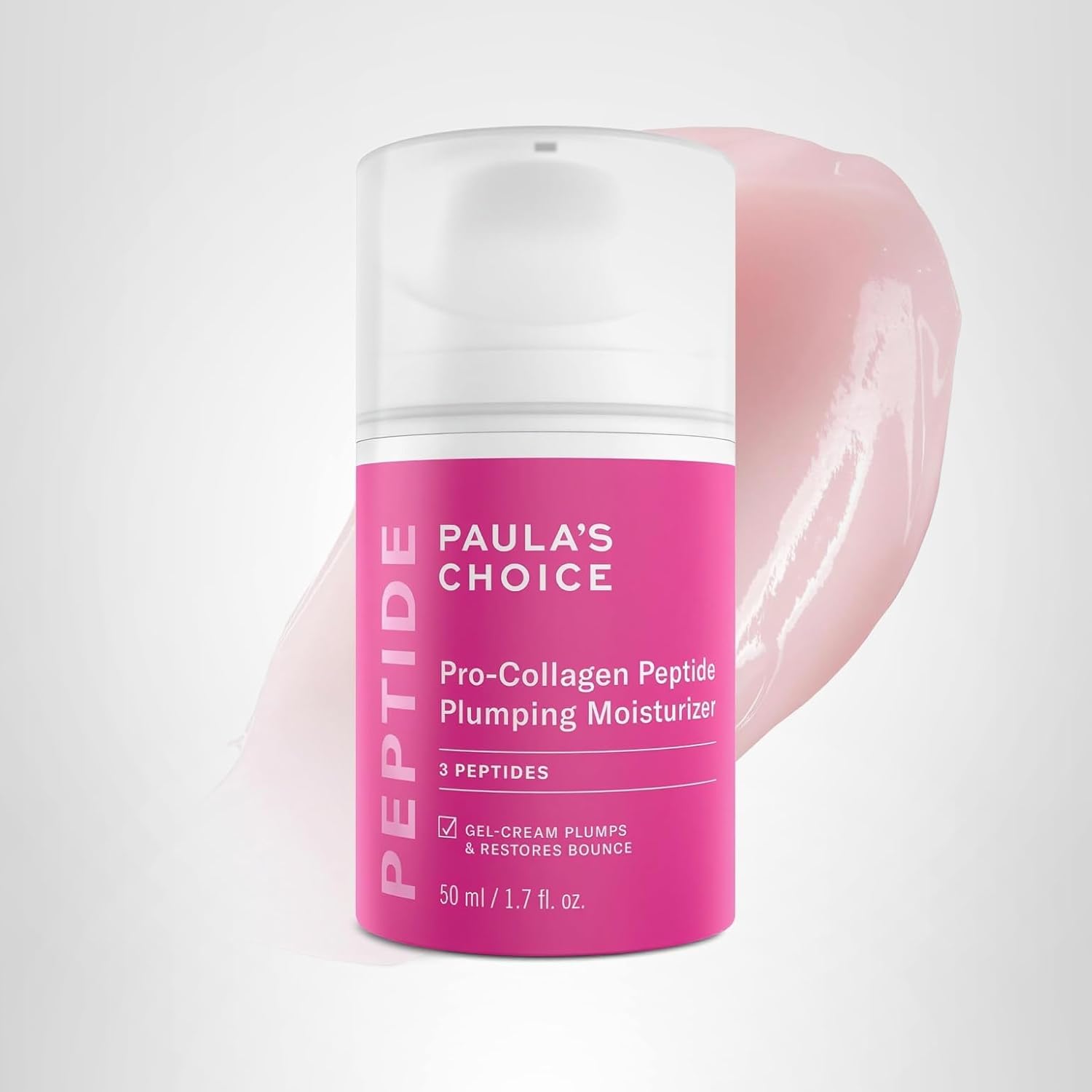
Often recommended as a Best Peptide Moisturizer for Sensitive Skin, this gel cream is designed for those who want firming support without relying on stronger actives. Instead of exfoliating or resurfacing ingredients, it uses a blend of pro collagen peptides to help maintain elasticity while providing steady hydration.
The lightweight texture absorbs quickly and feels comfortable even on reactive or easily dehydrated skin. Because it is fragrance free and focused on barrier support, it works well as a daily option for mature skin that no longer tolerates aggressive treatments. Results build gradually, making it better suited for long term maintenance rather than immediate visible change.
- Peptide-focused formula: Supports firmness without relying on strong actives.
- Lightweight texture: Hydrates without feeling heavy.
- Fragrance-free: Suitable for sensitive or reactive skin.
- Subtle results: Improvements appear over time.
- Hydration-focused: Not a resurfacing or corrective treatment.
- May not replace stronger actives: Best used as part of a broader routine.
Estée Lauder Revitalizing Supreme+ Youth Power Cream

For those who prefer a richer cream over lightweight gels, this moisturizer leans into comfort and long lasting hydration. Often positioned as a luxury peptide cream upgrade within a routine, it combines peptides with hyaluronic acid to support firmness and elasticity while helping skin feel stronger and more balanced over time. The texture is substantial but not overly heavy, making it suitable for both face and neck, especially in drier climates or during colder months.
Hydration is a clear priority here, with moisture that tends to last throughout the day without constant reapplication. While it does not function as a resurfacing or corrective treatment, it works well as a daily foundation in a mature skin routine, particularly for those focused on softness and overall radiance rather than dramatic transformation. A 0.5 oz travel size is also available, which can be useful for testing how well it suits your skin before committing to the full size.
- Rich but balanced texture: Provides lasting hydration without feeling overly heavy.
- Peptide support: Helps maintain firmness and elasticity over time.
- Travel size option: The 0.5 oz size makes it easier to test compatibility.
- Premium pricing: More expensive than basic moisturizers.
- Not a corrective treatment: Does not resurface or target deep wrinkles.
- Gradual improvement: Results build slowly with consistent use.
What Is Retinol?
Retinol is a derivative of vitamin A and is closely related to retinoic acid, an ingredient recognized by the FDA for its ability to address photoaging. Because it is fat-soluble, retinol penetrates the skin effectively and has strong clinical evidence supporting its anti-aging benefits. It helps stimulate collagen production, speed up skin renewal, and visibly improve wrinkles and sagging.Retinol is best suited for oily skin, resilient skin types, or mature skin with deeper wrinkles that can tolerate stronger actives. In many ways, using retinol is like putting the skin through a workout—it can help restore a more youthful and healthy appearance, but the process can be demanding. Side effects such as dryness, peeling, redness, or tightness are common during the adjustment period, which is why frequency and concentration matter.
- Start with a low concentration (such as 0.1%) and use it 2–3 times per week
- Gradually increase frequency as the skin builds tolerance
- Expect mild peeling or redness during the first 1–2 weeks; severe irritation is a sign to stop use
- Use retinol at night, as it is highly sensitive to light
- Avoid layering with strong exfoliating acids or high-strength vitamin C, which may increase irritation
TruSkin Retinol Facial Serum

For those easing into retinol or looking for a gentler option, this serum takes a more measured approach to skin renewal. It combines retinol with hydrating ingredients like hyaluronic acid, along with soothing components such as cica and vitamin E to help reduce the dryness often associated with vitamin A products.
The texture is lightweight and absorbs easily, making it suitable for nighttime use a few times a week, especially for beginners. While it helps improve texture and support collagen renewal over time, results build gradually rather than overnight.
It pairs well with a peptide serum used earlier in the routine. Peptides can help reinforce the skin barrier and improve overall tolerance, which makes introducing retinol smoother and more manageable. Used this way, the combination balances renewal with support rather than overwhelming the skin.
- Beginner-friendly retinol: Designed with soothing and hydrating ingredients.
- Layers well in a routine: Lightweight texture works easily at night.
- Compatible with peptides: Helps create a balanced support and renewal approach.
- Gradual improvement: Requires consistent long term use.
- Night use only: Requires sunscreen during the day.
- May still cause irritation: Sensitive skin should introduce slowly.
La Roche-Posay Pure Retinol B3 Serum

Designed strictly for evening use, it supports gradual collagen stimulation and smoother texture over time rather than dramatic overnight change.
To balance its effects, a peptide serum can be used in the morning or on non-retinol nights. Peptides help reinforce elasticity and support the skin barrier, which may improve overall tolerance and reduce the dryness often associated with retinol.
Pros- Dermatologist trusted formula: Designed with sensitive skin in mind.
- Balanced approach: Combines retinol with vitamin B3 for added support.
- Pairs well with peptides: Helps create a more tolerable long term routine.
- Gradual results: Requires consistent evening use.
- Night use only: Daily sunscreen is essential.
- Mild fragrance: May not suit extremely reactive skin.
Baebody Retinol Moisturizer Cream

For those who prefer a cream texture over a serum, this retinol moisturizer offers a more cushioned approach to renewal. Instead of feeling clinical or overly strong, it blends retinol with jojoba oil, vitamin E, and other emollients to help support smoother-looking skin while maintaining moisture. The formula aims to address fine lines and uneven tone gradually, rather than pushing fast resurfacing results.
The texture feels nourishing but not overly heavy, which can make it easier for mature or drier skin types to tolerate. Because it is a cream format, it works well as the final step in a nighttime routine.
It can pair effectively with a peptide serum used in the morning or on alternate nights. Peptides help reinforce elasticity and support the skin barrier, which may improve tolerance and reduce dryness commonly associated with retinol use. This alternating approach allows for collagen stimulation from retinol while maintaining structural support from peptides.
Pros- Cream format: More comfortable for dry or mature skin.
- Barrier supportive ingredients: Includes jojoba oil and vitamin E.
- Pairs well with peptides: Helps create a balanced correction and support routine.
- Gradual improvement: Results require consistent use.
- Evening focused use: Requires sunscreen during the day.
- May feel rich for oily skin types
LilyAna Naturals Retinol Serum
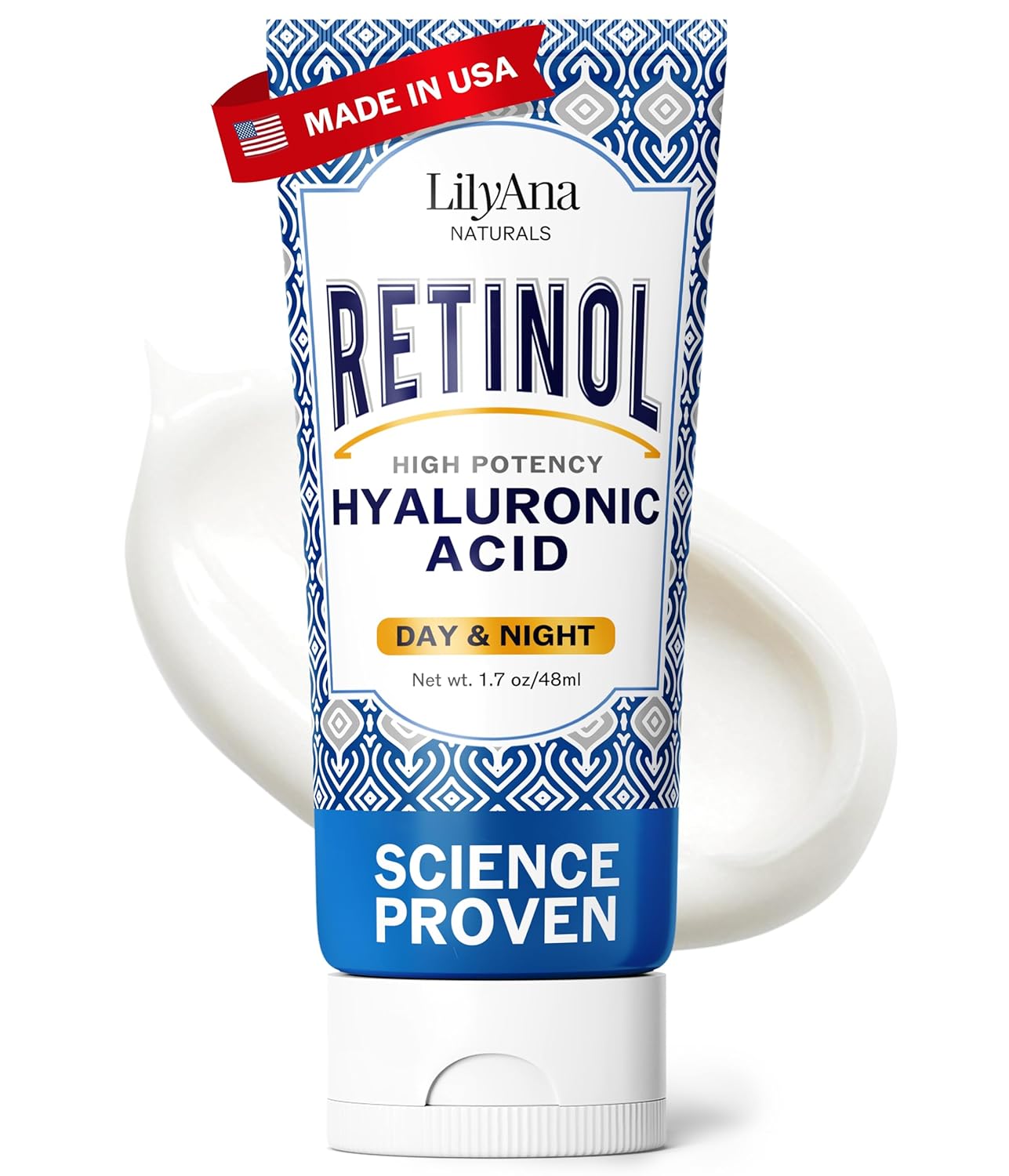
For those hesitant to start retinol, this cream takes a noticeably softer approach. Often described as a best very gentle retinol for cautious beginners, it combines retinol with hydrating ingredients like hyaluronic acid and vitamin E to help improve texture and firmness without feeling overly aggressive.
The cream texture feels nourishing and works well on both face and neck. Because the formula is designed to be mild, some users incorporate it once daily and gradually increase frequency, while others with higher tolerance may use it both morning and evening with proper sunscreen protection.
It pairs especially well with a peptide serum layered underneath. Peptides can help reinforce the skin barrier and improve elasticity, which may reduce dryness and support overall tolerance. Used together, peptides provide structural support while retinol delivers gradual renewal, creating a more balanced and approachable routine for beginners.
Pros- Very gentle formula: Suitable for cautious or sensitive users.
- Hydrating base: Includes hyaluronic acid and vitamin E.
- Flexible use: Can be used more frequently than stronger retinol formulas.
- Milder strength: Results develop slowly over time.
- Still requires sunscreen: Daytime protection is essential.
- May not be strong enough for advanced users
Paula’s Choice 1% Retinol Treatment
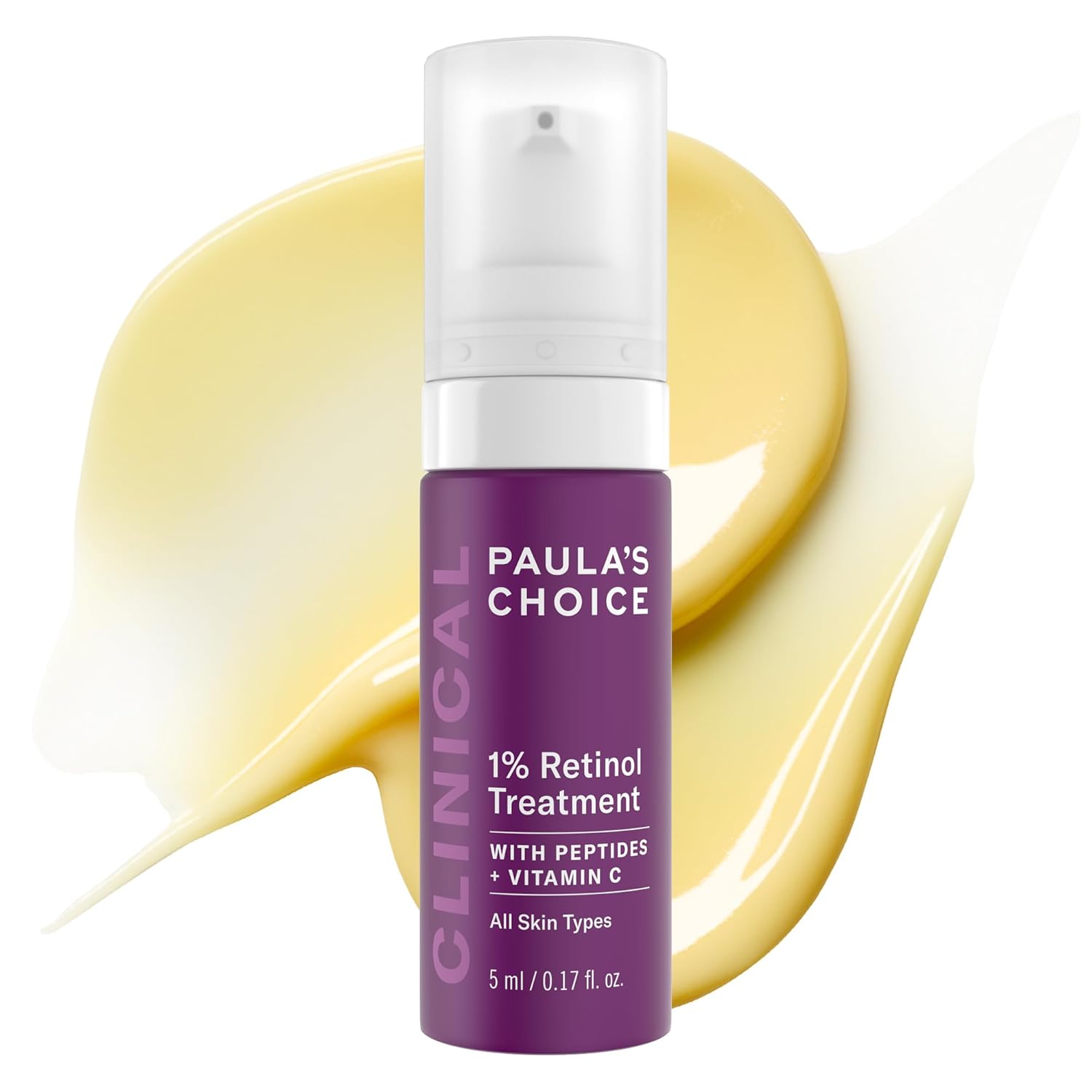
Formulated for those who have already built up retinol tolerance, this 1 percent treatment takes a more intensive approach to visible skin aging. At this concentration, retinol works more assertively to stimulate collagen production, accelerate cell turnover, and improve the look of deeper wrinkles and uneven texture. It is not intended as an entry level option, but rather for experienced users who have previously used lower strengths consistently without irritation.
A controlled release delivery system helps regulate how the retinol is absorbed, which can make a higher percentage more manageable over time. Supporting ingredients such as peptides, vitamin C, and licorice extract provide added structural and antioxidant support, helping maintain firmness and clarity while retinol focuses on corrective renewal.
Because 1 percent is considered high strength, this formula is best suited for resilient skin types, individuals already comfortable with 0.3 to 0.5 percent retinol, or those targeting more established lines and texture concerns. Beginners, highly sensitive skin types, or anyone prone to redness should consider starting with a lower concentration first.
To use safely, begin with three evenings per week rather than daily application, allowing skin time to adjust. Increase frequency gradually only if skin remains comfortable. Retinol should be applied at night to clean, dry skin, followed by moisturizer.
To pair effectively with peptides, consider using a peptide serum in the morning to support barrier strength and elasticity. On retinol nights, applying a peptide based moisturizer afterward can help maintain comfort and reduce dryness without interfering with results. Daily sunscreen is essential when using any retinol product.
Pros- High strength concentration: 1 percent retinol offers stronger collagen stimulation for deeper lines.
- Balanced with supportive ingredients: Includes peptides and antioxidants to offset dryness.
- Controlled release system: Helps improve tolerability for experienced users.
- Not beginner friendly: Too strong for first time retinol users.
- Higher irritation risk: May cause dryness, peeling, or redness if overused.
- Requires strict sun protection: Daily SPF is mandatory.
In the end, the choice between peptides and retinol is not about which ingredient is stronger, but about what the skin needs at a given stage. Peptides offer steady structural support and long term resilience, while retinol delivers more visible corrective change when tolerance allows.
For mature skin, combining both strategically often makes more sense than relying on one alone. Support helps skin stay stable. Correction helps address deeper signs of aging. The balance between the two is what ultimately determines both results and comfort.