



In practice, their roles are quite different. Vitamin C functions primarily as a preventive ingredient. As a powerful antioxidant, it helps neutralize free radicals that contribute to dullness, discoloration, and the early formation of fine lines. Retinol, a vitamin A derivative, works in a more corrective way. It supports skin renewal, improves texture, and helps soften the appearance of lines that have already developed.
Vitamin C and retinol work differently, so they are usually used at different times. Vitamin C helps protect the skin during the day, while retinol helps repair signs of aging at night. This approach is not about using more products, but about using the right one at the right time.
Deciding which category matters more depends on factors such as skin type, sensitivity, and whether the goal is protection or correction. Looking at representative retinol and vitamin C formulas across a range of strengths and textures helps clarify where each category is most effective and where extra caution may be needed.
Rather than framing this as a competition, the focus here is on understanding how these ingredients work and when one category may be more appropriate than the other at different stages of skin aging.
Products Breakdown:TruSkin Vitamin C Serum ( Best affordable vitamin C for beginners )
La Roche-Posay Pure 12% Vitamin C Serum (Best vitamin C for sensitive mature skin and daytime protection)
Timeless Vitamin C + E + Ferulic Acid Serum (Best antioxidant vitamin C for daytime protection)
MAELOVE Glow Maker Vitamin C Serum (Best vitamin C for advanced brightening and antioxidant protection)
artnaturals Vitamin C Serum (20%) ( Best high-strength vitamin C for experienced users)
CeraVe Anti-Aging Retinol Serum (Best affordable retinol for mature and sensitive skin)
LilyAna Naturals Retinol Serum (Best very gentle retinol for dry, cautious beginners)
La Roche-Posay Pure Retinol B3 Serum (Best dermatologist-backed retinol for mature skin)
Paula’s Choice 1% Retinol Treatment (Best high-strength retinol for experienced users)
Baebody Retinol Moisturizer Cream (Best retinol moisturizer for dry, mature skin)
How to Choose the Right Vitamin C for Your Skin
Choosing the right vitamin C depends on your skin type, sensitivity level, and experience with active ingredients. Vitamin C comes in different strengths and forms, and not every formula works the same for everyone.If you are new to vitamin C or have sensitive skin, start with a lower concentration or a gentler derivative. These formulas focus more on protection and brightness with less risk of irritation. For normal or resilient skin, higher concentrations of pure vitamin C can provide more noticeable brightening and antioxidant benefits, especially when used consistently in the morning.
Texture also matters. Lightweight serums absorb quickly and work well under sunscreen and makeup, making them ideal for daytime use. Creamier formulas may suit drier or mature skin that needs extra hydration along with antioxidant protection.
Most importantly, vitamin C works best as a long-term habit rather than a quick fix. Using the right strength consistently and pairing it with daily sunscreen helps protect the skin from environmental damage and supports a brighter, more even complexion over time.
TruSkin Vitamin C Serum

Formulated for those who are new to vitamin C or looking for a gentle, everyday brightening option, TruSkin Vitamin C Serum takes a balanced and approachable approach to antioxidant skincare. Instead of relying on harsh or highly acidic forms of vitamin C, this formula uses a stable vitamin C derivative to help improve skin tone, dullness, and early signs of aging with a lower risk of irritation.
The serum focuses on gradual brightening and hydration rather than aggressive correction. Vitamin C is paired with hyaluronic acid, vitamin E, aloe vera, and botanical extracts to help support moisture levels while softening the appearance of dark spots, fine lines, and uneven texture. This makes the formula especially suitable for beginners or those with sensitive skin who want visible improvement without overwhelming the skin.
The lightweight serum absorbs easily and can be used once or twice daily on the face, neck, and hands. For daytime use, it layers well under moisturizer and sunscreen, making it easy to incorporate into a morning routine. While results are subtle at first, consistent use helps support a brighter, more refreshed complexion over time.
- Beginner-friendly vitamin C formula: Uses a stable vitamin C derivative that is less likely to irritate sensitive skin.
- Hydration-focused blend: Hyaluronic acid, vitamin E, and aloe help maintain moisture and skin comfort.
- Affordable and easy to use: Suitable for daily use without a complicated routine or high cost.
- Milder brightening results: Not designed for rapid correction of stubborn dark spots or advanced discoloration.
- Requires consistent use: Visible improvements build gradually rather than appearing quickly.
- Not a high-strength option: Experienced vitamin C users may prefer a more potent L-ascorbic acid formula.
La Roche-Posay Pure 12% Vitamin C Serum

Built around daytime protection and radiance, La Roche-Posay Pure 12% Vitamin C Serum combines pure vitamin C with salicylic acid and neurosensine to brighten the skin while keeping it hydrated and comfortable. The rich serum texture helps soften the skin on contact, leaving it smoother, more radiant, and visibly refined without feeling overly aggressive. The allergy-tested formula is designed to support sensitive skin while targeting fine lines and early signs of aging.
This vitamin C treatment works to visibly boost radiance and reduce the appearance of wrinkles, helping improve overall skin tone and texture with consistent use. Applied in the morning, it layers easily under moisturizer and sunscreen, making it well suited for daily routines. For best results, a few drops are used on the face and neck, avoiding the eye area, and always paired with sun protection.
- Dermatologist-tested formulation: Allergy tested and designed with daily tolerance in mind.
- Balanced vitamin C blend: Combines pure vitamin C with hydrating and refining ingredients for visible radiance.
- Daytime-friendly texture: Layers well under moisturizer and sunscreen without feeling heavy.
- Morning-only use: Intended for daytime application and requires consistent sunscreen use.
- Moderate exfoliating effect: The inclusion of salicylic acid may not suit those who prefer completely exfoliation-free formulas.
- Not the highest-strength option: Users seeking maximum vitamin C potency may want a stronger, more aggressive formula.
Timeless Vitamin C + E + Ferulic Acid Serum

When daytime protection is the goal, vitamin C often becomes the anchor of the routine. This formula uses a 20 percent concentration of L ascorbic acid, paired with vitamin E and ferulic acid, to help support brighter looking skin while defending against environmental stressors. Rather than focusing solely on glow, it leans into antioxidant protection and tone consistency.
The lightweight serum absorbs quickly and layers easily under sunscreen, which makes it practical for morning use. With consistent application, skin tends to appear more even and refined over time. While results are gradual, the antioxidant support can play a meaningful role in protecting mature skin from ongoing oxidative damage.
- High strength antioxidant blend: 20 percent vitamin C with E and ferulic acid.
- Daytime friendly: Layers well under sunscreen and makeup.
- Fragrance-free formula: Suitable for most skin types.
- Potent concentration: May tingle on very sensitive skin.
- Gradual brightening: Requires consistent daily use.
- Oxidation risk: Needs proper storage to maintain effectiveness.
MAELOVE Glow Maker Vitamin C Serum
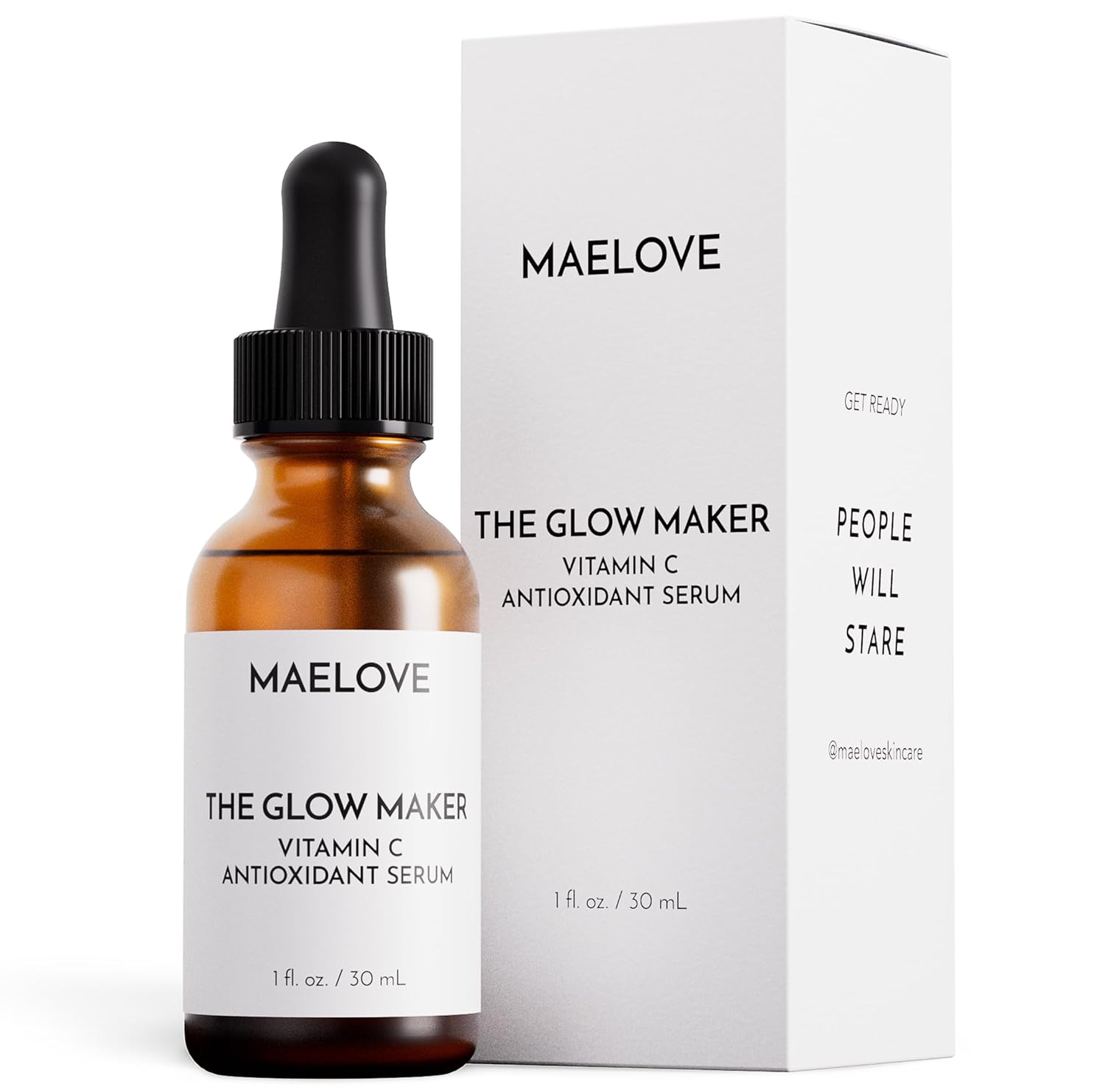
Designed for users who are ready to step up to a more potent vitamin C formula, MAELOVE Glow Maker Vitamin C Serum takes a results-driven approach to brightening and antioxidant protection. Unlike gentler derivatives, this serum uses 15% L-ascorbic acid, the most researched and effective form of vitamin C, combined with vitamin E and ferulic acid to enhance stability and performance at the optimal pH.
Rather than focusing on gradual or minimal improvement, Glow Maker targets visible brightening, improved skin tone, and early signs of aging with consistent use. The formula is further supported by hyaluronic acid to help maintain hydration, allowing high-strength vitamin C to deliver results without the tight or overly drying feel often associated with stronger formulations. This makes it well-suited for users who want noticeable glow and antioxidant defense while still prioritizing skin comfort.
The serum has a water-light texture that absorbs almost instantly, making it easy to layer under moisturizer, sunscreen, or makeup—especially for daytime use. MAELOVE produces Glow Maker in small batches and stores each bottle in cold storage to slow oxidation and preserve vitamin C potency, an important consideration for L-ascorbic acid formulas. With long-standing support from dermatologists and beauty editors, it has built a reputation for delivering reliable brightening results over time.
- High-potency vitamin C formula: Uses 15% L-ascorbic acid for effective brightening and antioxidant protection.
- Clinically proven ingredient trio: Vitamin C, vitamin E, and ferulic acid work together to improve stability and performance.
- Fast-absorbing texture: Lightweight, non-sticky formula layers easily with sunscreen and makeup.
- Stronger than beginner formulas: May not be ideal for first-time vitamin C users or very reactive skin.
- Requires proper storage: As with most L-ascorbic acid serums, exposure to heat and light can reduce effectiveness.
- Not a “gentle entry” option: Those seeking subtle or gradual brightening may prefer a milder derivative-based formula.
artnaturals Vitamin C Serum (20%)

This advanced formula works to visibly improve radiance and soften the appearance of fine lines, wrinkles, and uneven tone. Vitamin C is paired with hyaluronic acid and vitamin E to support hydration and antioxidant protection, while botanical ingredients such as aloe vera and jojoba oil help soothe the skin and reduce dryness often associated with stronger vitamin C treatments.
The fast-absorbing serum texture spreads easily across the face and leaves no greasy residue, making it easy to layer under moisturizer or makeup. With regular use, it supports a plumper, more luminous complexion by encouraging moisture retention and collagen support. Due to its higher strength, this formula is best suited for users who are already comfortable with vitamin C and are looking for more noticeable brightening results.
Pros- High-dose vitamin C performance: Delivers noticeable brightening and tone improvement for users who want stronger antioxidant results.
- Moisture-supporting formula: Includes hyaluronic acid, vitamin E, and botanical ingredients to help counter dryness often associated with high-strength vitamin C.
- Fast-absorbing and makeup-friendly: Lightweight texture absorbs quickly without residue, making it easy to layer under moisturizer or makeup.
- Not ideal for beginners: May be too strong for sensitive skin or first-time vitamin C users.
- Results build gradually: Visible improvements require consistent, long-term use.
- Scent may not appeal to all users: Those who prefer completely unscented formulas may want an alternative.
How to Choose the Right Retinol for Your Skin
Choosing the right retinol depends less on strength and more on tolerance. Skin type, sensitivity, and prior experience with retinoids all play a role. For those new to retinol or prone to dryness and irritation, starting with a gentle or lower-strength formula and using it only a few nights a week can help minimize discomfort. Formulas that include moisturizing ingredients such as ceramides or oils may also be easier to tolerate.For more experienced users, retinol can be introduced more consistently or at slightly higher strengths, as long as the skin remains comfortable. Texture matters as well. Serums tend to feel lighter, while creams and moisturizers may suit drier or mature skin better. Regardless of the formula, using retinol at night and applying sunscreen during the day is essential, as retinol can increase skin sensitivity to sunlight.
The best retinol is not the strongest one available, but the one that fits comfortably into a routine and can be used consistently over time.
CeraVe Anti-Aging Retinol Serum

Formulated for those who want the benefits of retinol without unnecessary irritation, CeraVe Anti-Aging Retinol Serum takes a gentle, barrier-focused approach to skin renewal. Instead of relying on high strength, the formula uses encapsulated retinol to deliver gradual, consistent results that help smooth fine lines and improve skin texture over time.
This serum combines retinol with hydrating and soothing ingredients such as hyaluronic acid and niacinamide to help minimize dryness while supporting overall skin comfort. Three essential ceramides work alongside CeraVe’s MVE Technology to reinforce the skin barrier and provide extended moisture release, making the formula easier to tolerate with regular use.
The lightweight, fragrance-free texture absorbs easily and can be used once or twice daily as the skin adjusts. While results are subtle and progressive, the formula is designed for consistency rather than intensity, making it especially suitable for mature or sensitive skin that benefits from steady improvement over time.
- Dermatologist-developed formula: Designed with long-term skin tolerance and barrier support in mind.
- Encapsulated retinol delivery: Allows for gradual release to reduce irritation and dryness.
- Barrier support: Ceramides and niacinamide help maintain skin comfort and hydration during retinol use.
- Milder results: Those seeking fast or aggressive anti-aging results may find the formula too gentle.
- Not a high-strength option: Experienced retinol users may eventually want a stronger formula.
- Gradual improvement: Visible changes take time and require consistent use.
LilyAna Naturals Retinol Serum
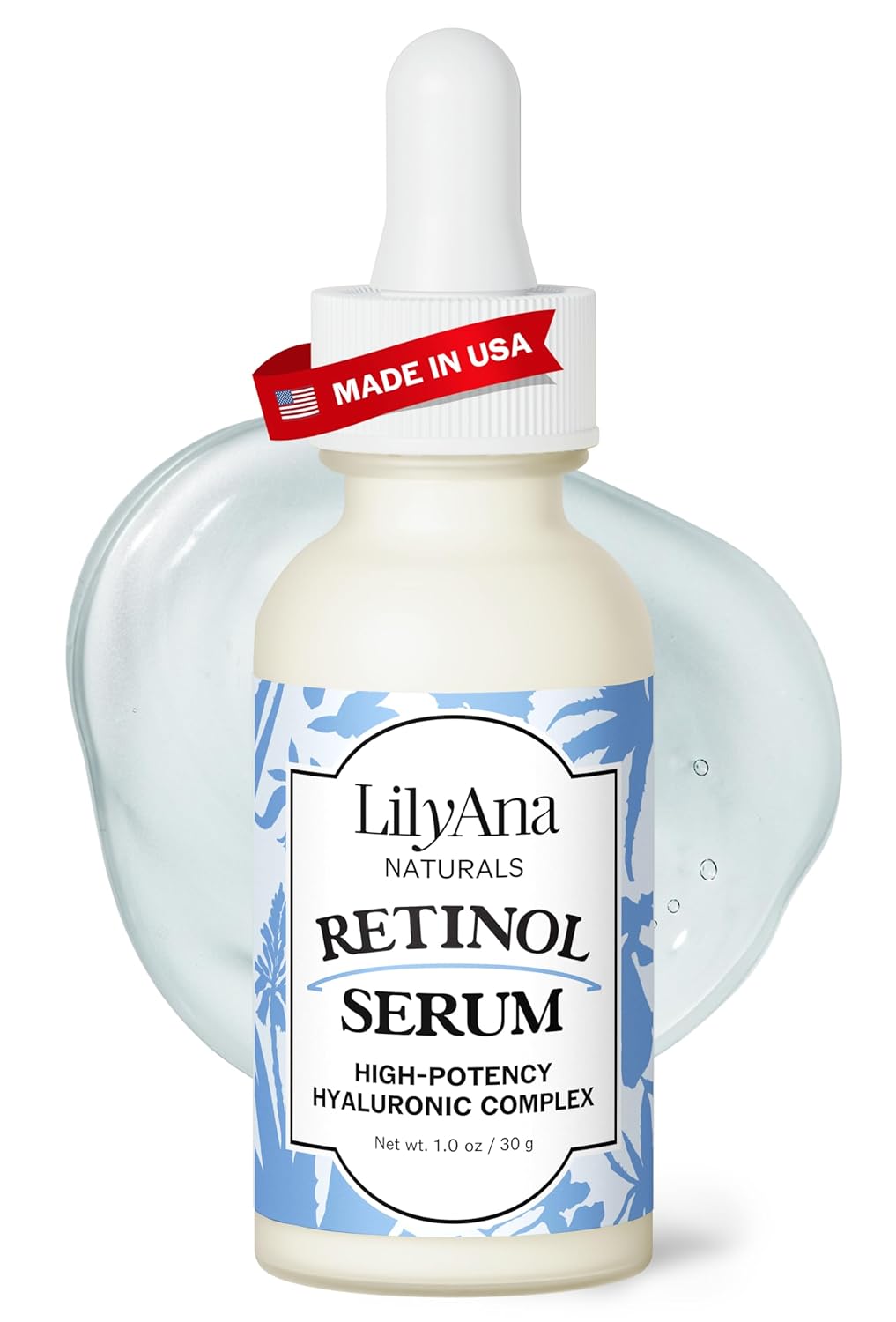
Although LilyAna Naturals positions itself as a clean and conscious brand, it does not compromise on performance. Made in the USA, this retinol serum is designed to deliver anti-aging benefits in a gentle, approachable way, making it especially suitable for those new to retinol or with dry, easily irritated skin.
The formula combines retinol with supportive ingredients such as hyaluronic acid, vitamin E, and niacinamide to encourage gradual skin renewal while maintaining hydration and comfort. Rather than aggressive resurfacing, it focuses on steady improvement in fine lines, uneven tone, and dullness without overwhelming the skin.
With its lightweight, non-comedogenic texture, the serum absorbs easily and can be used both day and night when paired with sunscreen during the day. Results tend to appear gradually, but the trade-off is a lower risk of irritation, redness, or flaking, making it a comfortable option for long-term use and gentle anti-aging care.
- Very gentle formula: Suitable for dry skin and those new to retinol who want to minimize irritation.
- Hydrating and soothing: Hyaluronic acid, vitamin E, and niacinamide help maintain moisture and comfort.
- Clean ingredients: Free from artificial fragrances, parabens, and harsh additives; cruelty-free and vegan.
- Slower results: Those looking for fast or dramatic wrinkle reduction may find it too mild.
- Lower retinol strength: Experienced retinol users may eventually need a stronger option.
- Not ideal for severe concerns: Deep wrinkles or advanced photoaging may require more potent
La Roche-Posay Pure Retinol B3 Serum

This advanced treatment helps visibly refine pores and soften uneven texture, targeting premature sun damage without relying on overly aggressive strength. The gradual action allows for steady improvement over time, rather than sudden or disruptive changes to the skin.
The lightweight serum spreads easily across the face and neck and is intended for evening use. When used consistently and paired with daily sun protection, it supports clearer texture and more even-looking skin. The eye area should be avoided. Overall, this formula offers a dependable middle ground for those who want effective anti-aging care with an emphasis on tolerance and long-term skin comfort.
Pros- Dermatologist-backed formulation: Designed with skin tolerance and long-term use in mind.
- Balanced retinol approach: Combines retinol with vitamin B3 to reduce irritation and support the skin barrier.
- Suitable for sensitive skin: Helps improve texture and fine lines without excessive dryness or redness.
- Gradual results: Improvements appear over time rather than immediately.
- Night-only use: Requires consistent evening application and daily sunscreen use.
- Not the strongest option: Advanced retinol users may want a higher-strength formula.
Paula’s Choice 1% Retinol Treatment
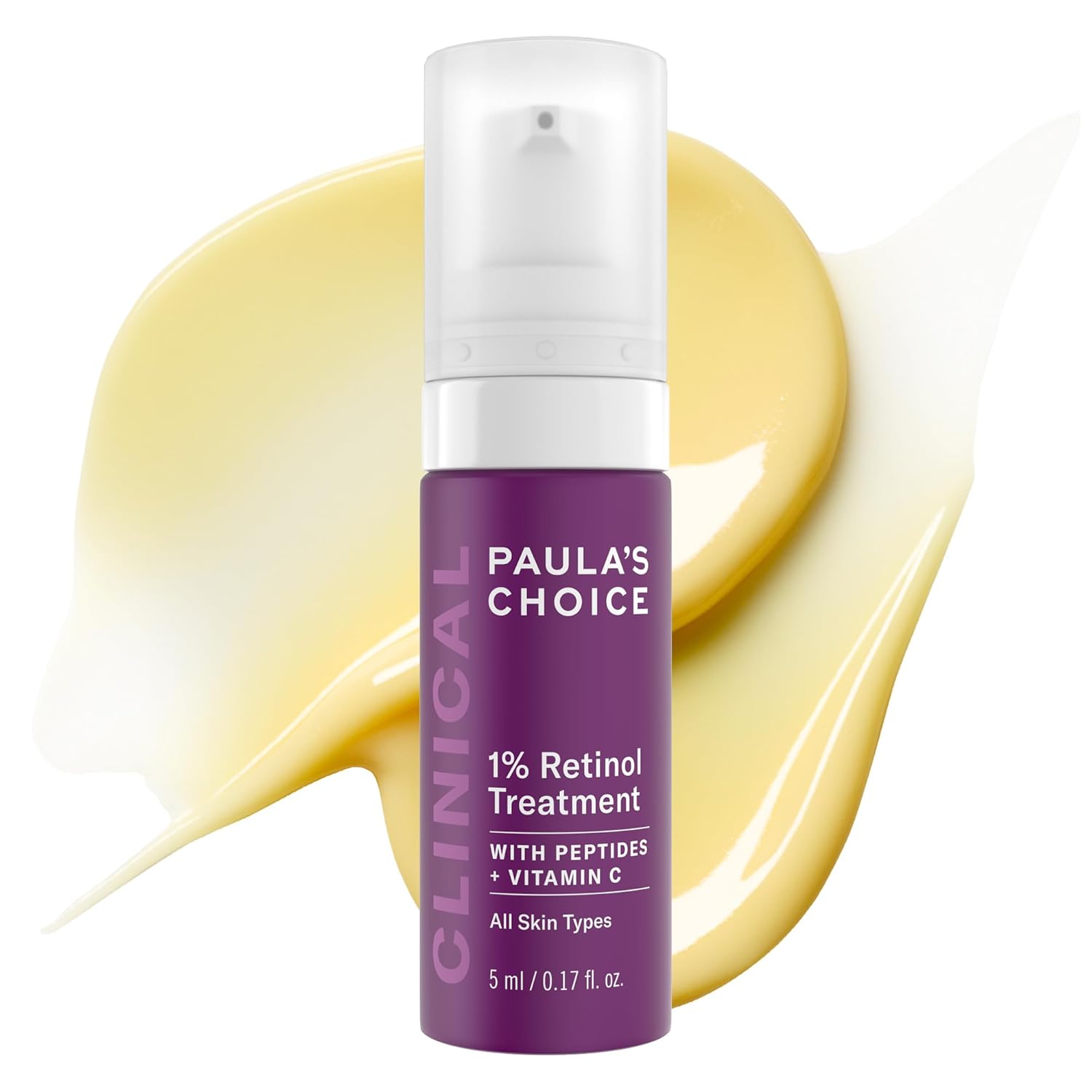
Formulated for those who are already comfortable with retinol, Paula’s Choice 1% Retinol Face Treatment takes a more results-driven approach to anti-aging. Instead of focusing on mild, introductory benefits, this formula is designed to target deeper wrinkles, uneven texture, and visible signs of skin aging with a higher retinol concentration.
The lightweight texture spreads easily across the face and neck and can be used once or twice daily, depending on tolerance. For daytime use, pairing the treatment with broad-spectrum SPF 30 or higher is essential, as retinol increases sensitivity to sunlight. While powerful, this formula is best suited for users who have already built retinol tolerance and are looking for a more advanced option.
Pros- High-strength retinol formula: Targets deeper wrinkles, texture concerns, and visible signs of aging more effectively than milder options.
- Controlled-release delivery: Helps ensure even absorption while reducing the risk of sudden irritation.
- Multi-benefit formulation: Includes hydrating and brightening ingredients to support skin tone and comfort.
- Not beginner-friendly: May cause irritation for those new to retinol or with very sensitive skin.
- Requires sun protection: Daytime use must be paired with consistent SPF to avoid sun sensitivity.
- Smaller size: The concentrated formula comes in a relatively small volume.
Baebody Retinol Moisturizer Cream

Designed for those who prefer a cream-based retinol rather than a lightweight serum, Baebody Retinol Face Cream offers a more nourishing approach to anti-aging. Made in the USA, this formula pairs retinol with rich emollients to support skin renewal while maintaining softness and comfort, making it especially appealing for dry or mature skin types.
Rather than focusing on aggressive resurfacing, the cream emphasizes consistent improvement in fine lines, wrinkles, and skin texture. Ingredients such as jojoba oil and vitamin E help buffer the effects of retinol, reducing the likelihood of excessive dryness while supporting a smoother, more supple appearance over time.
The cream spreads evenly across the face and fits easily into both morning and evening routines, though daytime use should always be paired with sunscreen. While not as targeted as high-strength serums, this formula is best suited for users who want visible anti-aging benefits with added hydration and a more forgiving texture.
- Made in the USA: Produced with cruelty-free, paraben-free, sulfate-free, and phthalate-free ingredients.
- Moisturizing cream formula: Ideal for dry or mature skin that needs hydration alongside retinol benefits.
- Hygienic pump packaging: Reduces contamination and product waste with controlled dispensing.
- Not ideal for oily skin: The rich cream texture may feel heavy for those with oily or acne-prone skin.
- Results appear gradually: Improvements develop over time rather than delivering fast, dramatic changes.
- Less targeted than serums: Users seeking precise, high-intensity retinol treatments may prefer a serum format.
Vitamin C and retinol are not interchangeable, and neither replaces the other. Vitamin C plays a protective role during the day, while retinol works at night to support renewal and repair. Choosing the right category—and the right product within it—depends on skin type, tolerance, and long-term consistency rather than strength alone.