

This article includes affiliate links, which may earn us a commission, to support truthful and independent journalism (at no extra cost to you).
If you’ve ever felt unsure about sunscreen, especially because of the ingredients, you’re not alone. With so many options available today, it’s natural to want something that feels safe, comfortable, and easy to use on a daily basis.
At the same time, sun protection doesn’t mean avoiding the sun altogether. Sunlight plays an important role in our overall well-being, from mood to daily rhythm. The goal of sunscreen is simply to help prevent overexposure, so you can better protect your skin while still enjoying time outdoors.Not everyone approaches sun protection the same way. Some people prefer to keep things simple and choose mineral based formulas, while others look for lightweight textures that fit easily into a daily routine. There are also those who focus more on limiting sun exposure rather than using sunscreen every day.
The options below are meant to help you find what feels right for your own comfort and lifestyle.
In general, sunscreens fall into three categories. Mineral sunscreens, made with zinc oxide or titanium dioxide, are known for their gentle and skin-friendly approach. Chemical sunscreens are often chosen for their lightweight feel and invisible finish, especially for daily wear or under makeup. Hybrid sunscreens combine different types of filters to offer a balance of comfort and wearability.
Is Higher SPF Always Better? Not Exactly
It’s a common assumption that the higher the SPF, the better the protection—but in reality, it’s not that simple. Choosing the right SPF is more about balancing protection, comfort, and how well your skin tolerates the formula.
SPF measures how well a sunscreen protects against UVB rays—the ones responsible for sunburn. But once you go beyond SPF 30, the increase in protection becomes minimal. For example, SPF 30 blocks about 97% of UVB rays, SPF 50 about 98%, and SPF 100 about 99%.
In other words, the jump from SPF 30 to SPF 50 only adds around 1% more protection—meaning for everyday use, the difference is often less noticeable than people expect.
How to Choose the Right SPF
- Daily wear / indoor routines: SPF 30 is usually sufficient
- Outdoor activities / extended sun exposure: SPF 50+ provides a better safety buffer
- Sensitive or dry skin: SPF 30–50 with gentle formulas
- Oily or acne-prone skin: Lightweight, non-comedogenic SPF 30–50
- Children: Gentle, mineral-based SPF 30–50
Check SPF & PA: What’s the Difference?
SPF tells you how well a sunscreen protects against UVB rays—the ones responsible for sunburn. But sun exposure also involves UVA rays, which penetrate deeper into the skin and contribute to premature aging, fine lines, and hyperpigmentation.
That’s where PA comes in. PA measures how effectively a sunscreen protects against UVA. The more “+” signs, the higher the level of protection:
- PA+ offers some UVA protection
- PA++ provides moderate protection
- PA+++ indicates high protection
- PA++++ offers very high UVA protection
In the U.S., many sunscreens don’t display a PA rating. Instead, the term “Broad Spectrum” is used to indicate protection against both UVA and UVB—so you can rely on that label even without a PA score.
For everyday use, choosing a sunscreen labeled “Broad Spectrum” is key, as it ensures more complete protection against both sunburn and long-term skin damage.
Choosing the right sunscreen doesn’t have to be complicated. Here are a few options across different preferences and comfort levels.
ISDIN Eryfotona SPF 50+ (Best for anti-aging, lightweight mineral protection with dermatologist-recommended DNA repair benefits)
Blue Lizard Sensitive Mineral SPF 50+ (Best for sensitive or reactive skin needing gentle, zinc-based protection with a simple, dermatologist-trusted formula)
Badger Mineral Sunscreen SPF 50 (Best for non-toxic, reef-friendly mineral protection with simple organic ingredients and rich moisture for dry or sensitive skin)
TruSkin Mineral Serum SPF 30 (Best for lightweight, serum-like mineral protection—ideal for daily wear where SPF 30 is often enough)
EltaMD UV Clear SPF 46 (Best for: Sensitive or acne-prone skin needing lightweight, calming sun protection)
CeraVe Hydrating Sheer Sunscreen SPF 30 (Best for: Dry or sensitive skin needing hydrating, barrier-supporting daily protection)
DRMTLGY Broad Spectrum SPF 45 (Best for lightweight, non-greasy daily protection with a smooth, breathable finish.)
Supergoop! Glowscreen SPF 40 (Best for a radiant and dewy finish with a subtle tinted glow, suitable as a primer or no makeup base)
COOLA Organic Face Sunscreen SPF 50 (Best for lightweight daily protection with a comfortable and non greasy feel)
Paula’s Choice RESIST Daily Hydrating Fluid SPF 50 (Best for oily or acne prone skin needing breathable and oil controlling sun protection)
Fishing Hat for Men & Women, Outdoor UV Sun Protection Wide Brim Hat with Face Cover & Neck Flap (Best for full face and neck coverage)
BENEUNDER UV Sun Protection Face Cover / Neck Gaiter Scarf UPF50+ (Best for lightweight face and neck coverage)
Seven Minerals Aloe Gel (Best for travel-friendly, pure aloe relief for quick soothing on the go)
Sun Bum Cool Down Aloe Spray (Best for instant cooling after sun exposure with a lightweight, no-touch spray)
Aloderma Organic Aloe Gel (Best for daily soothing and hydration with a gentle, organic aloe formula)
Mineral Sunscreen (Gentle & Sensitive-Skin Friendly)
Mineral sunscreens use ingredients like zinc oxide or titanium dioxide to create a protective layer on the skin, helping to defend against UV exposure. They are known for being gentle and well-tolerated, making them a popular choice for sensitive or reactive skin.Pros:
- Less likely to irritate the skin
- Suitable for sensitive, eczema-prone, or reactive skin
- Often better tolerated around the eyes
Considerations:
- May leave a white cast, especially on deeper skin tones
- Typically has a thicker, more noticeable texture
Best for:
Sensitive or reactive skin, rosacea, and anyone looking for a gentler, skin-friendly sunscreen option
ISDIN Eryfotona SPF 50+

ISDIN Eryfotona Actinica SPF 50+ is a mineral sunscreen that combines sun protection with advanced skin-repair technology. Formulated with 100% mineral UV filters (zinc oxide), it provides broad-spectrum protection while remaining gentle enough for sensitive or reactive skin.
What sets this formula apart is its use of DNA Repairsomes® technology, powered by photolyase enzymes, which help support the skin’s natural repair process and address existing sun damage. The addition of vitamin E provides antioxidant protection, helping defend against environmental stressors and premature aging.
Despite being a mineral sunscreen, the texture is lightweight and fast-absorbing, blending smoothly into the skin without a heavy or greasy feel. Designed for daily use, it layers well under makeup while delivering both protection and long-term skin benefits.
Best for: Anti-aging mineral protection with advanced DNA repair technology—ideal for sensitive skin and daily sun defense
$34.50 on Amazon (Price at Time of Publishing)Blue Lizard Sensitive Mineral SPF 50+
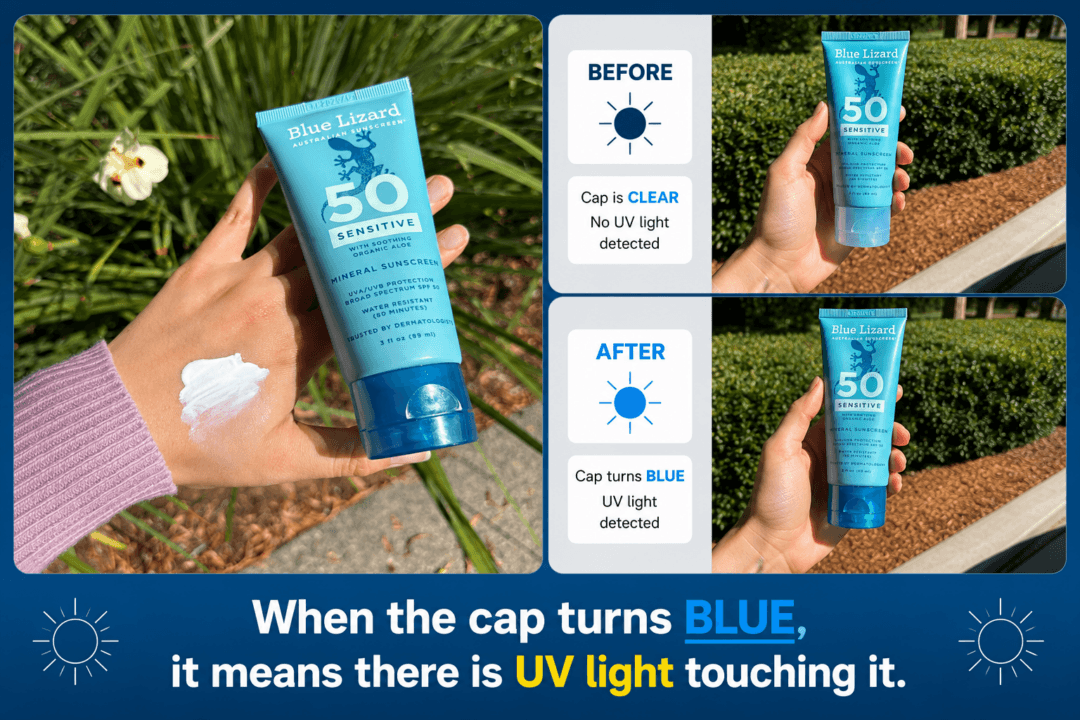
One of our team members tested Blue Lizard Sensitive Mineral Sunscreen SPF 50+ and found it to be a dependable mineral sunscreen that balances strong protection with a relatively comfortable wear experience.
This sunscreen uses 10% zinc oxide and 8% titanium dioxide as its active ingredients, providing broad-spectrum UVA and UVB protection without chemical UV filters. The formula also contains vitamin E (tocopheryl acetate), which helps provide antioxidant protection while supporting skin hydration. It is free from fragrance, parabens, oxybenzone, and octinoxate, making it a suitable option for sensitive or reactive skin.
During testing, our reviewer found the texture slightly thicker than many everyday sunscreens, with a consistency similar to a traditional mineral sunscreen. Because of the richer texture, it took a little extra blending to fully work into the skin. There was a slight white cast at first, but it became much less noticeable once thoroughly blended, especially on lighter skin tones.
One pleasant surprise was the scent. Despite being a mineral sunscreen, it had only a very mild sunscreen smell, even when applied close to the face. Our reviewer also tested it around the delicate eye area, including the eyelids and under-eye region, and experienced no noticeable stinging or irritation.
After application, the sunscreen did not feel overly greasy and dried down comfortably. While it left a protective layer on the skin, it was not excessively tacky and remained comfortable throughout wear.
With up to 80 minutes of water resistance, Blue Lizard Sensitive Mineral Sunscreen SPF 50+ is well suited for swimming, beach days, hiking, and other outdoor activities where long-lasting protection is important.
Best For: Sensitive skin looking for a fragrance-free, water-resistant mineral sunscreen with reliable broad-spectrum protection.Badger Daily Mineral Sunscreen SPF 50

Badger SPF 50 Daily Mineral Sunscreen is a lightweight mineral formula designed for daily protection with a simple, organic ingredient approach. Powered by 25% non-nano zinc oxide, it provides broad-spectrum UVA/UVB protection without chemical UV filters.
The formula contains just six ingredients, including organic coconut oil, sunflower wax, castor wax, coconut extract, and vitamin E, which help moisturize and support the skin barrier while reducing the dry, heavy feel common in some mineral sunscreens.
Free from fragrance, oxybenzone, octinoxate, and parabens, this unscented, hypoallergenic sunscreen is suitable for sensitive skin and blends more smoothly with minimal white cast compared to traditional zinc formulas.
Best for: Dry or sensitive skin needing moisturizing, organic mineral protection with a simple ingredient list and minimal white cast
$22.99 on Amazon (Price at Time of Publishing)TruSkin Mineral Serum SPF 30

TruSkin Mineral Sunscreen Serum SPF 30 is a lightweight, skincare-infused mineral sunscreen designed for comfortable daily wear. Formulated with non-nano zinc oxide, it provides broad-spectrum UVA/UVB protection while maintaining a sheer, barely-there finish on the skin.
What sets this formula apart is its blend of vitamin C, niacinamide, hyaluronic acid, and ceramides, which work together to hydrate the skin, support the skin barrier, and improve overall tone and texture. Additional ingredients like prickly pear and sunflower extract offer antioxidant support, helping protect against environmental stressors and visible effects of blue light.
The universal tint helps neutralize the white cast often associated with mineral sunscreens, leaving a natural, dewy finish that layers easily under makeup or works well on its own. With its serum-like texture, it absorbs quickly without feeling heavy or greasy, making it especially suitable for everyday use.
Best for: Lightweight, serum-like mineral protection with added skincare benefits—ideal for daily wear where SPF 30 is often sufficient
$20.88 on Amazon (Price at Time of Publishing)Hybrid Sunscreen (Balanced Comfort & Protection)
Hybrid sunscreens combine both chemical and mineral filters to offer a balance between lightweight wear and skin-friendly protection. By blending the two approaches, they aim to deliver a more comfortable texture than traditional mineral sunscreens while reducing the potential irritation sometimes associated with purely chemical formulas.
This makes hybrid formulas a versatile option for everyday use, especially for those who want a sunscreen that feels light on the skin without sacrificing comfort or tolerance. They’re often a good middle ground for those who find mineral formulas too heavy and chemical formulas too irritating.
Pros:
- Balanced texture—lighter than mineral, gentler than chemical
- Reduced white cast compared to traditional mineral formulas
- Generally more comfortable for daily wear
Considerations:
- Formulas can vary, so it’s important to check ingredients
- May still not be ideal for extremely sensitive skin
Best for:
Most skin types, especially those looking for a balance between lightweight feel and gentle protection
EltaMD UV Clear SPF 46

Available in tinted and untinted versions, it layers easily under makeup or can be worn alone for a natural, even-looking finish.
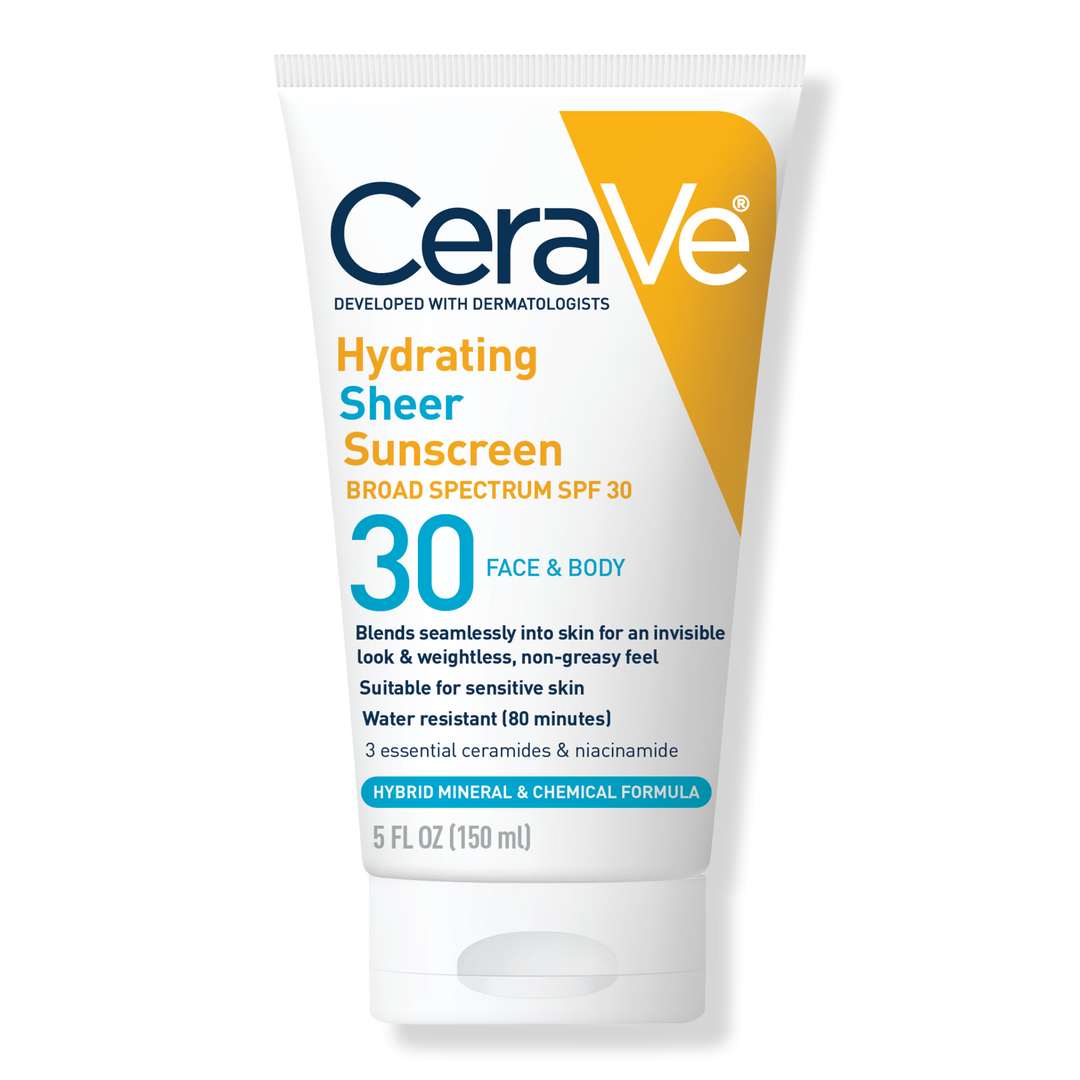
CeraVe Hydrating Sheer Sunscreen SPF 30 is a lightweight hybrid sunscreen that combines both mineral and chemical filters to deliver balanced, broad-spectrum UVA/UVB protection with a comfortable, invisible finish. Formulated with zinc oxide alongside chemical UV filters, it helps both reflect and absorb UV rays while maintaining a breathable, non-greasy feel on the skin.
What makes this formula stand out is its strong focus on skin barrier support and hydration. It’s enriched with three essential ceramides (1, 3, 6-II) to help restore and maintain the skin barrier, along with hyaluronic acid to attract and retain moisture for long-lasting hydration. Niacinamide adds a calming benefit, helping reduce redness and support overall skin comfort—especially for sensitive or acne-prone skin.
The sheer lotion texture applies smoothly, absorbs quickly without leaving a white cast, and wears well under makeup. With water resistance up to 80 minutes, it’s suitable for both daily use and light outdoor activities.
Best for: Hydrating, barrier-supporting hybrid protection with a lightweight feel—ideal for normal, dry, or sensitive skin in everyday wear
$20.99 on Amazon $20.99 on ULTA BEAUTY (Price at Time of Publishing)DRMTLGY Broad Spectrum SPF 45
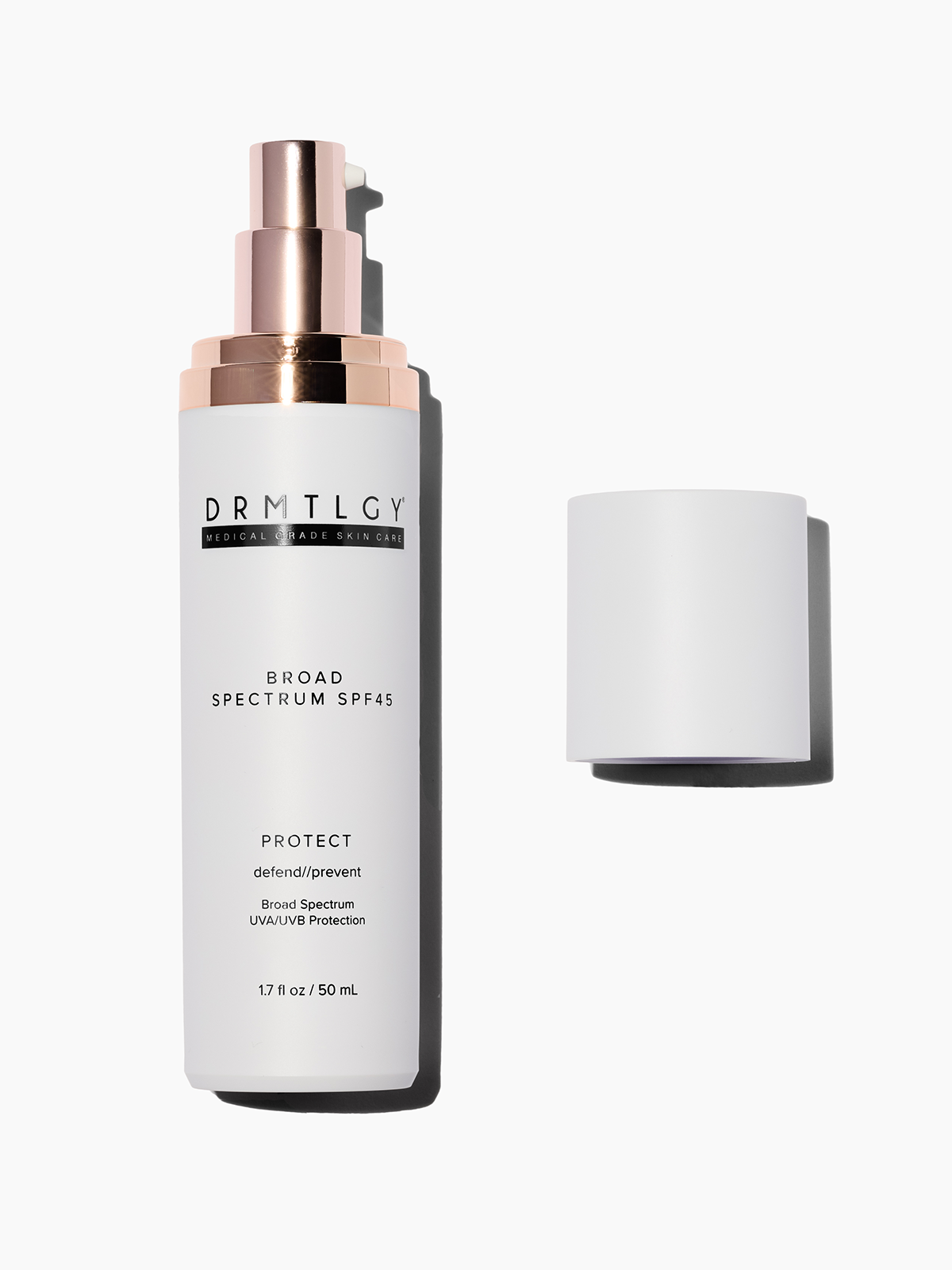
DRMTLGY SmrtSun Broad Spectrum SPF 45 is a lightweight hybrid sunscreen that combines effective UV protection with skincare-focused ingredients for daily anti-aging support. Using a blend of zinc oxide and chemical UV filters, it provides broad-spectrum UVA/UVB protection while maintaining a breathable, non-greasy finish that blends seamlessly into the skin without a white cast.
The formula is enriched with hyaluronic acid to help lock in moisture and keep skin hydrated throughout the day, while niacinamide works to improve the appearance of uneven skin tone and refine overall texture. Knotweed extract, a powerful antioxidant, adds an extra layer of defense against environmental stressors, helping support long-term skin health and resilience.
Designed for everyday wear, it absorbs quickly and layers well under makeup, leaving skin looking smooth, radiant, and naturally refined.
Best for: Lightweight, anti-aging hybrid protection with hydration and tone-evening benefits—ideal for daily use across most skin types
$28 on Amazon $28 on DRMTLGY (Price at Time of Publishing)Chemical Sunscreen (Lightweight Option)
Chemical sunscreens are one of several available options for sun protection, often chosen for their lightweight feel and ease of wear. Chemical sunscreens use lightweight UV filters to absorb UV rays and convert them into heat, offering a lightweight, breathable feel on the skin. They’re known for their smooth application, fast absorption, and invisible finish—making them especially popular for daily wear, hot weather, and layering under makeup.Pros:
- Lightweight and non-greasy
- No white cast
- Easy to reapply throughout the day
Considerations:
- May cause stinging or irritation for some, especially around the eyes
- Not always ideal for very sensitive or rosacea-prone skin
Best for:
Oily or combination skin, active lifestyles, and anyone who prefers a lightweight, invisible sunscreen feel
Supergoop! Glowscreen SPF 40
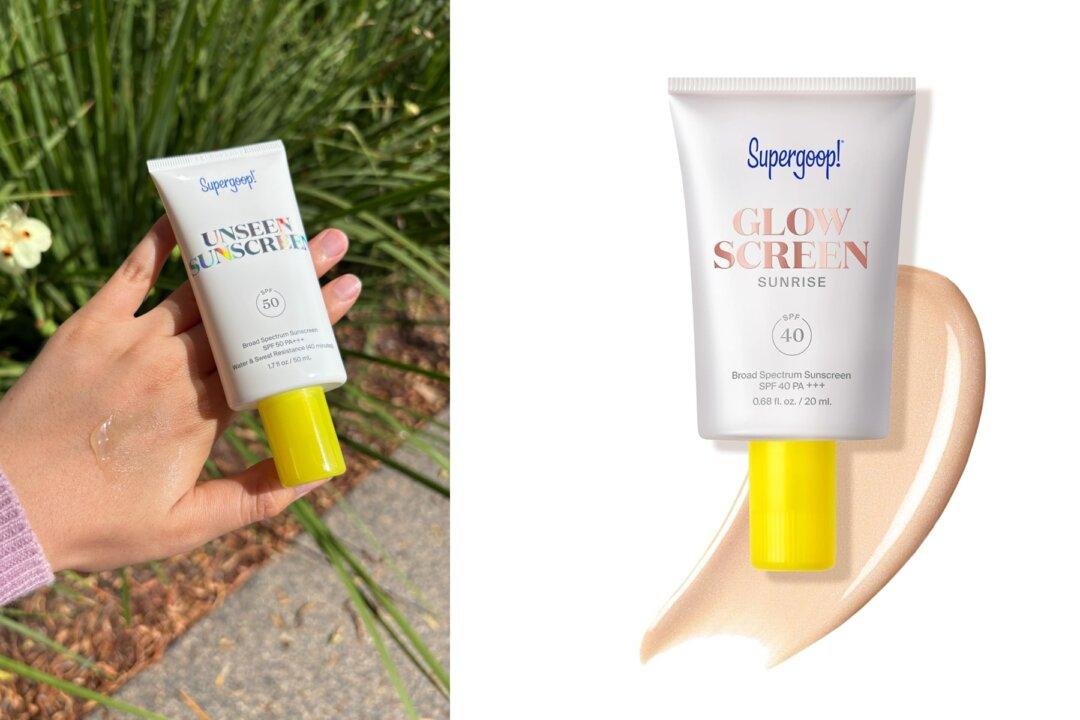
One of our team members tested Supergoop! Glowscreen SPF 40 and found it to be a unique hybrid product that functions as a sunscreen, skincare product, and makeup primer all in one.
Supergoop! Glowscreen SPF 40 uses chemical UV filters to provide broad-spectrum sun protection while incorporating several skincare-focused ingredients. The formula contains hyaluronic acid for hydration, vitamin B5 (panthenol) to help support the skin barrier, and niacinamide to improve the appearance of skin texture and promote a more even-looking complexion. It also includes antioxidant-rich ingredients such as sea lavender and cocoa extract, which help protect against environmental stressors, including blue light exposure.
During testing, our reviewer immediately noticed the texture. It felt exceptionally smooth and silky, similar to a silicone-based makeup primer, such as Smashbox Photo Finish. The sunscreen spread easily across the skin and blended effortlessly without leaving any white cast, making it especially appealing for those who dislike the heavier feel often associated with mineral sunscreens.
The scent was comparable to a typical sunscreen but noticeably milder than many traditional formulas. When applied around the eye area, including the eyelids and under-eye region, our reviewer experienced no noticeable stinging or irritation.
One characteristic that stood out was the finish. Unlike sunscreens that dry down completely, Glowscreen maintained its silky, glide-on feel throughout the day. The formula remained smooth to the touch rather than fully setting, which contributed to its dewy, luminous appearance. While some users may interpret this as slightly slick, our reviewer found it more similar to the feel of a hydrating primer than a greasy sunscreen.
The light-reflecting pigments create a healthy glow that helps brighten the complexion without looking glittery or overly shimmery. For those who prefer minimal makeup, it can easily double as a radiant base on its own.
Best For: Anyone looking for broad-spectrum sun protection with a dewy, radiant finish and added skincare benefits. It works particularly well as a hydrating makeup primer or a no-makeup makeup base.COOLA Organic Face Sunscreen SPF 50

COOLA Organic Face Sunscreen SPF 50 is a lightweight, fast-absorbing formula designed for daily wear with a strong focus on clean, skin-friendly ingredients. Its chemical UV filters provide broad-spectrum protection, while the formula is enriched with antioxidant-rich plant extracts to help defend against free radical damage and support overall skin health.
The blend of hydrating and barrier-supporting ingredients helps maintain moisture without leaving a greasy feel, making it comfortable for all-day wear. Unlike heavier sunscreens, it absorbs quickly and leaves no white cast, allowing it to layer seamlessly under makeup.
Formulated without fragrance, parabens, or gluten, and compliant with reef-safe standards, this sunscreen offers a more mindful approach to daily sun protection. With water resistance up to 80 minutes, it also provides added durability for outdoor use.
Best for: Clean, lightweight daily protection with antioxidant benefits—ideal for sensitive skin and outdoor-friendly wear
$25.60 on Amazon (Price at Time of Publishing)Paula’s Choice RESIST Daily Hydrating Fluid SPF 50
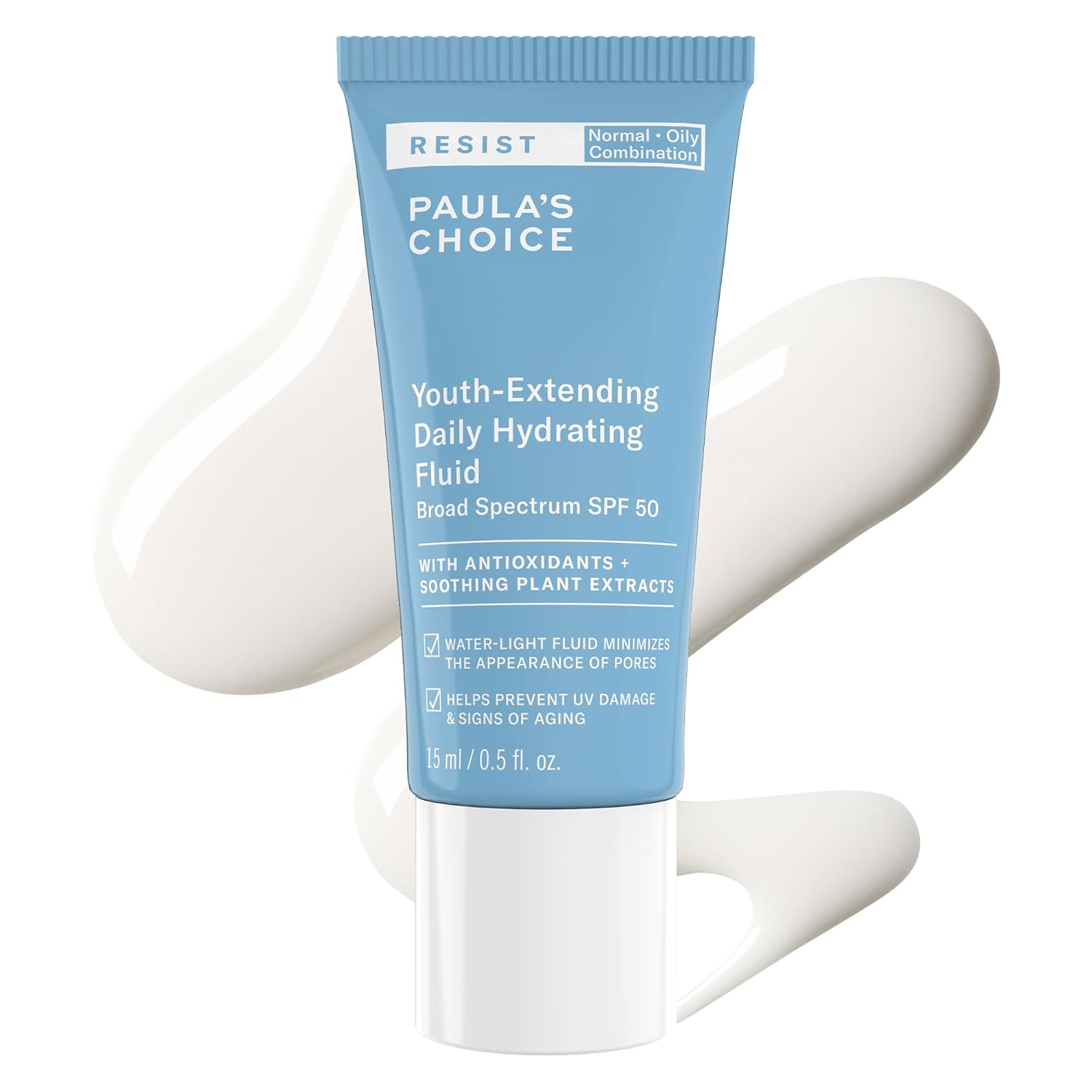
Paula’s Choice RESIST Daily Hydrating Fluid SPF 50 is a lightweight, oil-free sunscreen designed specifically for oily and combination skin. Its chemical UV filters provide broad-spectrum protection, while the formula is enriched with chamomile extract and vitamin E to help soothe the skin and defend against environmental stressors.
A blend of antioxidants works to support the skin barrier and reduce visible signs of aging, while the fluid, water-light texture helps control excess oil without clogging pores. The formula absorbs quickly and leaves a smooth, breathable finish, making it ideal for layering under makeup or wearing comfortably throughout the day.
Fragrance-free and designed for daily use, this sunscreen offers a balance of sun protection and skincare benefits without feeling heavy or greasy.
Best for: Oily or acne-prone skin needing lightweight, oil-controlling sun protection with antioxidant support
$18 on Amazon (Price at Time of Publishing)Sun Protective Clothing Options
Spending time outdoors can sometimes mean longer periods of sun exposure, especially during travel, activities, or daily routines where reapplying sunscreen is not always convenient.
Sun protective clothing offers an alternative way to help reduce direct sun exposure. If you prefer not to apply anything directly to your skin, this can be a simple and comfortable option to consider.
Many options are designed to be breathable, lightweight, and easy to wear throughout the day. Items like wide brim hats, face covers, and lightweight scarves can help provide added coverage while still keeping you comfortable, especially in hot weather or during extended time outdoors.
Fishing Hat for Men & Women, Outdoor UV Sun Protection Wide Brim Hat with Face Cover & Neck Flap

This sun hat is designed to provide extended coverage for outdoor use, combining a wide brim with detachable face and neck flaps to help shield the head, face, and neck from direct sun exposure. The adjustable fit and chin strap help keep it secure and comfortable, even in windy conditions.
Made with lightweight, breathable materials, it features mesh ventilation to help improve airflow and keep you cool during warm weather. The quick drying fabric and packable design make it easy to carry and wear throughout the day, especially for longer periods outdoors.
Best for: Full coverage sun protection for the face, neck, and head during outdoor activities like hiking, fishing, or travel.
$11.69 on Amazon (Price at Time of Publishing)BENEUNDER UV Sun Protection Face Cover / Neck Gaiter Scarf UPF50+

This face cover is designed to provide lightweight sun protection with extended coverage for the face and neck, helping reduce direct UV exposure during outdoor activities. The breathable, skin-friendly fabric feels soft against the skin while maintaining comfort for longer wear.
The airy construction allows for better airflow, helping keep you cool even in hot weather. With its quick-drying and reusable design, it offers a practical option for daily use, whether for commuting, travel, or outdoor activities.
Best for: Lightweight and breathable face and neck coverage for sun protection in hot weather or extended time outdoors.
$14.99 on Amazon (Price at Time of Publishing)Aloe Vera for After-Sun Care
Even with proper sun protection, skin can feel dry or overheated after sun exposure, which is where after sun care comes in.
Aloe-based after-sun care helps calm and hydrate the skin after sun exposure. Aloe vera is known for its soothing, cooling properties, helping reduce heat discomfort while supporting skin recovery.
Many formulas also include hyaluronic acid, glycerin, or antioxidants to replenish moisture and support the skin barrier. The lightweight texture absorbs quickly, making it easy to reapply without feeling heavy.
Seven Minerals Aloe Gel

Seven Minerals Aloe Vera Gel is made from 100% pure aloe vera sourced from freshly cut leaves, helping preserve its natural soothing and hydrating properties for sun-exposed skin.
The formula uses seaweed extract for a smooth, fast-absorbing texture without stickiness. Lightweight and unscented, it helps calm heat discomfort while supporting skin recovery.
Best for: Lightweight, fast-absorbing aloe relief for soothing sun-exposed skin on the go
$9.99 on Amazon (Price at Time of Publishing)Sun Bum Cool Down Aloe Spray

Sun Bum Cool Down Aloe Vera Spray is a lightweight after-sun mist designed to quickly soothe and hydrate sun-exposed skin. Formulated with aloe vera, it helps calm heat discomfort, while vitamin E provides antioxidant support to nourish and soften the skin.
The addition of cucumber extract and tea tree oil enhances the cooling and soothing effect, helping reduce irritation and support skin recovery after sun exposure. The spray format makes it easy to apply without touching sensitive skin, and the non-greasy formula absorbs quickly for a smooth, comfortable finish.
Best for: Easy, no-touch cooling relief with lightweight hydration after sun exposure
$12.49 on Amazon (Price at Time of Publishing)Aloderma Organic Aloe Gel

Aloderma Aloe Vera Gel is made with 96% pure organic aloe vera, processed within hours of harvest to help preserve its natural soothing and hydrating properties. This high concentration of aloe helps calm sun-exposed skin while restoring moisture and balance.
The lightweight, fast-absorbing formula delivers deep hydration without heaviness, making it suitable for use on the face, body, and even scalp. Rich in naturally occurring vitamins and skin-conditioning compounds, aloe vera helps reduce redness, soothe irritation, and support overall skin recovery.
Best for: High-purity, deeply hydrating aloe care for soothing and restoring sun-exposed or dry skin
$12.49 on Amazon (Price at Time of Publishing)Some people also choose to focus on mindful sun exposure, such as avoiding peak UV hours or using protective clothing. That can also be a valid approach depending on your lifestyle.
How to Use Sunscreen Effectively
Even the best sunscreen won’t work if it’s not used correctly. A few simple habits can make a big difference in how well your skin is protected.
- Use enough: Apply about a nickel-sized amount (around 1 gram) to your face and neck. Too little reduces protection significantly.
- Reapply regularly: No matter the SPF, reapply every 2–3 hours—especially after sweating, swimming, or prolonged sun exposure.
- Don’t forget UVA protection: Look beyond SPF and choose a broad-spectrum sunscreen, which protects against both UVB (sunburn) and UVA (skin aging).
For added convenience, tools like UV detection stickers can help remind you when it’s time to reapply by changing color as your protection fades.