U.S. President Donald Trump has downplayed concerns about Beijing’s support for Iran, suggesting the communist regime’s backing might be limited.
“I think maybe helping, but I don’t think much,” Trump told Fox News on April 26 when asked about China’s aid to Iran. “I think China could have been much worse than they’ve been, so I don’t consider them having been very bad.”
As Tehran’s top oil customer and largest trading partner, Beijing has attracted international attention for its possible behind-the-scenes involvement in the Middle East conflicts.
In an interview aired on April 21, Trump said the United States had used the ceasefire window to replenish its munitions stocks and that Iran might have also “done a little bit of restocking,” before hinting that Beijing might have been involved in Iran’s replenishing efforts.
“We caught a ship yesterday that had some things on it, which wasn’t very nice—a gift from China, perhaps. I don’t know,” Trump told CNBC. “I thought I had an understanding with President Xi. But that’s all right. That’s the way war goes, right?”
“As far as I know, the seized vessel is a foreign container ship,” Chinese foreign ministry spokesman Guo Jiakun said at a regular briefing earlier on April 21. “China rejects any false association and speculation.”
Guo was responding to a reporter’s question regarding a comment from former U.S. Ambassador to the United Nations Nikki Haley, who linked the Iranian ship to “chemical shipments for missiles.” Haley, who now works at the Hudson Institute, a conservative think tank, called the ship another reminder that Beijing helps “prop up Iran’s regime—a reality that can’t be ignored,” according to an April 20 post on X.
When asked about Trump’s comments at the next day’s briefing, Guo said he had already made Beijing’s position clear. He didn’t say what the ship was carrying, stating only that China has been “a role model” in fulfilling its international obligations.
Decades of Weapons Transfer
The arms trade between Beijing and Tehran dates back decades to Iran’s war with Iraq. By 1983, Beijing had already emerged as Iran’s top weapons supplier, second only to North Korea, selling at least $444 million worth of munitions, tanks, radar, and other support equipment, according to the CIA’s assessment.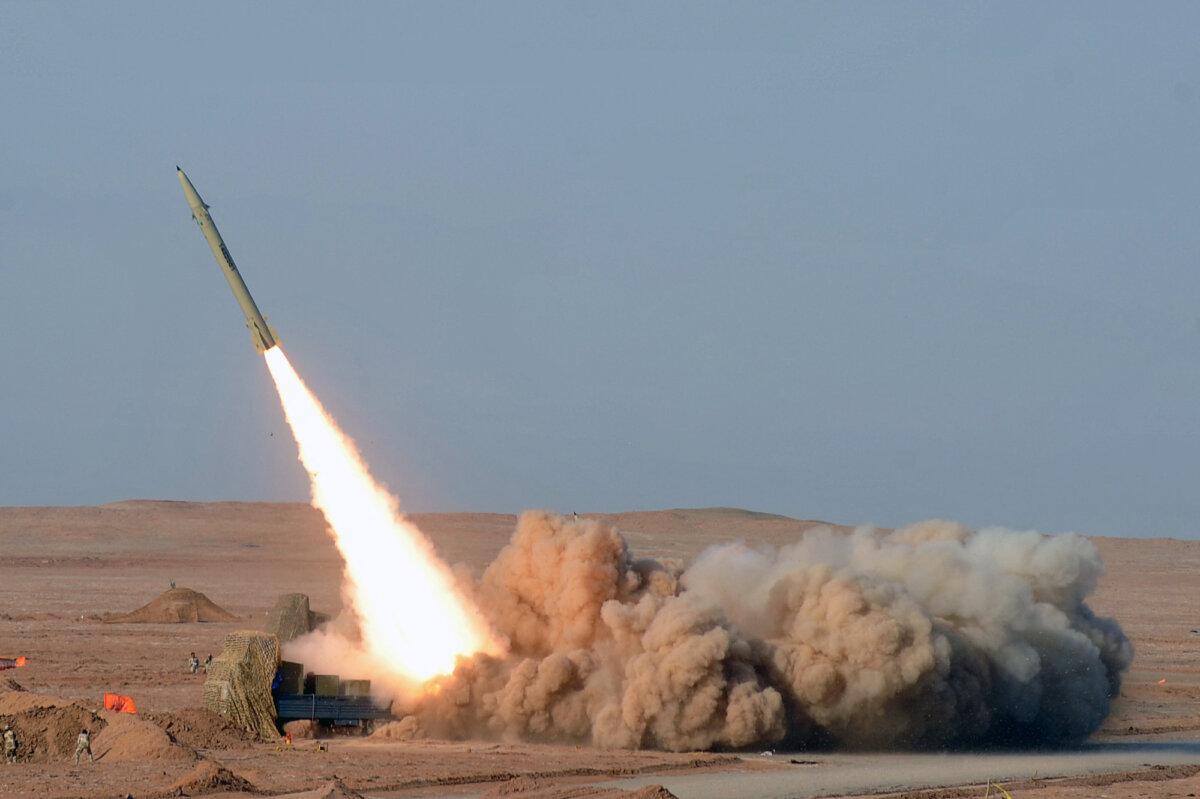
Beijing’s ‘Ambivalent’ Position
In addition to security assistance, Beijing is Iran’s largest trading partner and provides diplomatic support to the isolated Middle East nation.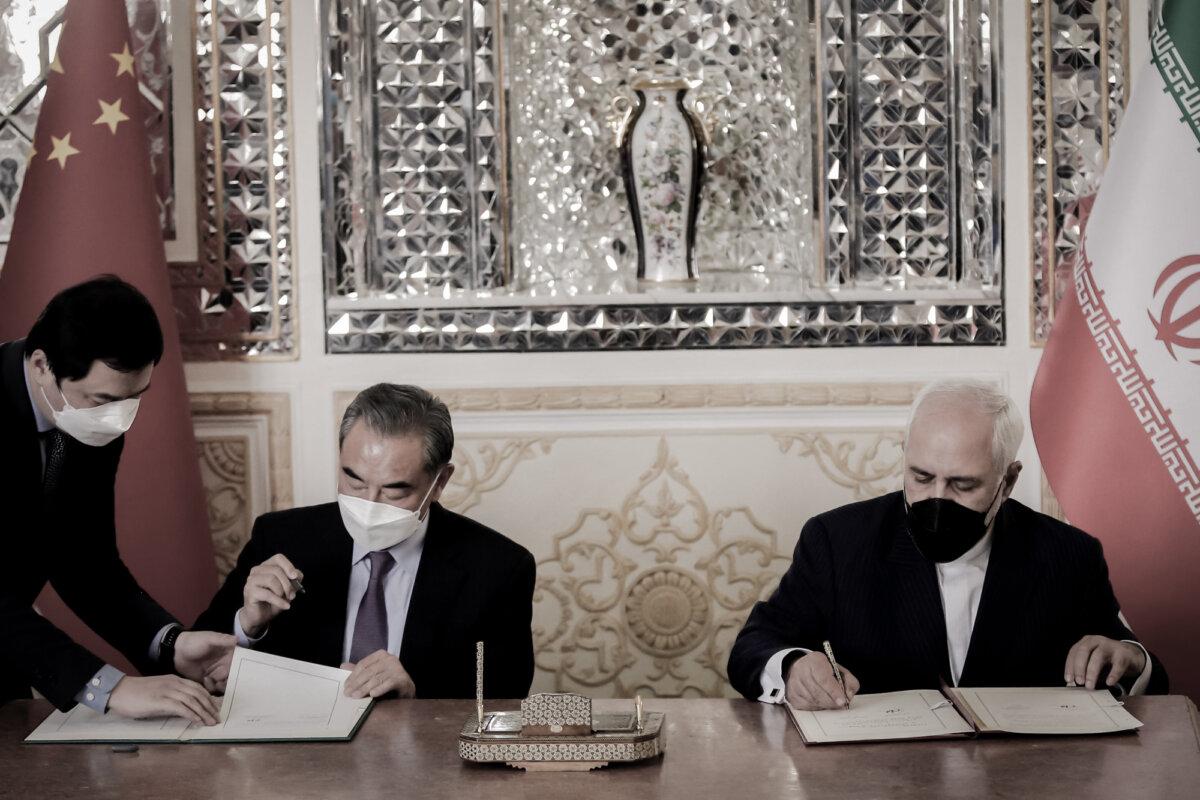
Compared with Pyongyang and Moscow, Tehran holds less importance for China, partly due to geographical distance, according to Bonny Lin, director of the China Power Project at the Center for Strategic and International Studies.
She told a March webinar that she expected China would back Iran rhetorically and politically, but not with much direct military support.
“We would continue to see China supporting Iran in the same way that China has been supporting Russia economically, continue to purchase oil from Iran, providing dual-use supplies when necessary, but no real significant military aid or significant support in terms of Iran’s war efforts,” Lin said.
Cheng, of Tamkang University, described Beijing’s position in the Middle East conflicts as “ambivalent.”
Leverage for Summit
Trump said earlier this month that Xi had assured him that China wouldn’t give Tehran weapons. It came after he explicitly warned of an additional 50 percent U.S. tariff if the CCP arms Tehran. The Treasury Department also sent letters to two Chinese banks, threatening secondary sanctions for any support to Iran.Analysts say Trump’s revelation of Beijing’s potential aid to Tehran is likely part of the president’s strategy to strengthen his position before sitting down with Xi next month.
“Trump may already have evidence that could be used to exert leverage during negotiations at their upcoming summit,” said Hsieh Pei-shiue, a geopolitics expert with the Institute for National Defense and Security Research, a Taiwanese military-funded think tank.
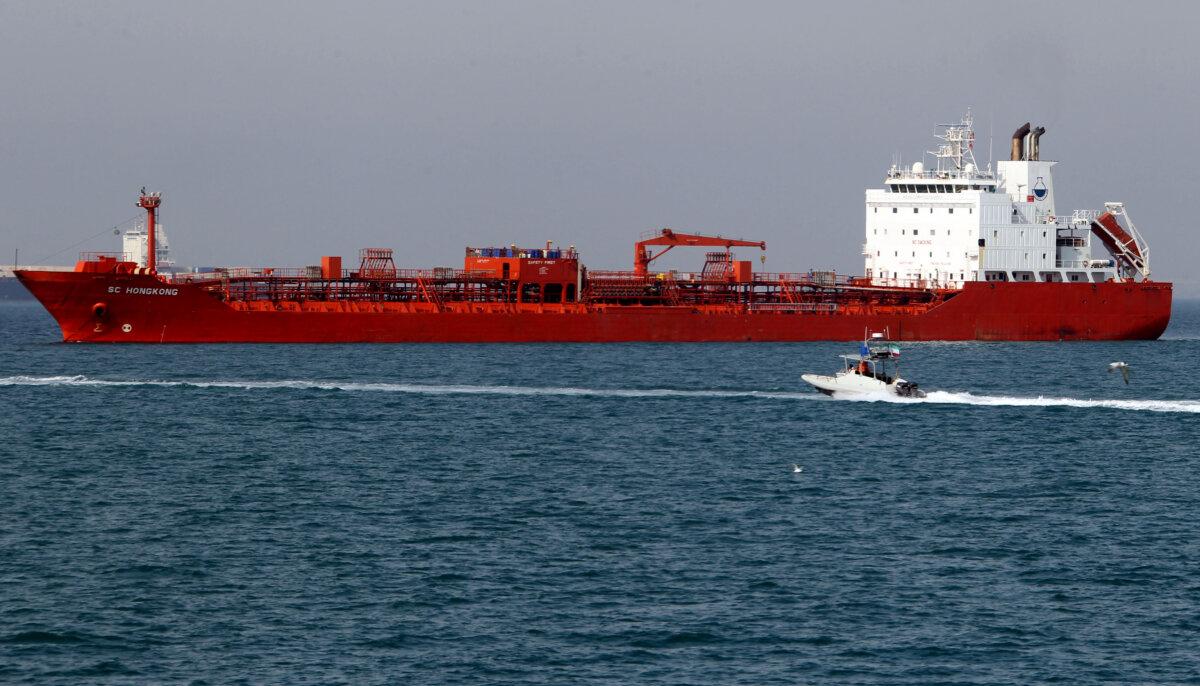
The ongoing standoff over the Strait of Hormuz is testing Beijing’s balancing act, according to Hsieh.
“Beijing is walking on a dangerous tightrope: using Iran to keep the United States in check while avoiding triggering a full-scale American retaliation, through economic and trade sanctions,” Hsieh told The Epoch Times.
“The U.S. interception of a cargo ship could be the final straw that breaks this delicate balance.”