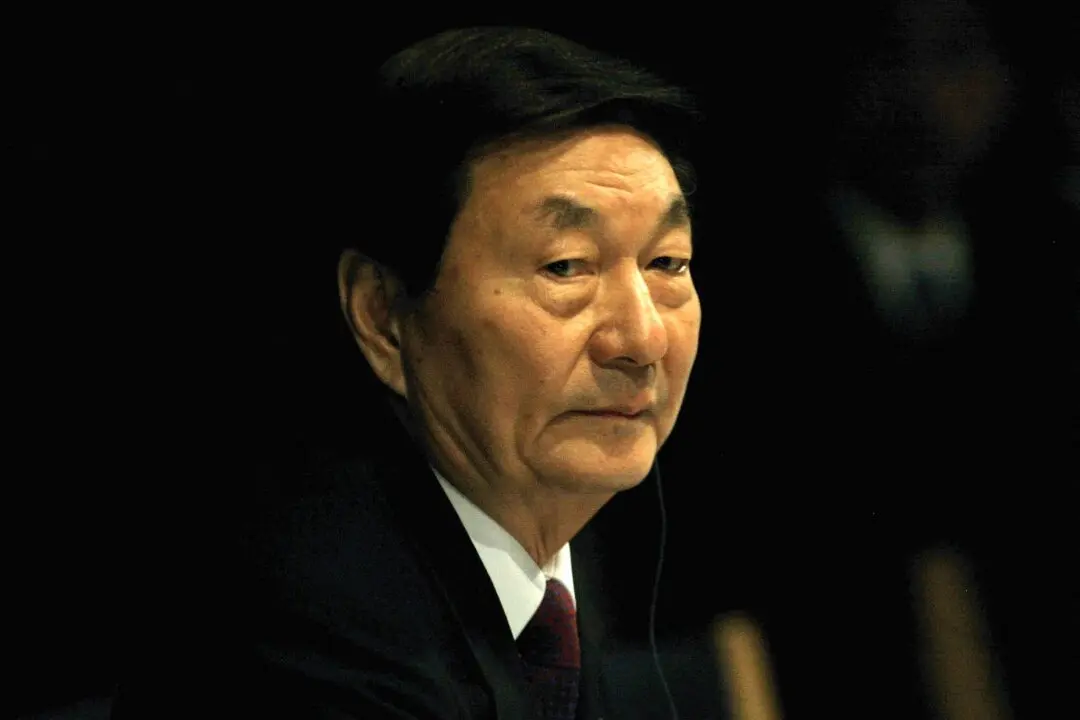
U.S. Secretary of State Marco Rubio said on Wednesday that he spoke with his Chinese counterpart about Xi Jinping’s upcoming visit to Washington, U.S. citizens detained in China, and trade and investment cooperation.
“We talked a lot about the visit in September, and that was really the gist of it,” Rubio told reporters after a meeting with Chinese Foreign Minister Wang Yi in Manila, in which top diplomats attended a gathering hosted by the Association of Southeast Asian Nations (ASEAN).
Rubio said the sit-down was intended to lay “the groundwork for another positive visit.”
Rubio said the CCP’s alleged actions did not come up during his meeting with Wang.
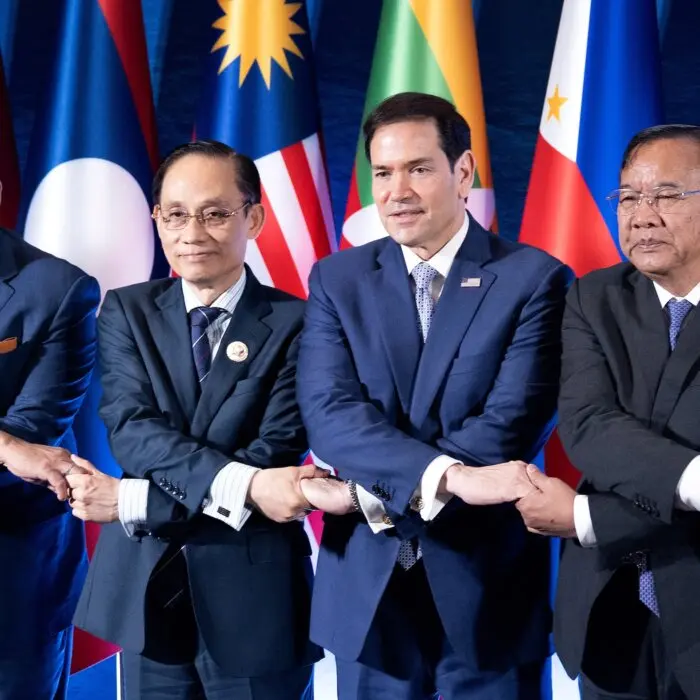
While acknowledging “great differences” between Beijing and Washington, Rubio noted their jobs are to manage these differences “so that they never get out of control.”
“We’re obviously going to always defend our national interest,” Rubio told reporters.
“And I expect they'll do the same as they define it, but I think there are some areas of potential cooperation.”
Americans Detained in China
Rubio confirmed he also raised the plight of U.S. citizens detained by the CCP, including Chen Youlin, an American seismologist who has been held in the country for two years without trial.
“We always raise the case of Americans. We do so outside of these meetings as well,” Rubio said when asked about Chen and U Min Zin, another U.S. citizen detained by the Chinese authorities.

When asked whether he expected China to release the two men ahead of the leaders’ September meeting, Rubio replied, “We want them to.”
He added, “Those are always a priority, and we’ve had good news in the past, and hope to have some good news in the future.”
Trade
Rubio said that Washington and Beijing are moving toward establishing the boards of trade and investment—mechanisms to manage the trade, investment, and related issues that both sides agreed to implement during Trump’s visit to Beijing in mid-May.
“I think that’s one of the potential concrete deliverables that we can have before September when that visit happens,” Rubio said.
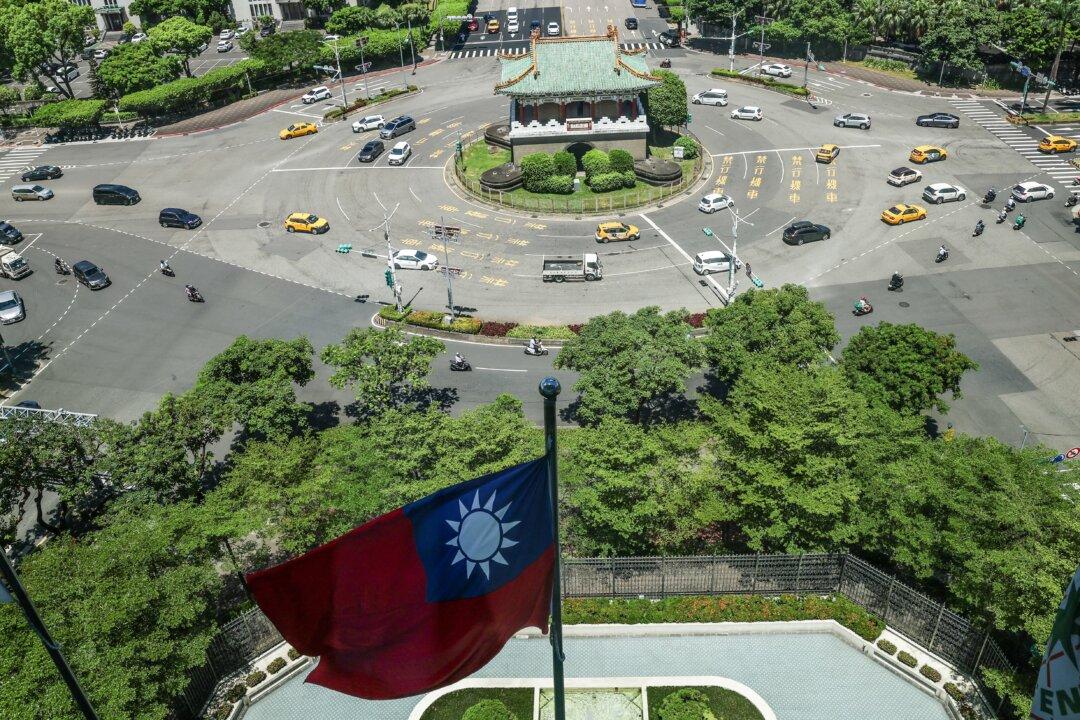
South China Sea, Taiwan
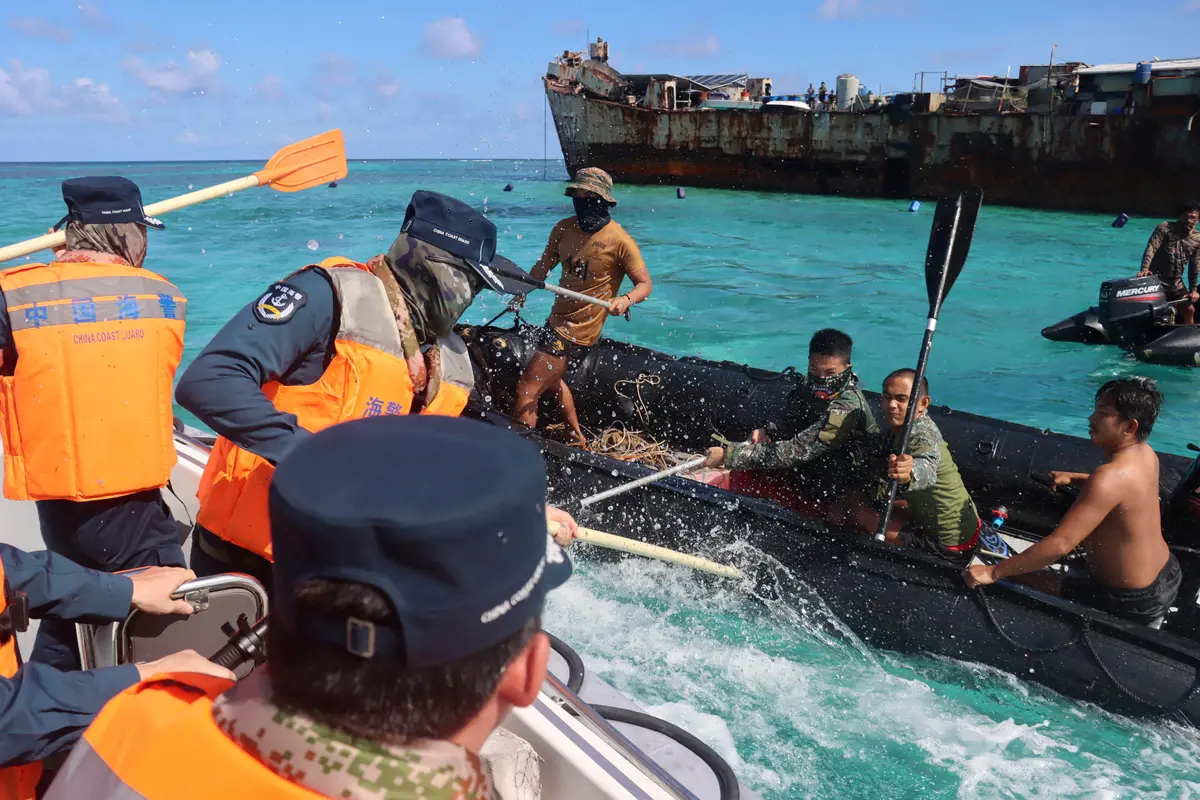
When asked about the South China Sea incident, Rubio said it was an “escalatory” action that benefits no one.
“We’ve reiterated in every meeting we’ve had that the U.S. has a treaty arrangement with the Philippines,” he said. “We intend to live up to our treaty obligations, and I think we’ve done so, and will continue to do so.”
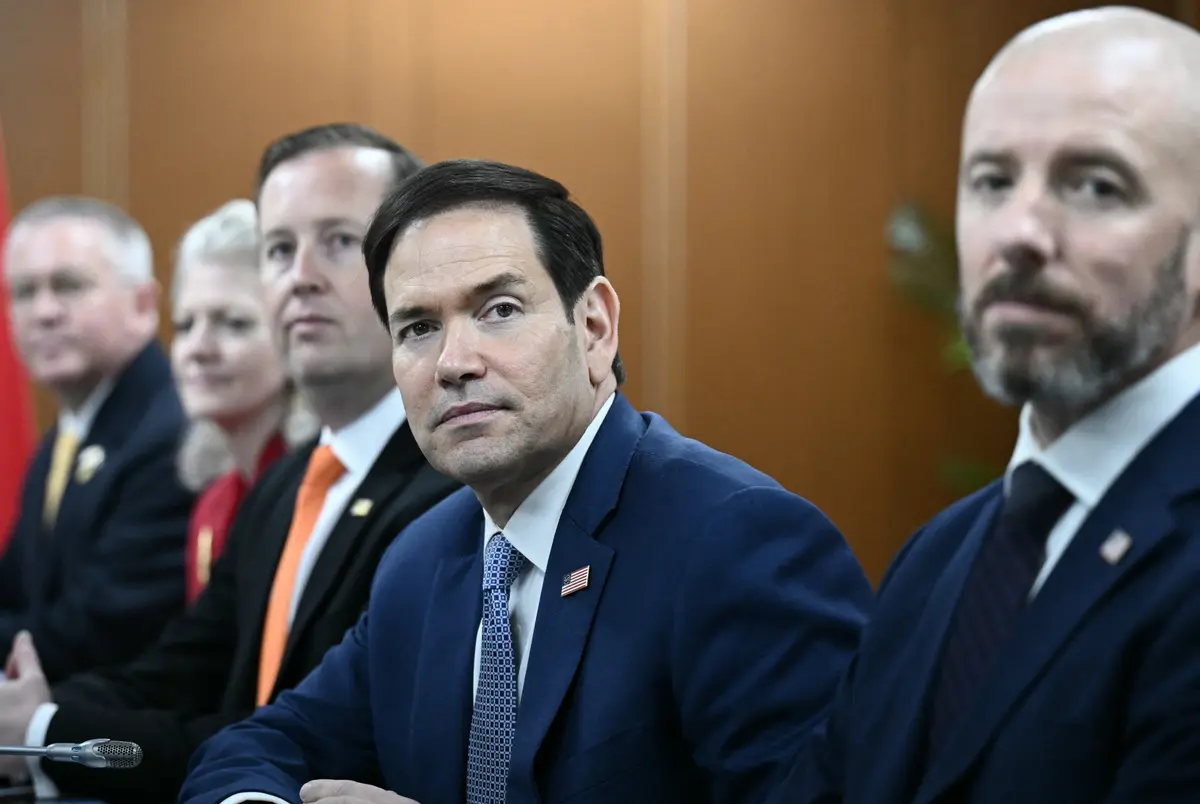
Earlier on Wednesday, Rubio sat down with foreign ministers of the Quad group—comprising the United States, Australia, India and Japan—in the Philippine capital, where they discussed the nations’ shared priorities of maritime and transnational security, economic security, emerging technologies, humanitarian assistance, and emergency response.
In a joint statement issued following the meeting, the ministers reaffirmed commitment to “strengthening a free and open Indo-Pacific” and their “unwavering support for ASEAN unity and centrality.”
“We are united in our conviction that peace and stability in the Indo-Pacific maritime domain underpin the security and prosperity of the region,” they said.