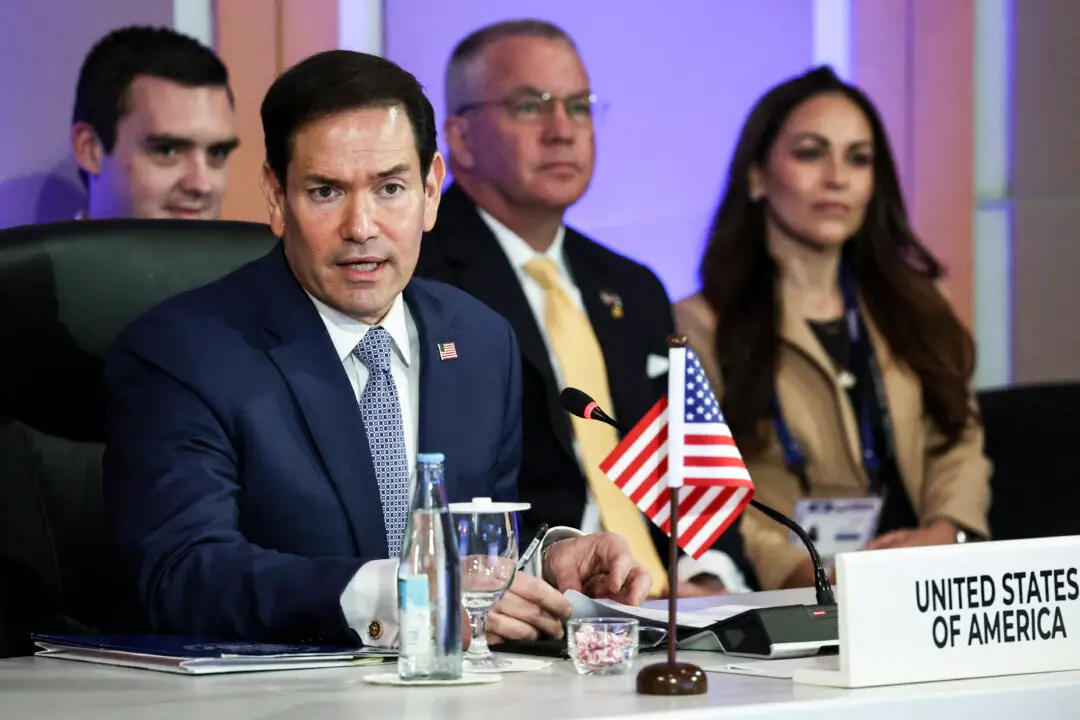
U.S. Secretary of State Marco Rubio said on Thursday that Washington has no plans to lift Hong Kong-related sanctions, even though Chinese officials had brought up the issue during a bilateral meeting a day before.
Speaking to reporters in the Philippines’ capital of Manila, Rubio rejected the view that the Trump administration eased sanctions on Hong Kong by letting one legal basis for the restrictions expire.
“A significant number of individuals in Hong Kong that remain sanctioned that were not covered by the executive order,” Rubio explained. “And that remains in place.”
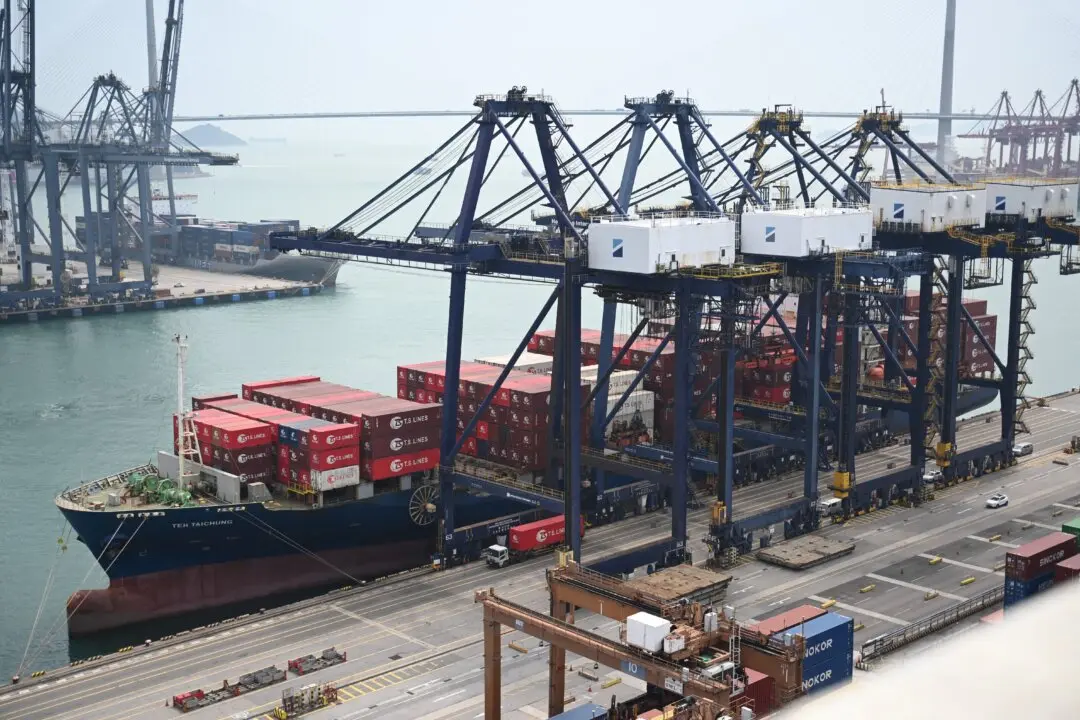
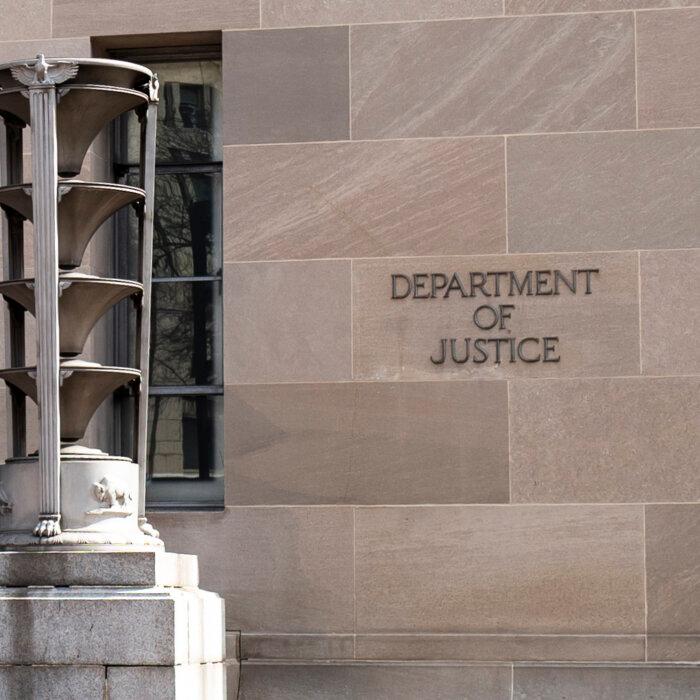
The U.S. Treasury’s Office of Foreign Assets Control last week announced that the president’s Executive Order on Hong Kong Normalization has expired. Signed by President Donald Trump in 2020 during his first term, the executive order declared a state of national emergency in Hong Kong, in response to a draconian national security law Beijing imposed on the former British colony.
Rubio, speaking at the briefing in Manila, linked the lapse of the 2020 measures to a change in judgment of the circumstances behind the decision.
“It wasn’t easing of sanctions,” Rubio said, adding that “the circumstances had changed in the president’s judgment.”
A Treasury spokesperson said at the time that the president didn’t renew the emergency declaration because it had “significant overlap” with a different Hong Kong-related act. The spokesperson noted that sanctions on 39 of the 48 individuals affected by the expiration remain in place.
The State Department also clarified that the president “allowed the national emergency to end,” but the executive order “otherwise remains in effect.”
The spokesperson added that the United States will continue to “hold individuals accountable for undermining Hong Kong’s autonomy.”
In its latest annual report released in April, the State Department assessed that the Chinese and Hong Kong authorities have systematically eroded Hong Kong’s political autonomy and suppressed civilian rights and freedoms, including through the enforcement of two national security laws and engagement in “transnational repression of U.S. citizens.”