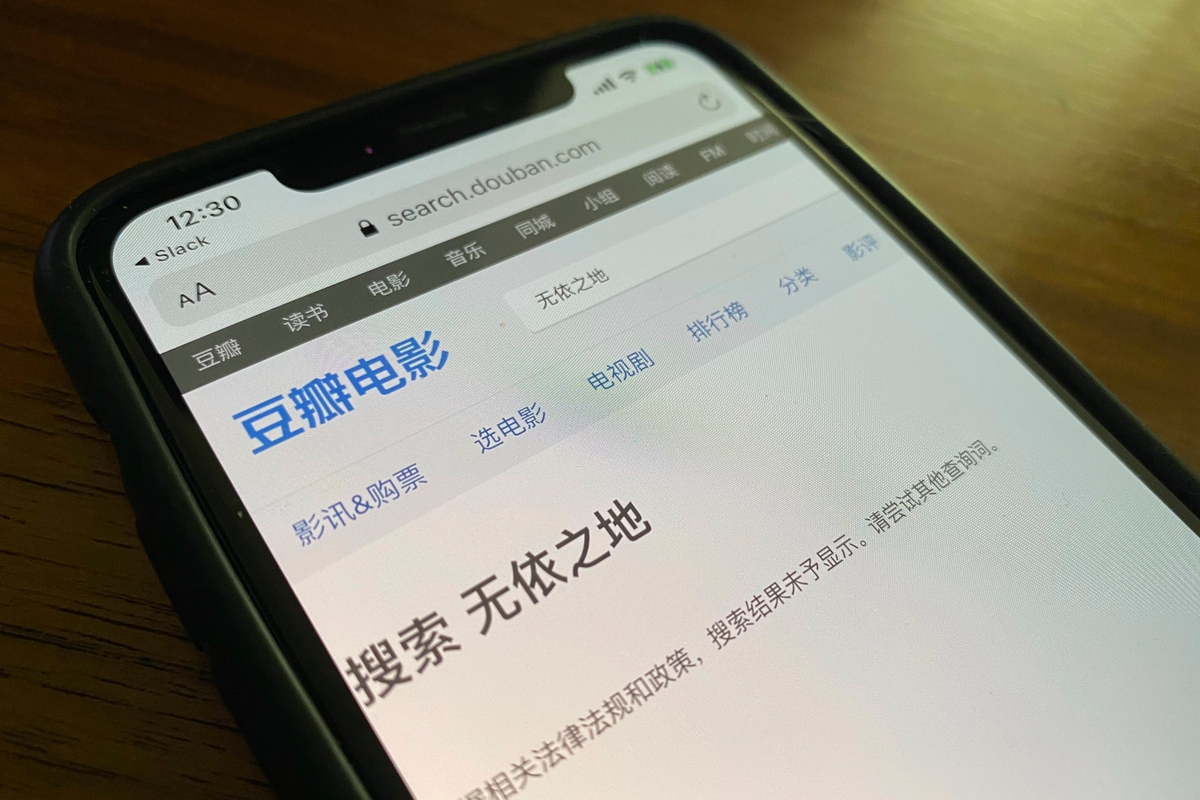

Some of the hidden inner workings of Beijing’s machine of internet censorship have been revealed in a rare leak of internal directives.
The materials show the Chinese regime’s regulators and security agencies ordering platforms to remove or block content and to report detailed compliance data on a fixed schedule.
The documents—718 censorship directives sent to video platform Le.com between March 2017 and March 2020—were published on June 22 by the California-based China Digital Times, which archives and analyzes China’s internet controls.
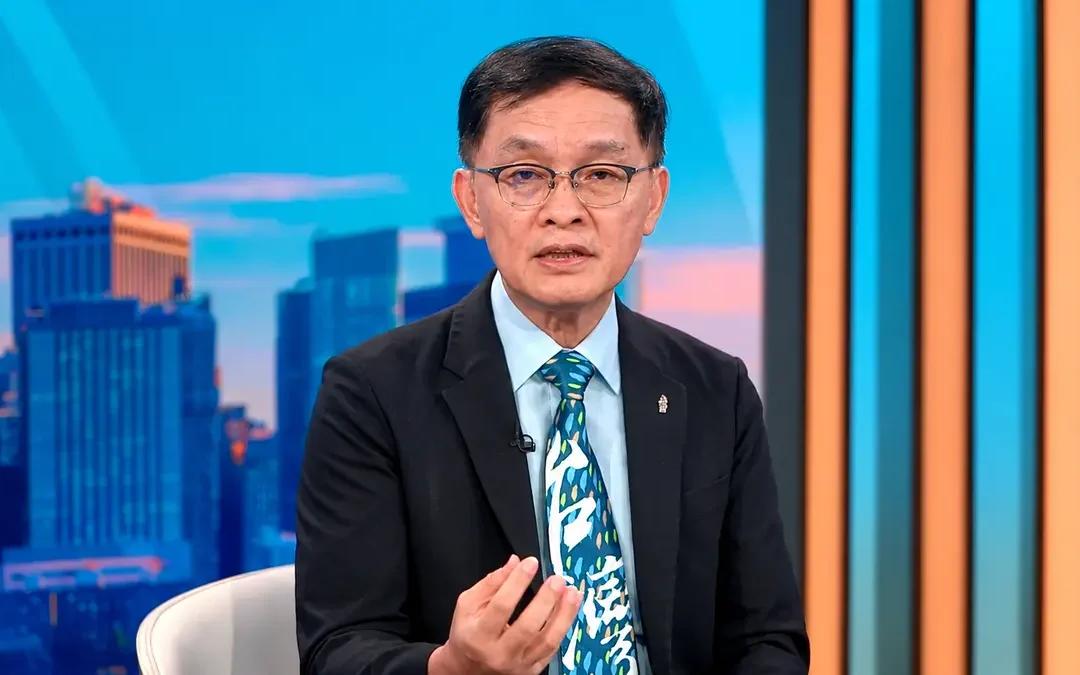
A China-based observer of online censorship told The Epoch Times that the documents show censorship in China is not ad hoc but under a highly structured, precise bureaucracy.
“This is not just random post-deletion,” he said, on condition of anonymity out of fear of reprisal. “It shows a complete workflow. Once an order is issued, platforms execute it precisely, report numbers, and submit samples.
“In practice, these platforms function as outsourced censorship departments of the state.”
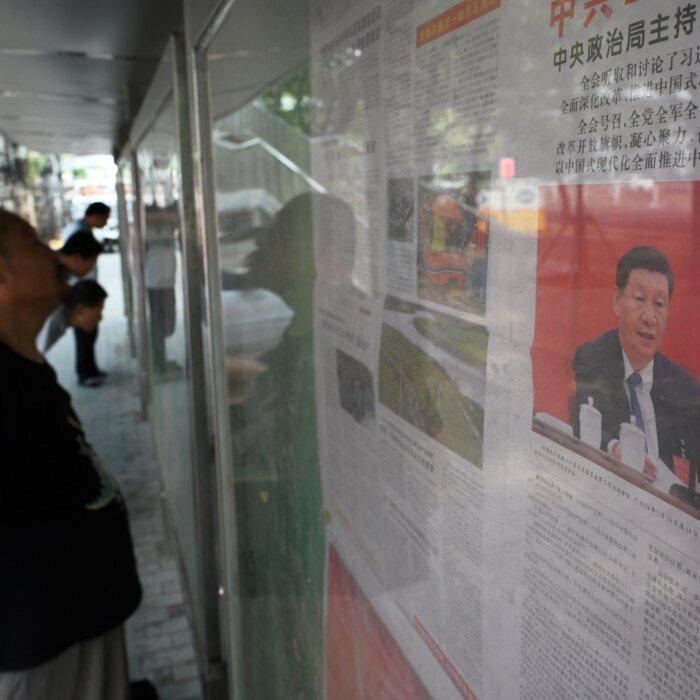

It’s difficult to obtain direct insights into the internet censorship system—called the Great Firewall—of the Chinese Communist Party (CCP) due to strict controls. The CCP began setting up the Great Firewall in 1998 to control what could and could not be seen on the internet in the country. The firewall bans major websites and social media platforms, including Google, Facebook, YouTube, and Yahoo.
The leaked directives cover a range of topics, including the dissemination of COVID-19 information, references to the CCP elites, ethnic and religious issues, foreign affairs, Hong Kong’s pro-democracy protests, public health incidents, social activism, and other censored topics.
The Epoch Times could not independently verify the authenticity of the directives.
System of ‘Deletion and Filtering’
The directives required platforms to both delete published content and filter content before it could appear publicly.
Platforms were also instructed to submit regular reports, often summarizing the previous 24 hours of moderation activity. These reports included statistical breakdowns of deleted or blocked content, along with selected “representative samples” and standardized tables.
The directives were archived by China Digital Times in a database called “China Digital Space,” where each order is cataloged by date and labeled as “Le.com directive + date.”
A significant portion of the censorship instructions focused on content related to CCP leader Xi Jinping.
Censorship categories included Xi’s health, education, wealth, personal lifestyle, and family members, as well as commentary linking him to policy decisions, personnel changes, foreign visits, or current events.
The directives also explicitly targeted foreign-originated reports and republished overseas commentary.
A former employee at a Chinese online platform told The Epoch Times that such classification systems reflect how censorship is implemented jointly by regulators and platform-level moderation teams.
“Every day, there were new banned terms added to the database,” she said, speaking on condition of anonymity out of fear of reprisal. “If your article triggered them, it wouldn’t pass review. The biggest fear was being directly flagged by the internet regulators.”
Early Narrative Control of COVID-19
The documents also include directives from the early stages of the COVID-19 outbreak in Wuhan.
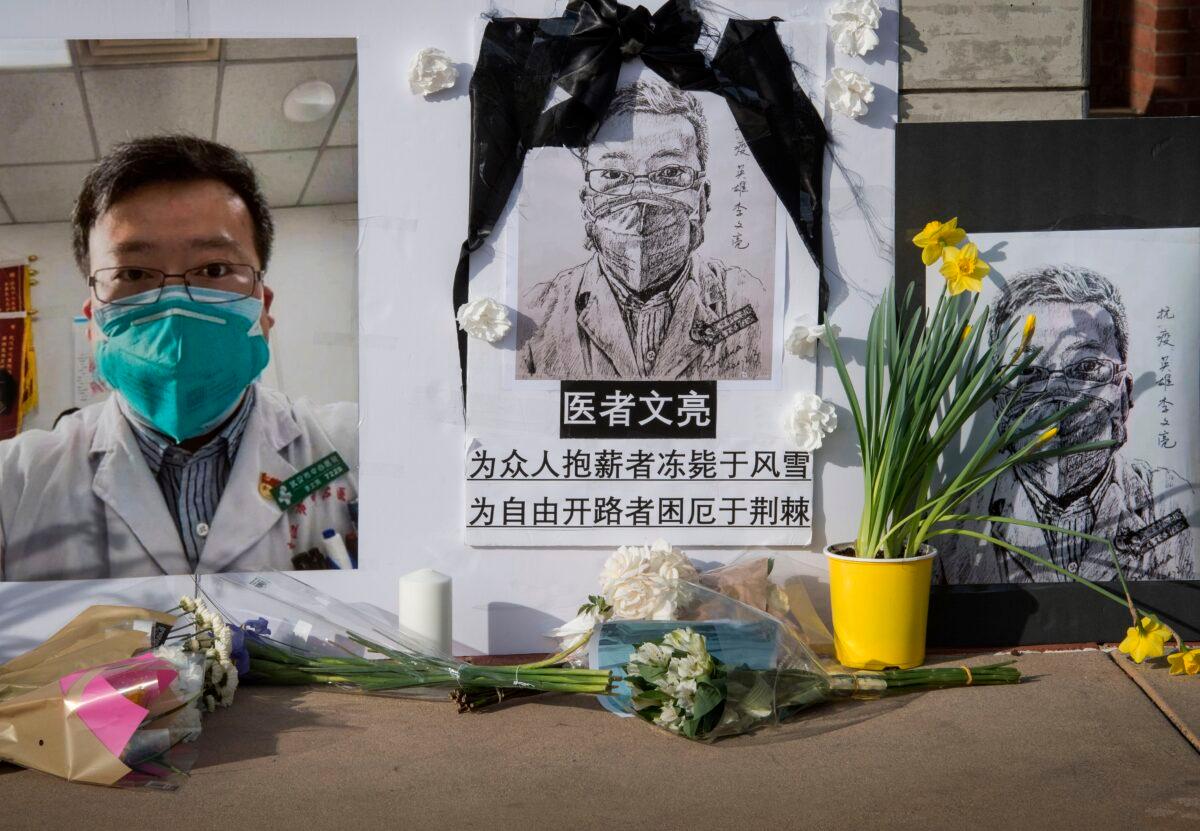
A Jan. 2, 2020, directive referenced reports of an “unknown pneumonia” in Wuhan and instructed platforms to rely only on official sources and avoid speculation. A later directive in February instructed media not to use the term “whistleblower.”
A Chinese professor currently based in the United States told The Epoch Times that the early COVID-19 directives show what the CCP cared about most at the time.
“The first reaction was not transparency—it was controlling the narrative,” he said, on the condition of anonymity out of fear of reprisal. “Even the term ‘whistleblower’ became sensitive after the Li Wenliang case because it resonated with the public.”
Dr. Li Wenliang died of COVID-19 in February 2020, days after he was arrested by Chinese police for warning the public about a “SARS-like” outbreak.
Other Censored Topics
Other topics flagged for removal or filtering included rumors about Chinese Foreign Minister Wang Yi owning property in Canada, commentary on the case of Huawei executive Meng Wanzhou, and satirical content about North Korean leader Kim Jong Un.
Platforms were also required to track user engagement metrics, including article views, comments, deletion rates, and the number of “negative information.”
In Tibet-related moderation instructions, content was divided into categories such as rumors, separatism, religious extremism, criticism of foreign media, and illegal gatherings. The directives also explicitly targeted the dissemination of VPNs and other circumvention tools, as well as instructions on their use.
Similar rules were applied to Xinjiang-related content, in which the regime ordered the removal of information that promoted or shared methods to bypass internet restrictions.
In recent months, the Chinese regime has intensified its online censorship, aiming to prevent access to foreign websites and content.
Sun Chen contributed to this report.