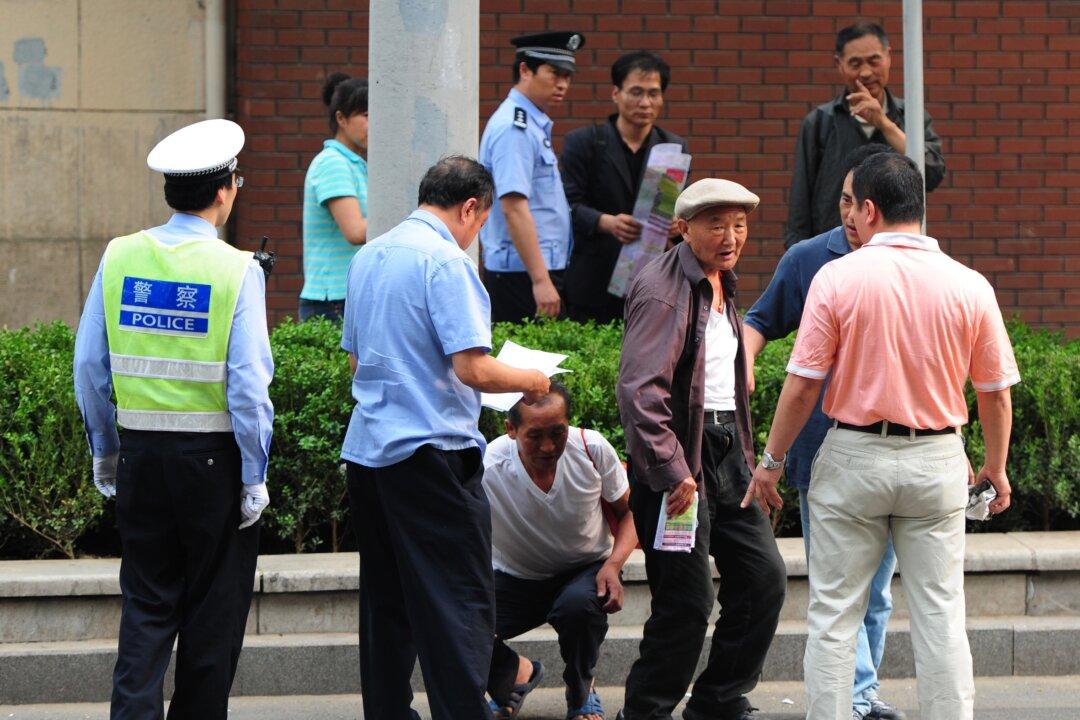
Ding Haifeng, who previously worked for a company under a coal-mining group in Xiangyuan County, Changzhi city, told the Chinese edition of The Epoch Times on May 26 that the use of two sets of drawings and two monitoring systems was tied to both company profit motives and weak supervision.
“Companies study how to deal with the authorities and maximize profits,” Ding said.
He said fully following safety requirements over the long term would raise costs, while some grassroots inspections rely on records, forms, and ledgers provided by the company rather than direct underground verification. Ding said that kind of inspection culture allows concealed production to continue for long periods.
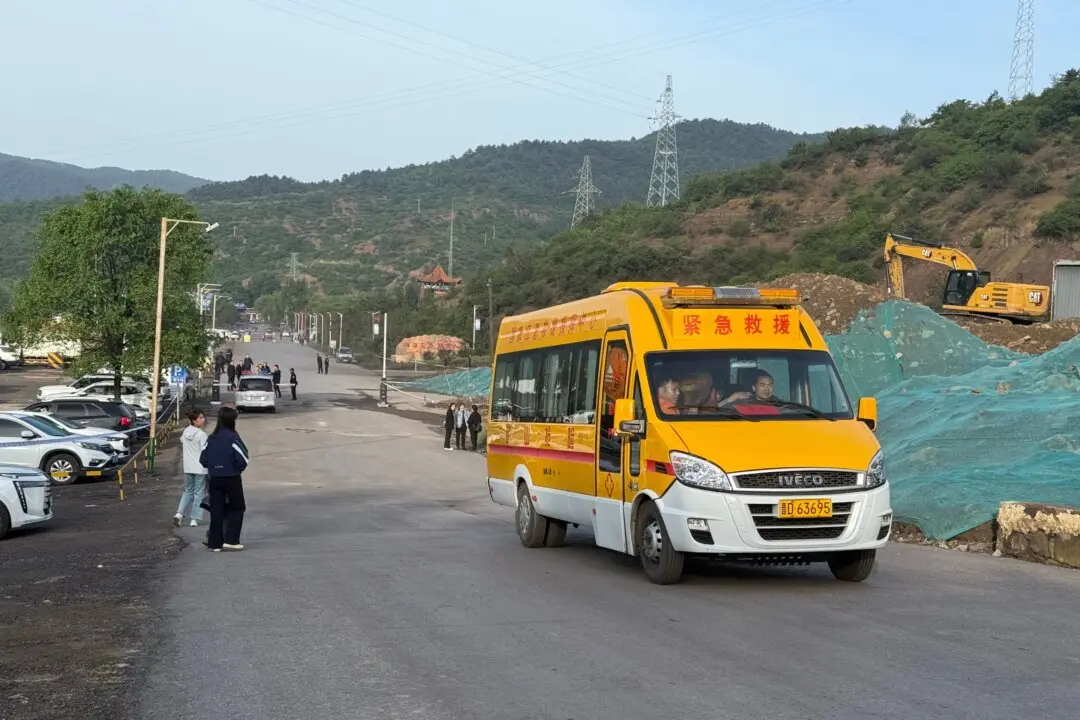
The May 22 gas explosion at the Liushenyu coal mine in Qinyuan County killed 82 people, left two missing, and sent 128 people to the hospital, according to a brief county announcement on May 23. There has been no official update since then. The county’s website then reposted a Shanxi Daily article on May 25 highlighting “well-organized” rescue work and emergency response, without any update on victims.
Hidden Work Areas
The Epoch Times earlier reported that later accounts described false maps, hidden work areas, missing worker-tracking cards, subcontracted labor, and earlier penalties at Liushenyu.
Ding said those problems fit what he had seen in China’s coal industry. He said companies can maintain one set of records for inspections while using another set to guide actual production underground. Workers may be sent into areas or conditions that are not reflected in the materials shown to regulators, he said.
Tracking Cards and Missing Workers
The tracking-card failure has become one of the clearest examples of how the mine’s safety system broke down.Penalties Too Small to Deter
Ding said penalties often fail to deter illegal production because the fines are too small compared with the money a mine can make by continuing output.Liushenyu had received six administrative penalties since 2017, totaling 515,800 yuan (about $76,000), with five of those penalties occurring in the past five years, the Chinese edition of The Epoch Times reported, citing data from Chinese business data platform Tianyancha.
Specifically, the mine was fined 20,000 yuan (about $3,000) in December 2025 over problems involving an emergency-stop protection line on a passenger device and broken roof support measures. It was fined 30,000 yuan (about $4,400) in July 2025 after some workers entered the mine without reflective-marked work clothes.
Questions Beyond One Mine
Ding said the problems exposed at Liushenyu should not be viewed as isolated to one operator. He described hidden maps, concealed work areas, and inspection evasion as part of a wider environment shaped by production pressure, weak supervision, and low violation costs.A man identified only as Zeng, who had lived and worked in Shanxi for years, told the Chinese edition of The Epoch Times that public attention and anger initially focused on Tongzhou Group, the company that operates the Liushenyu coal mine, but later shifted to regulatory failure.
He said the public and media were asking why fines were too small to deter violations, why a mine listed as a serious-disaster mine could still maintain safety-standard credentials, and why stationed safety supervisors did not serve as an effective final line of defense.