Doctors should warn patients that traveling to China for an organ transplant could result in another person being killed, medical and legal experts said during a July 21 forum on Capitol Hill.
“Every transplant patient should be told by the doctor who’s dealing with them that if you go abroad for a transplant to China, someone may be killed for their organs for that transplant,” Canadian human-rights lawyer David Matas said while joining the discussion remotely.
Matas said physicians do not need to wait for legislation before giving that warning, and medical societies could incorporate it into professional ethics rules.
The speakers urged governments and medical institutions to combine criminal penalties, transplant tourism restrictions, professional education, patient warnings, sanctions, and international coordination in response to forced organ harvesting attributed to the Chinese regime.
Warning Patients Before They Travel

Matas said transplant candidates often do not closely follow evidence concerning China’s organ transplant system and may not know the potential source of an organ offered on unusually short notice.
“People with morals will think twice about going to China once they’ve heard that,” he said.
Doctors would still provide follow-up care after a patient returned, Matas said. But in jurisdictions that criminalize participation in transplant abuse, physicians could also be required to report the case to authorities.
The warnings could be adopted by transplant associations regardless of whether a national law is in place, he said.
Centurion, associate director of medical affairs at Doctors Against Forced Organ Harvesting (DAFOH), said education should extend to medical students, physicians, transplant societies, licensing boards, professional associations, governments, and the public.
He said ethics training on forced organ harvesting could be incorporated into continuing medical education courses required by physicians.
Centurion said China’s censorship and refusal to permit independent scrutiny have made it difficult to obtain the type of access that would ordinarily be expected in a criminal investigation.
“The pursuit of perfect evidence must never become an excuse for moral paralysis,” he said.
Abuses Spanning Decades
Falun Gong, also known as Falun Dafa, is a spiritual discipline and meditation practice based on the principles of truthfulness, compassion, and tolerance. The practice was first introduced to the public in 1992 and quickly grew in popularity to reach an estimated 70 million to 100 million practitioners by the decade’s end.
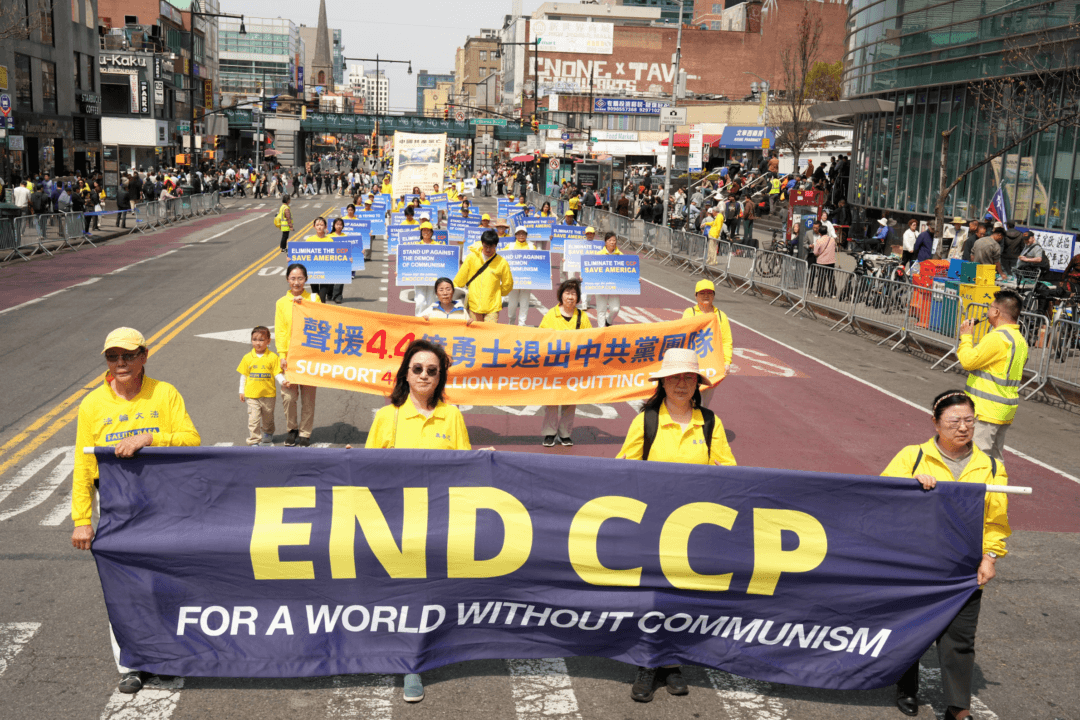
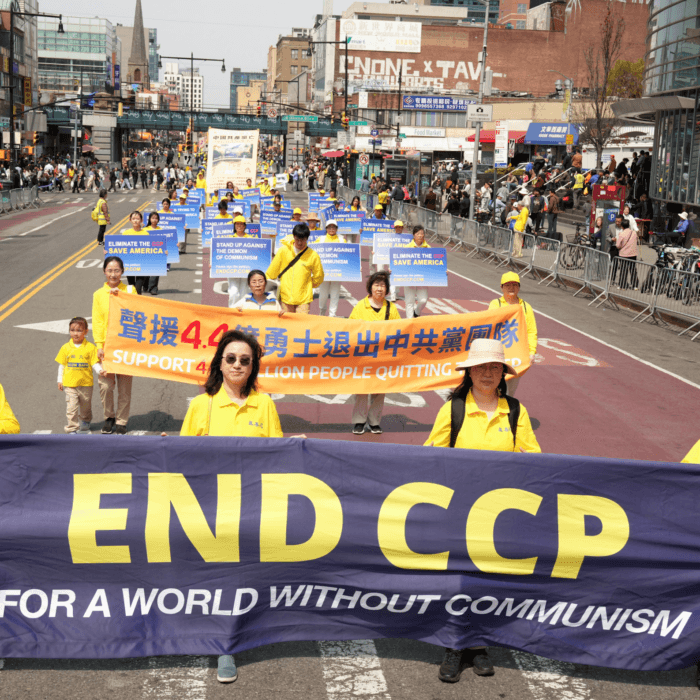
In July 1999, fearing that Falun Gong’s popularity threatened the regime’s power, the CCP’s top leadership launched a brutal persecution campaign aimed at eradicating the practice. Since then, untold numbers of practitioners have been subjected to arbitrary detention, forced labor, torture, and forced organ harvesting.
Matas and Kilgour’s work relied on telephone calls to Chinese hospitals, transplant volumes, short waiting periods, witness accounts, medical testing of detainees, and the absence of a disclosed voluntary-donor pool sufficient to explain the number of procedures.

Matas told the forum that Beijing’s explanations for the source of transplant organs have shifted over time—from denying the use of executed prisoners to acknowledging it, and later claiming a transition to voluntary donations.
He said a 1984 Chinese regulation permitting the use of organs from executed prisoners under certain conditions remained in place even after officials announced the transition.
Congress Pressed to Act
The panel’s recommendations came as two major forced organ harvesting measures remained before the Senate.

Tozzi said state restrictions on insurance coverage and public funding could also deter Americans from seeking transplants in China.
Medical Institutions Urged to Cut Ties
Centurion said medical institutions should review training programs, research partnerships, data sharing, and professional exchanges involving Chinese transplant centers.
Centurion called for an independent international investigation with access to hospitals, detention facilities, donor records, and transplant data.
He said medical organizations should not normalize Chinese transplant institutions while basic questions about organ sourcing remain unresolved.
“Physicians are entrusted to prevent harm, protect human life, and defend human dignity—not simply to document atrocities after every doubt has been eliminated,” he said.

Covert Calls Presented at Forum
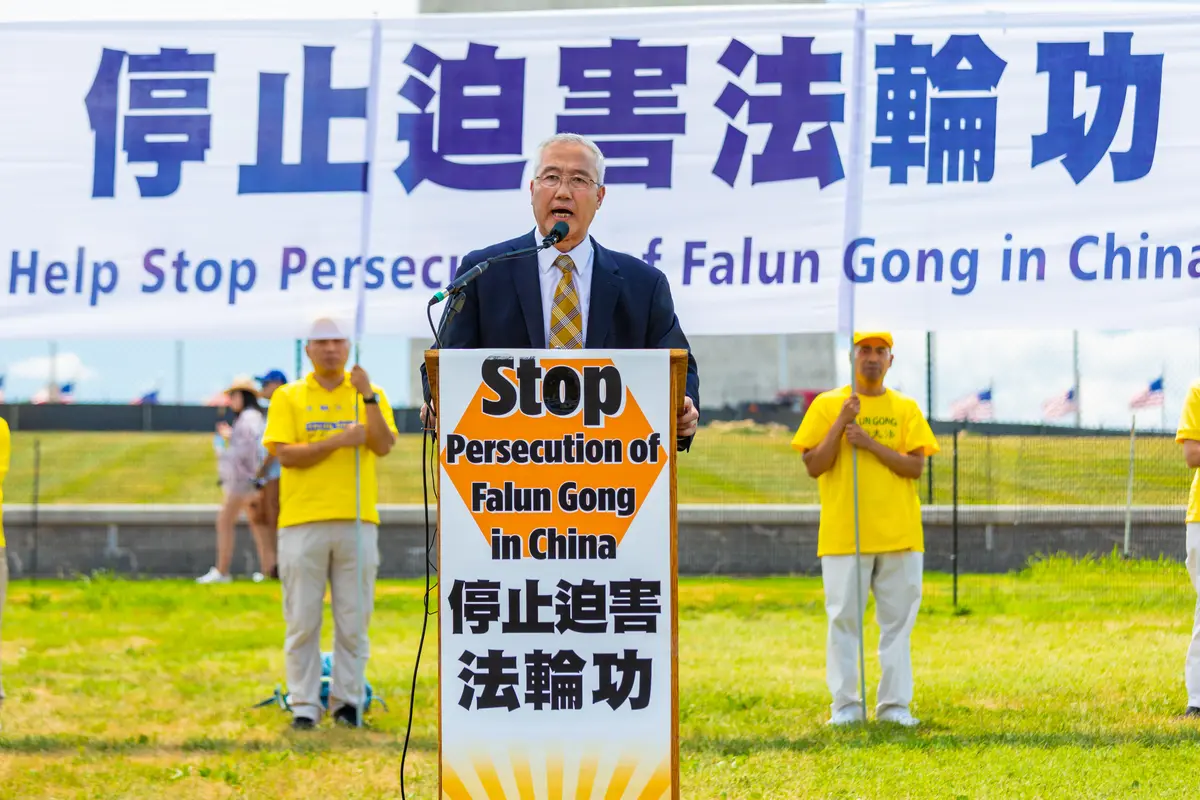
Zhiyuan Wang, president of the World Organization to Investigate the Persecution of Falun Gong (WOIPFG), separately presented recordings of calls to Chinese officials and medical personnel.
Wang said WOIPFG had compiled evidence concerning hundreds of hospitals and thousands of doctors.
Medical and Moral Responsibility
Centurion said the medical profession should not treat the issue solely as a geopolitical dispute or wait for criminal courts to establish every allegation before taking ethical precautions.
He urged medical schools to teach the issue, professional associations to adopt formal positions, and doctors to speak directly with patients considering overseas transplantation.
Matas said those conversations could prevent patients from becoming part of an abusive system before legislation catches up.