Chinese authorities removed a sentence stating that the northeastern industrial city of Changchun faced “unprecedented difficulties” from an official account of a meeting on the local economy.
Screenshots circulating online of the original release preserve the sentence, which is absent from the version now available on the Changchun government website: “The city’s economic development currently faces unprecedented difficulties and challenges.”
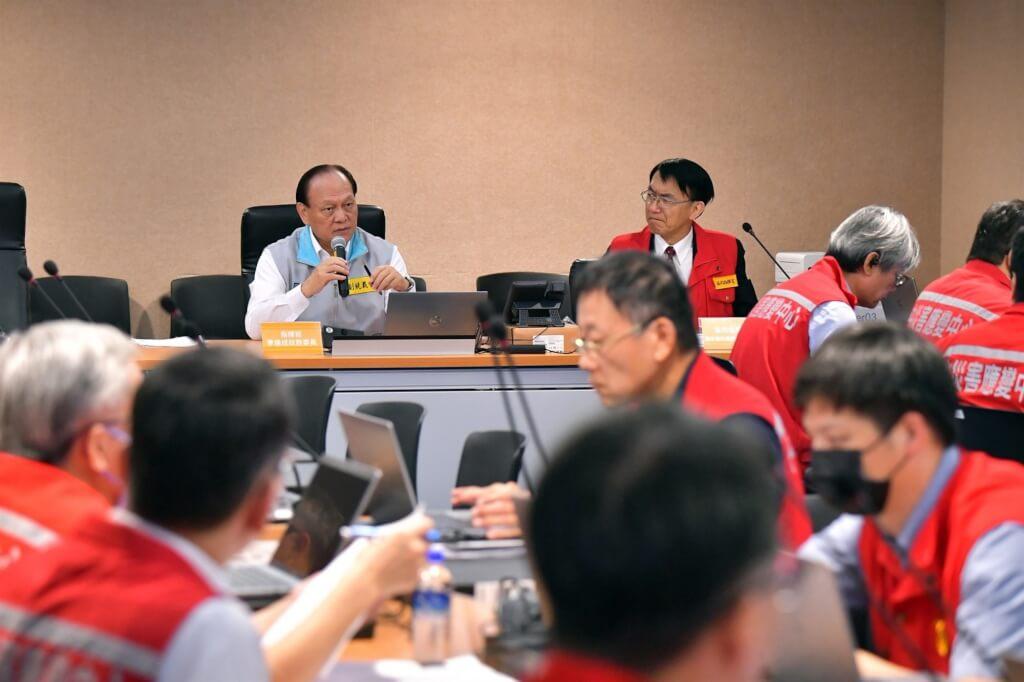
Zhang Enhui, Changchun Chinese Communist Party (CCP) Secretary, chaired the July 22 meeting, which reviewed the city’s first-half economic performance and set priorities for the remainder of 2026.
Meanwhile, the revised version retains much of the original statement, saying that Changchun faces “more direct and severe shocks and challenges” and calling for “extraordinary determination, extraordinary intensity, and extraordinary measures” to confront difficulties that exceeded expectations.
While Beijing generally pairs references to economic challenges with claims that the country’s economic fundamentals remain sound and its long-term prospects unchanged, the deleted sentence from the local government statement was more direct than the language Chinese authorities typically use when discussing economic pressure.
U.S.-based economist David Huang told the Chinese edition of The Epoch Times that the original wording appeared to serve as both a plea for help and a self-preservation attempt by local officials amid deteriorating economic conditions.


“They are trying to shift responsibility and protect themselves, while also pleading poverty,” Huang said.
Huang said the wording could help Changchun make a case for increased transfers or other assistance from higher levels of government. It could also establish that local officials were confronting conditions beyond what they had been expected to manage.
“If they continue pretending that everything is going well, the central government will not increase transfer payments or appropriations,” he said. “If the indicators collapse in the second half, the responsibility will fall on the local government for poor implementation.”
China analyst Wang He said the release combined a rare admission of the severity of local conditions with the CCP’s usual positive language about confidence, discipline, and fulfilling assigned targets.
“They admitted part of the truth while also painting a very large, optimistic picture,” he told the Chinese edition of The Epoch Times.
The combination gave officials room to protect themselves while remaining politically aligned with Beijing, he said.
“On one hand, they said the economic difficulties were unprecedented; on the other, they said they must maintain resolve,” Wang said. “That allows them to advance or retreat.”
Auto Industry Under Pressure
Changchun is the capital of Jilin province and the headquarters of state-owned automaker FAW Group. The city’s industrial base has long depended heavily on vehicle manufacturing and the network of suppliers built around it.
The official release itself identifies automobiles as a traditional industry in need of faster restructuring.
Huang said Changchun’s dependence on the sector has left it exposed as conventional automakers lose market share, domestic demand weakens, and Chinese electric vehicle producers intensify price competition.
“Changchun used to be a major heavy industry center, and its economy is highly dependent on FAW and the automobile industry,” he said.
Chinese auto-industry publication iAutoDaily stated in a July report that FAW–Volkswagen’s wholesale sales fell 31 percent year over year to 510,000 vehicles in the first half of 2026—the steepest decline among the top 10 automakers by wholesale volume. Its retail sales fell 25 percent to 557,000 vehicles.
The publication attributed the wholesale decline to pressure on the company’s traditional gasoline vehicles and the failure of newer electric models to replace the lost volume quickly enough.
Local residents also told the Chinese edition of The Epoch Times that some FAW–Volkswagen production workers had been placed on rotating half-month breaks, with monthly pay sharply reduced.
Huang said the pressure on Changchun’s dominant industry was colliding with weak local finances and a system in which officials remain responsible for meeting economic targets set from above.
He said the original wording amounted to a warning from local officials that they could no longer meet economic targets.